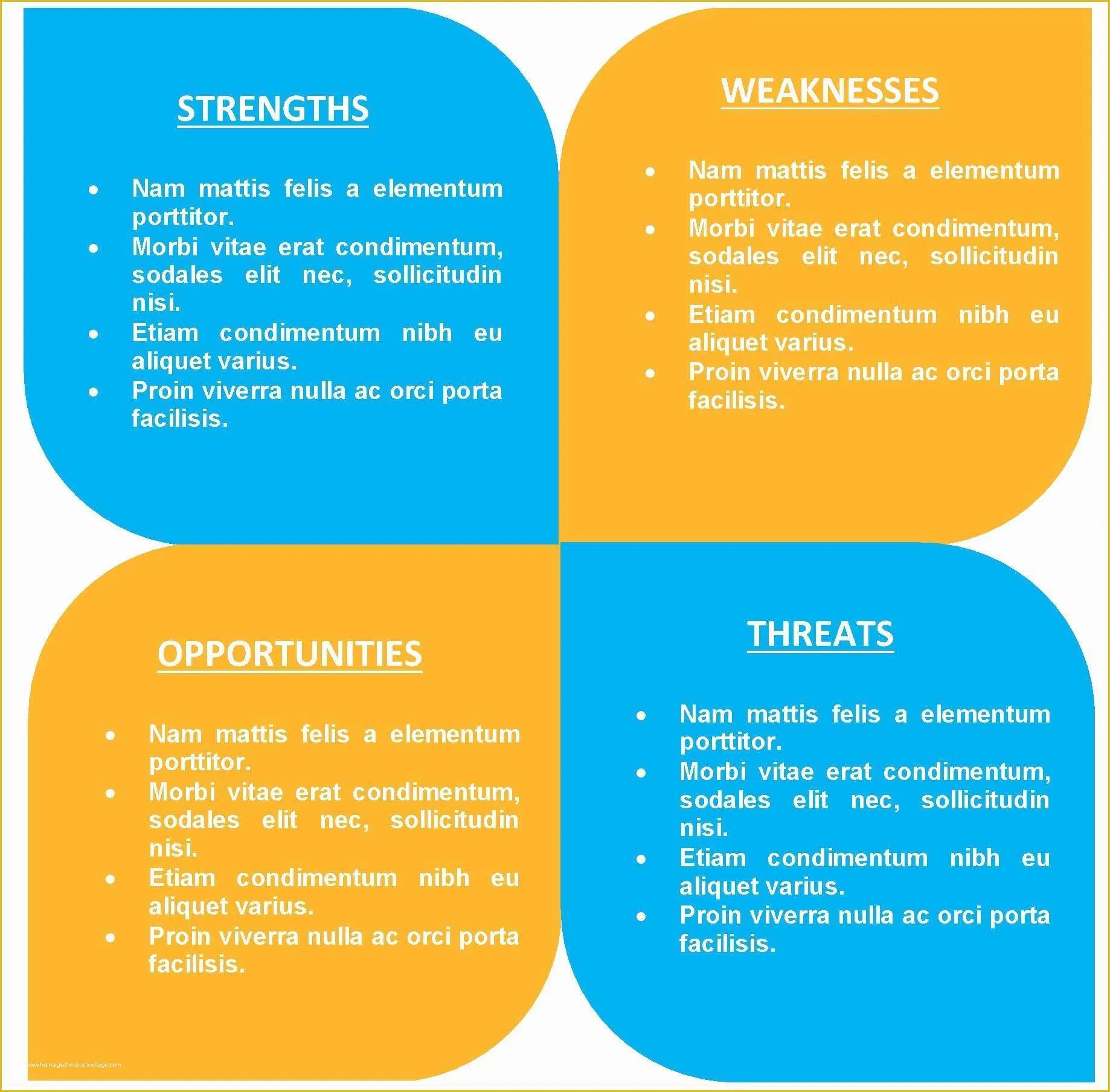
Every organization, big or small, faces a myriad of challenges and opportunities in the ever-evolving business landscape. To navigate these complexities and chart a course for success, businesses turn to strategic planning tools like the SWOT chart. This powerful analysis tool helps in identifying and analyzing an organization’s internal Strengths and Weaknesses, as well as external Opportunities and Threats.
By conducting a SWOT analysis, businesses can gain valuable insights that inform their strategic decision-making, enabling them to build on their strengths, address weaknesses, capitalize on opportunities, and mitigate threats effectively.
What is a SWOT Chart?
A SWOT chart is a strategic planning tool that provides a structured framework for assessing an organization’s internal and external factors. The acronym SWOT stands for Strengths, Weaknesses, Opportunities, and Threats. Strengths and Weaknesses are internal factors that are within the organization’s control, while Opportunities and Threats are external factors that are influenced by the external environment.
By conducting a SWOT analysis, businesses can gain a comprehensive understanding of their current position and identify areas for improvement and growth.
Why Conduct a SWOT Analysis?
There are several compelling reasons why businesses should conduct a SWOT analysis:
- Strategic Planning: A SWOT analysis provides a roadmap for strategic planning by identifying key areas of focus.
- Risk Management: By evaluating potential threats, businesses can proactively mitigate risks and challenges.
- Decision Making: The insights gained from a SWOT analysis can help businesses make informed decisions that align with their goals and objectives.
- Competitive Advantage: Understanding strengths and weaknesses relative to competitors can help businesses gain a competitive edge.
What to Include in a SWOT Analysis?
When conducting a SWOT analysis, it is essential to consider the following aspects:
- Strengths: Internal factors that give the organization a competitive advantage. This could include talented employees, strong brand reputation, or proprietary technology.
- Weaknesses: Internal factors that hinder the organization’s performance. This could include lack of resources, poor management, or outdated technology.
- Opportunities: External factors that the organization could capitalize on. This could include emerging markets, changing consumer trends, or technological advancements.
- Threats: External factors that could pose a risk to the organization. This could include new competitors entering the market, regulatory changes, or economic downturns.
Conducting a Comprehensive SWOT Analysis
When conducting a comprehensive SWOT analysis, businesses should delve deeper into each aspect to gain a thorough understanding of their internal and external environment. This involves a systematic approach to gathering data, analyzing trends, and assessing potential opportunities and threats. By conducting a detailed SWOT analysis, businesses can uncover hidden insights and develop strategic initiatives that align with their overarching goals.
Internal Analysis: Strengths and Weaknesses
Internal analysis focuses on identifying and evaluating the strengths and weaknesses of the organization. Strengths are internal attributes that give the organization a competitive edge, while weaknesses are areas that need improvement or pose challenges to success. When assessing strengths, businesses should consider factors such as brand reputation, market position, financial stability, employee skills, operational efficiency, and product quality. In contrast, weaknesses may include factors like outdated technology, lack of resources, poor leadership, ineffective communication, and inadequate training programs. By conducting a detailed internal analysis, businesses can leverage their strengths and address weaknesses effectively.
External Analysis: Opportunities and Threats
External analysis involves evaluating the opportunities and threats in the external environment that could impact the organization’s performance and future prospects. Opportunities are external factors that businesses can leverage to enhance growth and profitability. These may include market trends, consumer preferences, technological advancements, regulatory changes, economic conditions, and industry dynamics. On the other hand, threats are external factors that pose risks or challenges to the organization’s operations. These may include competitive pressures, market saturation, changing regulations, economic uncertainty, geopolitical risks, and disruptive technologies. By conducting a comprehensive external analysis, businesses can identify key opportunities to pursue and threats to mitigate.
SWOT Matrix: Integrating Internal and External Factors
One of the key outputs of a SWOT analysis is the SWOT matrix, which integrates internal strengths and weaknesses with external opportunities and threats. The SWOT matrix provides a visual representation of the organization’s strategic position and helps in identifying strategic options for growth and improvement. By mapping out internal strengths and weaknesses against external opportunities and threats, businesses can prioritize actionable strategies that align with their long-term objectives. The SWOT matrix serves as a valuable tool for decision-making and resource allocation, guiding businesses towards sustainable growth and competitive advantage.
Developing Strategic Initiatives: Leveraging Insights for Success
Once the SWOT analysis is complete, the next step is to develop strategic initiatives based on the insights gained. This involves translating the findings of the analysis into actionable strategies that address key issues and capitalize on opportunities. By leveraging strengths, addressing weaknesses, seizing opportunities, and mitigating threats, businesses can develop a robust strategic plan that aligns with their vision and goals. Strategic initiatives may include diversifying product offerings, expanding into new markets, enhancing customer experience, investing in technology upgrades, strengthening partnerships, and optimizing operational processes. By implementing these strategic initiatives, businesses can position themselves for sustainable growth and competitive success.
Monitoring and Evaluation: Continuous Improvement and Adaptation
SWOT analysis is not a one-time exercise but an ongoing process that requires continuous monitoring and evaluation. Businesses must regularly review their SWOT analysis to reflect changes in the internal and external environment. By monitoring key performance indicators, market trends, competitor actions, and customer feedback, businesses can identify emerging opportunities and threats and adjust their strategies accordingly. Continuous improvement and adaptation are essential for staying agile and responsive in a dynamic business landscape. By embracing a culture of learning and innovation, businesses can leverage the power of SWOT analysis to drive sustainable growth and competitive advantage.
SWOT Chart Template – DOWNLOAD
