In a world where technology is constantly advancing, the humble telephone directory has also undergone a significant transformation. What once was a thick, paper-bound book filled with phone numbers and addresses has now become a structured database that organizes and retrieves contact information for individuals and businesses.
This digital version of the telephone directory enables efficient communication, call processing, and directory services, whether for public use (like white/yellow pages) or internal corporate systems. By serving as a centralized record for adding, modifying, and searching contacts, telephone directories have replaced traditional paper books with digital, searchable lists for quick lookups.
What are Telephone Directories?
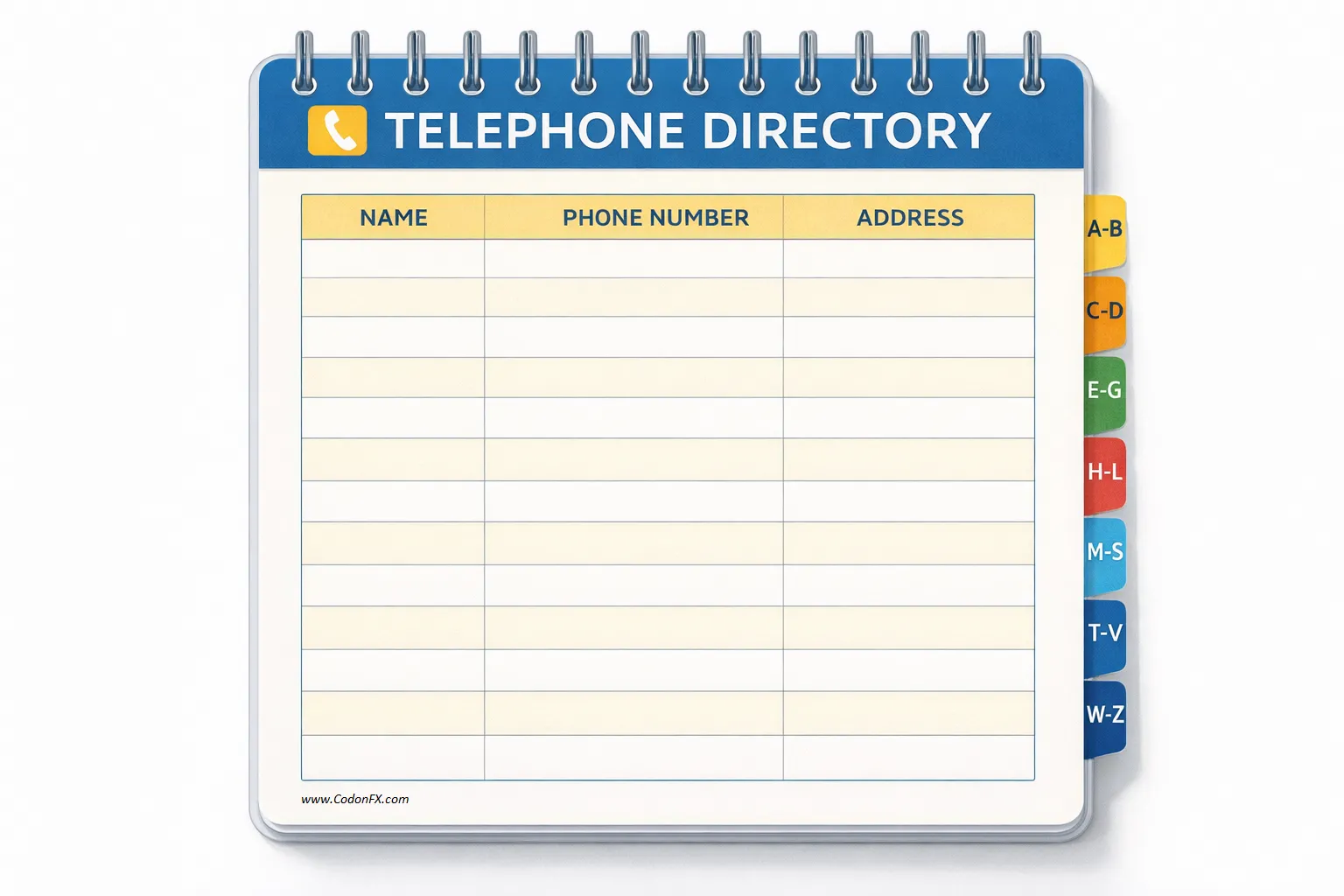
Telephone directories are databases that store contact information, such as names, numbers, and addresses, for individuals and businesses.
These directories serve as a centralized record for organizing and retrieving this information, enabling efficient communication and directory services. Whether in the form of public directories like white and yellow pages or internal corporate systems, telephone directories play a crucial role in facilitating quick access to contact details.
Why are Telephone Directories Important?
Telephone directories are essential for various reasons. They provide a structured database for storing and retrieving contact information, enabling efficient communication and call processing. In a world where time is of the essence, having quick access to contact details is crucial for businesses and individuals alike. Additionally, telephone directories help in organizing and managing contacts, making it easier to search for specific information when needed.
Efficient Communication
One of the primary reasons why telephone directories are important is their role in facilitating efficient communication. By providing a centralized repository for storing contact information, directories make it easy to access phone numbers, addresses, and other details needed for communication. Whether you’re reaching out to a friend, family member, or business associate, having a telephone directory at your fingertips ensures that you can connect quickly and effectively.
Call Processing
Telephone directories also play a crucial role in call processing, especially in business settings. By storing contact information in a structured database, directories enable smooth handling of incoming and outgoing calls. Employees can quickly look up customer or client information, route calls to the appropriate department, and ensure that communication flows seamlessly. This efficiency in call processing can enhance customer satisfaction and improve overall business operations.
Directory Services
Beyond individual communication and call processing, telephone directories also offer directory services that benefit a wider audience. Public directories like white and yellow pages provide a comprehensive listing of businesses and individuals, making it easy for people to find contact information for specific services or purposes. Internal corporate directories help organizations manage their contacts effectively, ensuring that employees can connect with the right person at the right time.
Centralized Record Keeping
One of the key advantages of telephone directories is their ability to serve as a centralized record for adding, modifying, and searching contacts. Instead of relying on scattered lists or paper books, individuals and businesses can store all their contact information in one place. This centralized record-keeping makes it easy to update contact details, track interactions, and access information quickly whenever needed.
Transition from Paper Books to Digital Databases
The transition from paper books to digital databases has revolutionized the way telephone directories operate. Instead of flipping through pages of a heavy book, users can now search for contacts with a simple keyword or filter. Digital directories offer advanced search functionalities, customization options, and integration with other platforms for enhanced connectivity. This shift to digital has made telephone directories more accessible, efficient, and user-friendly.
Key Elements of Telephone Directories
Telephone directories consist of several key elements that make them effective tools for organizing and retrieving contact information. These include:
Names
Names are one of the fundamental elements of telephone directories. Whether it’s an individual’s name or a business name, having this information stored in the directory allows for easy identification. When searching for a contact, users can simply input the name to pull up the associated phone number, address, and other details.
Numbers
Phone numbers are the backbone of any telephone directory. These numbers include landline, mobile, or fax numbers that allow for communication between individuals and businesses. With phone numbers stored in the directory, users can quickly place calls, send messages, or connect with contacts without having to remember or search for the number each time.
Addresses
In addition to names and numbers, telephone directories often include addresses for individuals and businesses. Physical addresses, email addresses, or website URLs may be listed in the directory to provide additional contact information. This helps users locate or communicate with contacts through various means, depending on the preferred mode of communication.
Categorization
Contacts in telephone directories are often categorized based on specific criteria such as location, industry, or relationship. This categorization helps users organize their contacts in a meaningful way, making it easier to search for specific groups of contacts when needed. By grouping contacts into categories, users can streamline their communication and access relevant information quickly.
Search Functionality
One of the most critical elements of a telephone directory is its search functionality. Most directories offer a search feature that allows users to input keywords, names, or numbers to find specific contacts within the database. Advanced search options, such as filters or sorting preferences, can help users narrow down results and locate contacts efficiently. The search functionality of a directory significantly enhances its usability and ensures that users can access the information they need quickly.
How to Use Telephone Directories Effectively
Using telephone directories effectively involves understanding how to navigate and utilize the features available. Here are some tips for making the most out of telephone directories:
Update Contact Information Regularly
Regularly reviewing and updating contact details in the telephone directory is essential to ensure accuracy and relevance. People change phone numbers, addresses, or email addresses frequently, so it’s crucial to keep this information up to date to avoid any communication gaps or errors. By taking the time to update contact information regularly, users can ensure that they have the most current details at their fingertips.
Utilize Search Filters
When searching for specific contacts in a telephone directory, it’s helpful to utilize search filters to narrow down results. Filters can include criteria such as name, location, company, or any other relevant information that helps refine the search results. By using search filters effectively, users can quickly find the contact they’re looking for without sifting through irrelevant information.
Create Contact Groups
Organizing contacts into groups or categories can help streamline communication and access within a telephone directory. By creating contact groups based on relationships, interests, or purposes, users can easily locate and reach out to specific groups of contacts. This categorization makes it easier to send group messages, schedule group calls, or manage interactions with multiple contacts simultaneously.
Backup Data Regularly
To prevent data loss and ensure that contact information is secure, it’s essential to back up data from the telephone directory regularly. Backup options may include cloud storage, external hard drives, or other digital storage solutions that safeguard contact information from system failures or data breaches. By implementing a backup strategy, users can rest assured that their contact information is safe and accessible at all times.
Optimize for Mobile
In today’s mobile-centric world, optimizing telephone directories for mobile access is crucial. Choose directories that offer mobile-friendly interfaces, responsive designs, and seamless integration with mobile devices to ensure that contact information is accessible on the go. Mobile optimization enables users to access their contacts from anywhere, send messages, make calls, or schedule meetings with ease, enhancing connectivity and communication efficiency.
Telephone Directory Template
A Telephone Directory helps you organize and store contact information in a clear and easy-to-use format. It provides a structured layout for names, phone numbers, addresses, and notes, making it simple to find and update contact details when needed. With a well-designed template, you can keep personal or business contacts organized and accessible.
Download our Telephone Directory Template today to manage your contact information efficiently and stay organized.
Telephone Directory Template – DOWNLOAD
