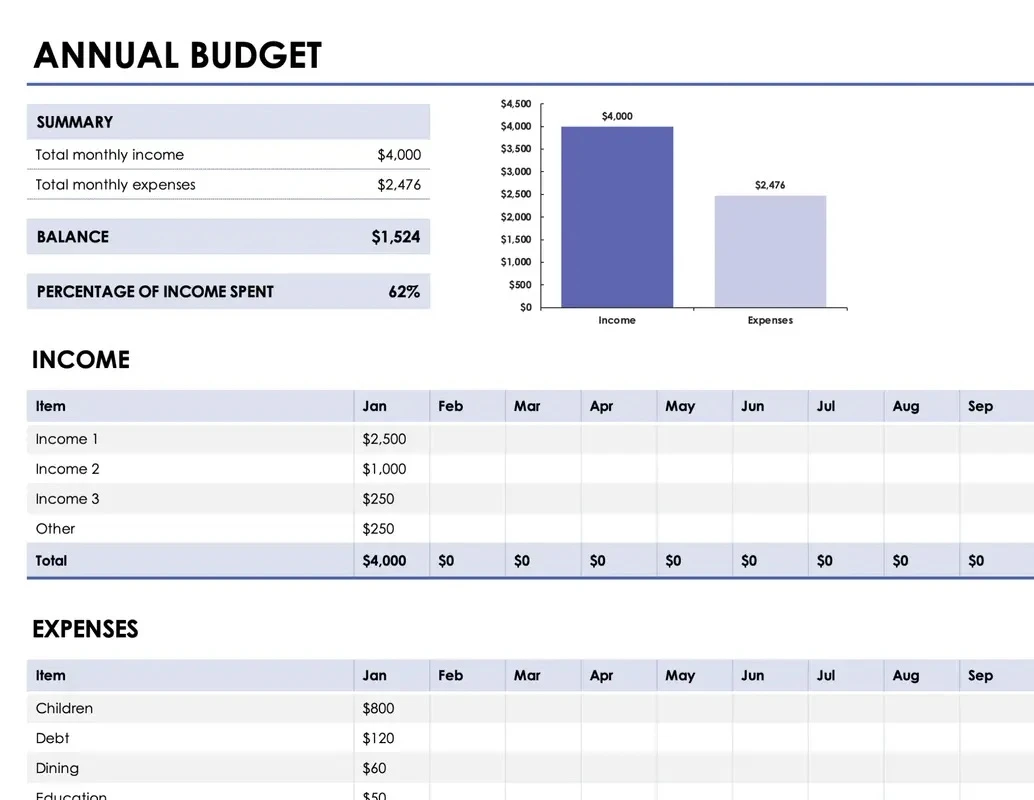
Creating an annual budget is a crucial component of financial planning for businesses, organizations, and individuals alike. An annual budget serves as a roadmap for managing income and expenses over the course of a year, enabling effective resource management, financial control, and goal achievement.
By projecting future financial needs and aligning expenditures with strategic goals, an annual budget allows for informed decision-making, progress monitoring, and the ability to make adjustments for unexpected events.
What Is an Annual Budget?
An annual budget is a financial plan that outlines projected income and expenses for a specific period, typically a year. It serves as a comprehensive tool for managing finances and ensuring that resources are allocated efficiently to achieve desired outcomes.
By creating a detailed budget, individuals and organizations can track their financial performance, identify areas for improvement, and make informed decisions to achieve financial sustainability.
The Importance of Creating an Annual Financial Budget
There are several key reasons why creating an annual financial budget is essential for businesses and individuals:
- Resource Management. An annual budget helps in effectively managing resources by allocating funds where they are needed most.
- Financial Control. By setting financial goals and tracking expenses, a budget provides a framework for maintaining control over finances.
- Goal Achievement. A budget enables individuals and organizations to set financial goals and work towards achieving them within a specified timeframe.
- Monitoring Progress. With a budget in place, progress can be monitored regularly to ensure that financial objectives are being met.
- Attracting Investment. A well-prepared budget can attract potential investors by demonstrating a clear financial plan and strategy for growth.
- Managing Debt. Budgeting helps in managing debt by ensuring that repayment obligations are met on time and debts are kept under control.
- Financial Sustainability. By aligning expenditures with strategic goals, a budget promotes financial sustainability and long-term success.
- Adjustments for Unexpected Events. An annual budget allows for flexibility in responding to unexpected events or changes in the economic environment.
When is the Best Time to Build Your Annual Budget?
The best time to build an annual budget depends on the specific needs and circumstances of the individual or organization. However, it is generally recommended to start the budgeting process well in advance of the upcoming fiscal year to allow for thorough planning and analysis. For businesses, creating an annual budget typically takes place at the end of the previous fiscal year or the beginning of the new fiscal year. This allows for a comprehensive review of past performance, setting of new financial goals, and alignment of resources for the year ahead.
10 Steps for Setting a Budget
Setting a budget involves several key steps to ensure that it is comprehensive, realistic, and effective:
- Review Past Performance. Analyze previous financial data to identify trends, strengths, and weaknesses.
- Set Financial Goals. Establish clear objectives and targets for the upcoming year based on strategic priorities.
- Estimate Income. Project expected revenue streams from sales, investments, and other sources.
- Identify Expenses. Determine fixed and variable costs, including operating expenses, salaries, and overheads.
- Create a Budget Template. Use a standardized format to organize income and expenses in a clear and structured manner.
- Allocate Funds. Assign resources to different areas of the budget based on priority and importance.
- Monitor and Adjust. Regularly track budget performance and make adjustments as needed to stay on track.
- Seek Feedback. Consult with stakeholders, advisors, or experts to gain insights and perspectives on the budgeting process.
- Communicate the Budget. Share the budget with relevant parties to ensure alignment and understanding of financial goals.
- Review and Reflect. Conduct regular reviews of the budget to assess progress, identify areas for improvement, and learn from past experiences.
In Conclusion
Creating an annual budget is a fundamental aspect of financial planning that provides a roadmap for achieving financial goals, managing resources effectively, and ensuring long-term sustainability. By following the steps outlined in this guide and understanding the importance of budgeting, individuals and organizations can make informed financial decisions, monitor progress, and navigate the complexities of today’s economic landscape with confidence.
Annual Budget Template – Excel
