When embarking on a construction project, one of the most critical components for success is creating a solid budget. A well-thought-out budget serves as a financial roadmap, guiding resource allocation, controlling costs, and ensuring profitability throughout the project.
By tracking estimated versus actual spending, a building budget enables informed decision-making, helps manage risks such as unexpected price surges, and ensures that all stakeholders, including clients and contractors, are on the same page regarding financial expectations.
Ultimately, a well-managed budget is essential for keeping the project within its financial limits from start to finish.
What is a Building Budget?
A building budget is a detailed financial plan that outlines the projected costs of a construction project from start to finish. It includes estimates for labor, materials, equipment, permits, and any other expenses associated with the project. The budget serves as a roadmap for financial decision-making, helping project managers allocate resources effectively and monitor expenses to ensure the project stays within budget constraints.
Why is a Building Budget Important?
A building budget plays a crucial role in the success of a construction project for several reasons:
- Cost Control: By outlining projected costs and tracking actual expenses, a building budget helps project managers control costs and avoid overspending.
- Resource Allocation: The budget guides the allocation of resources such as labor and materials, ensuring that the right resources are available at the right time.
- Profitability: Tracking estimated versus actual spending helps project managers identify opportunities to increase profitability and make adjustments to stay on track.
- Risk Management: A well-managed budget helps mitigate risks such as unexpected price surges or cost overruns by providing a financial buffer and contingency plan.
- Stakeholder Alignment: By setting clear financial expectations and goals, a building budget ensures that all stakeholders, including clients and contractors, are on the same page throughout the project.
What to Include in a Building Budget
Creating a comprehensive building budget involves several key components:
Project Scope Definition
Defining the project scope is the first step in creating a building budget and involves outlining the specific deliverables, objectives, timelines, and requirements of the construction project. A clear project scope helps project managers develop accurate cost estimates, allocate resources effectively, and establish realistic budget constraints. By defining the project scope early on, project managers can prevent scope creep, delays, and budget overruns by ensuring that all project activities align with the project’s goals and objectives.
Detailed Cost Estimates Development
Developing detailed cost estimates is essential for creating an accurate building budget that reflects the true cost of the construction project. Cost estimates should include all potential expenses associated with the project, such as labor, materials, equipment, permits, subcontracting fees, and overhead costs. Project managers can use historical data, industry benchmarks, expert input, and market research to develop realistic cost estimates that account for all potential variables and risks. By investing time and effort in developing detailed cost estimates, project managers can create a solid foundation for effective budget management and financial planning.
Establishment of a Contingency Fund
Setting aside a contingency fund is a critical component of building budgets that provides a financial safety net to address unforeseen expenses or changes in the project scope. The contingency fund should be calculated as a percentage of the total project cost based on the project’s complexity, risk factors, and industry standards. Project managers should carefully assess potential risks, uncertainties, and variables that may impact the project’s budget and allocate an appropriate contingency amount to cover these contingencies. By establishing a contingency fund in the building budget, project managers can mitigate risks, maintain financial stability, and ensure project resilience in the face of unexpected challenges.
Implementation of a Tracking Mechanism
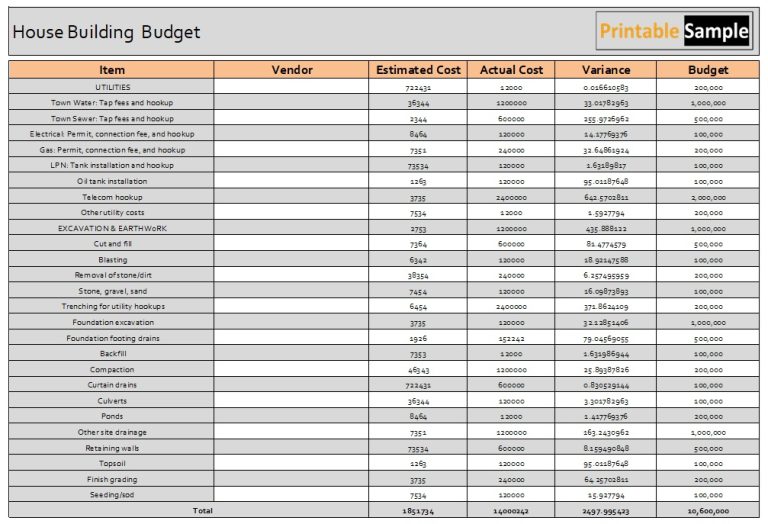
Implementing a tracking mechanism is essential for monitoring estimated versus actual spending throughout the construction project. The tracking mechanism should include tools, software, processes, and reporting systems that enable project managers to compare budgeted costs to actual expenses, track progress, identify deviations, and make informed decisions to stay within budget constraints. By regularly monitoring spending, assessing budget performance, and analyzing variances, project managers can proactively address budget deviations, optimize resource allocation, and ensure financial accountability throughout the project lifecycle.
Establishment of a Communication Plan
Establishing a communication plan is crucial for maintaining transparency, collaboration, and alignment among all stakeholders involved in the construction project. The communication plan should outline how budget updates, financial reports, cost estimates, and budget revisions will be shared with clients, contractors, suppliers, and project team members. By establishing clear communication channels, setting expectations, and fostering open dialogue, project managers can ensure that all stakeholders are informed, engaged, and supportive of the project’s financial goals and constraints. Effective communication helps build trust, resolve conflicts, and promote accountability among all project participants.
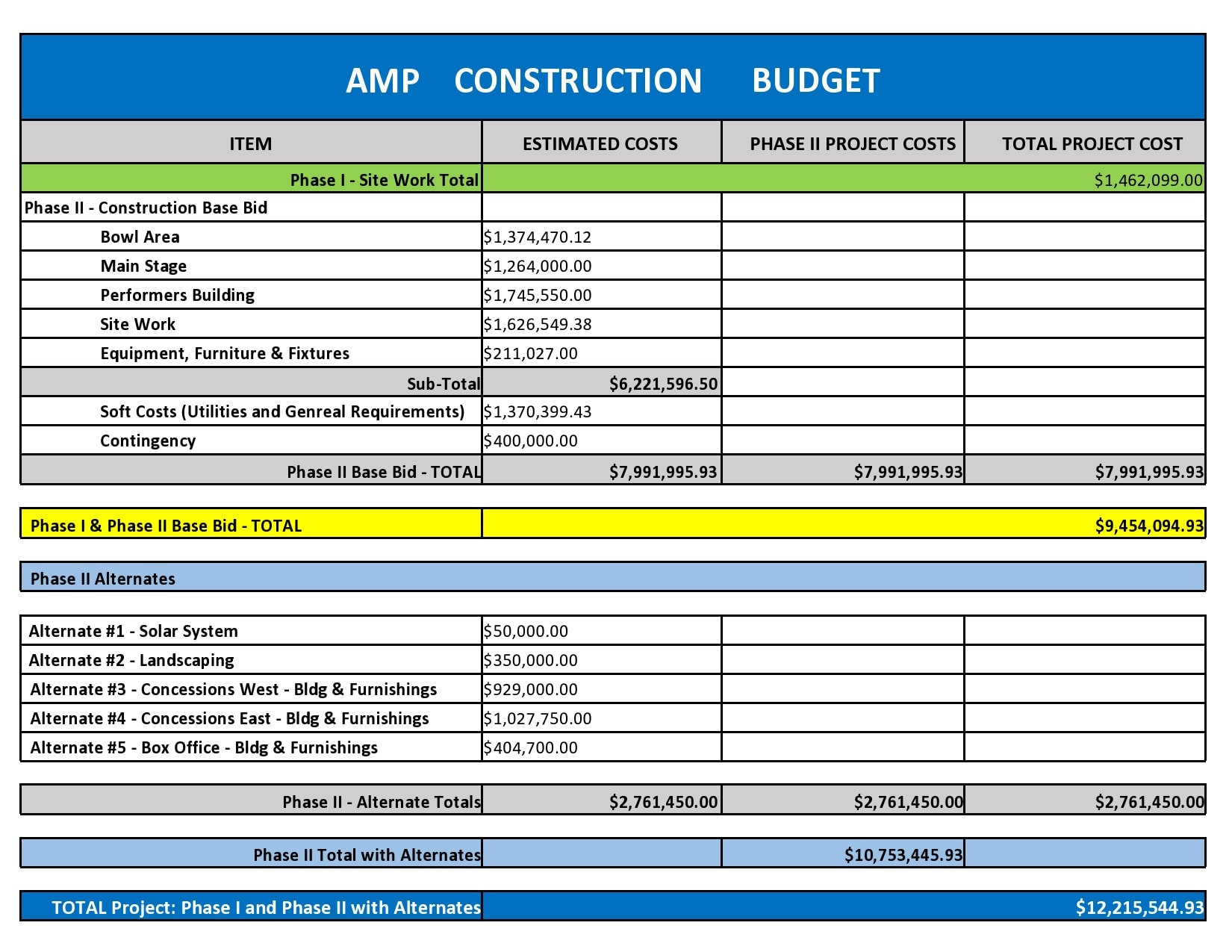
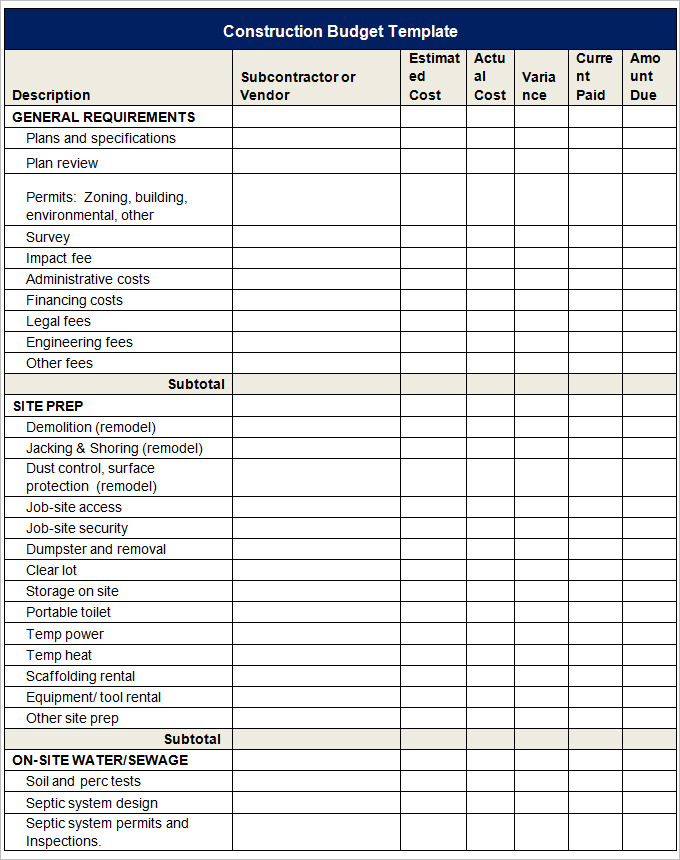
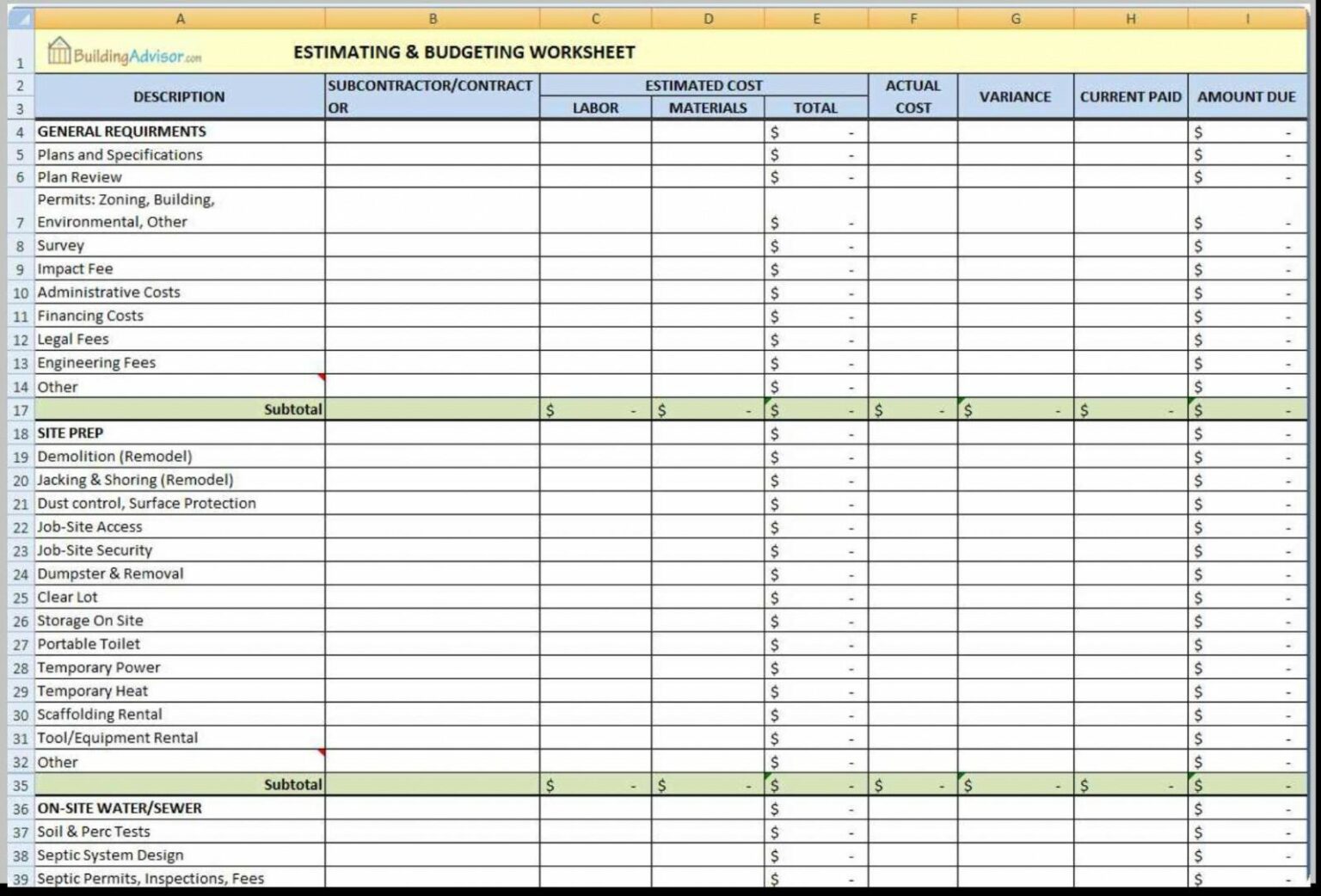
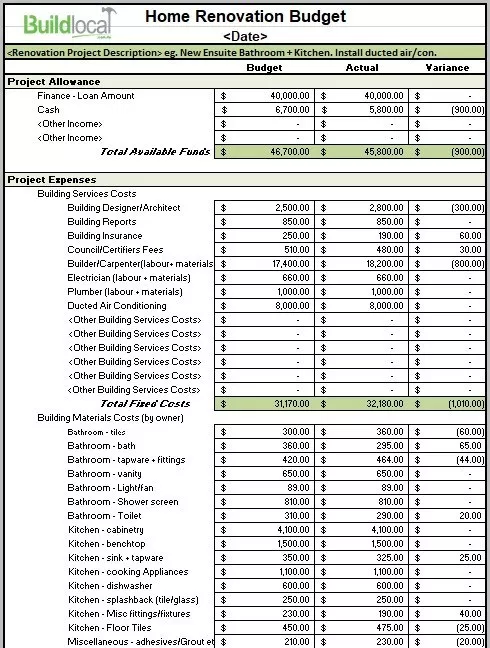
Examples
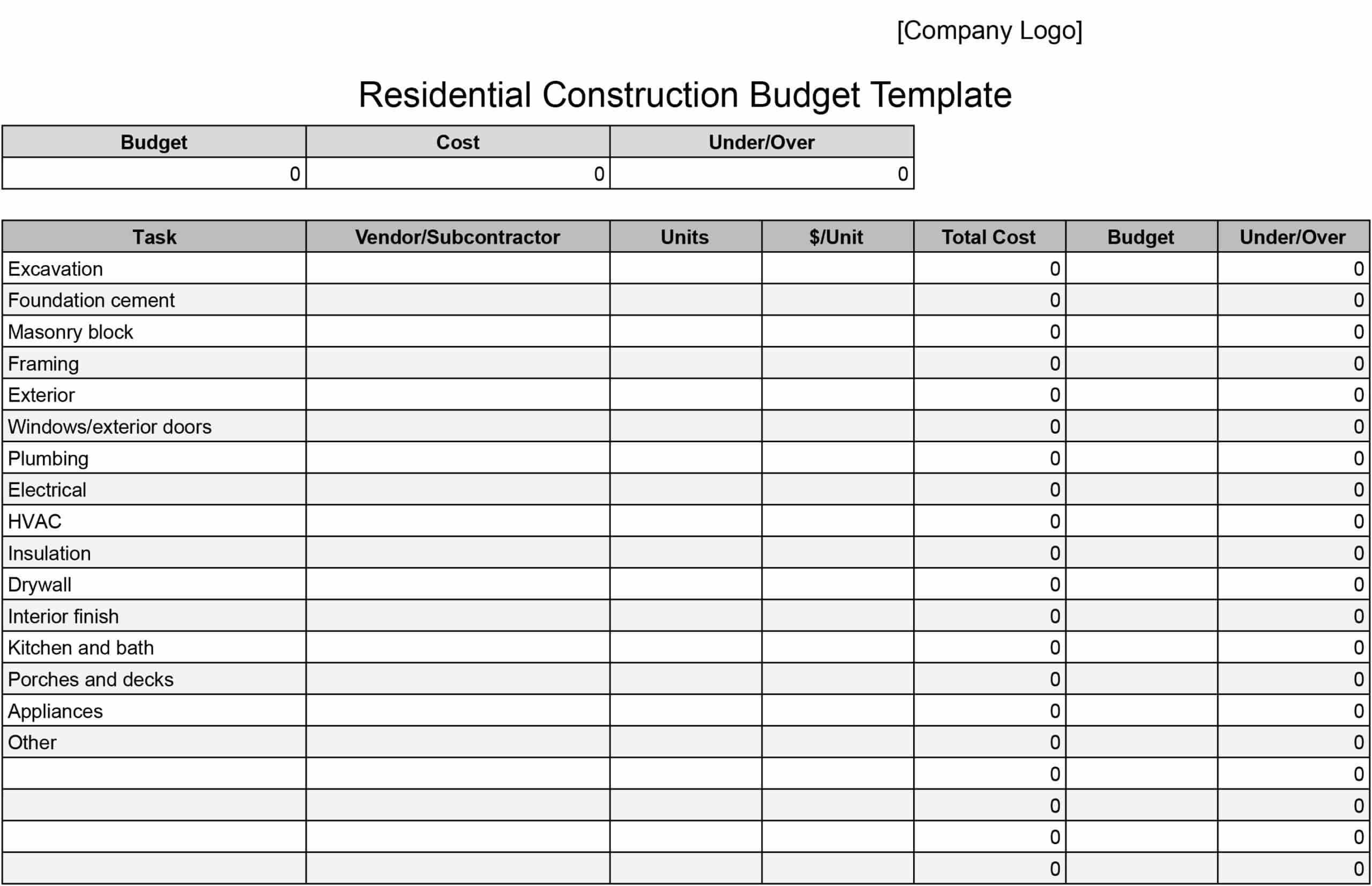
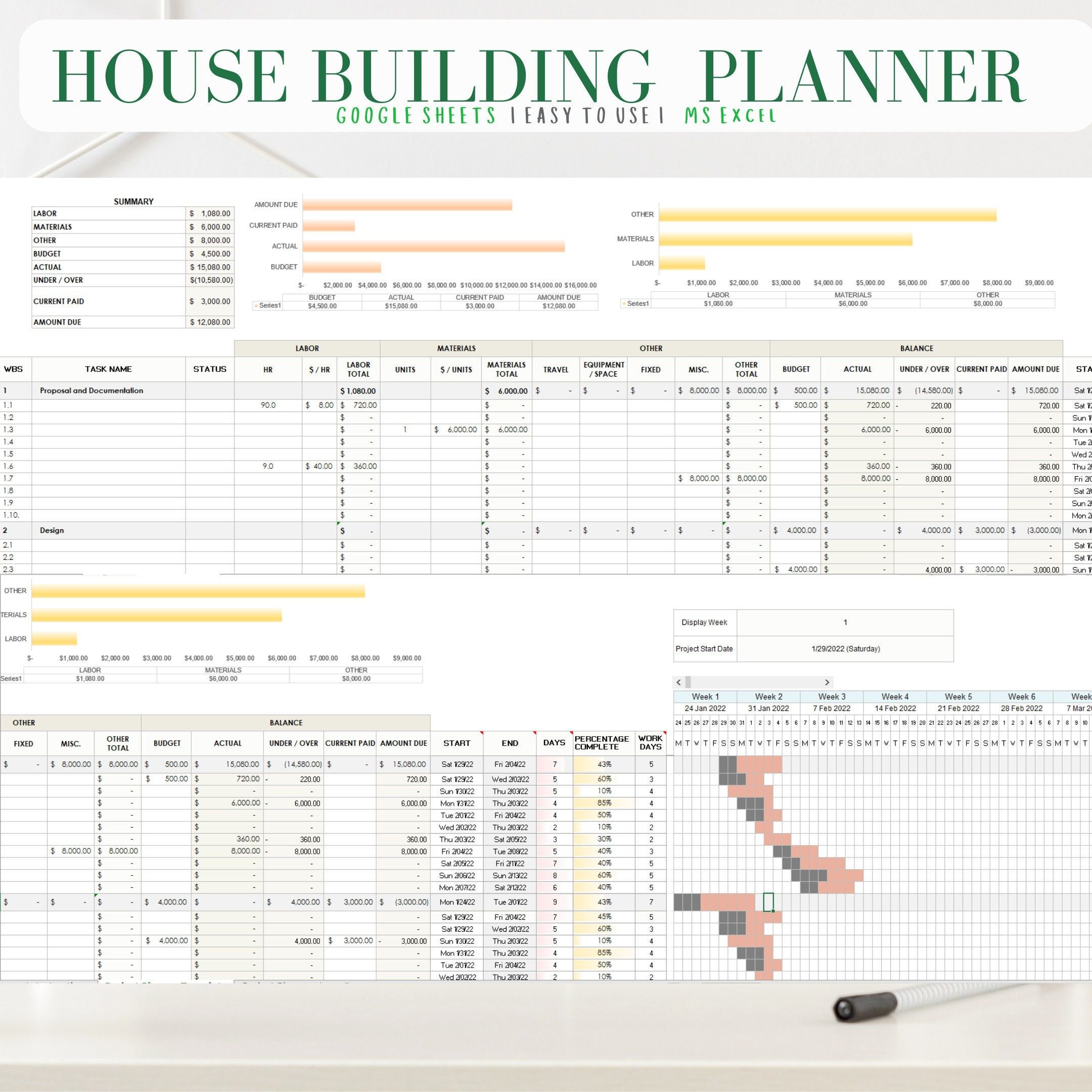
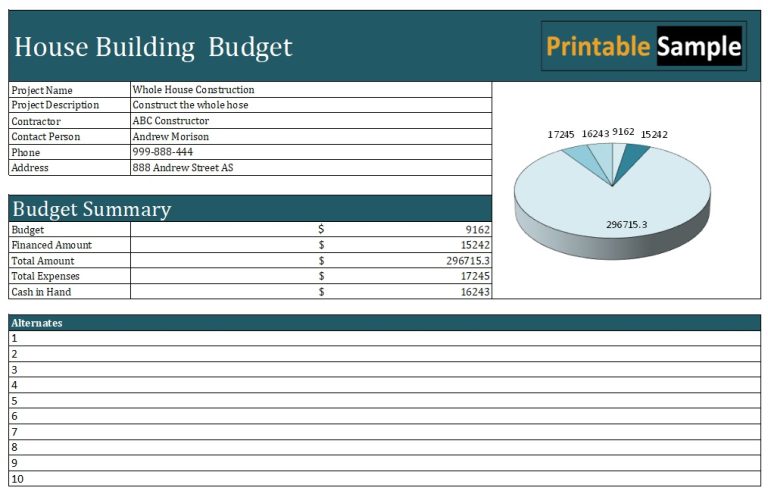
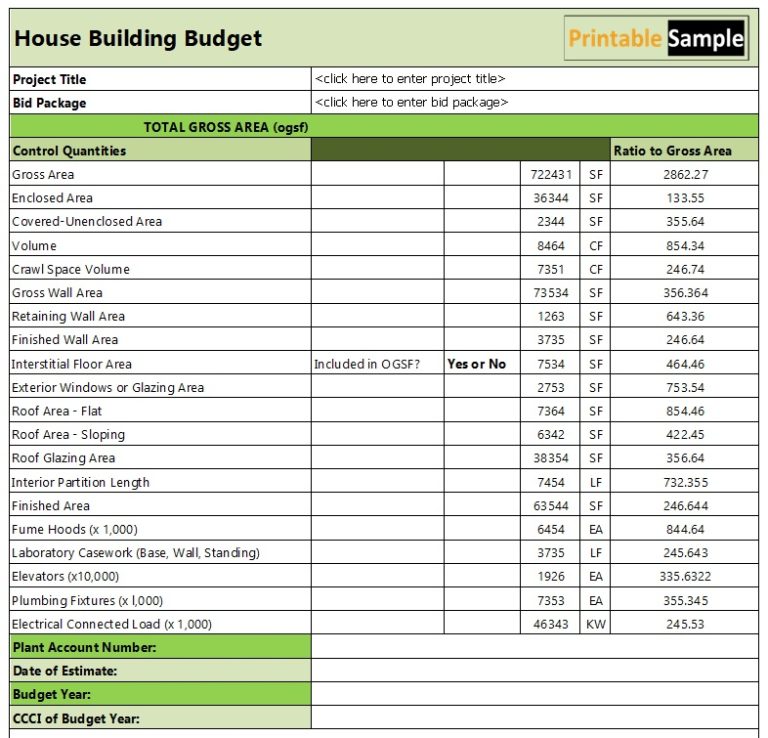
How to Create a Building Budget
Creating a building budget requires careful planning and attention to detail. Follow these steps to develop a successful budget for your construction project:
Define the Project Scope
Defining the project scope is the first step in creating a building budget and involves outlining the specific deliverables, objectives, timelines, and requirements of the construction project. A clear project scope helps project managers develop accurate cost estimates, allocate resources effectively, and establish realistic budget constraints. By defining the project scope early on, project managers can prevent scope creep, delays, and budget overruns by ensuring that all project activities align with the project’s goals and objectives.
Estimate Costs
Develop detailed cost estimates for labor, materials, equipment, permits, and other expenses associated with the construction project. Utilize historical data, industry benchmarks, expert input, and market research to create accurate cost projections. Consider potential risks, uncertainties, and variables that may impact costs and incorporate them into your estimates. Ensure that all expenses are accounted for to create a comprehensive budget that reflects the true financial requirements of the project.
Establish a Contingency Fund
Allocate a contingency fund to cover unforeseen expenses, changes in the project scope, or unexpected challenges that may arise during construction. Calculate the contingency amount based on the project’s complexity, risk factors, and industry standards. Include the contingency fund as a separate line item in the budget to ensure that it is easily accessible when needed. Regularly review and adjust the contingency amount as the project progresses to maintain financial stability and mitigate risks effectively.
Monitor Spending
Implement a tracking mechanism to monitor estimated versus actual spending throughout the construction project. Use project management software, financial tools, spreadsheets, or other tracking systems to record expenses, track progress, and analyze budget performance. Compare actual costs to budgeted amounts regularly to identify variances, trends, and areas for improvement. By monitoring spending closely, project managers can make informed decisions, address budget deviations promptly, and optimize resource allocation to stay within budget constraints.
Communicate with Stakeholders
Establish clear communication channels with all stakeholders involved in the construction project, including clients, contractors, suppliers, and project team members. Provide regular updates on budget performance, cost estimates, financial reports, and any changes to the budget. Encourage open dialogue, feedback, and collaboration to ensure that all stakeholders are informed, engaged, and supportive of the project’s financial goals. Effective communication fosters transparency, trust, and accountability among all project participants, leading to better decision-making and successful project outcomes.
Tips for Successful Budget Management
Managing a building budget effectively requires attention to detail, proactive decision-making, and strategic planning. Follow these tips to successfully manage your construction project budget:
Regularly Review and Update the Budget
Review your building budget regularly and make updates as needed to reflect changes in expenses, project scope, or market conditions. Adjust cost estimates, resource allocations, and contingency amounts to ensure that the budget remains accurate and up-to-date throughout the project lifecycle. By regularly reviewing and updating the budget, you can proactively address potential budget deviations, optimize financial performance, and maintain control over project costs.
Track Expenses Closely
Monitor expenses closely and track spending in real-time to identify any potential cost overruns or areas where savings can be made. Use tracking tools, reports, and analyses to assess budget performance, analyze trends, and identify opportunities for cost reduction. By tracking expenses closely, you can make informed decisions, adjust resource allocation, and implement cost-saving measures to stay within budget constraints and maximize profitability.
Communicate Openly with Stakeholders
Keep all stakeholders informed about budget updates, changes, and financial decisions to maintain transparency and alignment throughout the project. Provide regular updates on budget performance, cost estimates, and any deviations from the budget plan. Encourage feedback, questions, and input from stakeholders to ensure that everyone is on the same page regarding financial expectations and goals. Open communication fosters trust, collaboration, and accountability among all project participants, leading to better outcomes and successful project completion.
Plan for Contingencies
Include a contingency fund in your building budget to account for unexpected expenses, changes in the project scope, or unforeseen challenges that may arise during construction. Allocate an appropriate contingency amount based on the project’s complexity, risks, and industry standards to ensure financial resilience and mitigate potential risks effectively. Plan for contingencies proactively by identifying potential risks, developing response strategies, and allocating resources to address unforeseen events while maintaining project continuity and financial stability.
Seek Input from Experts
Consult with construction professionals, financial experts, or industry peers to gain insights, advice, and best practices for creating and managing your building budget. Tap into the expertise of professionals who have experience in construction project management, cost estimation, budgeting, and financial planning. Seek input on cost-saving strategies, risk mitigation techniques, and budget optimization methods to enhance your budget management skills and ensure the success of your construction project.
By following these tips and best practices, you can create a solid building budget that serves as a financial roadmap for your construction project. With careful planning, detailed cost estimates, effective resource allocation, and proactive budget management, you can control costs, optimize profitability, and ensure project success from start to finish. A well-managed budget is essential for keeping your project within its financial limits, mitigating risks, and achieving your financial goals in the construction industry.
Building Budget Template – Download
