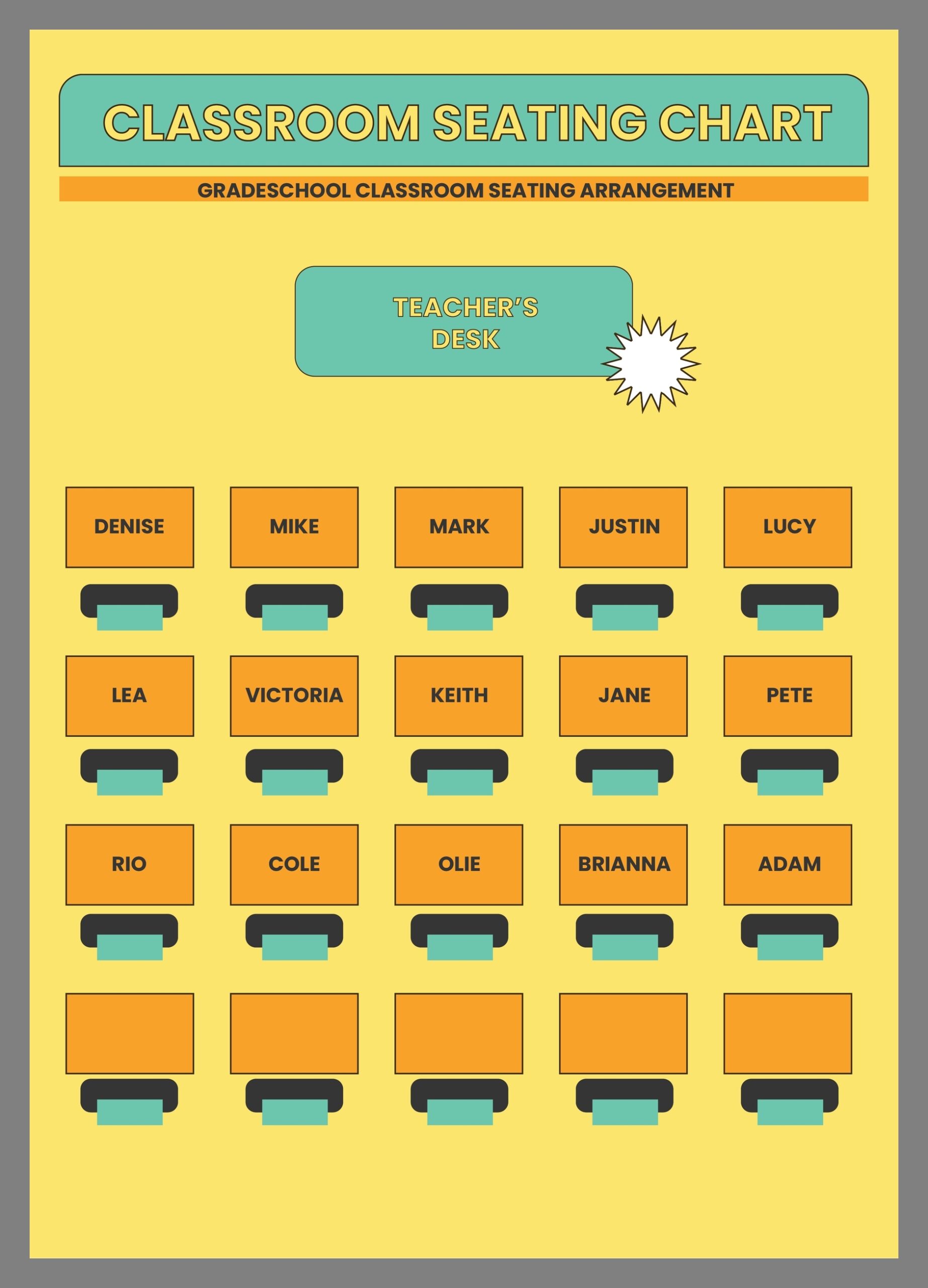
Classroom seating charts play a crucial role in creating a conducive learning environment that promotes student engagement, minimizes distractions, and fosters positive interactions among students. By strategically placing students in the classroom, teachers can effectively manage student behavior, accommodate students with special needs, and support collaborative learning. A well-designed seating arrangement is not just about assigning seats but a tool to enhance teacher-student interactions and overall classroom functionality.
What is a Classroom Seating Chart?
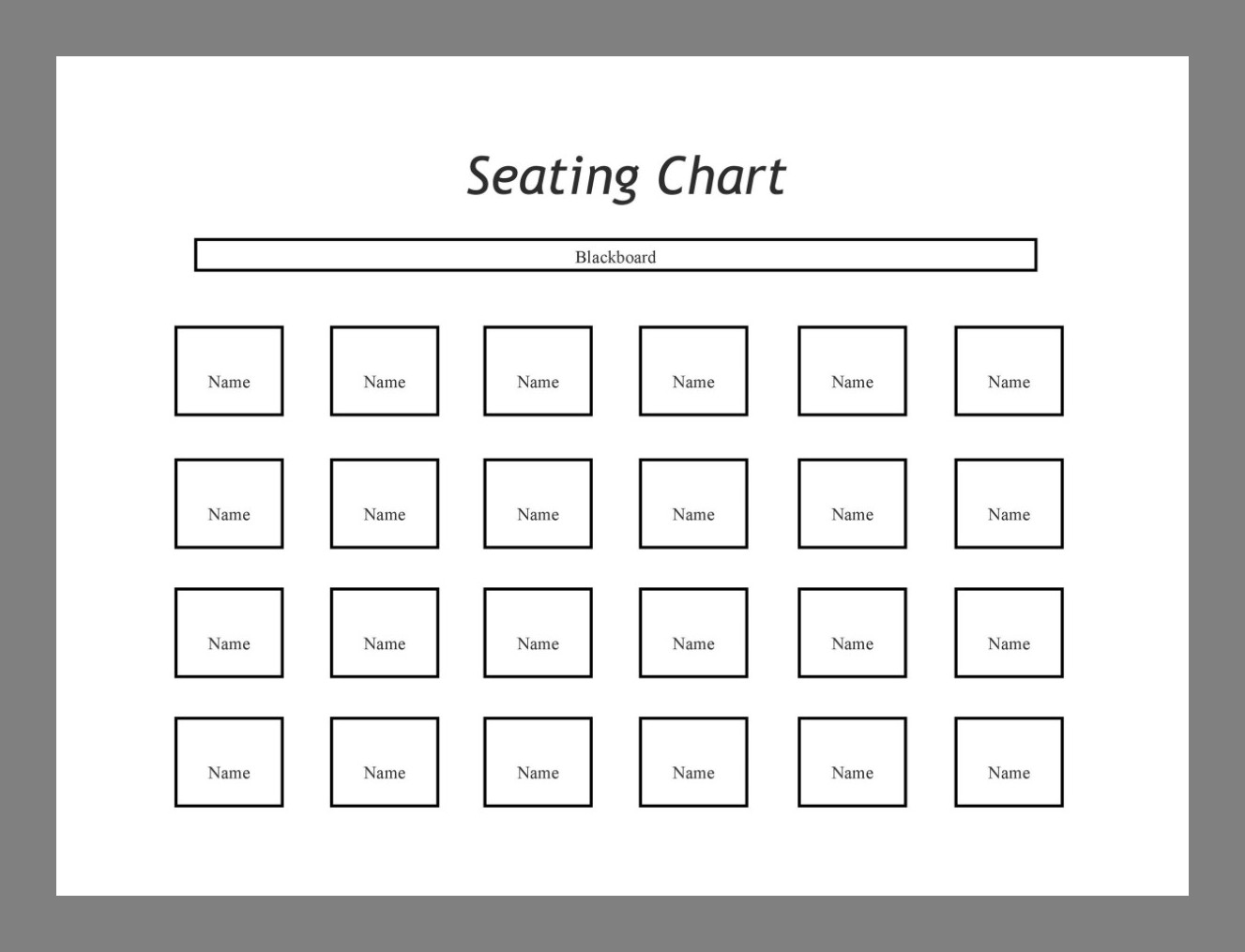
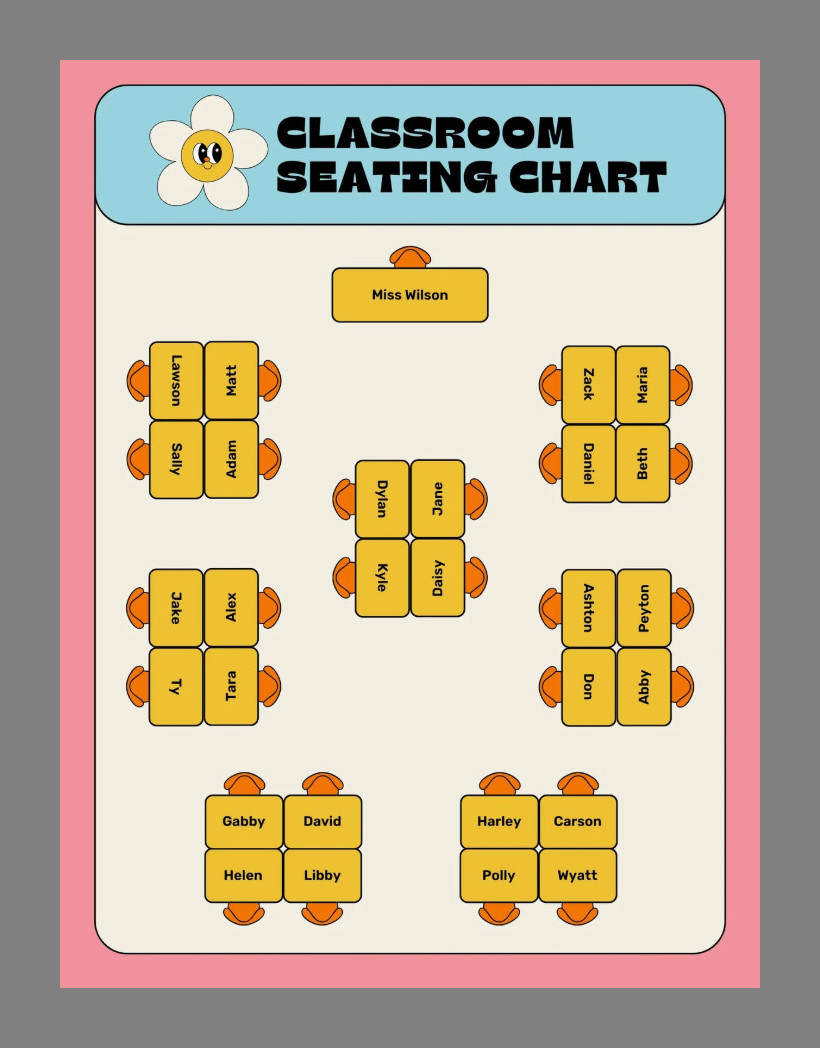
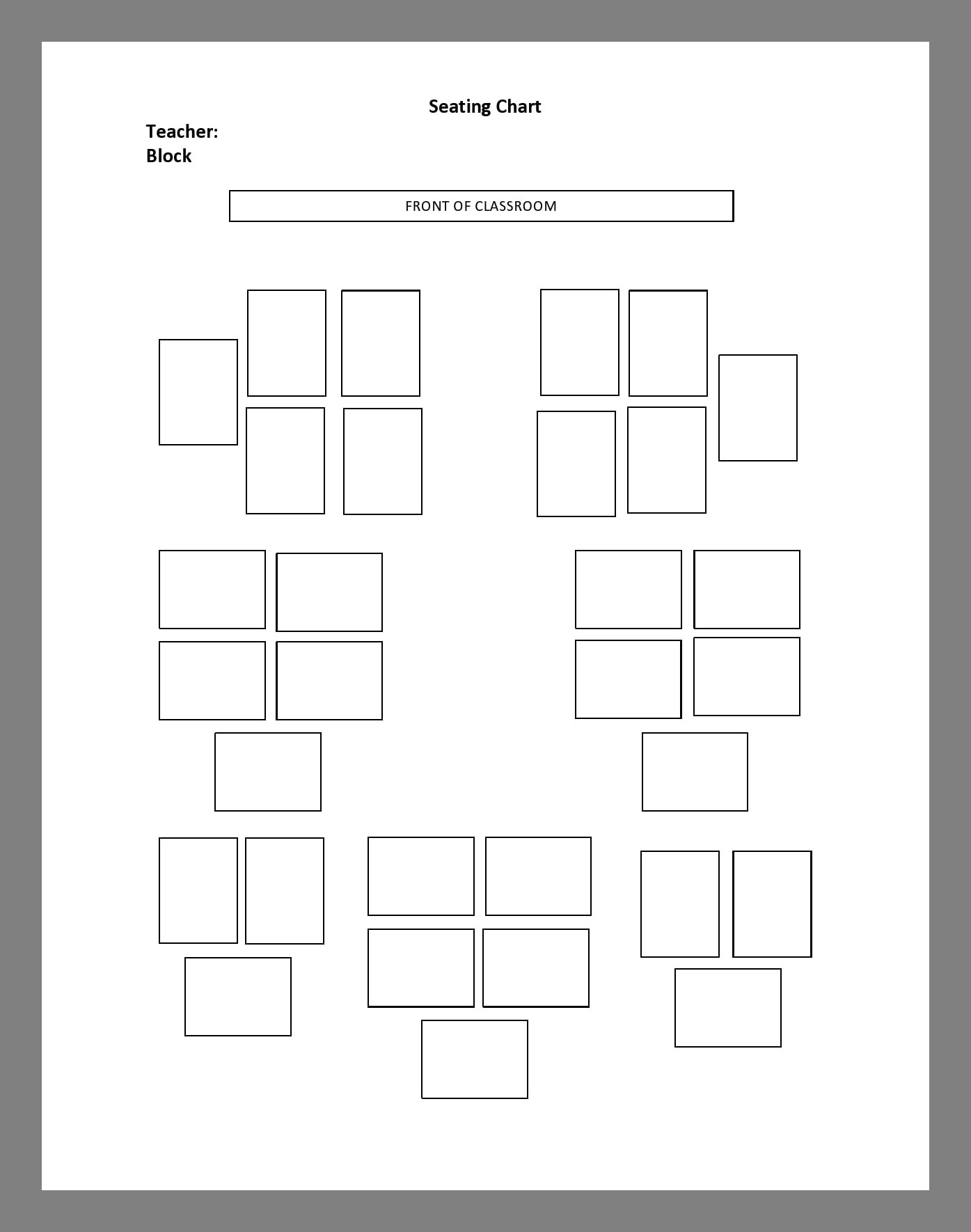
A classroom seating chart is a visual representation of where each student will sit in the classroom. It is created by the teacher to strategically place students based on various factors such as behavior management, learning needs, and peer interactions. Seating charts can be arranged in rows, groups, or pairs, depending on the teaching goals and classroom dynamics.
Why Classroom Seating Arrangements Matter
The seating arrangement in a classroom can significantly impact student behavior, engagement, and learning outcomes. By carefully planning the seating chart, teachers can create a positive learning environment, reduce distractions, and promote collaboration among students. Additionally, seating arrangements can help accommodate students with special needs and facilitate appropriate peer interactions.
How Does Seating Arrangement Affect Learning?
The way students are seated in the classroom can affect their focus, participation, and overall learning experience. For example, placing students in groups can promote teamwork and communication skills, while individual seating can enhance concentration during independent work. By strategically arranging seats, teachers can cater to different learning styles and create a dynamic learning environment that caters to the diverse needs of students.
How to Arrange Classroom Seats
When creating a classroom seating chart, teachers should consider the following factors:
- Classroom Layout: Take into account the size and shape of the classroom when arranging seats to maximize space and visibility for all students.
- Student Needs: Consider students’ individual needs, such as students with special needs or those who require extra support, when assigning seats.
- Behavior Management: Place students strategically to minimize distractions and promote positive behavior in the classroom.
- Learning Goals: Align the seating arrangement with teaching objectives to enhance student engagement and learning outcomes.
- Flexibility: Be open to adjusting the seating chart as needed based on student dynamics and classroom activities.
Examples
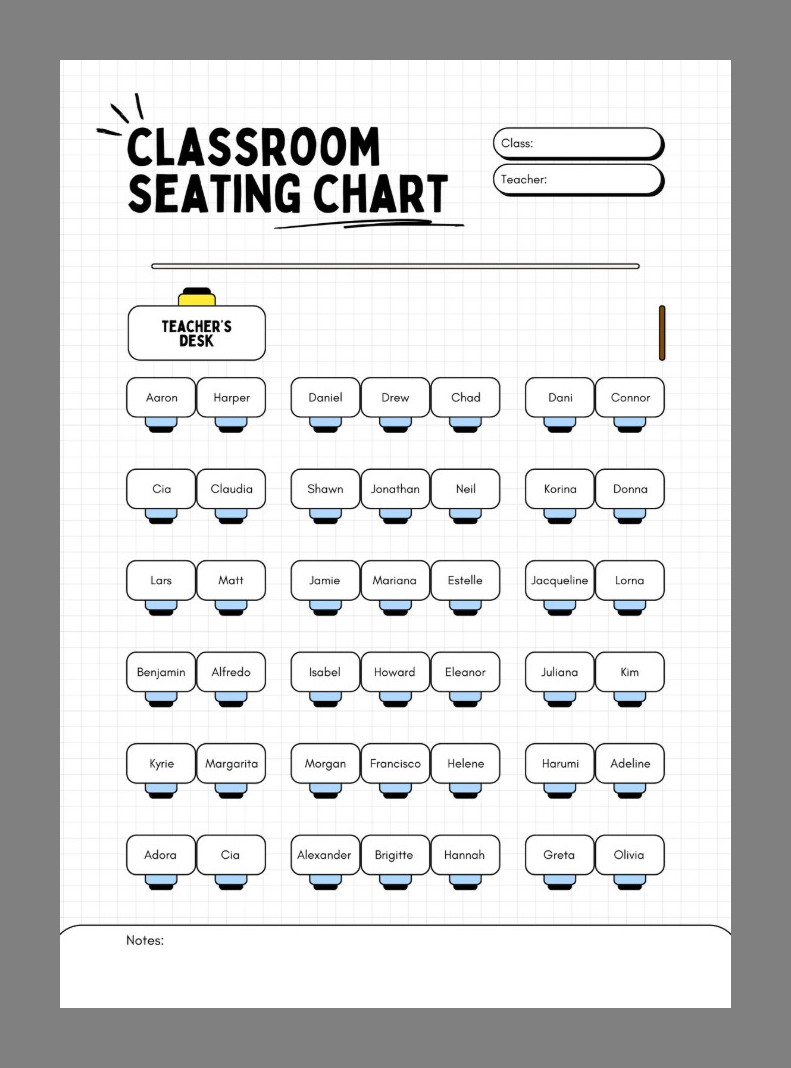
Tips for Implementing Different Seat Configurations in the Classroom
Here are some tips for implementing different seat configurations in the classroom:
- Traditional Rows: Ideal for direct instruction and teacher-centered activities.
- Groups or Pairs: Promote collaboration, teamwork, and communication skills among students.
- U-shape or Circle: Encourage discussion, participation, and interaction in a more intimate setting.
- Flexible Seating: Allow students to choose their seats based on their preferences and needs for different activities.
- Rotation System: Rotate seating arrangements periodically to mix up student interactions and prevent complacency.
