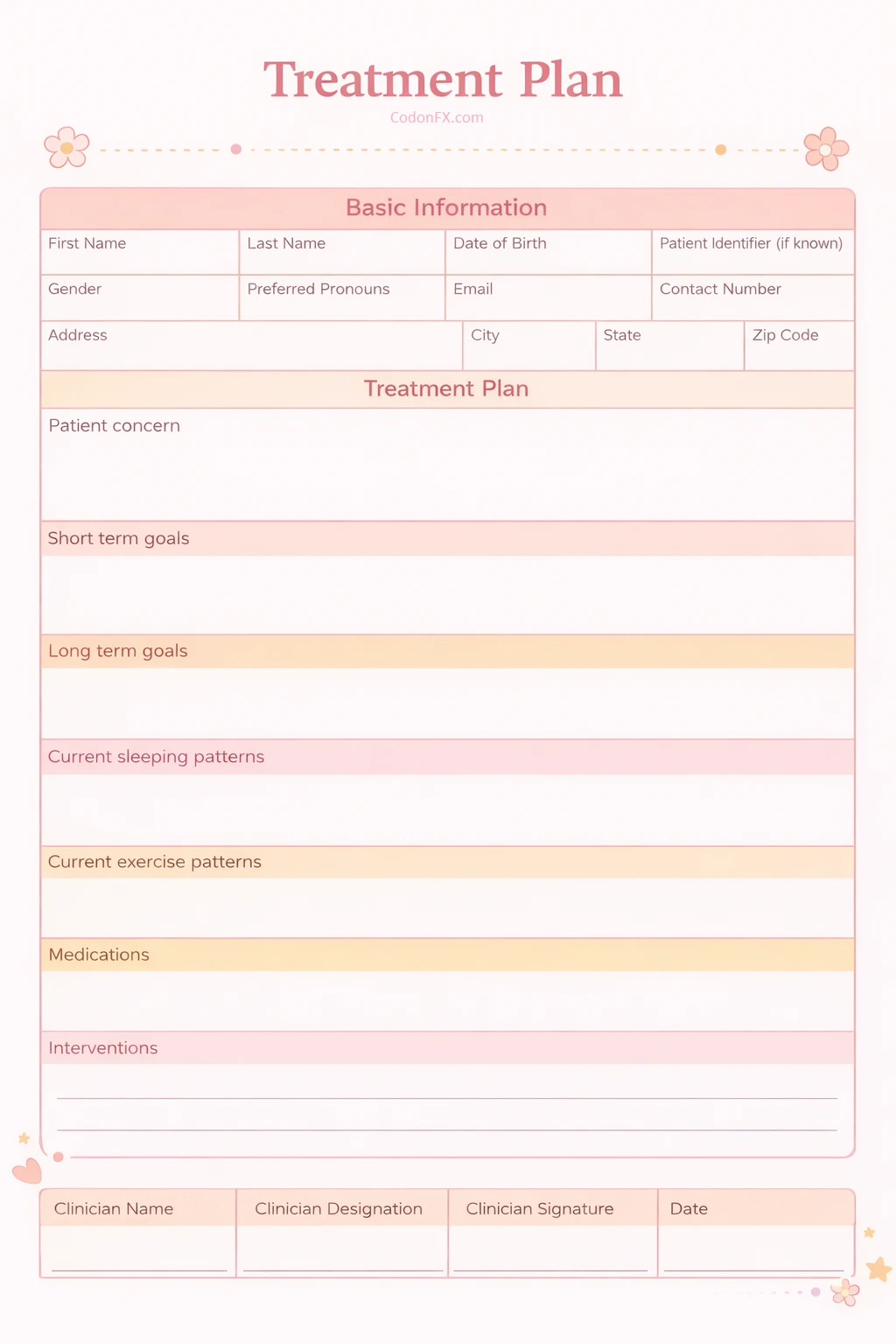
What is a Treatment Plan?
A treatment plan is a detailed document that outlines the steps and interventions necessary to effectively manage a health condition. It provides a roadmap for both the patient and healthcare provider, ensuring that everyone involved is clear on the goals and strategies to improve health outcomes.
This document serves as a central reference point for all parties involved, facilitating streamlined communication and promoting collaboration.
Why is a Treatment Plan Important?
A treatment plan is crucial for several reasons.
Patient Empowerment
Having a treatment plan in place empowers patients to take an active role in managing their health conditions. By clearly outlining the steps and interventions needed, patients gain a better understanding of their condition and the importance of following the prescribed treatment plan.
Improved Communication
A treatment plan serves as a central document that promotes communication between the patient and healthcare provider. It ensures that everyone is on the same page regarding goals, strategies, and progress tracking, leading to more effective and efficient care.
Accountability and Compliance
By establishing clear goals and strategies, a treatment plan holds both the patient and provider accountable for their roles in managing the health condition. This accountability helps improve patient compliance with prescribed treatments and interventions.
Optimal Health Outcomes
Ultimately, the primary goal of a treatment plan is to achieve optimal health outcomes for the patient. By providing a structured roadmap for healing and managing the health condition, a treatment plan increases the likelihood of positive outcomes and improved quality of life.
What to Include in a Treatment Plan?
When creating a treatment plan, it’s essential to include the following key components:
Diagnoses
The first step in creating a treatment plan is to clearly state the diagnoses of the health condition(s) being addressed. A thorough understanding of the condition is essential for developing effective strategies and interventions.
Goals
Specify measurable goals that the patient and provider are working towards. These goals should be realistic, achievable, and tailored to the individual needs and circumstances of the patient.
Strategies
Outline the specific interventions and treatments to be implemented to manage the health condition effectively. These strategies may include medication management, lifestyle modifications, therapy, or other interventions as needed.
Progress Tracking
Include a method for monitoring and tracking progress towards the goals outlined in the treatment plan. This may involve regular check-ins, assessments, lab tests, or other measures to evaluate the effectiveness of the interventions.
Communication Plan
Detail how communication between the patient and provider will be maintained throughout the treatment plan. Clear and open communication is essential for ensuring that both parties are informed and engaged in the management of the health condition.
How to Create an Effective Treatment Plan
Creating an effective treatment plan involves collaboration between the patient and healthcare provider. Here are some tips for successful treatment planning:
Set Clear Goals
Establish specific, measurable goals that both parties agree on. These goals should be realistic, achievable, and aligned with the patient’s preferences and values.
Involve the Patient
Ensure that the patient is actively involved in the decision-making process when creating the treatment plan. This involvement increases patient engagement and adherence to the prescribed interventions.
Regularly Review and Adjust
Continuously monitor progress and adjust the treatment plan as needed based on the patient’s response to interventions. Regular reviews help identify areas for improvement and ensure that the plan remains effective.
Provide Education
Educate the patient about their health condition, the importance of following the treatment plan, and how each intervention contributes to managing the condition. Knowledge empowers patients to take ownership of their health.
Ensure Accountability
Hold both the patient and provider accountable for their roles in the treatment plan. Establishing clear expectations and responsibilities helps ensure that everyone is actively engaged in managing the health condition.
Tips for Successful Treatment Planning
Here are some additional tips to ensure successful treatment planning:
Establish Trust and Open Communication
Building a trusting relationship with the healthcare provider and maintaining open communication can help ensure that the treatment plan is followed effectively. Trust and communication are key components of successful treatment outcomes.
Monitor Progress Regularly
Regularly tracking progress towards the goals outlined in the treatment plan allows for adjustments to be made as needed to improve outcomes. Monitoring progress helps identify areas for improvement and ensures that the plan remains effective.
Seek Feedback and Input
Encouraging feedback from the patient and incorporating their input into the treatment plan can help tailor interventions to meet their specific needs and preferences. Patient input ensures that the plan is personalized and effective.
Celebrate Achievements
Recognizing and celebrating milestones achieved along the way can help motivate the patient to continue following the treatment plan. Celebrating achievements boosts morale and reinforces the importance of adhering to the plan.
Stay Flexible
Stay open to making adjustments to the treatment plan based on the patient’s response to interventions and changes in their health condition. Flexibility allows for personalized care and ensures that the plan remains effective over time.
Free Treatment Plan Form Template
A Treatment Plan helps healthcare professionals organize patient care by clearly outlining goals, interventions, timelines, and progress measures. It supports consistent, coordinated treatment while improving communication among providers and ensuring patient-centered care. With a well-structured template, you can document plans accurately and deliver effective, organized treatment.
Download our Treatment Plan Template today to streamline care planning and support better patient outcomes with confidence.
Treatment Plan Template – DOWNLOAD
