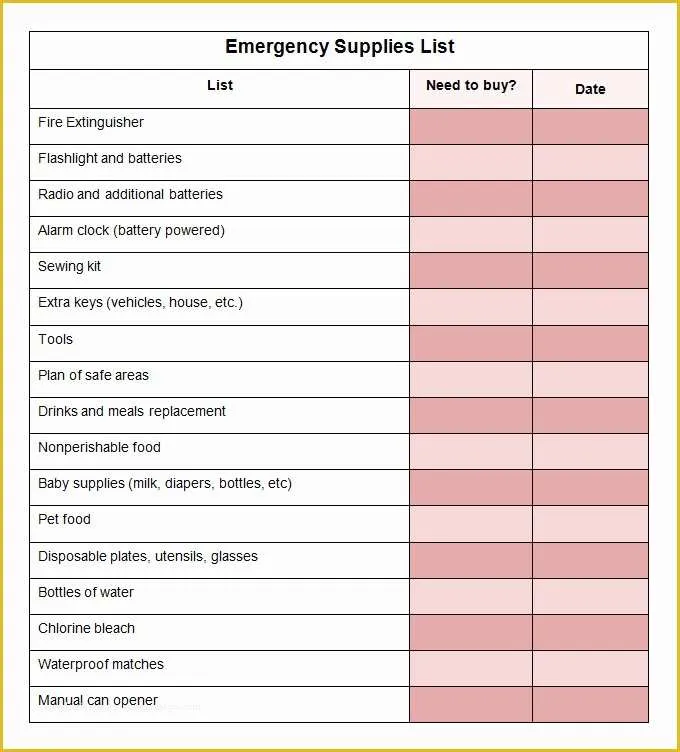
Are you tired of constantly running out of essential items during crucial activities or periods? Whether you are an individual planning a camping trip or an organization gearing up for a busy season, having a well-organized and comprehensive supply list can make all the difference.
In this guide, we will explore the importance of supply lists in promoting organization, efficiency, and cost control, as well as provide tips on how to create one that meets your specific needs.
What is a Supply List?
A supply list is a detailed inventory of items needed for a specific activity or period. It serves as a roadmap to ensure that individuals or organizations are well-equipped with the necessary resources to carry out their tasks efficiently.
By listing down all the essential items in advance, you can avoid unnecessary trips to the store, prevent last-minute scrambling, and ultimately save time and money.
Benefits of Using Supply Lists
Creating and using a supply list offers numerous benefits that can enhance your productivity and organization. One of the key advantages is that it helps you stay organized by providing a clear and comprehensive overview of all the items you need. This level of organization can streamline your processes and prevent you from overlooking essential items.
Additionally, supply lists promote efficiency by enabling you to complete tasks more quickly and effectively. With all the necessary items at your disposal, you can focus on the task at hand without having to pause and search for missing supplies. This efficiency can lead to improved productivity and a smoother workflow.
Another significant benefit of using supply lists is cost control. By planning and creating a detailed list of required items, you can avoid overbuying or purchasing unnecessary supplies. This strategic approach can help you stick to your budget and prevent wasteful spending on items that are not essential for the task or activity at hand.
Types of Supply Lists
Various types of supply lists cater to different needs and purposes. One common type is the inventory supply list, which is used to keep track of stock levels and ensure that a business or organization always has an adequate supply of essential items. This type of list is essential for inventory management and can help prevent stockouts and disruptions in operations.
Another type of supply list is the packing list, which is commonly used when preparing for trips or events. A packing list includes all the items that need to be packed for a specific journey or occasion, making it easier to ensure that nothing is forgotten. This type of list is especially helpful for travelers who want to pack efficiently and avoid leaving behind essential items.
What to Include in Your Supply List?
When creating a supply list, it’s essential to include various elements to make it comprehensive and effective. One crucial aspect is specifying the purpose of the list, which helps clarify the context and scope of the items included. Whether you are preparing for a camping trip, organizing an event, or stocking up for a project, clearly defining the purpose of the supply list is the first step in creating a tailored and useful inventory.
In addition to specifying the purpose, it’s important to list all the essential items needed for the activity or period. This includes everything from basic supplies like tools and equipment to specialized items that are crucial for the task at hand. By taking the time to identify and list down all the necessary items, you can ensure that you are well-prepared and equipped to tackle the task efficiently.
Quantity and specifications are other critical components to include in your supply list. Not only should you list the items required, but you should also specify the quantity needed for each item. This level of detail helps prevent shortages or overages and ensures that you have the right amount of supplies on hand. Additionally, if there are any specific requirements or specifications for certain items, such as size, color, or brand, make sure to include these details in your supply list.
Budget considerations are also an essential aspect of creating a supply list. Determine the overall budget for the supplies needed and prioritize items based on importance and affordability. By setting a budget and sticking to it, you can avoid overspending and make strategic decisions about which items to prioritize or invest in. Budgeting also helps you plan and allocate resources effectively, ensuring that you have the necessary funds to acquire all the items on your list.
How to Create an Effective Supply List
Creating an effective supply list involves a series of steps that can help you optimize your inventory and ensure you have all the necessary items on hand. One of the first steps is to assess your needs by evaluating the requirements of the activity or period for which you are creating the list. Consider the nature of the task, the duration of the activity, and any specific challenges or constraints that may impact your supply needs.
Once you have assessed your needs, make a comprehensive list of all the essential items required for the activity. Start by brainstorming and listing down all the items that come to mind, then refine and organize the list based on priority and relevance. Group similar items together to streamline the list and make it easier to identify and locate items when needed.
Consider storage and transportation when creating your supply list. Think about how the items will be stored, whether they require special packaging or handling, and how they will be transported to the location where they will be used. Choosing appropriate containers, packaging materials, and transport methods can help protect your supplies, prevent damage or loss, and ensure that everything arrives safely and intact.
Regularly updating your supply list is another key aspect of effective list management. Review the list periodically to reflect any changes in requirements, inventory levels, or budget considerations. As your needs evolve or new items become necessary, make sure to update the supply list accordingly to ensure it remains accurate and up-to-date. Regular updates help you stay organized and prepared for any upcoming activities or tasks.
Tips for Successful Supply List Management
To effectively manage your supply list and optimize its use, consider the following tips:
- Regularly review and update: Keep your supply list current by reviewing and updating it regularly to reflect any changes or additions.
- Stay organized: Keep your supplies neatly organized and easily accessible to avoid confusion and save time.
- Communicate with team members: If creating a supply list for an organization, communicate with team members to ensure everyone is on the same page.
- Track usage: Monitor the usage of supplies to identify any trends or patterns that can help optimize future supply lists.
- Be flexible: Be open to adjustments and modifications to the supply list based on feedback and changing requirements.
By following these tips and guidelines, you can create a well-equipped supply list that promotes organization, efficiency, and cost control. Whether you are planning a personal project, organizing an event, or managing inventory for a business, a comprehensive and detailed supply list can help you stay prepared and ensure that you have all the necessary resources at your disposal. Start creating your supply list today and experience the benefits of being well-equipped and organized in your activities.
Supply List Template – DOWNLOAD
