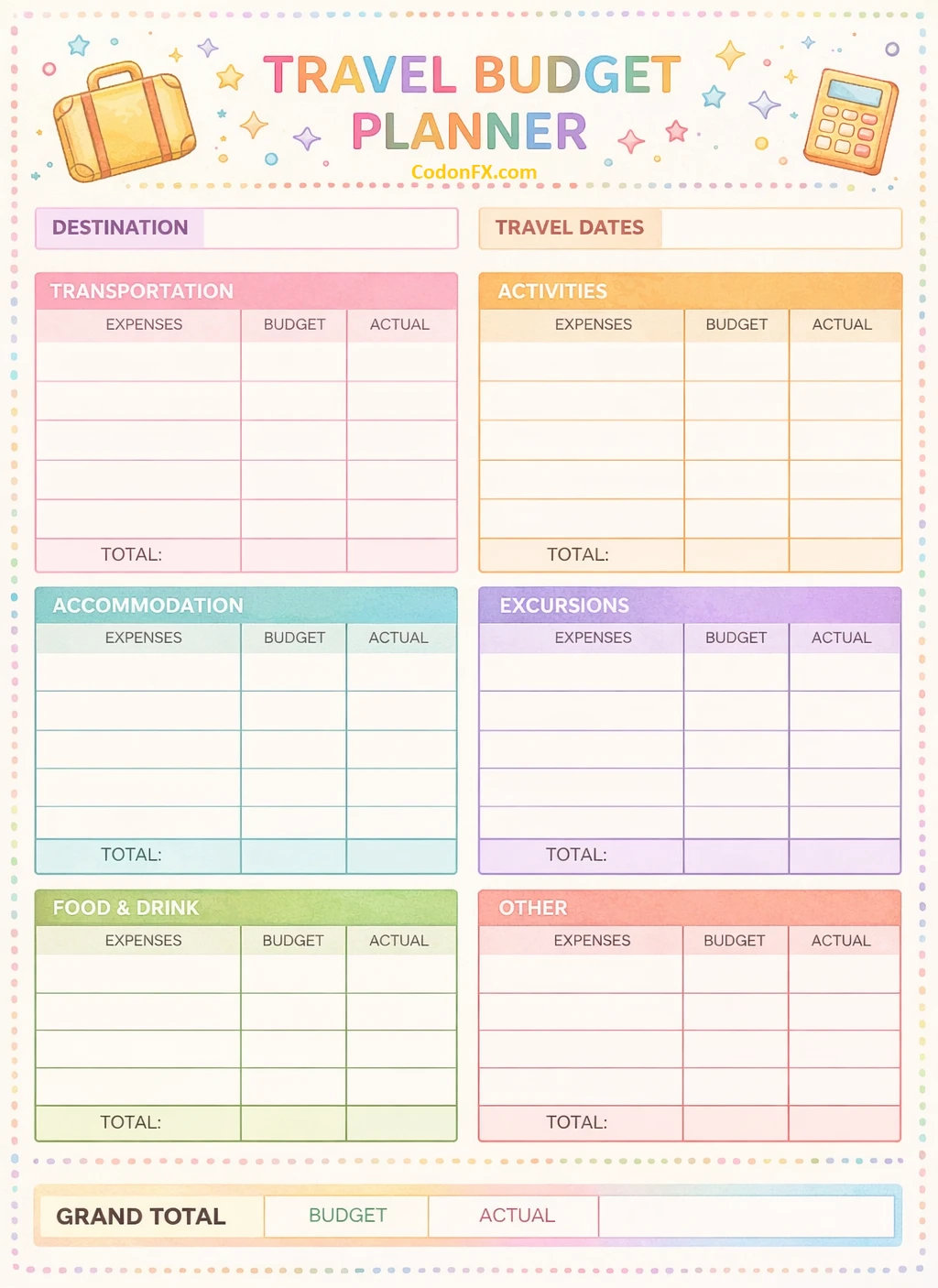
What is a Travel Budget?
Travel budgeting is the process of meticulously planning, managing, and tracking all expenses associated with your travel adventure. It serves as your financial blueprint, outlining where your money will go and ensuring that you stay within your financial boundaries.
A travel budget comprises various components, including transportation, accommodation, meals, activities, and unexpected expenses. By creating a detailed budget, you gain insight into your spending patterns and can make informed decisions to optimize your travel experience without financial strain.
Benefits of Creating a Travel Budget
There are numerous advantages to creating a travel budget, including:
- Financial Control. A travel budget enables you to take control of your finances, preventing impulsive spending and ensuring you stay within your means.
- Efficient Planning. By budgeting for each aspect of your trip, you can plan your itinerary more efficiently, maximizing your travel experiences.
- Reduced Stress. Knowing exactly how much you can spend helps alleviate financial stress, allowing you to focus on enjoying your journey.
- Improved Decision-Making. With a budget in place, you can make informed decisions about where to splurge and where to save, optimizing your travel budget.
Elements to Include in Your Travel Budget
When creating a travel budget, it’s essential to consider the following key elements:
- Transportation. Include costs for flights, train tickets, rental cars, or any other mode of transportation you may require during your trip.
- Accommodation. Budget for lodging expenses, whether you choose hotels, hostels, Airbnb, or other accommodation options.
- Meals and Dining. Allocate a budget for food expenses, including dining out, groceries, snacks, and drinks.
- Activities and Excursions. Plan for sightseeing tours, museum visits, adventure activities, and any other experiences you wish to partake in.
- Emergency Fund. Set aside a contingency fund for unexpected expenses, such as medical emergencies or last-minute changes to your plans.
Creating Your Travel Budget
Follow these detailed steps to create a comprehensive travel budget:
Assess Your Financial Situation
Before embarking on your travel budgeting journey, take a thorough look at your financial situation. Evaluate your income, savings, debts, and any other financial commitments you may have to determine how much you can realistically allocate toward your trip.
Set a Total Trip Budget
Decide on the total amount you are comfortable spending on your trip. Be realistic about your financial capabilities and consider all potential expenses, including transportation, accommodation, meals, activities, and souvenirs.
Break Down Expenses
Divide your total trip budget into categories based on your estimated expenses for transportation, accommodation, meals, activities, and emergencies. Assign a specific amount to each category to ensure you have a clear spending plan.
Research Costs
Research the average costs of flights, accommodation, meals, and activities at your destination. Consider seasonal variations, special events, and any discounts or promotions that may affect your budget. This research will help you set realistic budget limits for each category.
Monitor and Adjust
Once you are on your trip, keep track of your expenses diligently. Use a travel budgeting app or a simple spreadsheet to record all expenditures and compare them to your budgeted amounts. Adjust your spending as needed to stay within your financial limits and avoid overspending.
Keep Receipts and Records
Save all receipts and records of your expenses during your trip. This documentation will not only help you track your spending but also serve as proof of expenses for reimbursement or tax purposes. Organize your receipts by category to make it easier to reconcile your budget at the end of your trip.
Reflect on Your Spending
After you return from your trip, take the time to review your budget and actual expenses. Reflect on your spending habits, identify areas where you may have overspent or saved, and consider how you can improve your budgeting for future travels. This reflection will help you refine your budgeting skills and make more informed decisions in the future.
Tips for Successful Travel Budgeting
Enhance your travel budgeting prowess with these practical tips:
Research Discounts and Deals
Look for discounts on flights, accommodation, activities, and dining options. Many websites and apps offer exclusive deals for travelers, allowing you to save money without compromising on the quality of your experiences.
Utilize Budgeting Apps
Utilize budgeting apps and online tools to track your expenses in real-time. These apps can help you set spending limits, receive notifications for upcoming bills, and categorize your expenses for a clear overview of your financial situation.
Be Flexible with Your Budget
While having a budget is important, it’s equally essential to be flexible with your spending. Unexpected expenses or opportunities may arise during your trip, so allow room in your budget for adjustments without feeling constrained by rigid limits.
Avoid Impulse Buys
Stay true to your budget by avoiding impulse purchases. Before making a significant purchase, consider whether it aligns with your travel priorities and if it fits within your budget constraints. Planning and sticking to your budget will help you make more intentional spending decisions.
Seek Local Insights
Connect with locals or fellow travelers to gain insider tips on affordable dining options, free activities, and hidden gems at your destination. Locals often know the best-kept secrets that can save you money while enhancing your travel experience.
Plan Your Itinerary in Advance
Plan your travel itinerary early to take advantage of early booking discounts and off-peak rates. By planning ahead, you can secure affordable accommodations, activities, and transportation options, maximizing your budget and avoiding last-minute expenses.
Stay Informed about Exchange Rates
Keep yourself informed about exchange rates if you are traveling to a foreign country. Fluctuations in currency values can impact your budget, so staying updated will help you plan your expenses effectively and avoid unexpected costs due to currency fluctuations.
By mastering the art of travel budgeting, you can enhance your travel experiences, alleviate financial stress, and maximize your journey without overspending. With careful planning, tracking, and financial discipline, you can embark on memorable adventures that align with your budget and travel goals.
Travel Budget Template – DOWNLOAD
