Volunteering is a selfless act that involves giving back to the community without expecting anything in return. It’s a way for individuals to make a positive impact and contribute to causes they care about.
Volunteer certificates play a crucial role in acknowledging and appreciating the efforts of volunteers who dedicate their time and skills to help others. These certificates serve as a tangible symbol of recognition for the commitment and service of volunteers.
What is a Volunteer Certificate?
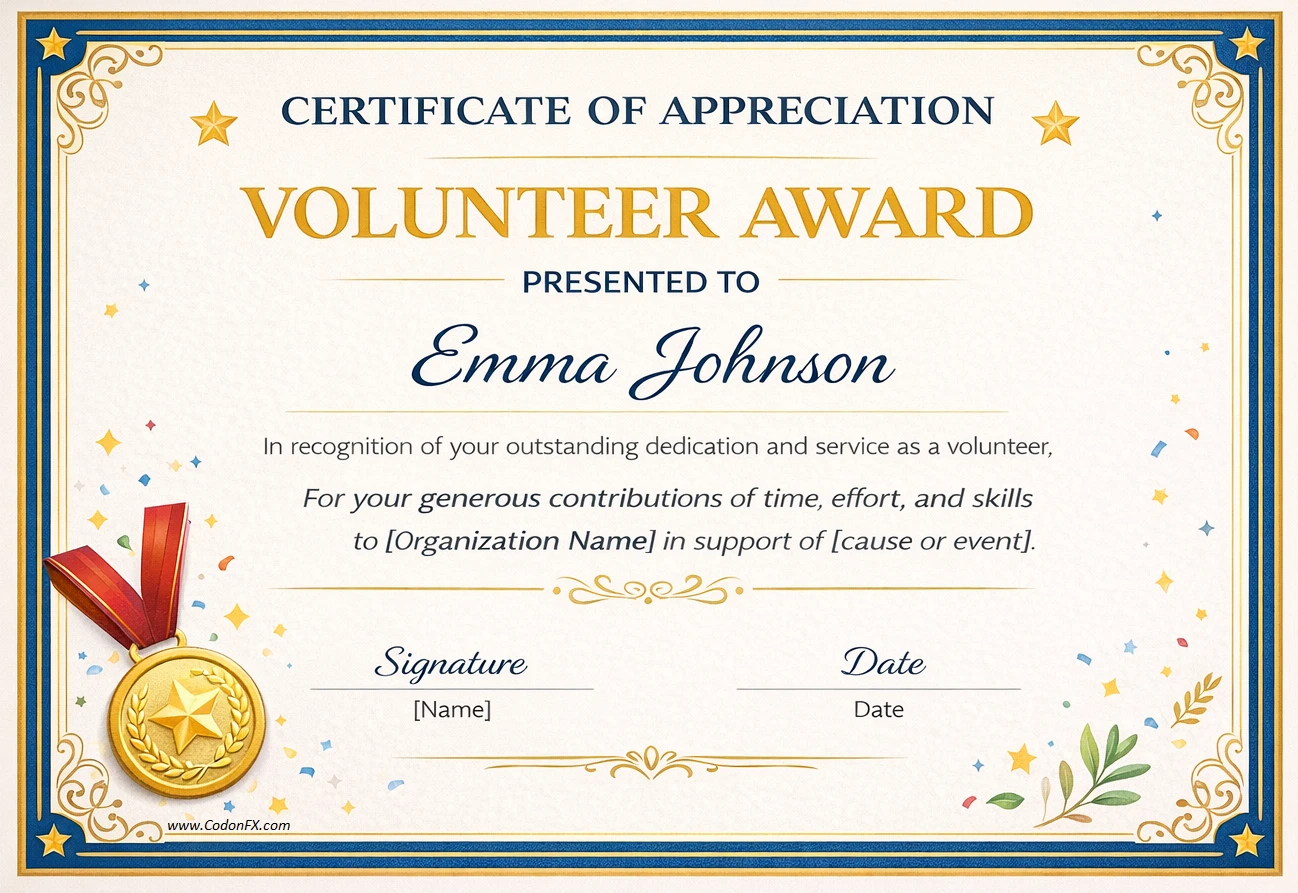
A volunteer certificate is a formal document that recognizes an individual’s voluntary service and contribution to a specific organization or cause. It serves as a testament to the time, effort, and skills that a volunteer has dedicated to making a difference in their community.
Volunteer certificates come in various designs and formats, but they all share the same purpose of honoring volunteers for their valuable contributions.
Why are Volunteer Certificates Important?
Volunteer certificates play a crucial role in the world of volunteering by providing formal recognition and appreciation for the efforts of volunteers. Here are some reasons why volunteer certificates are important:
Recognition and Appreciation
One of the primary reasons volunteer certificates are important is that they serve as a tangible symbol of recognition and appreciation for volunteers. Volunteer work is often done behind the scenes, without fanfare or publicity. A volunteer certificate acknowledges the hard work and dedication that volunteers put into their service, validating their contributions and showing gratitude for their efforts.
Recognition is a powerful motivator that can boost morale, increase self-esteem, and inspire volunteers to continue their service. By awarding volunteer certificates, organizations demonstrate that they value and respect the work of volunteers, fostering a positive relationship between volunteers and the organizations they serve.
Motivation and Inspiration
Another important aspect of volunteer certificates is their role in motivating and inspiring volunteers. Receiving a certificate for their service can be a source of pride and accomplishment for volunteers, validating their decision to volunteer and encouraging them to stay committed to their cause.
Volunteer certificates can serve as a tangible reminder of the impact that volunteers have on their communities. Knowing that their efforts are valued and appreciated can motivate volunteers to continue making a difference, even when faced with challenges or obstacles. Volunteer certificates can inspire volunteers to set new goals, take on leadership roles, and engage more deeply in their service activities.
Professional Development and Credibility
Volunteer certificates also play a role in the professional development of volunteers by providing them with a tangible recognition of their skills and experience. Including volunteer experience on a resume can showcase a candidate’s commitment to service, teamwork, and community engagement, making them stand out to potential employers.
Volunteer certificates add credibility to a volunteer’s resume by demonstrating that they have completed a specific program or service commitment. This can be particularly valuable for individuals who are looking to transition into a new career field, gain experience in a specific area, or enhance their leadership skills.
Community Engagement and Connection
Volunteer certificates help to strengthen the bond between volunteers and the organizations they serve. By publicly recognizing volunteers with certificates, organizations show that they value and appreciate the contributions of their volunteers, creating a sense of belonging and connection within the volunteer community.
Volunteers who receive certificates may feel a greater sense of connection to the organization and its mission, leading to increased engagement and continued involvement in service activities. Volunteer certificates can help to build a positive and supportive volunteer culture within an organization, fostering collaboration, camaraderie, and a shared sense of purpose among volunteers.
Retention and Long-Term Engagement
Recognizing volunteers with certificates can have a positive impact on volunteer retention rates and long-term engagement. Volunteers who feel valued and appreciated are more likely to continue their service and remain committed to the organization over time.
By awarding volunteer certificates, organizations can show that they recognize and celebrate the contributions of their volunteers, creating a culture of appreciation and respect. Volunteers who receive certificates may be more likely to return for future service opportunities, recruit others to volunteer, and become ambassadors for the organization in their communities.
Key Elements of a Volunteer Certificate
When designing a volunteer certificate, it’s important to include key elements that make it meaningful and memorable for the recipient. While the specific design and format of a volunteer certificate may vary depending on the organization or program, several essential components should be included:
Recipient’s Name
The recipient’s name is a crucial element of a volunteer certificate as it personalizes the document and makes it specific to the individual receiving the award. Including the volunteer’s name on the certificate shows that the organization values and recognizes their unique contributions and service.
By including the recipient’s name, the volunteer certificate becomes a personal memento that the recipient can cherish and display as a symbol of their commitment to service. Seeing their name on the certificate reinforces the volunteer’s sense of accomplishment and recognition, motivating them to continue their service and engage more deeply in their community.
Organization’s Name
Another essential component of a volunteer certificate is the organization’s name or logo. Including the name of the organization that is awarding the certificate helps to establish a connection between the volunteer and the organization, reinforcing the volunteer’s affiliation with the group and its mission.
The organization’s name on the certificate also serves as a reminder of the volunteer’s service and involvement with the organization, creating a sense of pride and belonging. Volunteers who receive certificates with the organization’s name prominently displayed may feel a greater sense of loyalty and commitment to the group, fostering long-term engagement and continued involvement.
Date of Award
The date of the award is an important element of a volunteer certificate as it signifies the specific occasion on which the certificate was presented to the volunteer. Including the date on the certificate makes it a commemorative keepsake that the recipient can look back on to remember the moment they were recognized for their service.
The date of the award also adds a sense of significance and importance to the certificate, marking it as a special milestone in the volunteer’s service journey. Volunteers who receive certificates with the date of award included may feel a sense of pride and accomplishment, knowing that their efforts were formally acknowledged and appreciated on a specific day.
Description of Service
A brief description of the volunteer’s service and contributions is an essential element of a volunteer certificate as it highlights the specific activities and impact of the volunteer’s work. Including a description of service on the certificate provides context and background for the recognition, explaining the volunteer’s role and the significance of their contributions.
The description of service can include details such as the volunteer’s duties, accomplishments, and impact on the organization or community. By highlighting the volunteer’s service in this way, the certificate becomes more than just a token of appreciation – it becomes a record of the volunteer’s contributions and a testament to their dedication and commitment.
Signature
Signatures of key individuals from the organization are another important element of a volunteer certificate as they add a personal touch and authenticity to the award. Including signatures on the certificate from individuals such as the volunteer coordinator, executive director, or board members shows that the recognition is official and endorsed by the organization’s leadership.
Signatures on a volunteer certificate also create a sense of connection between the volunteer and the organization, reinforcing the personal relationship and trust between the two parties. Volunteers who receive certificates with signatures may feel a greater sense of pride and validation, knowing that their efforts were acknowledged and appreciated by those in leadership positions.
By including these key elements in a volunteer certificate, organizations can create a meaningful and memorable token of recognition for their volunteers, reinforcing their commitment to service and strengthening their engagement with the organization.
How to Obtain a Volunteer Certificate
Obtaining a volunteer certificate is a rewarding experience that recognizes your dedication and service to a particular organization or cause. Here’s a step-by-step guide on how to obtain a volunteer certificate:
Complete Volunteer Service
The first step in obtaining a volunteer certificate is to fulfill the required hours or tasks as outlined by the organization. Make sure to actively participate in volunteer activities, meet the organization’s expectations, and demonstrate your commitment to service.
Volunteer certificates are typically awarded based on the completion of a certain number of hours or a specific milestone in terms of service. By actively engaging in volunteer work and fulfilling the organization’s requirements, you set yourself up for recognition with a certificate.
Request Certificate
Once you have completed your volunteer service and met the organization’s requirements, reach out to the organization’s volunteer coordinator or supervisor to request a certificate. Let them know that you have fulfilled the necessary criteria for receiving a certificate and express your interest in being recognized for your service.
It’s important to be proactive in requesting a volunteer certificate to ensure that your efforts are acknowledged and appreciated. Don’t hesitate to follow up with the organization if you haven’t received any information about the certificate awarding process.
Attend Certificate Ceremony
Many organizations award volunteer certificates at recognition events or ceremonies to publicly acknowledge the contributions of volunteers. If the organization hosts a certificate ceremony, make sure to attend the event to receive your certificate in person and be recognized for your service.
Certificate ceremonies provide an opportunity for volunteers to celebrate their achievements, connect with other volunteers, and show appreciation for their commitment to service. By attending the ceremony, you can share your success with others and feel proud of your contributions.
Show Appreciation
Upon receiving your volunteer certificate, take the time to express gratitude to the organization and individuals who awarded you the certificate. Send a thank-you note, email, or message to show your appreciation for the recognition and support you received throughout your volunteer service.
Showing appreciation for your volunteer certificate demonstrates your professionalism, gratitude, and commitment to service. It also strengthens your relationship with the organization and encourages continued engagement and involvement in future volunteer opportunities.
Tips for Successful Volunteer Certificate Programs
Implementing a successful volunteer certificate program can enhance the volunteer experience, boost morale, and increase retention rates among volunteers. Here are some tips for organizations looking to create an effective volunteer certificate program:
Personalize Certificates
Personalizing volunteer certificates with the recipient’s name and specific details about their service can make the award more meaningful and memorable. Consider including a personalized message or quote that highlights the volunteer’s unique contributions and achievements.
- Include the volunteer’s name on the certificate. Personalizing the certificate with the recipient’s name shows that the organization values and recognizes their individual contributions.
- Highlight specific details about the volunteer’s service. Include information about the volunteer’s duties, accomplishments, and impact on the organization or community to make the certificate more personal and meaningful.
Provide Timely Recognition
Awarding volunteer certificates promptly after the completion of volunteer service shows that the organization values and appreciates the volunteer’s efforts. Make sure to recognize volunteers promptly to maintain their enthusiasm and motivation for future service opportunities.
- Acknowledge volunteers promptly after they complete their service. Recognizing volunteers promptly shows that the organization values their contributions and encourages continued engagement.
- Consider hosting regular recognition events or ceremonies to award certificates. Providing timely recognition at events can create a sense of excitement and celebration among volunteers.
Host Recognition Events
Organizing recognition events or ceremonies to award volunteer certificates can create a sense of community, camaraderie, and celebration among volunteers. Consider hosting an annual volunteer appreciation event where volunteers can be recognized for their service and receive their certificates in a festive and supportive environment.
- Plan a recognition event to celebrate volunteers’ achievements. Hosting an event where volunteers can be publicly acknowledged and awarded certificates can boost morale and create a sense of accomplishment.
- Include activities, speeches, and award presentations in the event program. Creating a memorable and engaging event program can make the certificate awarding process more meaningful and impactful for volunteers.
Solicit Feedback
Seeking input from volunteers about the certificate program can help organizations improve the recognition process and make it more meaningful and effective. Encourage volunteers to provide feedback on the certificate design, awarding process, and overall experience to enhance the program for future volunteers.
- Survey volunteers to gather feedback on the certificate program. Asking volunteers about their experience with the certificate program can provide valuable insights for improving the recognition process and increasing volunteer satisfaction.
- Listen to volunteers’ suggestions and implement changes based on their feedback. Incorporating volunteers’ input into the certificate program can enhance the overall volunteer experience and make the recognition process more meaningful.
Encourage Continued Service
Using volunteer certificates as a way to motivate volunteers to stay engaged and continue their service can help organizations build a strong volunteer community and foster long-term relationships. Encourage volunteers to display their certificates proudly, share their achievements with others, and continue their service with a renewed sense of purpose and commitment.
- Encourage volunteers to display their certificates in a visible place. Prompting volunteers to showcase their certificates can create a sense of pride and accomplishment, inspiring others to get involved in volunteer service.
- Recognize and celebrate volunteers who reach significant milestones in their service. Acknowledging volunteers for their ongoing commitment and dedication can motivate them to continue making a difference in their communities.
By following these tips, organizations can create a successful volunteer certificate program that recognizes and appreciates the efforts of volunteers, motivates continued service, and strengthens the bond between volunteers and the organization.
Volunteer Certificate Template – DOWNLOAD
