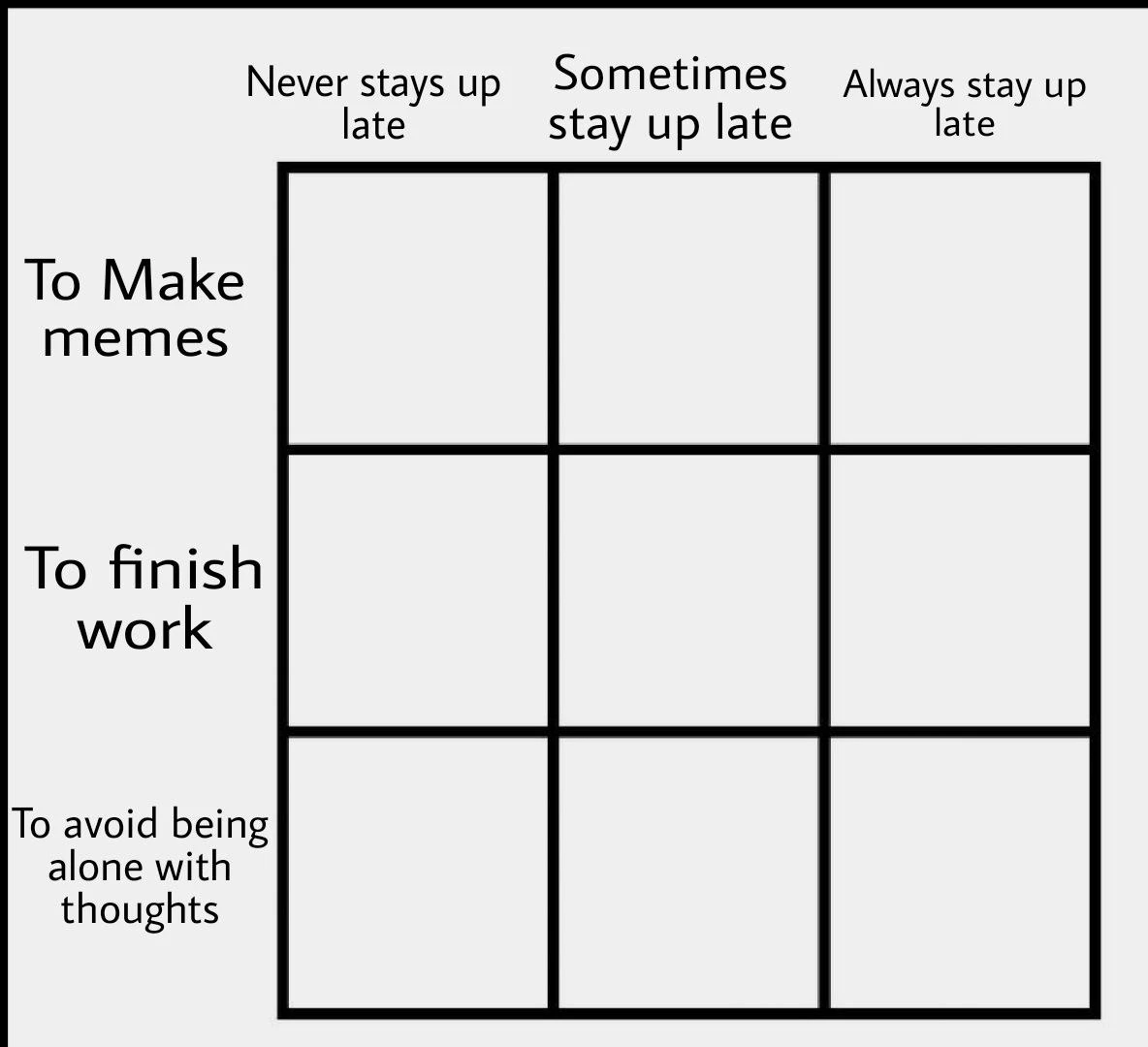
Alignment charts are powerful tools that can help individuals and organizations achieve greater clarity, efficiency, and collaboration. By understanding the objectives, identifying components, and choosing the right format, anyone can create an alignment chart that serves their specific needs.
Whether you’re working on a team project, managing a company, or simply trying to organize your thoughts, alignment charts can be a game-changer for staying focused and on track.
What is an Alignment Chart?
An alignment chart is a visual representation of how different elements, ideas, or entities relate to each other in terms of a specific goal or objective. It helps in mapping out the relationships between various components and ensuring that they are all working towards a common purpose.
Alignment charts are often used in strategic planning, project management, and decision-making processes to ensure that everyone involved is on the same page and moving in the right direction.
What are Alignment Charts Used For?
Alignment charts are used for a variety of purposes, including:
- Strategic Planning: Aligning different departments or teams towards a common goal.
- Project Management: Ensuring that all tasks and milestones are aligned with the project’s objectives.
- Decision-Making: Helping leaders make informed choices based on the alignment of various factors.
- Team Collaboration: Facilitating communication and coordination among team members.
How Exactly Do Alignment Charts Work?
Alignment charts work by visually representing the relationships between different elements through various axes or dimensions. These dimensions can be anything from importance and urgency to cost and benefit. By plotting these elements on a chart, you can quickly see how they align with each other and identify any gaps or inconsistencies that need to be addressed.
For example, in a business context, an alignment chart could help you prioritize projects based on their impact on revenue and customer satisfaction. By plotting each project on the chart, you can easily see which ones are most aligned with your business goals and focus your resources accordingly.
Benefits of an Alignment Chart
The benefits of using an alignment chart include:
- Clarity: Providing a clear visual representation of how different elements align with each other.
- Efficiency: Helping you prioritize tasks and allocate resources effectively.
- Collaboration: Facilitating communication and alignment among team members.
- Focus: Keeping everyone on the same page and working towards a common goal.
Applications of Alignment Charts
Alignment charts can be applied in various fields and industries, including:
- Business: For strategic planning, project management, and decision-making.
- Education: To help students understand complex concepts and relationships.
- Healthcare: For optimizing patient care and treatment plans.
- Marketing: To align marketing strategies with business objectives.
Conclusion
Alignment charts are valuable tools that can help individuals and organizations achieve clarity, efficiency, and collaboration in their work. By understanding how alignment charts work and applying them to your specific needs, you can streamline processes, improve decision-making, and enhance overall performance. Whether you’re a business leader, project manager, or student, alignment charts can be a valuable asset in helping you stay focused and on track towards your goals.
Alignment Chart Template – Free Download
