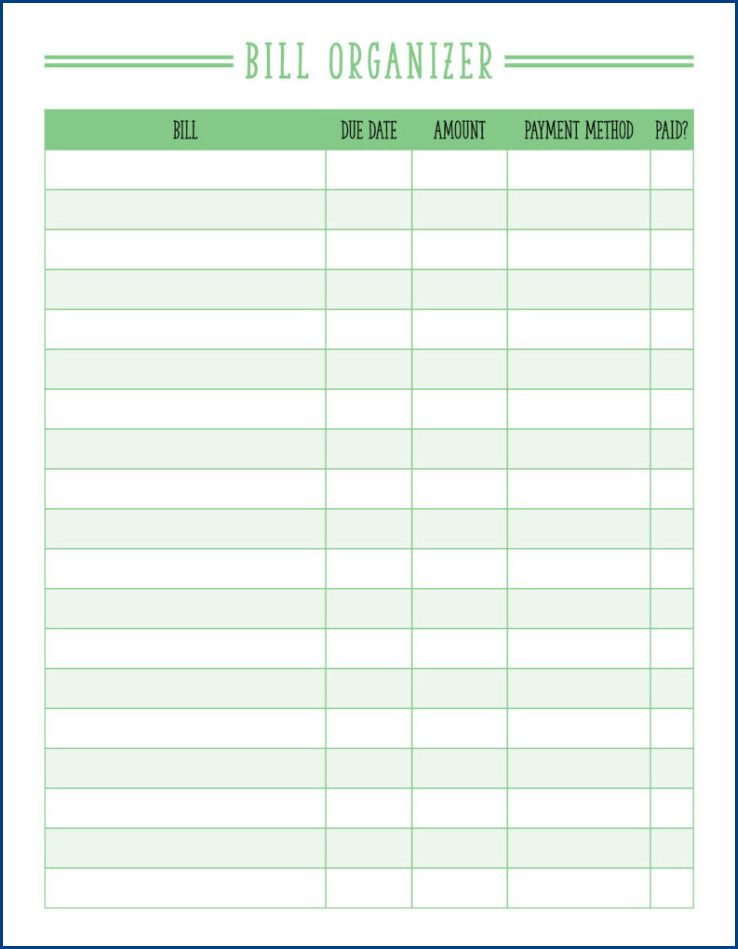
Keeping track of your bills can be a daunting task, especially when life gets busy and deadlines start to pile up. Late payments can lead to unnecessary fees and negatively impact your credit score. That’s where a bill tracker comes in handy.
A bill tracker is a financial management tool designed to monitor, organize, and track monthly expenses, due dates, and payment statuses to ensure bills are paid on time, prevent late fees, and aid in budgeting. It provides a comprehensive, at-a-glance overview of cash flow, helping users identify spending patterns, manage debt, and maintain financial stability.
What is a Bill Tracker?
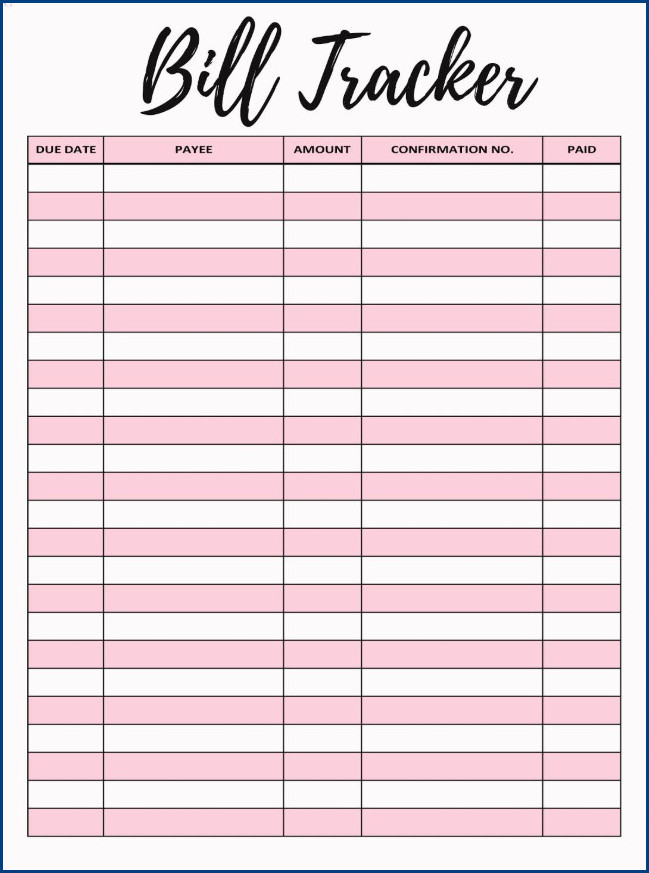
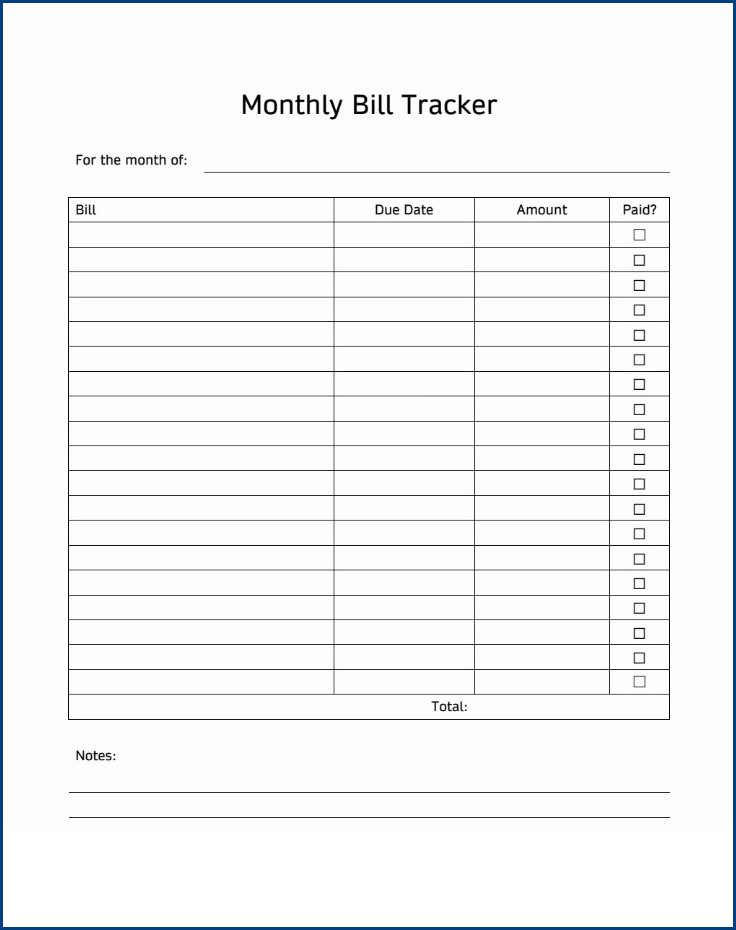
A bill tracker is a digital or physical tool that helps individuals or households keep track of their bills, due dates, and payment statuses. It allows users to input information about their recurring expenses, such as rent, utilities, credit card payments, and subscriptions.
The bill tracker then organizes this information in an easy-to-read format, providing users with a clear picture of their financial obligations for the month.
Benefits of Using a Bill Tracker
Using a bill tracker offers a range of benefits that can significantly impact your financial well-being. By staying organized and on top of your bills, you can avoid late fees, improve your budgeting, and maintain financial stability. Additionally, a bill tracker can help you identify spending patterns, manage debt effectively, and set financial goals for the future.
One of the primary benefits of using a bill tracker is the ability to prevent late fees. By tracking due dates and payment statuses, you can ensure that your bills are paid on time, eliminating the risk of incurring costly penalties that can add up over time. This proactive approach to bill management can save you money in the long run and help you maintain a healthy financial outlook.
Another advantage of a bill tracker is its role in improving budgeting. By providing a clear overview of your monthly expenses, a bill tracker allows you to allocate funds more effectively and make informed decisions about your spending habits. With all your bills in one place, you can see where your money is going and identify areas where you can cut back or save money.
Furthermore, a bill tracker can help you identify spending patterns that may be impacting your financial health. By tracking all your bills in one central location, you can analyze your expenses and identify any recurring costs that may be draining your finances. This insight can help you make necessary adjustments to your spending habits and work towards a more sustainable financial future.
Key Elements of a Bill Tracker
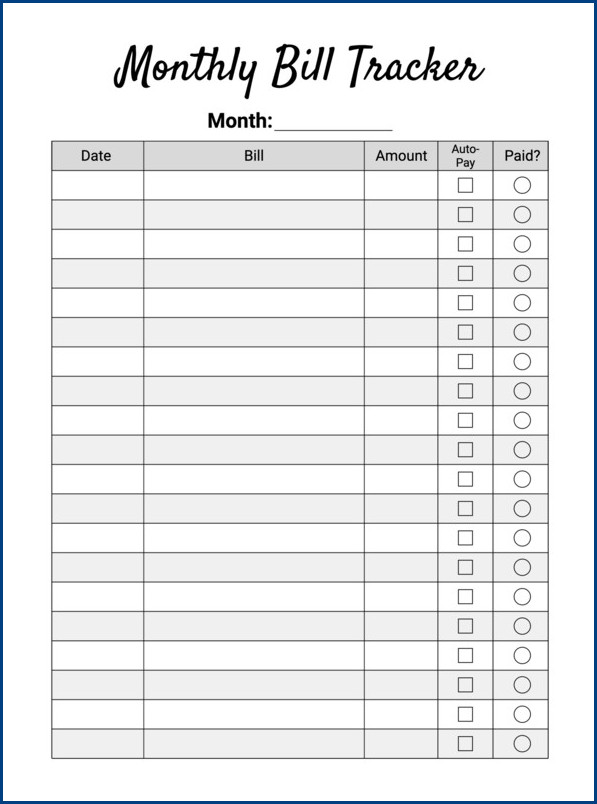
A bill tracker typically includes several key elements that are essential for effective bill management. Understanding these elements and how they work together can help you make the most out of your bill tracker and achieve your financial goals. Here are the key elements of a bill tracker:
Bill Name
The bill name is the title of the expense that you are tracking in your bill tracker. This could be the name of a utility provider, a credit card company, a subscription service, or any other recurring expense that you need to pay each month. By clearly labeling each bill with its name, you can easily identify and categorize your expenses for better organization.
For example, if you have a monthly electricity bill from your utility provider, you would enter “Electricity Bill” as the bill name in your tracker. This allows you to quickly identify the expense and differentiate it from other bills in your list.
Due Date
The due date is the deadline by which a bill needs to be paid in order to avoid late fees or penalties. This date is typically set by the biller and may vary depending on the type of expense. By tracking due dates in your bill tracker, you can prioritize the bills that need to be paid first and ensure that you meet all your payment deadlines.
It’s important to pay attention to due dates and plan your payments accordingly to avoid incurring late fees. By entering the due date for each bill in your tracker, you can stay organized and on top of your payment schedule.
Amount Due
The amount due is the total sum of money that you owe for a particular bill. This could include the cost of services provided, subscription fees, loan repayments, or any other charges associated with the expense. Tracking the amount due for each bill in your tracker can help you budget effectively and allocate funds accordingly.
Knowing the amount due for each bill allows you to plan your expenses and ensure that you have enough funds available to cover all your financial obligations. By monitoring the amount due in your bill tracker, you can avoid overspending and prioritize your payments based on the urgency of each bill.
Payment Status
The payment status indicates whether a bill has been paid, is pending, or is overdue. This essential element of a bill tracker allows you to track the progress of your payments and ensure that all your bills are up to date. By updating the payment status regularly, you can stay informed about your financial obligations and take action where necessary.
For example, if you have paid your electricity bill on time, you would mark the payment status as “Paid” in your tracker. If a bill is pending, you may label it as “Pending” until the payment is processed. And if a bill is overdue, you would mark it as “Overdue” to indicate that immediate action is required.
Notes
Notes are additional details or reminders that you can include with each bill in your tracker. This section allows you to add any relevant information about the bill, such as account numbers, payment methods, or special instructions from the biller. By including notes in your bill tracker, you can keep all the relevant information in one place for easy reference.
For instance, if your credit card bill has a promotional interest rate that will expire next month, you could add a note in your tracker to remind you to review the new terms and conditions. Notes can serve as helpful reminders and ensure that you stay informed about any changes or updates related to your bills.
How to Use a Bill Tracker
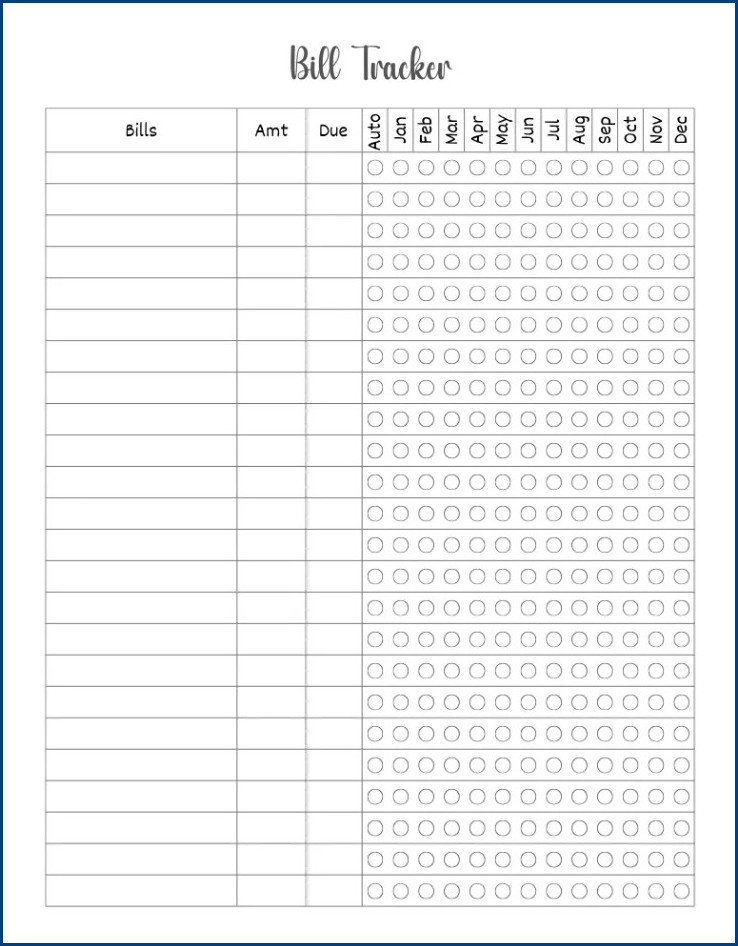
Using a bill tracker effectively involves implementing a few key strategies to help you stay organized and on top of your finances. By following these tips and best practices, you can make the most out of your bill tracker and achieve your financial goals. Here’s how to use a bill tracker:
Enter Your Bills
The first step in using a bill tracker is to enter all your bills into the system. Make sure to include the bill name, due date, amount due, payment status, and any additional notes for each expense. This comprehensive list of bills will serve as the foundation of your bill tracking system and provide you with a clear overview of your financial obligations.
Take the time to input all your recurring expenses, including rent or mortgage payments, utilities, insurance premiums, loan repayments, and subscriptions. By including every bill in your tracker, you can ensure that your financial information is accurate and up to date.
Set Reminders
One of the key features of a bill tracker is the ability to set up reminders for upcoming due dates. Take advantage of this functionality by configuring notifications for each bill based on its payment deadline. These reminders can help you stay on track with your payments and avoid missing any deadlines.
Consider setting reminders for a few days before the due date to give yourself ample time to make the payment. You can choose to receive notifications via email, text message, or through the bill tracker app to ensure that you never overlook a payment deadline.
Track Payments
As you make payments towards your bills, be sure to update the payment status in your bill tracker. Mark each bill as “Paid” once the payment has been processed to maintain an accurate record of your financial transactions. Updating the payment status regularly will help you track your progress and stay organized.
Keep an eye on any pending bills or those that are overdue and take immediate action to address them. By staying on top of your payment statuses, you can avoid late fees and maintain a positive credit history.
Analyze Your Spending
Use the information provided by your bill tracker to analyze your spending patterns and identify areas where you can make improvements. Reviewing your expenses can help you understand where your money is going each month and identify any unnecessary or excessive spending. Look for patterns or trends in your bills, such as high utility costs or recurring subscription fees, and consider ways to reduce these expenses.
By analyzing your spending habits, you can make informed decisions about where to cut back and save money. For example, if you notice that you are spending a significant amount on dining out each month, you may decide to cook more meals at home to reduce your food expenses. Use the insights from your bill tracker to create a more efficient and cost-effective budget.
Adjust Your Budget
Based on the information provided by your bill tracker, make adjustments to your budget as needed. Use the data from your tracker to reallocate funds, prioritize expenses, and set financial goals. If you find that certain bills are taking up a large portion of your income, look for ways to reduce these costs or find alternative solutions.
Consider creating a budgeting plan that aligns with your financial goals and priorities. Use the insights from your bill tracker to set realistic targets for saving, investing, or paying off debt. By adjusting your budget to reflect your current financial situation, you can make better decisions about how to manage your money effectively.
Tips for Using a Bill Tracker Effectively
Here are some additional tips to help you maximize the benefits of using a bill tracker and improve your financial management:
Update Regularly
Make it a habit to update your bill tracker regularly to ensure that the information is accurate and up to date. Set aside time each week or month to review your bills, payments, and expenses, and make any necessary adjustments. By keeping your tracker current, you can stay on top of your financial obligations and avoid missing any deadlines.
Use Categories
Group your bills into categories to better organize your expenses and streamline your bill tracking process. Create categories such as utilities, subscriptions, loans, and insurance to categorize your bills based on their type or purpose. This categorization can help you quickly identify and prioritize your expenses for better financial management.
Set Goals
Use your bill tracker to set financial goals and track your progress over time. Whether you want to pay off debt, save for a major purchase, or build an emergency fund, setting clear objectives can help you stay motivated and focused on your financial journey. Use the data from your tracker to measure your progress and celebrate your achievements along the way.
Automate Payments
Consider setting up automatic payments for recurring bills to streamline your bill payment process and avoid missing due dates. Many billers and financial institutions offer automatic payment options that deduct the amount due directly from your bank account on the specified date. By automating your payments, you can ensure that your bills are paid on time without the need for manual intervention.
Review Regularly
Take time each month to review your bills and expenses and make any necessary adjustments to your budget. Use the insights from your bill tracker to identify areas where you can cut back or save money, and look for opportunities to improve your financial habits. Regularly reviewing your bills can help you stay on track with your financial goals and make informed decisions about your spending.
Stay Organized
Keep all your financial documents and information organized in one central location to make bill tracking easier and more efficient. Create a dedicated folder or digital file for your bills, receipts, and payment records to ensure that everything is easily accessible when you need it. By staying organized, you can streamline your bill management process and avoid overlooking any important details.
Seek Professional Help
If you find it challenging to manage your bills and expenses on your own, consider seeking help from a financial advisor or credit counselor. These professionals can provide personalized advice and guidance on how to improve your financial management skills and achieve your financial goals. They can help you create a tailored budget, set realistic targets, and develop a plan for long-term financial success.
Practice Patience
Remember that financial management is a journey, and it’s okay to make mistakes along the way. Practice patience and persistence as you work towards improving your financial habits and achieving your goals. Stay committed to using your bill tracker consistently and making informed decisions about your money. With time and effort, you can build a solid financial foundation and secure your financial future.
By following these tips and best practices, you can make the most out of your bill tracker and take control of your finances. Whether you’re looking to avoid late fees, improve budgeting, or achieve long-term financial stability, a bill tracker can be a valuable tool in helping you reach your goals. Start using a bill tracker today and see the positive impact it can have on your financial well-being.
