Accounting is the backbone of any successful business. It involves the systematic recording, reporting, and analysis of financial transactions to provide insights into the financial health and performance of a company. One crucial component of the accounting process is the accounting ledger, which serves as the foundation for financial reporting and analysis.
In this article, we will explore the significance of an accounting ledger, its role in financial management, and how to effectively maintain one for your business.
What is an Accounting Ledger?
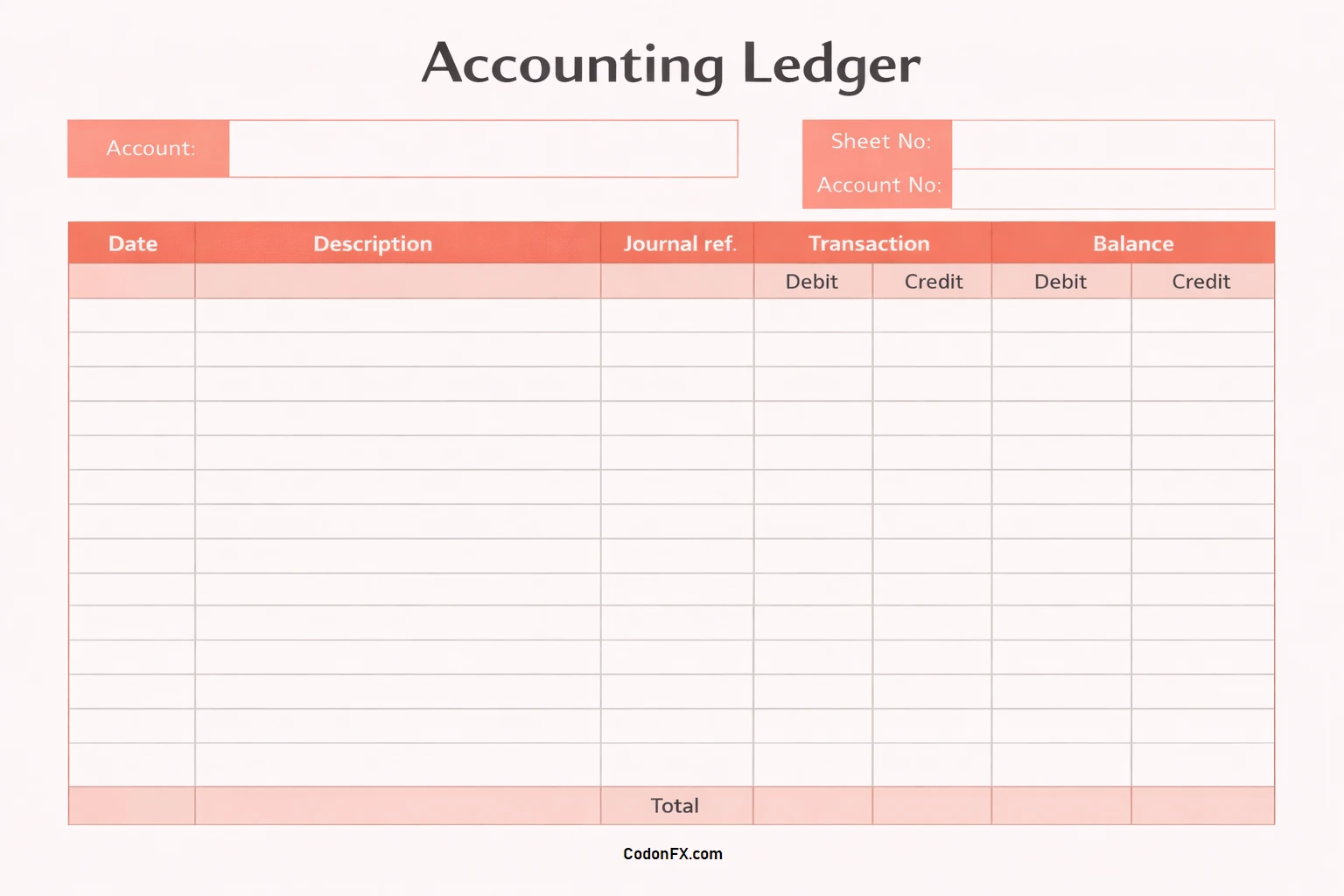
An accounting ledger is a book or electronic document that contains a comprehensive and organized record of all financial transactions undertaken by a business. It serves as a central repository for financial data, ensuring accuracy and facilitating the preparation of financial statements like the income statement, balance sheet, and cash flow statement.
Traditionally, an accounting ledger was a physical book where transactions were manually recorded. However, with the advent of technology, most businesses now use accounting software to maintain their ledgers electronically.
Why Do You Need It?
The accounting ledger plays a vital role in the financial management of a business for the following reasons:
- Accuracy: By recording all financial transactions in one central location, the ledger helps ensure the accuracy of financial data.
- Organization: The ledger organizes financial information in a systematic manner, making it easier to track and analyze.
- Financial Reporting: The ledger forms the basis for preparing essential financial statements, such as the income statement, balance sheet, and cash flow statement.
- Analysis: With all financial data in one place, businesses can analyze their performance, identify trends, and make informed decisions.
The Difference Between a Journal And a Ledger
Before delving into the specifics of an accounting ledger, it’s essential to understand the distinction between a journal and a ledger. While both are used in the accounting process, they serve different purposes.
A journal is where transactions are initially recorded in chronological order. It provides a detailed account of each transaction, including the date, description, and amounts involved. On the other hand, a ledger is a summary of all transactions grouped by accounts. It consolidates the information from the journal into specific categories, such as assets, liabilities, equity, revenues, and expenses.
5 types of accounts found in an accounting ledger
Accounts in an accounting ledger are categorized into five main types:
- Asset Accounts: These accounts represent the resources owned by a business, such as cash, inventory, equipment, and property.
- Liability Accounts: These accounts reflect the obligations of a business, such as loans, accounts payable, and accrued expenses.
- Equity Accounts: Equity accounts represent the ownership interest in a business, including capital contributed by owners and retained earnings.
- Revenue Accounts: Revenue accounts track the income generated by a business from its primary activities, such as sales and services.
- Expense Accounts: Expense accounts record the costs incurred in running a business, such as salaries, rent, utilities, and supplies.
The Role of the Accounting Ledger
The accounting ledger performs several crucial functions in business finance:
- Record-Keeping: It maintains a detailed record of all financial transactions, providing a clear audit trail.
- Financial Reporting: The ledger serves as the source of data for preparing financial statements that communicate the financial position and performance of a business.
- Analysis: By organizing financial information into categories, the ledger enables businesses to analyze their financial health and make informed decisions.
How to Write a Ledger
Writing a ledger involves the following steps:
- Identify Transactions: Record all financial transactions as they occur, including the date, description, and amounts involved.
- Classify Transactions: Group transactions into appropriate accounts, such as assets, liabilities, equity, revenues, and expenses.
- Post to Ledger Accounts: Transfer the summarized transaction information from the journal to the corresponding ledger accounts.
- Balance Accounts: Calculate the balance of each account by totaling the debits and credits to ensure accuracy.
- Prepare Financial Statements: Use the information in the ledger to create essential financial reports, including the income statement, balance sheet, and cash flow statement.
Accounting Ledger Template – Download
