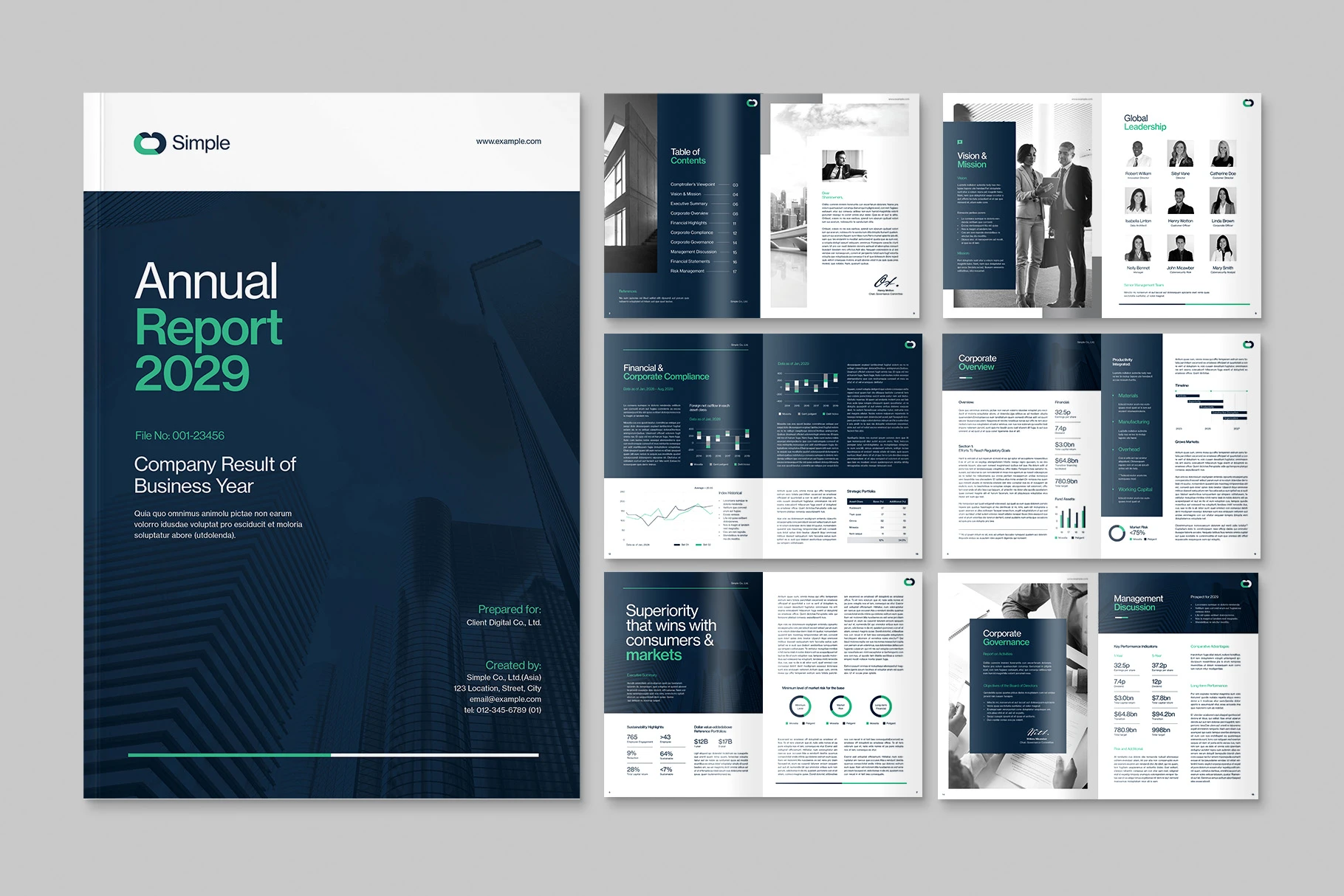
Annual reports are comprehensive documents designed to provide readers with information about a company’s performance in the preceding year. These reports serve as a crucial tool for investors, stakeholders, and the general public to gain insights into a company’s financial health, strategic direction, and overall performance.
In this article, we will delve into the significance of annual reports, their contents, and who uses them.
What is an Annual Report?
An annual report is a detailed document that companies publish on a yearly basis to provide a comprehensive overview of their financial performance, operations, and strategic initiatives.
These reports typically include a range of information, such as financial statements, management’s discussion and analysis, corporate governance practices, and future outlook.
Why are Annual Reports Important?
Annual reports play a critical role in enhancing transparency and accountability in corporate governance. They offer stakeholders, including investors, employees, customers, and regulatory authorities, a clear understanding of a company’s operations, financial position, and prospects.
By providing a detailed analysis of performance metrics and strategic goals, annual reports help stakeholders make informed decisions about their engagement with the company.
What Does an Annual Report Contain?
An annual report typically includes the following key components:
- Letter from the CEO: A message from the company’s chief executive officer highlighting key achievements and challenges faced during the year.
- Financial Information: Detailed financial statements, including balance sheets, income statements, and cash flow statements.
- Performance Highlights: A summary of the company’s key accomplishments and milestones over the past year.
- Corporate Governance Practices: Information about the company’s board of directors, executive compensation, and corporate social responsibility initiatives.
- Objectives and Goals: Strategic priorities and future objectives that the company aims to achieve in the coming years.
Who Uses Annual Reports?
Annual reports are utilized by a wide range of stakeholders, including:
- Investors: Shareholders and potential investors use annual reports to assess a company’s financial health and performance before making investment decisions.
- Employees: Staff members refer to annual reports to understand the company’s strategic direction, performance goals, and overall business outlook.
- Regulatory Authorities: Government agencies and regulatory bodies require companies to file annual reports to ensure compliance with financial reporting standards.
- Customers: Consumers may review annual reports to evaluate a company’s stability, reputation, and commitment to corporate social responsibility.
- Competitors: Rival companies may analyze annual reports to benchmark their own performance against industry peers and identify areas for improvement.
When Should Annual Reports Be Filed?
Companies are typically required to file their annual reports within a specified timeframe set by regulatory authorities. The filing deadline varies depending on the jurisdiction and the company’s corporate structure. Businesses need to adhere to these deadlines to maintain transparency and compliance with regulatory requirements.
Annual Report Template – Word
