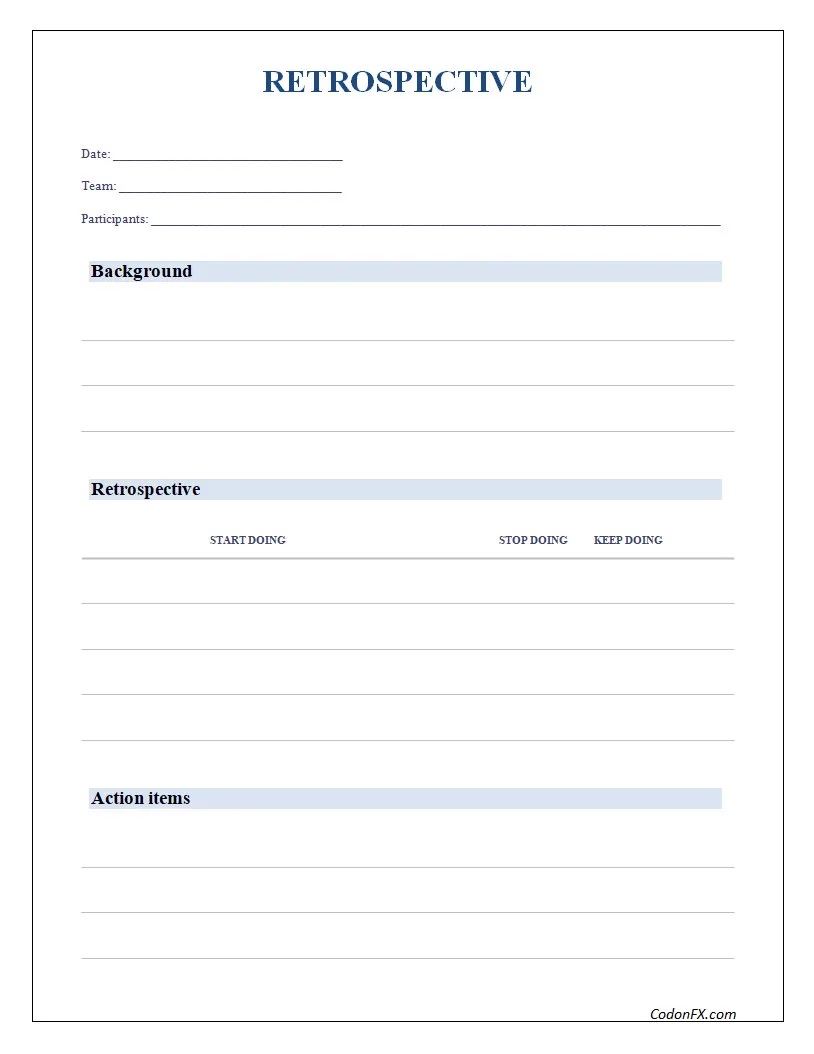
What is a Sprint Retrospective?
A sprint retrospective, also referred to as an Agile retrospective, is a crucial meeting that takes place at the end of each sprint cycle in Agile development. It serves as a dedicated time for the team to come together and reflect on their performance during the sprint.
The retrospective allows team members to discuss what went well, what could have been improved, and what actions can be taken to enhance their performance in future sprints.
Why is Sprint Retrospective Important?
The sprint retrospective holds significant importance in Agile development for several reasons:
Encourages Reflection and Learning
One of the key reasons why sprint retrospectives are important is that they encourage team members to reflect on their performance and learn from their experiences. By taking the time to review what worked well and what could have been done differently, teams can gain valuable insights that inform their future actions.
Promotes Continuous Improvement
Another crucial aspect of sprint retrospectives is their role in promoting continuous improvement within the team. By identifying areas for enhancement and implementing changes based on feedback, teams can evolve and grow over time, leading to increased efficiency and effectiveness.
Fosters Accountability and Ownership
Sprint retrospectives also play a key role in fostering accountability and ownership among team members. By openly discussing successes and failures, team members take responsibility for their actions and outcomes, leading to a more empowered and motivated team.
Builds Trust and Collaboration
Through transparent communication and constructive feedback, sprint retrospectives help build trust and collaboration within the team. By creating a safe space for honest discussions, team members can address issues openly and work together towards common goals.
Drives Quality and Innovation
Lastly, sprint retrospectives contribute to driving quality and innovation within the team. By continuously evaluating their processes and seeking ways to improve, teams can deliver higher-quality work and foster a culture of innovation and excellence.
What to Include in a Sprint Retrospective?
When conducting a sprint retrospective, it is essential to include certain key components to ensure a comprehensive and productive discussion:
Review of the Sprint
Start the retrospective by reviewing the goals, objectives, and outcomes of the previous sprint. This step helps team members align on what was expected and what was achieved during the sprint.
Discussion of What Went Well
Encourage team members to share their successes, achievements, and positive experiences from the sprint. Celebrating wins and acknowledging accomplishments helps boost morale and motivation within the team.
Identification of Issues
Discuss any challenges, obstacles, or issues that arose during the sprint. Identifying and acknowledging these issues is the first step towards finding solutions and making improvements in the future.
Proposing Solutions
Brainstorm solutions, improvements, and actionable steps that can address the issues identified during the retrospective. Encourage all team members to contribute ideas and collaborate on finding effective solutions.
Action Items
Create a list of specific action items that need to be implemented in the upcoming sprint to address the identified issues and improve team performance. Assign accountability for each action item to ensure follow-through and execution.
How to Conduct a Sprint Retrospective?
Conducting a sprint retrospective effectively requires careful planning, facilitation, and follow-up. Here are some tips for successfully conducting a sprint retrospective:
Set the Stage
Begin the retrospective by setting the stage and establishing a positive and collaborative atmosphere. Emphasize the importance of open communication, active participation, and mutual respect among team members.
Facilitate Constructive Discussions
As the facilitator of the retrospective, ensure that discussions remain constructive, focused, and inclusive. Encourage all team members to share their perspectives, listen actively to each other, and avoid blame or judgment.
Encourage Feedback and Reflection
Encourage team members to provide honest feedback, reflect on their individual and collective performance, and share insights on what worked well and what could be improved. Create a culture of learning and growth within the team.
Document Action Items
Document all action items, decisions, and insights that emerge during the retrospective. Assign responsibilities for implementing action items, set deadlines, and track progress to ensure that proposed solutions are executed effectively.
Follow Up and Iterate
After the retrospective, follow up on the action items and monitor progress towards implementing the proposed solutions. Use feedback from previous retrospectives to iterate and improve the process for future meetings.
Celebrate Achievements
Don’t forget to celebrate the achievements and successes of the team during the retrospective. Recognize individual contributions, acknowledge progress made, and motivate team members to continue striving for excellence.
Keep it Consistent
Make sprint retrospectives a consistent and integral part of your Agile development process. Regularly schedule retrospectives at the end of each sprint to maintain momentum, foster continuous improvement, and build a culture of reflection and adaptation within the team.
Sprint Retrospective Template – DOWNLOAD
