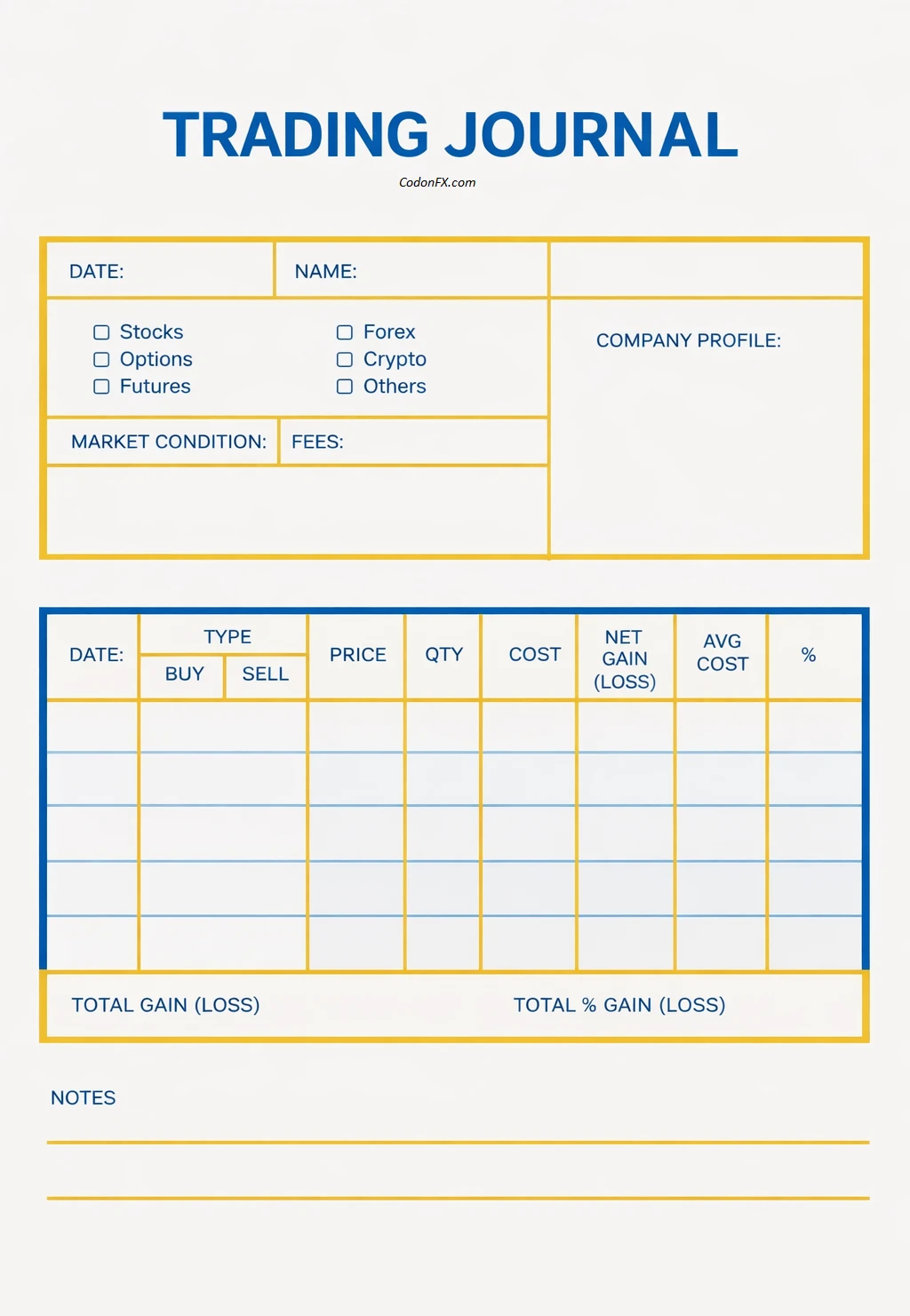
What is a Trading Journal?
A trading journal is a crucial tool for traders to track their performance, analyze past trades, and improve future strategies. It is a detailed record of every trade a trader makes, including entry and exit points, outcomes, emotions, and other relevant information.
By keeping a comprehensive trading journal, traders can gain insights into their trading behavior, identify patterns, and make data-driven decisions for their future trades.
Why is a Trading Journal Important?
A trading journal is important for several reasons, as it provides numerous benefits that can significantly impact a trader’s performance and profitability.
Track Performance
One of the primary reasons a trading journal is important is its ability to track performance accurately. By recording every trade in detail, traders can measure their success, identify trends, and assess their overall performance over time. Tracking performance is essential for setting goals, evaluating progress, and making data-driven decisions.
Analyze Past Trades
Another crucial aspect of a trading journal is its role in analyzing past trades. By reviewing previous trades, traders can gain valuable insights into their trading behavior, decision-making process, and overall performance. Analyzing past trades helps traders identify strengths, weaknesses, and areas for improvement, leading to more informed trading decisions in the future.
Improve Future Strategies
One of the key benefits of a trading journal is its ability to help traders improve their future strategies. By documenting trade details, outcomes, and emotions, traders can learn from their experiences and make necessary adjustments to their approach. This process of continuous improvement is essential for developing as a trader and increasing the likelihood of success in the markets.
Key Elements of a Trading Journal
When creating a trading journal, there are several key elements that traders should include to ensure its effectiveness and usefulness.
Date and Time
Recording the date and time of each trade is essential for tracking the timing of trades and identifying any patterns related to specific times of day or market conditions. This information can help traders optimize their trading schedules and capitalize on favorable trading opportunities.
Entry and Exit Points
Noting the entry and exit points for each trade is crucial for evaluating the effectiveness of trading decisions. By documenting these points, traders can analyze their entry and exit strategies, assess the timing of their trades, and make adjustments to improve their overall performance.
Trade Size
Recording the size of each trade is vital for monitoring risk management and assessing the impact of trade size on overall profitability. By documenting trade sizes, traders can evaluate their risk-reward ratio, adjust position sizes accordingly, and optimize their trading strategy to achieve better results.
Outcome
Documenting the outcome of each trade, whether it resulted in a profit or loss, is essential for measuring trading performance and evaluating the effectiveness of trading strategies. By recording trade outcomes, traders can identify winning and losing trades, assess their success rate, and make data-driven decisions based on historical results.
Emotions
Reflecting on emotions during trades is a critical element of a trading journal. Emotions can significantly impact trading decisions, so traders need to document their feelings, reactions, and mental state during each trade. By analyzing emotional responses, traders can develop emotional discipline, avoid impulsive decisions, and improve their overall trading mindset.
How to Create a Trading Journal
Creating a trading journal is a straightforward process that requires careful planning and consistent record-keeping. Follow these steps to create a comprehensive trading journal that meets your needs and helps you achieve your trading goals.
Choose a Format
Decide on the format of your trading journal, whether it’s a physical notebook, an Excel spreadsheet, or specialized trading journal software. Choose a format that works best for you and allows for easy organization and analysis of your trade data.
Define Key Metrics
Determine the key metrics you want to track in your trading journal, such as entry and exit points, trade size, outcome, and emotions. Define the specific data points that are most relevant to your trading style and goals, ensuring that your journal provides valuable insights into your performance.
Record Your Trades
Consistently record all your trades in your trading journal, including details like date, time, entry and exit points, trade size, outcome, and emotions. Be diligent about documenting every trade you make, as this data is essential for analyzing your performance and making informed decisions in the future.
Review and Analyze
Regularly review and analyze your trading journal entries to identify patterns, trends, and areas for improvement. Take the time to reflect on your trades, assess your decision-making process, and make adjustments to your strategies based on your analysis. Use your trading journal as a tool for continuous improvement and learning.
Tips for Successful Trading Journaling
To make the most of your trading journal and maximize its effectiveness, consider implementing the following tips and best practices for successful journaling.
Be Consistent
Consistency is key when it comes to maintaining a trading journal. Make it a habit to record every trade you make, ensuring that your journal provides accurate and reliable data for analysis. Consistent journaling is essential for tracking performance, identifying trends, and making informed decisions based on historical data.
Be Honest
When documenting your trades and emotions in your trading journal, be honest and transparent with yourself. Reflect on your decisions, feelings, and outcomes truthfully, as this honesty will help you gain valuable insights into your trading behavior and mindset. Honesty in journaling is essential for self-improvement and growth as a trader.
Use it as a Learning Tool
View your trading journal as a valuable learning tool that can help you improve your trading skills and strategies. Treat each journal entry as an opportunity to learn from your experiences, identify strengths and weaknesses, and make adjustments to your approach. Embrace your journal as a tool for continuous learning and development in your trading journey.
Set Goals
Define specific goals for your trading journal to track your progress and measure success. Set targets for performance, consistency, risk management, or any other areas you want to focus on in your trading. By setting goals for your journaling practice, you can stay motivated, focused, and accountable for your trading decisions and outcomes.
Seek Feedback
Consider sharing your trading journal with a mentor, trading partner, or community of traders to get feedback and new perspectives on your performance. Seeking outside input can provide valuable insights, suggestions, and constructive criticism that can help you improve your trading strategies and decision-making process. Use feedback from others to refine your journaling practice and enhance your trading skills.
Stay Organized
Keep your trading journal organized and easy to navigate for efficient analysis and decision-making. Create a system for categorizing and storing your trade data, making it simple to track performance, identify trends, and extract valuable insights from your journal. An organized journaling practice will help you stay focused, disciplined, and proactive in managing your trades and improving your overall performance.
Free Trading Journal Template
A Trading Journal helps traders systematically record and review their trades to improve performance and decision-making. It provides a structured format for tracking entry and exit points, strategies, risk management, and outcomes, allowing for better analysis and discipline. With a well-designed template, you can identify patterns, refine strategies, and trade more consistently.
Download our Trading Journal Template today to track your trades effectively and strengthen your trading strategy with confidence.
Trading Journal Template – DOWNLOAD
