Utility bills are a crucial aspect of modern life, providing detailed information about our consumption of essential services such as water, electricity, gas, and internet. Understanding these bills goes beyond just paying for usage; it can help us track our consumption patterns, manage our budgets effectively, and even make a positive impact on the environment through conservation efforts.
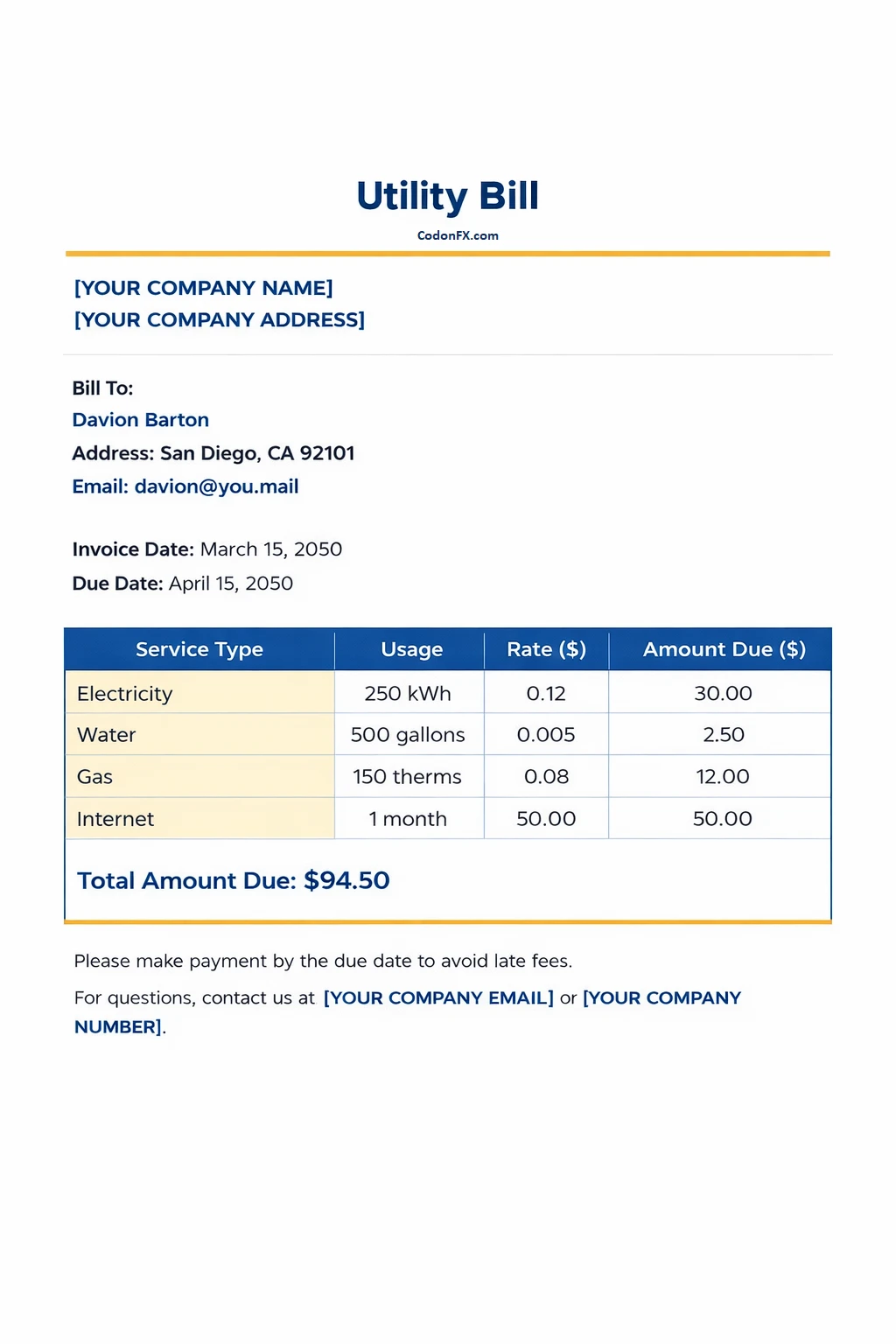
Let’s delve deeper into the world of utility bills and explore why they are so significant in our daily lives.
What Are Utility Bills?
Utility bills are documents that itemize the charges for the essential services provided by utility companies to residential and commercial customers. These services typically include water, electricity, gas, and internet.
Each utility bill reflects the amount of each service consumed during a specific billing cycle, usually monthly, and the corresponding charges for that usage. Utility bills serve as a record of the quantity of services used and the associated costs, providing transparency for consumers regarding their consumption habits.
Why Are Utility Bills Important?
Utility bills play a vital role in our daily lives for several reasons, ranging from financial accountability to environmental stewardship. Let’s explore the significance of utility bills in more detail:
Financial Accountability
One of the primary reasons utility bills are important is that they help consumers maintain financial accountability for their essential services. By receiving a monthly breakdown of their usage and associated costs, customers can track their spending on utilities and budget accordingly. This level of transparency promotes responsible financial management and allows individuals to make informed decisions about their consumption habits.
Legal and Administrative Purposes
In addition to financial accountability, utility bills serve important legal and administrative functions. As proof of address, utility bills are often required when applying for various services or benefits, such as obtaining a driver’s license, registering to vote, or applying for government assistance. Having a current utility bill in one’s name verifies residence at a specific location and is considered a reliable form of documentation for official purposes.
Consumption Awareness
Utility bills also play a crucial role in increasing consumers’ awareness of their resource consumption. By providing detailed information about the quantity of water, electricity, gas, or internet services used, utility bills allow customers to understand their impact on the environment and the associated costs. This awareness can prompt individuals to adopt more sustainable practices, such as reducing water waste, conserving energy, or minimizing their carbon footprint.
Cost Management
Effective cost management is another key aspect of why utility bills are important. By analyzing their utility bills, consumers can identify opportunities to lower their expenses through energy-saving measures, such as installing energy-efficient appliances, adjusting thermostat settings, or using smart home technologies. Understanding the breakdown of costs on their bills empowers individuals to take control of their utility spending and make informed choices to optimize their budgets.
Environmental Impact
Utility bills also highlight the environmental impact of resource consumption, particularly in terms of energy usage and water conservation. By showcasing the amount of energy or water consumed in a given period, utility bills underscore the importance of sustainable practices and conservation efforts. Consumers who are mindful of their environmental footprint may be motivated to reduce their usage, switch to renewable energy sources, or participate in energy-saving programs offered by utility providers.
What to Include in Your Utility Bill?
When reviewing your utility bill, it is essential to understand the various components and information included to ensure accuracy and transparency in billing. Here are the key elements typically found in a utility bill and what they signify:
Account Number
Your account number is a unique identifier assigned to your account with the utility provider, enabling accurate tracking of your usage and billing information. It is essential to include this number in any correspondence with the utility company to ensure that your account is correctly identified and credited for payments.
Service Period
The service period on your utility bill indicates the dates covered by the billing cycle and the timeframe during which the services were consumed. Understanding the service period helps you correlate your usage with specific timeframes and monitor any changes in consumption patterns over time.
Usage Details
The usage details section of your utility bill provides a breakdown of the quantity of each service used during the billing period, typically measured in units specific to each service. For example, water usage may be measured in gallons, electricity in kilowatt-hours, and gas in cubic feet. By reviewing your usage details, you can track your consumption habits and identify areas where you may be able to reduce usage to save on costs.
Charges
The charges section of your utility bill outlines the costs associated with the services you have used, including base charges, usage fees, taxes, and any additional fees or surcharges. By understanding the breakdown of charges on your bill, you can see where your money is going and identify opportunities to lower your expenses by reducing consumption or exploring alternative rate plans offered by your utility provider.
Payment Due Date
The payment due date on your utility bill specifies the deadline by which the bill must be paid to avoid late fees or service interruptions. It is crucial to pay your bill on time to maintain a good payment history and prevent any disruptions in service. Setting up automatic payments or reminders can help ensure that you meet the payment deadline each month.
How to Read Your Utility Bill?
Reading your utility bill may seem overwhelming at first, but with a little guidance, you can decipher the information and gain valuable insights into your consumption habits and costs. Here are some tips to help you read your utility bill effectively:
Review Each Section Carefully
Take the time to review each section of your utility bill carefully, starting with the account information and service period. Pay attention to the usage details and charges, noting any significant changes from previous bills. Understanding each component of your bill will help you identify any discrepancies or areas where you can make adjustments to lower your costs.
Compare with Previous Bills
Comparing your current utility bill with previous bills can provide valuable insights into your consumption patterns and cost trends over time. Look for any noticeable changes in usage or charges and investigate the reasons behind these fluctuations. By tracking your consumption history, you can better manage your expenses and make informed decisions about your resource usage.
Look for Usage Trends
Identifying usage trends on your utility bill can help you pinpoint areas where you may be able to reduce consumption and lower your costs. Look for patterns in your usage over different seasons or months, noting any spikes or fluctuations that may indicate inefficiencies or excessive usage. By recognizing these trends, you can take steps to adjust your habits and save money on your utility bills.
Understand Fee Structures
Understanding the fee structures on your utility bill is essential for making informed decisions about your consumption habits. Take note of any base charges, variable rates, taxes, and fees that contribute to your total bill. By understanding how these charges are calculated, you can assess the impact of your usage on your overall costs and explore ways to reduce unnecessary expenses.
Seek Clarification
If you have any questions or concerns about your utility bill, don’t hesitate to reach out to your utility provider for clarification. Whether you need assistance understanding a particular charge or want to explore options for lowering your bill, customer service representatives are available to help. By asking questions and seeking clarification, youcan gain a better understanding of your bill and how to manage your costs more effectively.
Monitor Your Usage Regularly
Monitoring your usage regularly is a proactive way to stay on top of your utility bills and identify opportunities for savings. Keep track of your water, electricity, gas, and internet usage consistently to spot any unusual spikes or patterns that may indicate inefficiencies or issues with your appliances. By staying vigilant and monitoring your consumption, you can take corrective actions to reduce waste and lower your overall costs.
Utilize Online Tools and Resources
Many utility providers offer online tools and resources to help customers manage their accounts, track their usage, and analyze their bills. Take advantage of these digital resources to access detailed information about your services, view historical usage data, and explore energy-saving tips tailored to your specific needs. By utilizing online tools, you can streamline the bill management process and make informed decisions about your resource consumption.
Implement Energy-Efficient Practices
Implementing energy-efficient practices in your daily routine can have a significant impact on your utility bills and the environment. Simple actions such as turning off lights when not in use, unplugging electronics, adjusting thermostat settings, and using energy-efficient appliances can reduce your energy consumption and lower your electricity costs. By incorporating these practices into your lifestyle, you can contribute to a more sustainable future while saving money on your utility bills.
Upgrade to Energy-Efficient Appliances
Consider upgrading to energy-efficient appliances to further reduce your utility costs and minimize your environmental footprint. Energy Star-rated appliances consume less energy, operate more efficiently, and can lead to substantial savings on your electricity bill over time. While the initial investment may be higher, the long-term benefits of lower energy bills and reduced environmental impact make upgrading to energy-efficient appliances a worthwhile consideration.
Seal Air Leaks and Insulate Your Home
Sealing air leaks and properly insulating your home are effective ways to improve energy efficiency and lower your heating and cooling costs. Inspect windows, doors, and other potential air leakage points in your home and seal any gaps or cracks to prevent heat loss in the winter and cool air escape in the summer. Additionally, adding insulation to your walls, attic, and basement can help maintain a comfortable indoor temperature year-round and reduce your reliance on heating and cooling systems.
Consider Renewable Energy Options
Exploring renewable energy options, such as solar panels or wind turbines, can provide sustainable alternatives to traditional utility services and reduce your dependence on fossil fuels. Generating your own clean energy not only lowers your utility bills but also contributes to a greener environment by reducing greenhouse gas emissions. Investigate the feasibility of renewable energy solutions for your home and consider the long-term benefits of investing in eco-friendly energy sources.
Stay Informed About Rebates and Incentives
Stay informed about available rebates, incentives, and energy efficiency programs offered by your utility provider or government agencies. Many organizations offer financial incentives for upgrading to energy-efficient appliances, installing renewable energy systems, or making home improvements that reduce energy consumption. By taking advantage of these programs, you can offset the upfront costs of energy-saving measures and enjoy long-term savings on your utility bills.
Free Utility Bill Template
A Utility Bill helps present billing information clearly and professionally for services such as electricity, water, gas, or internet. It provides a structured layout for detailing usage, charges, due dates, and payment information, supporting transparency and accurate record-keeping. With a well-designed template, you can simplify billing and ensure clear communication with customers.
Download our Utility Bill Template today to create clear, accurate, and professional utility bills with confidence.
Utility Bill Template – DOWNLOAD
