As a vehicle owner, keeping track of all the services, inspections, and repairs your car undergoes can be a daunting task. However, maintaining a vehicle maintenance log can simplify this process and offer a myriad of benefits. From managing costs to extending your vehicle’s lifespan, ensuring safety, and increasing resale value, a comprehensive maintenance log is an invaluable tool.
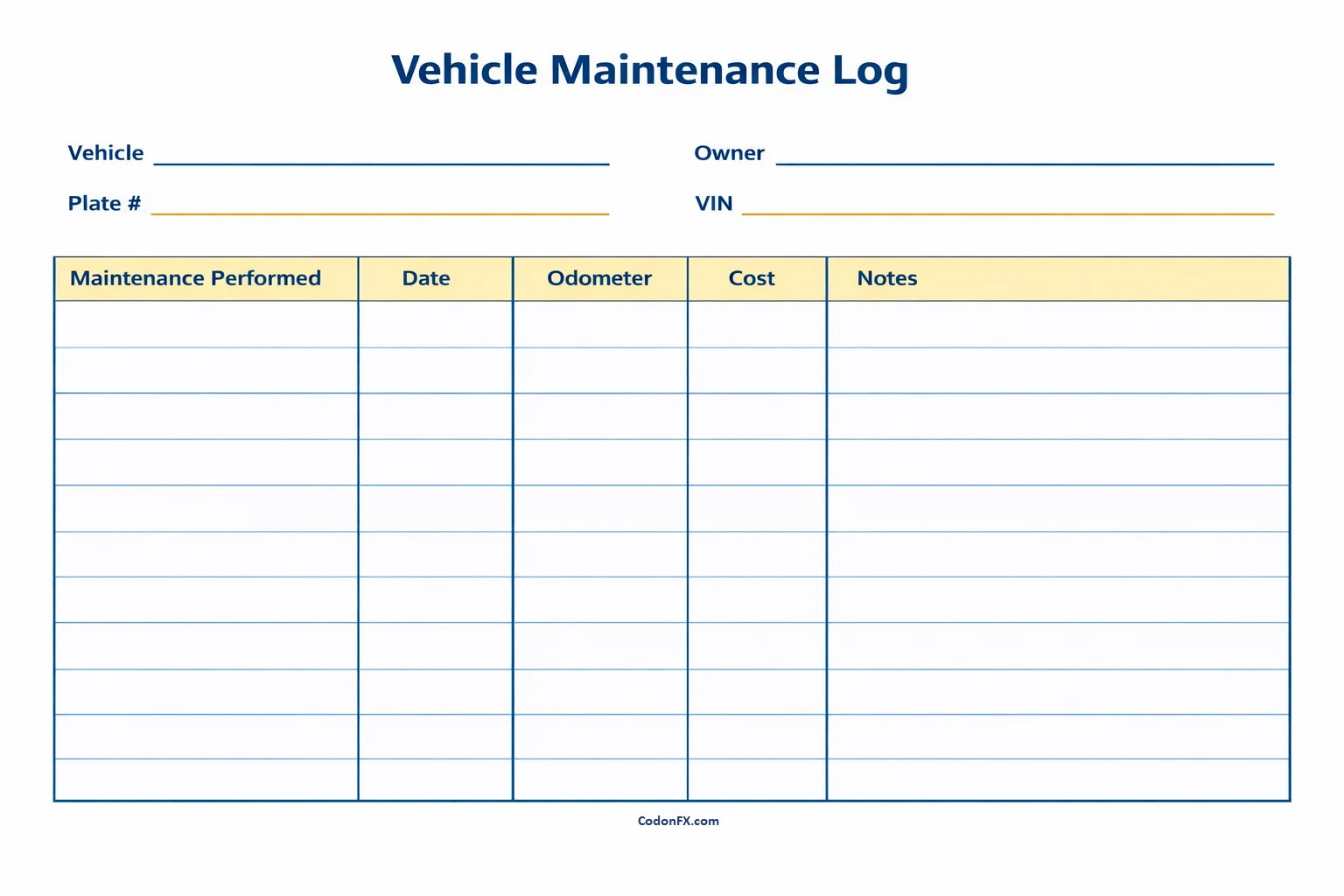
In this guide, we will delve into the importance of maintaining a vehicle maintenance log and how it can make your life as a car owner much easier.
What is a Vehicle Maintenance Log?
A vehicle maintenance log, sometimes referred to as a service log or car maintenance journal, is a detailed record that tracks all maintenance activities performed on a vehicle. It serves as a comprehensive history of the vehicle’s condition and maintenance, providing invaluable insights for both owners and potential buyers.
The log typically includes information such as the date of service, the type of service or repair conducted, the mileage at the time of service, the name of the service provider, and any additional notes or observations. By maintaining a log of all maintenance activities, owners can stay organized and keep track of their vehicle’s overall health.
The Benefits of Keeping a Vehicle Maintenance Log
There are numerous benefits to keeping a vehicle maintenance log, each of which contributes to the overall well-being and longevity of your vehicle. Let’s explore some of the key advantages in more detail.
- Cost Management: One of the primary benefits of maintaining a vehicle maintenance log is effective cost management. By tracking all maintenance activities, owners can anticipate and budget for future repairs, avoiding unexpected expenses that can strain their finances. Regular maintenance and timely repairs can also help prevent more costly issues down the line, saving money in the long run.
- Extended Vehicle Lifespan: Another significant benefit of a maintenance log is the ability to extend your vehicle’s lifespan. Regular maintenance, including oil changes, tire rotations, and fluid checks, helps keep your car in optimal condition, reducing wear and tear on critical components. By addressing minor issues promptly, you can prevent them from escalating into major problems that could shorten your vehicle’s lifespan.
- Ensured Safety: Safety is paramount when it comes to vehicle ownership, and a maintenance log can play a crucial role in ensuring the safety of you and your passengers. Regular inspections and maintenance help identify potential safety hazards before they become serious risks. From checking brake pads and fluid levels to assessing tire tread depth, staying on top of maintenance tasks can significantly reduce the likelihood of accidents due to mechanical failures.
- Increased Resale Value: Whether you’re planning to sell your vehicle in the near future or simply want to maintain its value over time, a comprehensive maintenance log can be a valuable asset. Potential buyers are often willing to pay more for a well-maintained vehicle with a documented service history, as it provides reassurance that the car has been cared for properly. By showcasing your commitment to maintenance and upkeep, you can increase the resale value of your vehicle and attract more interested buyers.
Key Components of a Vehicle Maintenance Log
A well-maintained vehicle log typically contains several key components that are essential for keeping track of your car’s maintenance history. Let’s explore each of these components in more detail.
- Vehicle Information: The first component of a maintenance log is detailed information about the vehicle itself. This includes the make, model, year, VIN number (Vehicle Identification Number), and license plate number. By recording this information at the beginning of the log, you can easily identify the vehicle and track its maintenance history over time.
- Maintenance Activities: The core of the maintenance log is the recording of all maintenance activities performed on the vehicle. This section typically includes the date of service, the type of service or repair conducted, the mileage at the time of service, the name of the service provider, and any additional notes or observations. By documenting each maintenance activity in detail, you create a comprehensive record that can help guide future maintenance decisions.
- Repairs and Parts Replaced: In addition to routine maintenance activities, the log should also include details of any repairs or parts replaced during service appointments. This information is crucial for tracking the condition of your vehicle and identifying recurring issues that may require further attention. By documenting repairs and replacements, you can better understand the overall health of your car and make informed decisions about future maintenance needs.
- Service Schedule: Maintaining a service schedule in your maintenance log is essential for staying on top of routine maintenance tasks and recommended service intervals. This section typically includes a list of upcoming maintenance tasks, such as oil changes, filter replacements, and brake inspections, along with their recommended mileage or time intervals. By following a structured service schedule, you can ensure that your vehicle receives the care it needs to operate smoothly and efficiently.
By including these key components in your vehicle maintenance log, you can create a comprehensive record of your car’s maintenance history that will prove invaluable in managing costs, extending your vehicle’s lifespan, ensuring safety, and increasing its resale value.
How to Streamline Vehicle Maintenance Logs
While maintaining a vehicle maintenance log is highly beneficial, it can also be time-consuming and require diligent record-keeping. Fortunately, there are several strategies you can employ to streamline the process and make it more manageable. Let’s explore some tips for simplifying your maintenance log tasks.
- Digital Tools: Consider using digital tools and apps designed specifically for vehicle maintenance tracking. These tools can help automate the process by allowing you to input service information easily and generate reports or reminders for upcoming maintenance tasks. Many of these tools also offer cloud storage options, ensuring that your maintenance log is securely backed up and accessible from anywhere.
- Regular Updates: Make it a habit to update your maintenance log after each service appointment or repair. By recording information promptly, you can ensure that your log remains accurate and up-to-date. Set aside time regularly, such as at the end of each week or month, to review your vehicle’s maintenance history and make any necessary entries.
- Organizational Systems: Establish an organizational system for your maintenance log to keep information structured and easy to navigate. Consider using color-coding, tabs, or dividers to categorize different types of maintenance activities or service providers. This will not only make it easier to find specific information but also help you identify patterns or recurring issues more efficiently.
- Regular Reviews: Periodically review your maintenance log to assess your vehicle’s overall condition and identify any trends or patterns that may require attention. Look for recurring maintenance tasks, such as frequent tire replacements or brake repairs, that could indicate underlying issues with your vehicle. By staying proactive and addressing potential problems early, you can avoid more costly repairs down the line.
By implementing these strategies, you can streamline the process of maintaining a vehicle maintenance log and make it a more efficient and effective tool for managing your vehicle’s maintenance needs.
Is it Too Late to Start a Vehicle Maintenance Log?
If you haven’t been keeping a vehicle maintenance log up to this point, you may be wondering whether it’s too late to start. The good news is that it’s never too late to begin documenting your vehicle’s maintenance history and reaping the benefits of a comprehensive maintenance log.
Whether your car is brand new or several years old, starting a maintenance log today can help you better understand your vehicle’s maintenance needs and make informed decisions about future care.
Vehicle Maintenance Log Template
A Vehicle Maintenance Log helps you track service history, repairs, and routine maintenance in a clear and organized format. It allows you to record dates, mileage, services performed, and costs, supporting better vehicle care and long-term reliability. With a well-designed template, you can stay on top of maintenance schedules and protect your vehicle’s value.
Download our Vehicle Maintenance Log Template today to keep accurate records and maintain your vehicle with confidence.
Vehicle Maintenance Log Template – DOWNLOAD
