Starting a small business can be an exciting venture, but without a clear roadmap for success, you may find yourself lost in a sea of uncertainty. A well-structured small business plan acts as a guiding light, providing clarity, direction, and a strategic framework to validate your idea, manage operations, secure funding, and attract partners.
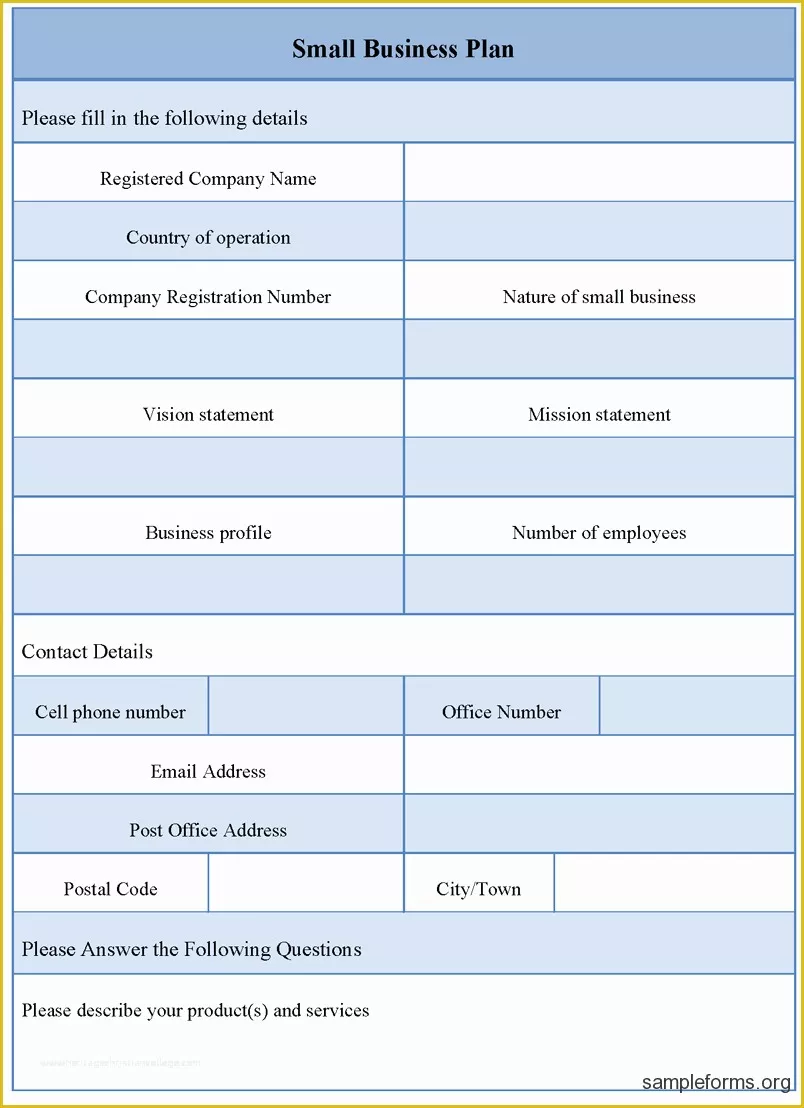
By outlining your goals, strategies, and financial projections, a business plan helps you understand your market, set benchmarks, identify risks, and communicate your vision to stakeholders, ensuring everyone stays aligned and focused on sustainable growth.
What is a Small Business Plan?
A small business plan is a detailed document that outlines the goals, strategies, and financial projections of a new or existing business. It serves as a roadmap for success, providing clarity, direction, and a strategic framework to validate your idea, manage operations, secure funding, and attract partners.
A well-structured business plan helps you understand your market, set benchmarks, identify risks, and communicate your vision to stakeholders, ensuring everyone stays aligned and focused on sustainable growth.
Importance of Having a Small Business Plan
Creating a small business plan is essential for various reasons.
- Firstly, it provides clarity and direction for your business idea, helping you stay focused on your goals.
- Secondly, a business plan acts as a strategic framework that helps you manage operations efficiently and make informed decisions.
- Thirdly, having a well-structured plan can increase your chances of securing funding from investors or lenders as it demonstrates a clear vision and path to profitability.
- Lastly, a small business plan is crucial for attracting partners or team members who can contribute to the success of your venture.
Crafting a Comprehensive Small Business Plan
Creating a comprehensive small business plan requires time, effort, and attention to detail. To craft a successful plan that guides your business towards success, consider the following tips:
1. Define Your Business Idea
Start by clearly defining your business concept, including what products or services you will offer, your target market, and your unique value proposition. Conduct market research to validate your idea and ensure there is demand for your offerings.
2. Conduct Market Research
Research your target market, competitors, and industry trends to identify opportunities and challenges that may impact your business. Use a combination of primary and secondary research methods to gather data and insights that inform your strategies.
3. Set Clear Goals
Establish specific, measurable, achievable, relevant, and time-bound (SMART) goals for your business to create a roadmap for success. Define key performance indicators (KPIs) that help you track progress towards your goals and make informed decisions.
4. Develop Strategies
management that aligns with your business goals. Consider the 4Ps of marketing (product, price, promotion, place) and the customer journey to develop effective marketing campaigns that reach and engage your target audience.
5. Outline Financial Projections
Forecast your revenue, expenses, and cash flow for the next few years using historical data, market research, and industry benchmarks. Consider different scenarios and sensitivity analyses to assess the financial viability of your business under various conditions.
6. Create an Action Plan
Break down your strategies into actionable steps with timelines, milestones, and responsibilities. Develop a project management plan that outlines tasks, deadlines, and resources needed to implement your business plan effectively.
7. Review and Revise Regularly
Regularly review and revise your business plan to reflect changes in the market, industry, or internal operations. Update your goals, strategies, and financial projections based on feedback, performance data, and new opportunities.
8. Seek Feedback and Guidance
Solicit feedback from mentors, advisors, and industry experts to gain valuable insights and refine your business plan. Collaborate with stakeholders, partners, and team members to ensure alignment and buy-in for your business strategies.
Tips for a Successful Small Business Plan
Creating a successful small business plan requires attention to detail, strategic thinking, and effective communication. To maximize the impact of your business plan and increase your chances of success, consider the following tips:
1. Be Specific and Realistic
Ensure that your goals, strategies, and financial projections are clear, specific, and achievable. Avoid overestimating revenue or underestimating expenses to create a realistic plan that sets you up for success.
2. Stay Flexible and Adaptive
Be open to adapting your plan based on feedback, market changes, and new opportunities. Embrace innovation, experimentation, and continuous improvement to stay agile and responsive to evolving business conditions.
3. Communicate Effectively
Clearly articulate your ideas, vision, and strategies to stakeholders, investors, partners, and team members. Use visual aids, storytelling, and data-driven insights to convey complex information compellingly and engagingly.
4. Monitor Progress and Measure Results
Regularly track and evaluate your progress towards your goals using key performance indicators (KPIs) and metrics. Use analytics, dashboards, and performance reports to identify trends, gaps, and opportunities for improvement.
5. Stay Committed and Resilient
Stay committed to implementing your business plan and taking the necessary steps to achieve success. Embrace challenges, setbacks, and failures as learning opportunities that help you grow, adapt, and evolve as a business owner.
6. Collaborate and Engage with Stakeholders
Involve stakeholders, partners, and team members in the development and execution of your business plan. Foster a culture of collaboration, trust, and transparency that encourages input, feedback, and alignment towards common goals.
7. Embrace Continuous Learning and Improvement
Stay curious, open-minded, and proactive in seeking new knowledge, skills, and insights that can enhance your business plan. Attend workshops, webinars, seminars, and networking events to stay informed and connected to industry trends and best practices.
8. Celebrate Achievements and Learn from Mistakes
Recognize and celebrate milestones, achievements, and successes along the way. Acknowledge progress, milestones, and accomplishments to boost morale, motivation, and engagement within your team and stakeholders. Learn from mistakes, setbacks, and failures by conducting post-mortem analyses, identifying root causes, and implementing corrective actions to prevent recurrence.
By following these tips and best practices, you can create a comprehensive small business plan that guides your business towards success, growth, and sustainability. Remember that a business plan is a living document that evolves and adapts to changing market conditions, industry trends, and internal dynamics. Stay proactive, resilient, and focused on your goals to navigate the challenges and uncertainties of entrepreneurship with confidence, clarity, and purpose.
Small Business Plan Template – DOWNLOAD
