Accidents can happen at any time and in any place, whether it’s at work, on the road, or in public spaces. When an accident occurs, it is crucial to document the incident accurately to ensure that all details are recorded and can be used for various purposes. This is where an accident report comes into play.
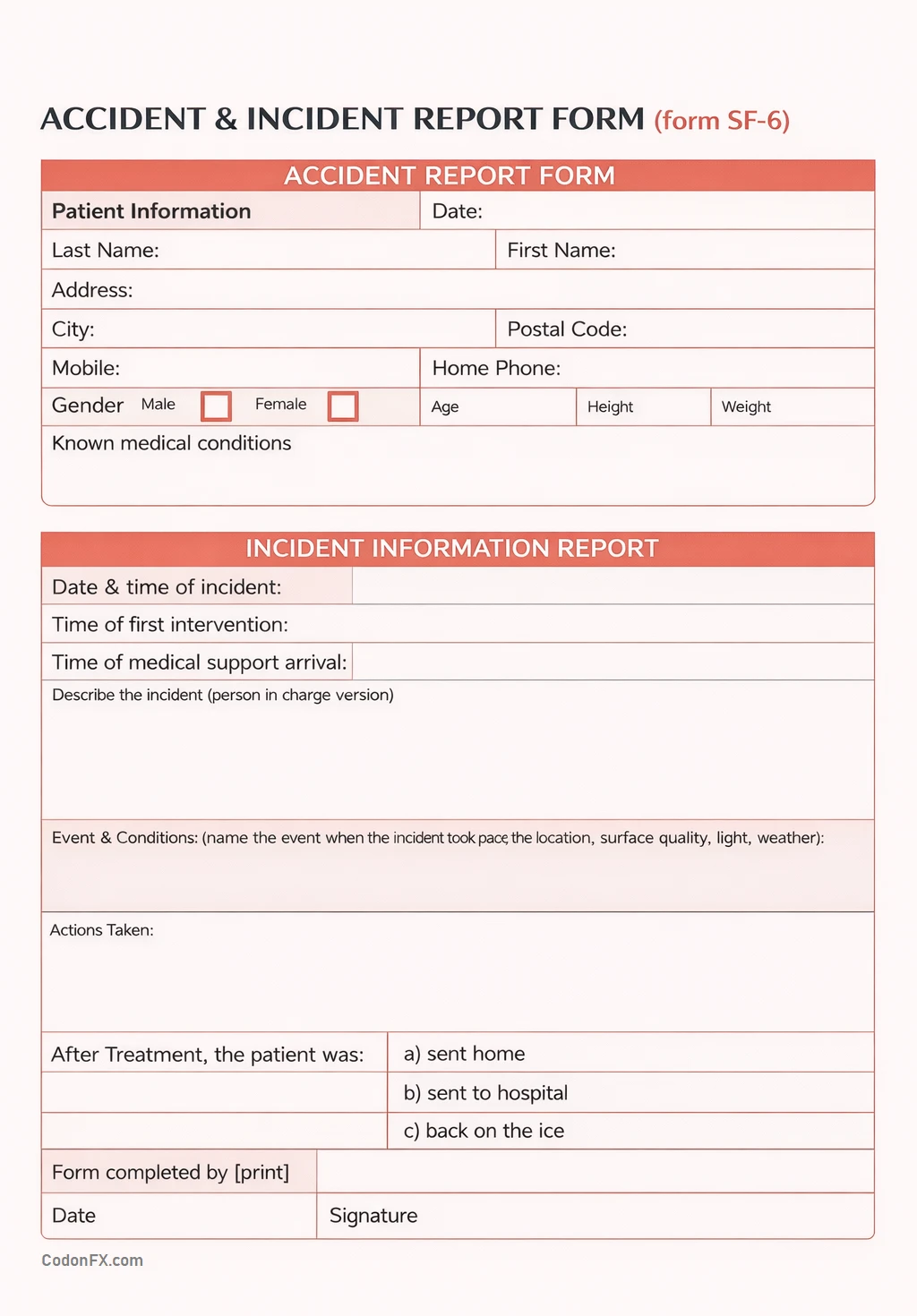
An accident report form is a formal document that captures the specifics of an incident, such as a workplace accident or a car crash. It serves as a crucial record that helps investigate the cause of the event, identify safety trends, improve protocols, and meet legal reporting requirements.
What is an Accident Report?
An accident report is a detailed form that documents the specifics of an incident. It includes information such as the date, time, location, individuals involved, witnesses, injuries sustained, and any other relevant details.
This form is used to create a comprehensive record of the accident, ensuring that all necessary information is captured for future reference.
Why are Accident Reports Important?
Accident reports serve multiple purposes that are essential for various stakeholders. Here are some key reasons why accident reports are important:
1. Investigate the Event’s Cause
Accident reports help investigate the root cause of the incident, allowing organizations to identify contributing factors and implement preventive measures to avoid similar accidents in the future.
2. Identify Trends in Safety Issues
By analyzing accident reports, organizations can identify patterns or trends in safety issues, enabling them to address underlying safety concerns and improve overall safety protocols.
3. Improve Safety Protocols and Risk Management
Accident reports provide valuable insights into areas where safety protocols may be lacking or need improvement. By reviewing these reports, organizations can enhance their risk management strategies and create a safer environment for employees or the public.
4. Fulfill Legal and Regulatory Reporting Requirements
Certain accidents are required by law to be reported to regulatory agencies or authorities. Accident reports ensure that organizations comply with legal obligations and avoid potential penalties for non-compliance.
Key Elements of an Accident Report
An accident report typically includes the following key elements:
- Date and Time: Record the date and time of the accident.
- Location: Specify where the accident occurred.
- Individuals Involved: List the names and contact information of all individuals involved in the incident.
- Witnesses: Include the names and statements of any witnesses to the accident.
- Injuries: Document any injuries sustained by individuals involved in the accident.
- Details of the Incident: Provide a detailed description of how the accident occurred.
- Actions Taken: Outline any immediate actions taken following the accident.
How to Fill Out an Accident Report
Filling out an accident report requires attention to detail and accuracy to ensure that all relevant information is captured. Here are some steps to follow when completing an accident report:
1. Gather all necessary information, including dates, times, locations, and individuals involved.
2. Provide a detailed description of the incident, including how it occurred and any contributing factors.
3. Document any injuries sustained by individuals and include any medical treatment provided.
4. Include statements from witnesses, if available, to provide additional context to the incident.
5. Review the completed report for accuracy and completeness before submitting it to the appropriate parties.
6. Follow up on any actions taken as a result of the accident report to prevent similar incidents in the future.
Tips for Completing an Accident Report
Here are some tips to keep in mind when filling out an accident report form:
- Be thorough: Provide as much detail as possible to create a comprehensive record of the incident.
- Be accurate: Ensure that all information provided is factual and free from errors or omissions.
- Be timely: Fill out the report promptly after the incident to capture all details while they are still fresh in your mind.
- Be objective: Stick to the facts and avoid inserting personal opinions or assumptions into the report.
- Be proactive: Use accident reports as a tool for continuous improvement by identifying areas for enhancement in safety protocols.
- Be collaborative: Involve all relevant parties in the completion and review of the accident report to ensure accuracy and alignment.
Conclusion
Accident reports play a vital role in documenting and analyzing incidents to improve safety, risk management, and compliance. By understanding the importance of accident reports and following best practices for completing them, organizations can create safer environments and mitigate the risk of future accidents. Taking the time to properly document and investigate accidents not only fulfills legal requirements but also contributes to a culture of safety and accountability within an organization.
Accident Report Form Template – DOWNLOAD
