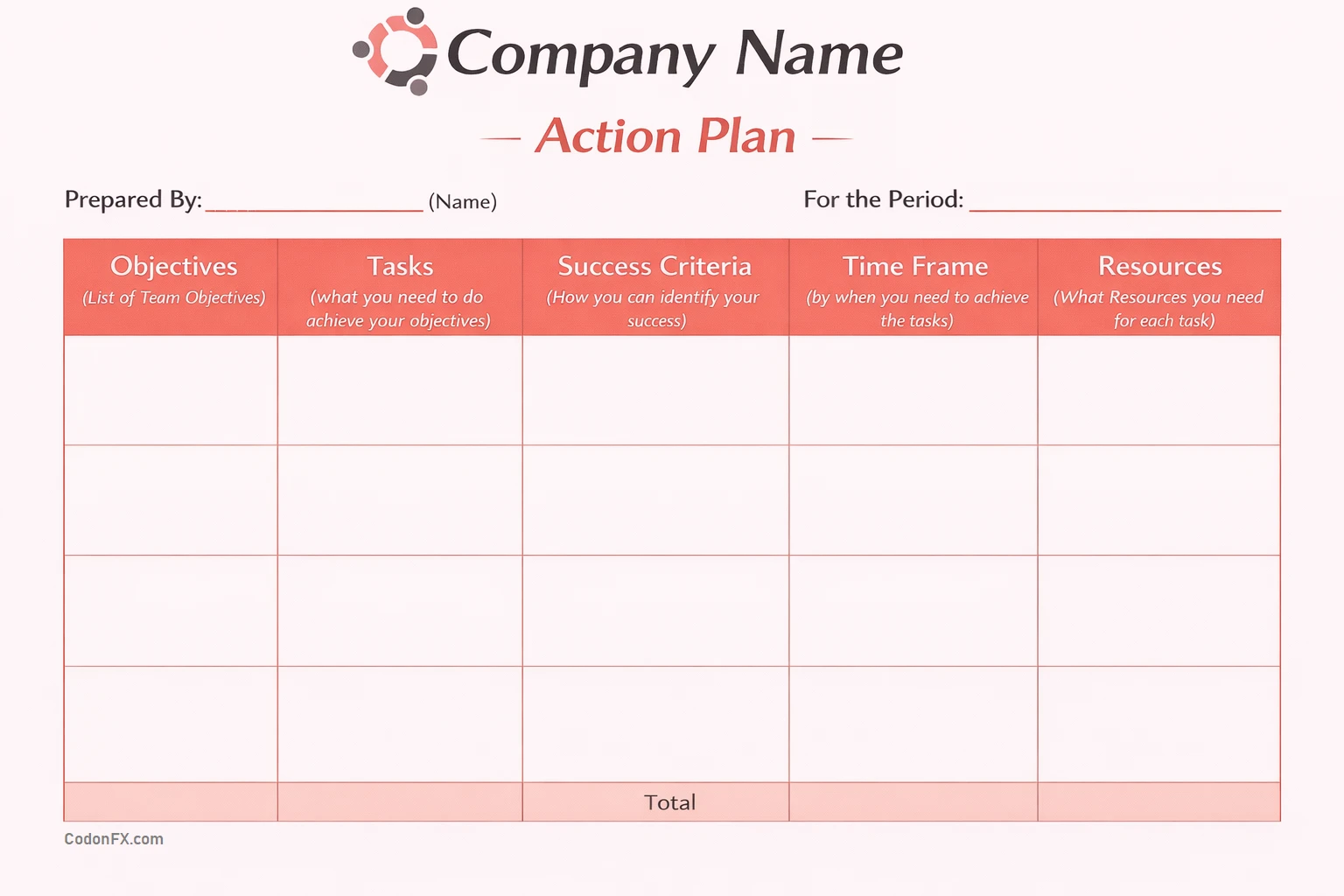
In today’s fast-paced world, setting goals is essential for personal and professional growth. However, merely setting goals is not enough; without a clear roadmap to follow, even the most ambitious goals can remain unattainable dreams. This is where action planning comes in.
Action planning is the process of translating broader goals and strategies into concrete, actionable steps. It provides clarity, structure, and a roadmap for individuals or teams to follow, ultimately increasing the likelihood of success.
What is an Action Plan?
An action plan is a detailed outline of the steps needed to achieve a specific goal or objective. It serves as a roadmap, guiding individuals or teams towards the successful completion of a project or task. An action plan breaks down the larger goal into smaller, manageable tasks, making it easier to track progress and stay on course. It outlines who is responsible for each task, when it needs to be completed, and how it will be accomplished.
Creating an action plan involves analyzing the goal, breaking it down into smaller tasks, assigning responsibilities, setting deadlines, and monitoring progress. It is a proactive approach to achieving desired outcomes, ensuring that all necessary steps are taken in a systematic and efficient manner.
Purpose of an Action Plan
The primary purpose of an action plan is to provide a clear, structured approach to achieving goals. By breaking down a larger goal into smaller tasks, an action plan makes it easier to prioritize and focus on what needs to be done. It provides a roadmap for success, outlining the steps that need to be taken and the resources required to accomplish them.
An action plan also helps to identify potential obstacles and challenges that may arise during the process, allowing individuals or teams to proactively address them.
Benefits of an Action Plan
– Clarity: An action plan provides a clear roadmap for achieving goals, reducing confusion and ambiguity.
– Structure: It breaks down larger goals into smaller, manageable tasks, making it easier to track progress.
– Efficiency: By outlining specific steps and responsibilities, an action plan ensures that resources are utilized effectively.
– Accountability: Assigning tasks and deadlines holds individuals or teams accountable for their actions.
– Motivation: Seeing progress towards a goal can boost morale and motivation, driving individuals to continue working towards success.
Key Components of an Action Plan
– Goal: Clearly define the desired outcome or objective.
– Tasks: Break down the goal into actionable tasks.
– Responsibilities: Assign tasks to individuals or teams.
– Timeline: Set deadlines for each task.
– Resources: Identify the resources needed to complete the tasks.
– Monitoring and Evaluation: Regularly review progress and make adjustments as needed.
7 Steps to Make an Action Plan
1. Define your goal: Clearly articulate the desired outcome you want to achieve.
2. Break it down: Identify the specific tasks that need to be completed to reach your goal.
3. Assign responsibilities: Determine who will be responsible for each task.
4. Set deadlines: Establish realistic timelines for each task.
5. Allocate resources: Identify the resources (e.g., time, money, personnel) needed to accomplish the tasks.
6. Monitor progress: Regularly track and assess progress towards your goal.
7. Adjust as necessary: Be flexible and willing to make changes to the action plan as needed.
Implementing an Action Plan Successfully
To ensure the successful implementation of an action plan, it is important to communicate clearly with all stakeholders involved. Regularly review progress, provide support to team members, and be willing to adapt the plan as needed. Celebrate milestones and achievements along the way to maintain motivation and drive towards the ultimate goal. By following these steps and staying committed to the action plan, individuals and teams can effectively turn their goals into reality.
Action Planning Template – Download
