Sublease agreements have become increasingly popular among tenants seeking flexibility in their living arrangements. By allowing a tenant to rent out all or part of their rental property to a new tenant while still being responsible for the original lease, sublease agreements offer a unique solution for temporary relocations or financial assistance.
Understanding the key elements of sublease agreements and how to navigate the process can help both tenants and property owners make informed decisions about entering into such agreements.
What is a Sublease Agreement?
A sublease agreement, also known as a subletting agreement, is a legal contract that allows a tenant, known as the sublessor, to rent out their rental property to another tenant, known as the sublessee. The sublessor remains responsible for the terms of the original lease with the property owner while the sublessee occupies the rental property for a specified period.
This arrangement provides a level of flexibility for the sublessor, as they can temporarily move out of the property without breaking their lease.
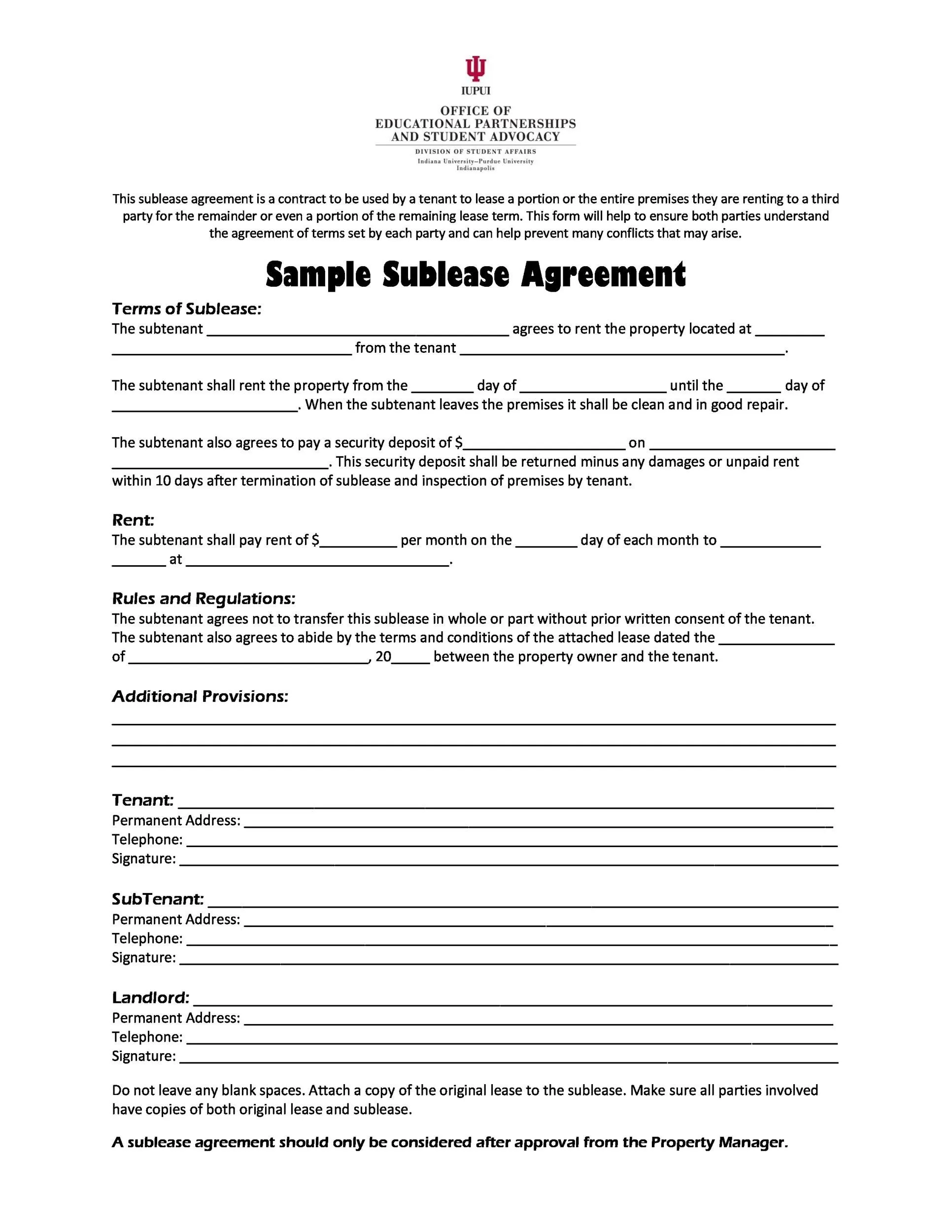
Benefits of Sublease Agreements
There are several benefits to consider when exploring the option of a sublease agreement:
- Flexibility: Sublease agreements offer tenants the flexibility to accommodate temporary relocations or life changes without the need to break their lease.
- Income Generation: Subleasing the rental property can help tenants cover rent costs during periods of absence.
- Written Contract: A sublease agreement provides a formal written contract that outlines the rights and responsibilities of both the sublessor and the sublessee.
- Occupancy Maintenance: Sublease agreements help property owners avoid extended vacancies by allowing for temporary tenants to occupy the rental property.
Key Elements of a Sublease Agreement
When drafting a sublease agreement, several key elements should be included to ensure clarity and protect the rights of both parties involved:
Names of Parties
The sublease agreement should clearly state the names of the sublessor, sublessee, and property owner. Identifying all parties involved helps prevent confusion and establishes the legal relationship between each party.
Property Details
A detailed description of the rental property being subleased should be provided in the agreement. This includes the address of the property, the specific unit or area being subleased, and any amenities or restrictions that apply to the property.
Term of Sublease
The start and end dates of the sublease agreement should be clearly specified to define the duration of the sublease period. Including specific dates helps both parties understand the timeline of the sublease arrangement.
Rent Payment
The amount of rent to be paid by the sublessee and the schedule of payments should be outlined in the sublease agreement. This includes the total rent amount, due dates for payments, and any late fees or penalties for missed payments.
Security Deposit
Indicate whether a security deposit is required from the sublessee and specify the amount of the deposit. Including details about the security deposit helps protect the property in case of damage or unpaid rent by the sublessee.
Rules and Regulations
Include any rules and regulations that the sublessee must follow during the sublease period. This may include restrictions on pets, smoking, noise levels, or other guidelines to ensure a harmonious living environment for both parties.
Responsibilities
Clarify the responsibilities of both the sublessor and the sublessee in the sublease agreement. This includes maintenance tasks, utility payments, property access, and any other duties that each party is expected to fulfill during the sublease period.
How to Create a Sublease Agreement
Creating a sublease agreement involves several steps to ensure that all legal and practical aspects are addressed:
Review Original Lease
Before considering a sublease agreement, review the terms of the original lease to determine if subleasing is allowed. Some leases may prohibit subletting, while others may have specific requirements for obtaining permission from the property owner.
Obtain Consent
If the original lease allows for subleasing, obtain written consent from the property owner before proceeding with a sublease agreement. This step is crucial to avoid potential disputes or legal issues in the future.
Draft Agreement
Prepare a comprehensive sublease agreement that includes all necessary details, such as names of parties, property details, rent payment terms, security deposit requirements, rules and regulations, and responsibilities of both parties. Consider consulting a legal professional to ensure that the agreement is legally sound.
Sign Agreement
Once the sublease agreement has been drafted, have all parties involved sign the document to make it legally binding. Signatures from the sublessor, sublessee, and property owner (if required) indicate mutual acceptance of the terms and conditions outlined in the agreement.
Keep Records
Keep a copy of the signed sublease agreement for your records. Having a written record of the agreement can help resolve any disputes that may arise during the sublease period and serve as a reference for both parties.
Tips for Successful Subleasing
To ensure a smooth and successful sublease agreement, consider the following tips:
Communication
Maintain open communication with the sublessee throughout the sublease period. Address any concerns or issues promptly to avoid misunderstandings and foster a positive relationship.
Document Everything
Document any changes or agreements made during the sublease period in writing. This includes rent adjustments, maintenance requests, or other modifications to the original agreement to avoid confusion or disputes later on.
Follow Legal Requirements
Ensure that your sublease agreement complies with local laws and regulations regarding subletting. Familiarize yourself with any legal requirements or restrictions that may apply to subleasing in your area to avoid legal repercussions.
Inspect Property
Conduct a move-in and move-out inspection with the sublessee to document the condition of the rental property. Take photos or videos to record the property’s condition and address any discrepancies or damages before and after the sublease period.
End on Good Terms
When the sublease period comes to an end, ensure a smooth transition by ending on good terms with the sublessee. Address any final rent payments, return the security deposit (if applicable), and complete a final inspection to close out the sublease agreement amicably.
Sublease Agreement Template – WORD
