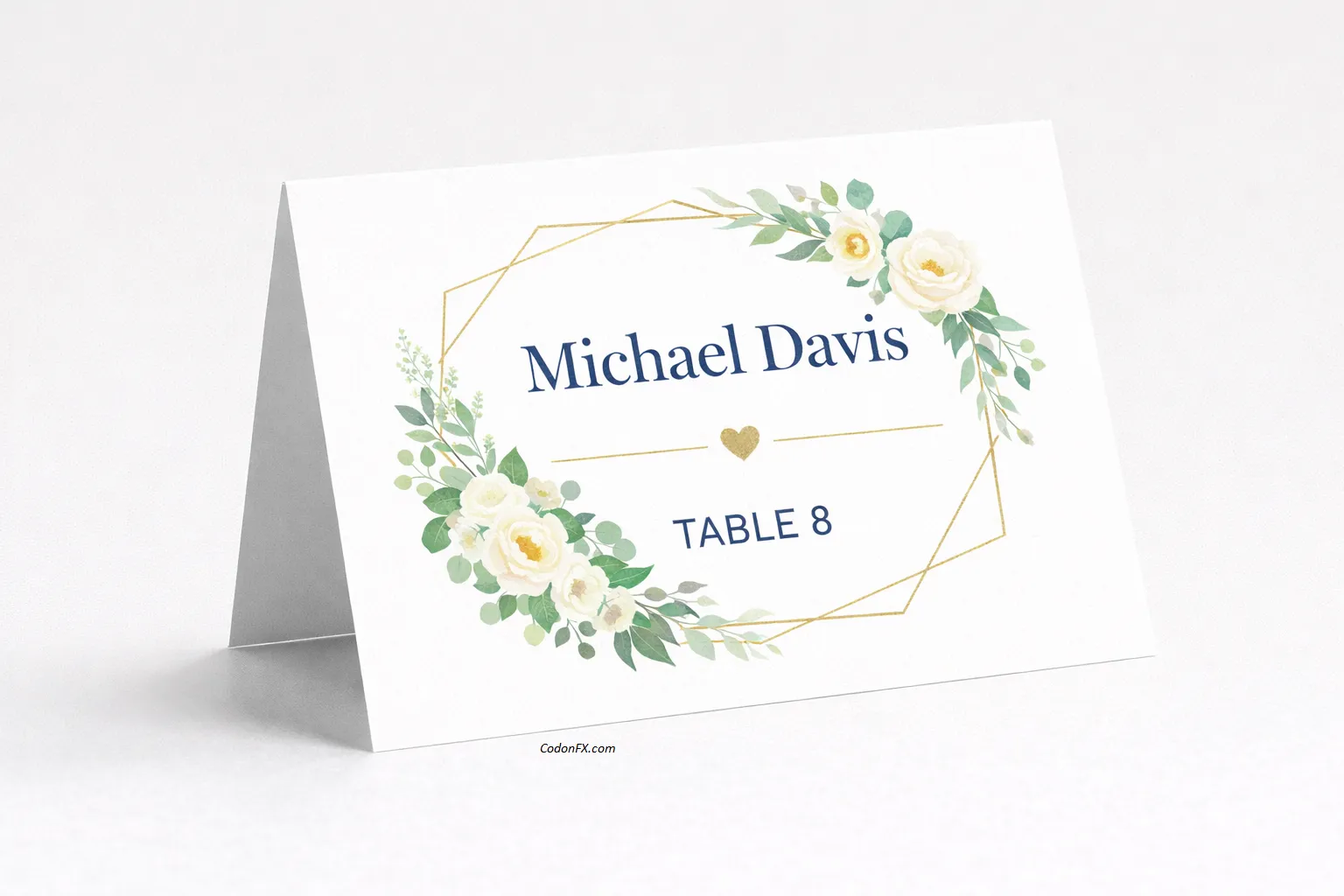
Table cards are essential tools used to designate specific guest seats at events or to promote products/services in a venue. They serve a dual purpose of ensuring organized seating arrangements and effectively conveying information to guests or customers.
In this detailed guide, we will explore the intricacies of table cards, from their significance to best practices for creating and using them.
What are Table Cards?
Table cards, also known as place cards or table tents, are small cards placed on tables to serve various purposes. In social events like weddings, table cards assign each guest a specific seat to streamline the seating process and communicate dietary preferences to catering staff.
In a business context, table cards act as promotional tools to advertise specials, events, or products to customers.
Why Use Table Cards?
The use of table cards offers numerous benefits for both hosts and businesses alike. Understanding the advantages of table cards can help you leverage their potential effectively:
Organizational Benefits
Table cards contribute to the overall organization of an event by providing guests with clear seating assignments. They help prevent confusion and ensure that guests are seated comfortably and efficiently.
Communication Enhancement
Table cards serve as a means of communication between hosts and guests or businesses and customers. By including important information such as seat assignments or promotional offers, table cards facilitate effective communication.
Promotional Opportunities
In a business context, table cards offer a valuable opportunity to promote products, services, or events to a targeted audience. By strategically placing promotional content on table cards, businesses can increase brand visibility and drive sales.
Aesthetic Appeal
Table cards not only serve a functional purpose but also contribute to the overall aesthetic appeal of an event or venue. Well-designed table cards can enhance the ambiance and create a cohesive look that complements the theme of the occasion.
What to Include on Table Cards?
When designing table cards, it’s essential to include key information that is relevant to the occasion or purpose of the cards. By ensuring that table cards contain the right details, you can effectively convey information to guests or customers:
Guest Name and Table Number
Personalizing table cards with guest names and table numbers helps guests easily locate their assigned seats and ensures a smooth seating process. Including this information eliminates confusion and enhances the guest experience.
Dietary Requests and Restrictions
For events where catering is involved, it’s crucial to include any dietary requests or restrictions on table cards. This information helps catering staff accommodate guests’ needs and ensures a pleasant dining experience for everyone.
Promotional Content
Businesses can use table cards as promotional tools to advertise specials, events, or products to customers. Including compelling promotional content on table cards can attract customer interest and drive sales for the business.
Event Information
Table cards can also serve as a source of event information, providing guests with details such as event schedules, seating arrangements, or menu options. Including relevant event information on table cards helps guests stay informed and engaged throughout the event.
How to Create Effective Table Cards
Creating effective table cards requires attention to detail and a strategic approach to design and content. Follow these steps to ensure your table cards are visually appealing and informative:
Choose a Design that Aligns with the Theme
Select a design for your table cards that aligns with the overall theme of the event or brand identity. Consider colors, fonts, and images that reflect the aesthetic of the occasion or business.
Opt for Legible Fonts
Choose legible fonts that are easy to read from a distance to ensure guests can quickly identify their assigned seats or understand the promotional content. Avoid overly decorative fonts that may impede readability.
Incorporate Images for Visual Appeal
Incorporate relevant images or graphics on your table cards to enhance visual appeal and capture the attention of guests or customers. Images can effectively convey messages and create a memorable impression.
Ensure Accuracy of Information
Before printing your table cards, double-check all information for accuracy. Verify guest names, table numbers, dietary requests, and promotional details to prevent errors and ensure a seamless experience for guests or customers.
Consider Placement for Maximum Impact
Strategically place your table cards in visible and accessible locations on each table for maximum impact. Consider factors such as height, angle, and proximity to ensure that table cards are easily seen and attract attention.
Monitor and Adjust as Needed
Throughout the event or promotion, monitor the placement and condition of your table cards and make adjustments as needed. Ensure that table cards remain intact, legible, and visually appealing to maintain a positive guest experience or customer engagement.
Tips for Successful Table Card Placement
Strategically placing table cards can enhance their effectiveness and ensure that they serve their intended purpose. Consider the following tips for successful table card placement:
Position Table Cards Strategically
Place table cards in a central and visible location on each table to ensure that guests can easily locate their assigned seats or view promotional content. Avoid placing table cards in areas that may obstruct guests’ view or movement.
Avoid Clutter on Tables
Keep table settings simple and uncluttered to allow table cards to stand out and attract attention. Avoid overcrowding tables with unnecessary decorations or items that may detract from the visibility of table cards.
Use Table Card Holders or Stands
To elevate the visibility of table cards and create a more professional presentation, consider using table card holders or stands. These accessories help keep table cards upright and easily visible to guests or customers.
Regularly Check and Adjust Placement
Throughout the event or promotion, periodically check the placement and condition of table cards to ensure they remain in optimal position and condition. Make adjustments as needed to maintain the effectiveness of table cards in conveying information or promotions.
Coordinate with Event Theme
Ensure that the design and placement of table cards align with the overall theme of the event or venue. Coordinate colors, fonts, and imagery to create a cohesive look that complements the ambiance and enhances the guest experience.
Engage with Guests or Customers
Encourage interaction with table cards by incorporating interactive elements or calls to action. Engaging guests or customers through table cards can spark interest and encourage them to learn more about the event or promotion.
Table Card Template
A Table Card helps you display names, numbers, menu items, or messages clearly and elegantly for events such as weddings, parties, conferences, and restaurants. It provides a clean, organized layout that enhances table presentation while making information easy for guests to read. With a ready-made template, you can save time and ensure a polished, professional look for any occasion.
Download our Table Card Template today to create beautifully organized table displays with ease and style.
Table Card Template – DOWNLOAD
