When renting a property, having a clear and detailed tenant agreement is crucial for both landlords and tenants. This legally binding contract outlines the rules, rights, and responsibilities of each party, helping to prevent disputes and misunderstandings in the future.
It outlines key details such as rent, deposit, property rules, and other important information to ensure that both parties are aware of their obligations during the tenancy. This document serves as a written record and provides legal protection in the event of any disagreements that may arise.
What is a Tenant Agreement?
A tenant agreement, also known as a rental agreement or lease agreement, is a legally binding contract between a landlord and a tenant that outlines the terms and conditions of the rental arrangement.
It includes key details such as the duration of the tenancy, the amount of rent to be paid, the security deposit required, property rules, and other important clauses that govern the relationship between the landlord and tenant.
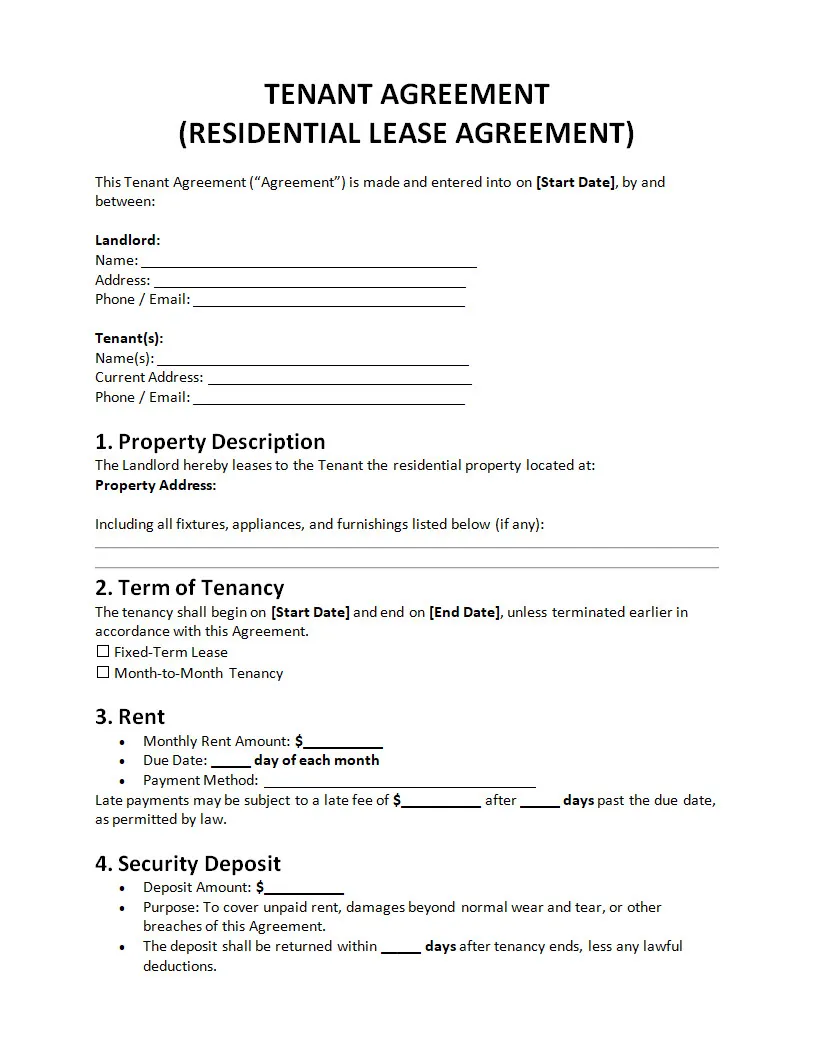
Why is a Tenant Agreement Important?
A tenant agreement is important for several reasons:
Establishes Clear Rules
One of the key reasons why a tenant agreement is important is that it sets clear rules and expectations for both parties. By clearly outlining the terms of the tenancy, including rent amount, due dates, and property rules, the agreement helps prevent misunderstandings and conflicts.
Protects Rights
Another crucial aspect of a tenant agreement is that it helps protect the rights of both the landlord and the tenant. The agreement specifies each party’s obligations and rights, ensuring that they are both aware of what is expected of them during the tenancy.
Legal Protection
A tenant agreement serves as a legal document that can be used as evidence in case of any disagreements or disputes between the landlord and tenant. It provides a written record of the agreed-upon terms, helping to resolve conflicts and protect the interests of both parties.
Prevents Misunderstandings
By clearly defining the terms of the tenancy, a tenant agreement helps prevent misunderstandings between the landlord and tenant. It outlines key details such as rent amount, deposit requirements, and property rules, ensuring that both parties are on the same page from the beginning of the rental arrangement.
Key Elements of a Tenant Agreement
A well-crafted tenant agreement should include the following key elements:
Names of Parties
The tenant agreement should clearly state the full names of the landlord and tenant(s) involved in the rental agreement. This helps identify the parties bound by the terms of the agreement and ensures clarity in communication.
Property Address
It is essential to include the full address of the rental property being leased in the tenant agreement. This information helps to identify the specific property that is the subject of the rental agreement and ensures that both parties are clear on the location of the rental property.
Duration of Tenancy
The tenancy agreement should specify the start and end dates of the tenancy agreement. This helps establish the duration of the rental arrangement and ensures that both parties are aware of the timeline for the tenancy.
Rent Amount
One of the most critical elements of a tenant agreement is the specification of the monthly rent amount and the due date for payment. Clearly stating the rent amount and payment schedule helps avoid confusion and ensures that the tenant knows when rent is due.
Security Deposit
The tenant agreement should outline the amount of the security deposit required and the conditions for its return. This helps protect the landlord’s interests in case of damage to the property and ensures that the tenant understands the terms for the return of the security deposit.
Property Rules
Any specific rules or regulations that the tenant must follow while living on the property should be clearly outlined in the tenant agreement. This may include restrictions on pets, noise levels, maintenance responsibilities, and other important rules to ensure a harmonious living environment for all parties.
How to Create a Tenant Agreement
Creating a tenant agreement involves several steps:
Use a Template
One way to create a tenant agreement is to start with a template. There are many templates available online that can help you draft a comprehensive and legally sound agreement. Using a template can save time and ensure that you include all the necessary elements in your agreement.
Include Key Details
When creating a tenant agreement, make sure to include all the essential details such as rent amount, deposit, rules, and other important clauses. Be thorough in outlining the terms of the tenancy to avoid misunderstandings and conflicts down the line.
Review and Edit
Once you have drafted the tenant agreement, it is essential to carefully review and edit the document. Make sure that all terms are clearly stated and that there are no ambiguities or inconsistencies in the agreement. Consider seeking legal advice to ensure that your agreement is legally sound.
Sign and Date
Both parties involved in the rental agreement should sign and date the document to make it legally binding. This helps establish that both the landlord and tenant agree to the terms of the tenancy and understand their respective obligations and rights under the agreement.
Tips for a Successful Tenant Agreement
Here are some tips to ensure a successful tenant agreement:
Communicate Clearly
Clear communication is key when creating a tenant agreement. Make sure to clearly explain all terms and conditions to the tenant to avoid any misunderstandings or confusion. Open communication can help establish a positive and respectful relationship between the landlord and tenant.
Seek Legal Advice
If you are unsure about any aspect of the agreement, consider seeking legal advice. A legal professional can review your tenant agreement to ensure that it complies with all relevant laws and regulations and provides adequate protection for both parties.
Document Everything
It is essential to keep copies of all correspondence and documents related to the tenancy. This includes emails, letters, payment receipts, and any other relevant information. Having a paper trail can be instrumental in resolving disputes or disagreements that may arise during the tenancy.
Regularly Update
It is a good practice to regularly review and update the tenant agreement to reflect any changes in the tenancy arrangement. If there are any amendments or modifications to the original agreement, make sure to document them in writing and have both parties sign off on the changes.
By creating a comprehensive and detailed tenant agreement, both landlords and tenants can establish a clear understanding of their rights and responsibilities, ultimately creating a positive and harmonious rental experience for all parties involved.
Tenant Agreement Template
A Tenant Agreement helps clearly define the rights and responsibilities of both landlords and tenants in a professional and organized document. It outlines key terms such as rent, lease duration, maintenance responsibilities, and house rules, helping prevent misunderstandings and disputes. With a well-structured template, you can create a clear and legally sound agreement that supports a smooth rental relationship.
Download our Tenant Agreement Template today to establish clear expectations and protect both parties with confidence.
Tenant Agreement Template – DOWNLOAD
