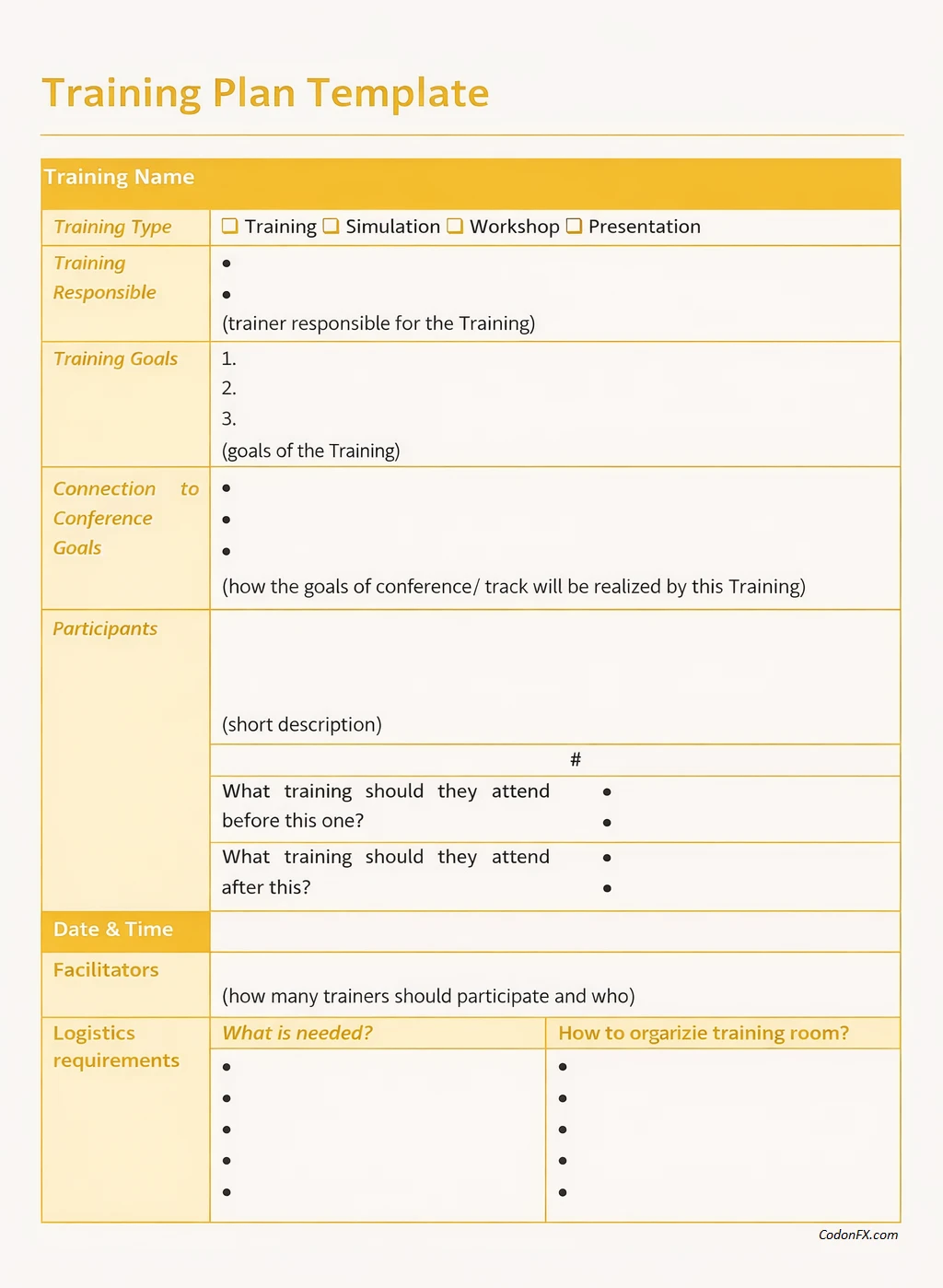
What is a Training Manual?
A training manual is a comprehensive document that serves as a guide for employees on how to perform their job duties effectively. It outlines the specific processes, procedures, and best practices that employees need to follow to ensure consistency and quality in their work.
A well-written training manual should be easy to understand, accessible to all employees, and regularly updated to reflect any changes in processes or procedures.
Why are Training Manuals Important?
Training manuals play a crucial role in the success of any organization. Here are some key reasons why training manuals are important:
Reduction of Learning Curve
One of the primary benefits of a training manual is that it helps new employees get up to speed quickly. By providing all the necessary information in one document, new employees can familiarize themselves with their roles and responsibilities, as well as the procedures they need to follow to perform their job effectively. This reduction in the learning curve can lead to increased productivity and efficiency within the organization.
Minimization of Errors
Training manuals are designed to provide employees with clear guidelines and instructions on how to perform their job duties. By following these guidelines, employees are less likely to make mistakes or overlook important steps in the process. This can lead to improved quality of work, reduced rework, and ultimately, increased customer satisfaction. Minimizing errors also helps to maintain the reputation of the organization and build trust with customers and stakeholders.
Promotion of Consistency
Consistency is key in any organization, as it ensures that all employees are working towards the same goals and objectives. Training manuals help to promote consistency by outlining the standard procedures and processes that employees need to follow. This ensures that everyone is on the same page and reduces the likelihood of confusion or misunderstandings. Consistency in work performance can lead to increased efficiency, improved communication, and a stronger overall performance as an organization.
Key Elements of a Training Manual
When creating a training manual, there are several key elements that you should include to ensure its effectiveness:
Introduction
The introduction of the training manual sets the tone for the document and provides employees with an overview of what to expect. In the introduction, you should outline the purpose of the manual, explain why it is important, and provide an overview of the topics that will be covered. This helps to engage employees from the start and gives them a clear understanding of what they will be learning.
Company Overview
Providing employees with a company overview in the training manual helps to give them context about the organization they are working for. This section should include information about the company’s history, values, mission, and goals. By understanding the company’s background and objectives, employees can better align their work with the overall vision of the organization and feel more connected to their role within the company.
Job Descriptions
Clearly outlining the roles and responsibilities of each position within the organization is crucial for helping employees understand their job duties. Job descriptions should be detailed and specific, outlining the key tasks, responsibilities, and expectations for each position. This helps to clarify expectations, set performance standards, and provide employees with a roadmap for success in their role.
Training Procedures
The training procedures section of the manual should detail the specific processes that employees need to follow to perform their job duties effectively. This section should provide step-by-step instructions, examples, and best practices for completing tasks, handling various situations, and interacting with customers or clients. By outlining the procedures clearly, employees can refer back to the manual as needed and ensure that they are following the correct processes at all times.
FAQs
Including a section of frequently asked questions (FAQs) in the training manual can help to address common concerns and provide additional support to employees. This section should cover any questions or issues that employees may encounter while performing their job duties and provide clear answers and solutions. By addressing common questions proactively, you can help to reduce confusion, improve efficiency, and empower employees to perform their roles effectively.
How to Create an Effective Training Manual
Creating an effective training manual requires careful planning, attention to detail, and a focus on engaging and informing employees. Here are some tips to help you create a training manual that is informative and easy to follow:
Know Your Audience
Understanding the needs, preferences, and skill levels of your audience is crucial when creating a training manual. Tailor the content of the manual to meet the specific needs of your employees, taking into account their knowledge, experience, and learning styles. By knowing your audience, you can create a manual that is relevant, engaging, and effective in helping employees learn and apply new skills.
Use Clear and Concise Language
When writing a training manual, it is important to use clear and concise language that is easy for all employees to understand. Avoid technical jargon, industry-specific terminology, or complex language that may confuse or alienate employees. Use simple, straightforward language that conveys the information clearly and effectively, making it easy for employees to follow along and apply the knowledge in their day-to-day work.
Include Visuals
Visual aids, such as images, diagrams, charts, and infographics, can help to enhance the effectiveness of a training manual by making complex concepts and procedures easier to understand. Visuals can help to illustrate key points, break down information into digestible chunks, and provide a visual reference for employees to follow. Including visuals in the training manual can improve retention, engagement, and overall comprehension of the material.
Solicit Feedback
Feedback from employees is invaluable when creating a training manual, as it can help you identify areas for improvement, clarify any confusing or unclear information, and make necessary revisions to the content. Solicit feedback from employees during the creation process, as well as after the manual has been implemented, to ensure that it is meeting their needs and helping them perform their job duties effectively. By listening to feedback and making adjustments as needed, you can create a training manual that is truly effective and beneficial for employees.
Tips for Successful Implementation
Once you have created a training manual, it is important to ensure that it is effectively implemented within your organization. Here are some tips for successful implementation:
Train Employees
Provide training sessions to familiarize employees with the content of the manual and address any questions or concerns they may have. Training sessions can help to reinforce the information in the manual, provide opportunities for hands-on practice, and ensure that employees understand how to apply the knowledge in their day-to-day work. By training employees effectively, you can set them up for success and ensure that they are able to perform their job duties confidently and competently.
Regularly Update
Keep the training manual up to date by regularly reviewing and updating the content to reflect any changes in processes or procedures within the organization. As the business evolves, new technologies are adopted, or regulations change, it is important to update the training manual to ensure that employees have the most current and accurate information. Regular updates help to maintain the relevance and effectiveness of the manual, ensuring that employees are following the correct procedures and best practices at all times.
Monitor Performance
Monitor employees’ performance to ensure that they are following the guidelines outlined in the training manual. Regularly assess employees’ work, provide feedback, and address any issues or concerns that may arise. Monitoring performance helps to identify areas for improvement, track progress, and ensure that employees are applying the knowledge and skills learned from the manual in their day-to-day work. By monitoring performance, you can identify strengths and weaknesses, provide targeted support and training, and ultimately improve overall performance within the organization.
Reward Compliance
Recognize and reward employees who consistently adhere to the procedures outlined in the training manual. Acknowledge employees who demonstrate a commitment to following best practices, achieving goals, and upholding the standards outlined in the manual. Rewards can take many forms, such as verbal recognition, bonuses, promotions, or other incentives that motivate and encourage employees to continue performing at a high level. By rewarding compliance, you reinforce the importance of following procedures, promote a culture of excellence, and encourage employees to strive for continuous improvement.
In Conclusion
A well-structured training manual is an invaluable tool for any organization looking to maximize efficiency, reduce errors, and promote consistency among employees. By providing clear guidelines, defining procedures, and offering support to employees, training manuals play a crucial role in ensuring that employees are well-equipped to perform their job duties effectively.
With careful planning, attention to detail, and a commitment to ongoing improvement, you can create a training manual that is informative, engaging, and ultimately contributes to the success of your organization. By investing in the development and implementation of a comprehensive training manual, you can empower your employees, improve performance, and drive success in your business.
Training Manual Template – DOWNLOAD
