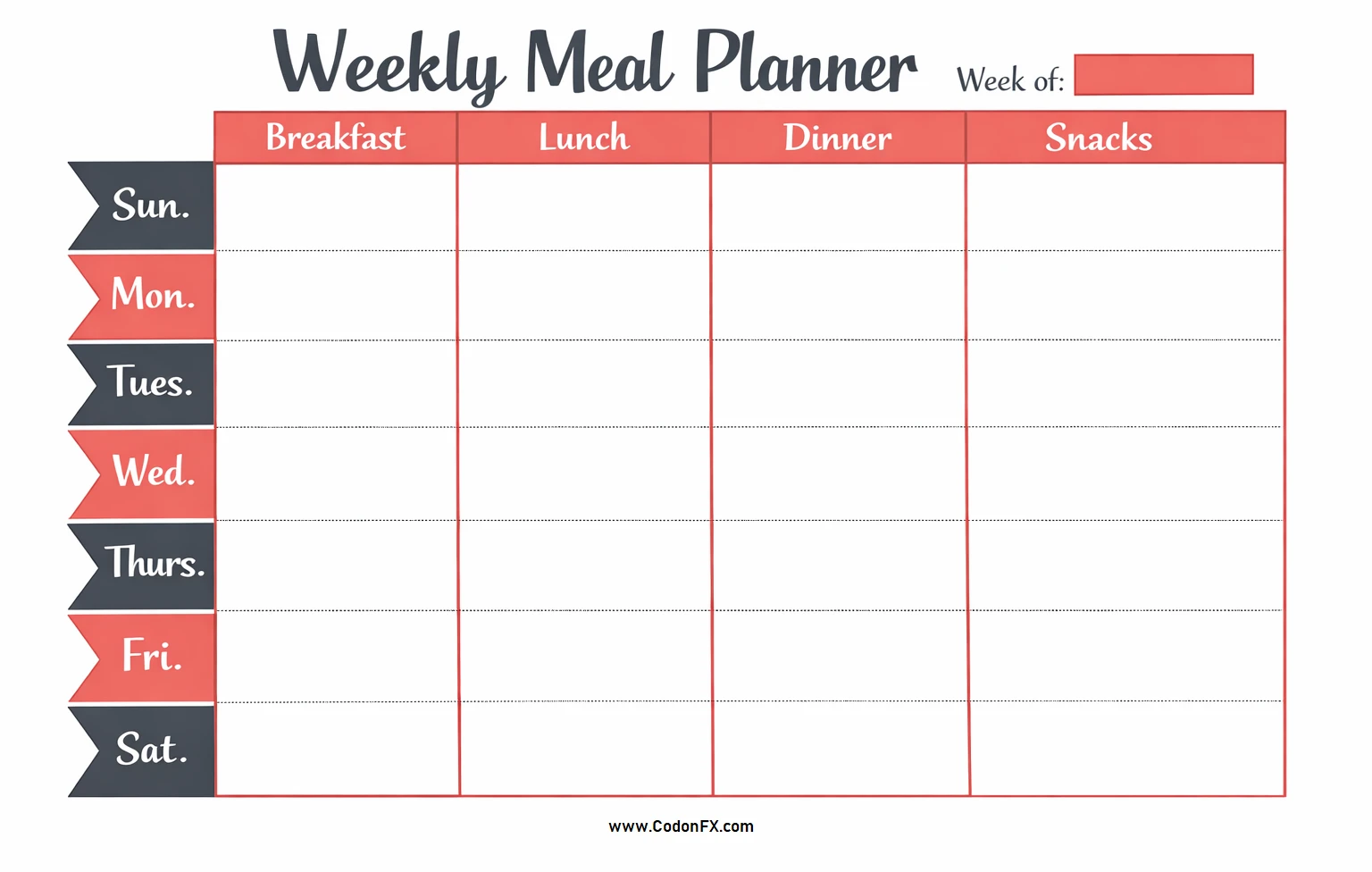
Are you looking to take control of your nutrition, plan meals effectively, and improve your eating habits? A weekly food chart can be the answer to your needs.
This practical tool helps you balance your nutrition, manage your budget, reduce food waste, and increase awareness and accountability when it comes to what you eat. By providing a snapshot of your intake and ensuring variety and nutritional value in your diet, a weekly food chart serves as a valuable resource for healthy eating, organization, and reaching weight management goals.
What is a Weekly Food Chart?
A weekly food chart is a visual representation of your planned meals for the week. It helps you stay on track with your eating habits by outlining what you will eat each day. This tool can be as simple as a handwritten list or as detailed as a color-coded spreadsheet.
Regardless of the format, the key is to map out your meals in advance to ensure you are getting the nutrients you need and staying within your budget.
Why Use a Weekly Food Chart?
There are several reasons why incorporating a weekly food chart into your routine can be beneficial:
- Meal Planning: By planning your meals, you can save time and reduce stress during the week.
- Balanced Nutrition: A food chart helps you ensure you are getting a variety of nutrients in your diet.
- Manage Budget: Planning meals can help you stick to a grocery budget and avoid unnecessary purchases.
- Reduce Food Waste: By buying only what you need for the week, you can minimize food waste.
- Improve Eating Habits: Increased awareness of what you are eating can lead to healthier choices and better eating habits.
Key Elements of a Weekly Food Chart
When creating a weekly food chart, there are a few key elements to consider:
- Meal Categories: Plan for a variety of meals, including breakfast, lunch, dinner, and snacks.
- Nutritional Balance: Ensure you are including a mix of proteins, carbohydrates, fats, fruits, and vegetables in your meals.
- Portion Control: Pay attention to portion sizes to avoid overeating.
- Shopping List: Use your food chart to create a shopping list based on the ingredients you will need.
- Flexibility: Allow for some flexibility in your meal planning to accommodate changes in your schedule or cravings.
How to Create a Weekly Food Chart
Follow these steps to create your own weekly food chart:
1. Choose a Format:
Decide whether you want to use a paper chart, a spreadsheet, or a meal planning app to create your weekly food chart.
2. Set Goals:
Determine your nutritional goals and weight management goals to guide your meal planning.
3. Plan Your Meals:
Outline your meals for the week, including breakfast, lunch, dinner, and snacks. Be sure to include a variety of foods to meet your nutritional needs.
4. Create a Shopping List:
Based on your meal plan, create a shopping list of the ingredients you will need for the week.
5. Prep Ahead:
Consider prepping some ingredients in advance to save time during the week.
6. Stick to Your Plan:
Try to stick to your meal plan as much as possible, but allow for some flexibility when needed.
7. Track Your Progress:
Keep track of what you eat each day to monitor your progress and make adjustments as needed.
8. Reflect and Adjust:
At the end of the week, reflect on your meals and make adjustments for the following week based on what worked well and what didn’t.
Tips for Using a Weekly Food Chart
Here are some tips to help you make the most of your weekly food chart:
- Include Variety: Try to include a variety of foods in your meals to ensure you are getting a wide range of nutrients.
- Plan for Treats: Allow yourself to indulge in your favorite treats in moderation to avoid feelings of deprivation.
- Listen to Your Body: Pay attention to how different foods make you feel and adjust your meal plan accordingly.
- Stay Flexible: Be willing to adjust your meal plan based on changes in your schedule or preferences.
- Seek Support: Share your weekly food chart with a friend or family member to help you stay accountable.
- Celebrate Your Successes: Celebrate small wins along the way to keep yourself motivated and on track.
In Conclusion
A weekly food chart is a valuable tool for improving your eating habits, managing your budget, and reaching your weight management goals. By planning your meals, you can ensure you are getting the nutrients you need, reduce food waste, and stay on track with your health and wellness journey. With a little organization and commitment, you can maximize your health and well-being with the help of a weekly food chart.
Weekly Food Chart Template – DOWNLOAD
