When securing funding for your event, project, or organization, a well-crafted sponsorship proposal can make all the difference. A sponsorship proposal is essentially a formal pitch to a potential sponsor, convincing them to provide financial or in-kind support in exchange for a variety of benefits.
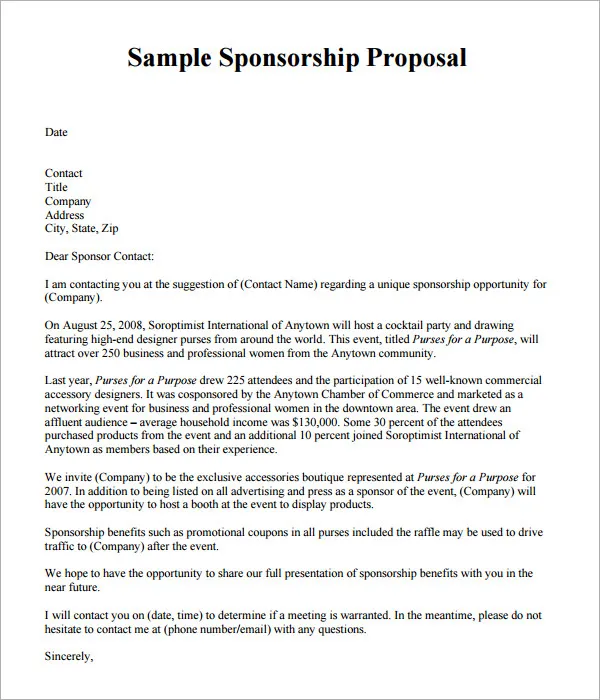
This document acts as a business case, demonstrating mutual value and alignment with the sponsor’s goals. By showcasing the tangible benefits, such as brand visibility, audience engagement, and marketing exposure, you create a compelling argument for why a sponsor should invest in your initiative.
What is a Sponsorship Proposal?
A sponsorship proposal is a strategic document that outlines your event, project, or organization and presents a compelling case for why a potential sponsor should partner with you. It provides details on the benefits the sponsor will receive in exchange for their support, such as brand exposure, access to a specific target audience, and opportunities for marketing activation.
Essentially, a sponsorship proposal is a sales pitch aimed at securing funding from a corporate entity or individual sponsor.
Why You Need a Sponsorship Proposal?
Creating a sponsorship proposal is essential for several reasons.
Establishing Credibility
One of the key reasons why you need a sponsorship proposal is to establish credibility with potential sponsors. By presenting a structured and well-thought-out proposal, you showcase your professionalism and commitment to your event or project. This credibility can make a significant impact on sponsors, helping them feel confident in their decision to support your initiative.
Moreover, a sponsorship proposal demonstrates that you have done your homework and understand the needs and preferences of potential sponsors. By tailoring your proposal to align with the sponsor’s goals and target audience, you show that you are serious about building a mutually beneficial partnership. This level of detail and customization can set you apart from other organizations seeking sponsorship.
Clarifying Goals and Objectives
Another important reason for creating a sponsorship proposal is to clarify your goals and objectives for the event or project. The process of developing a proposal forces you to think critically about what you hope to achieve and how sponsorship can help you reach those goals. By clearly defining your objectives, you can create a more compelling case for why sponsors should invest in your initiative.
Additionally, outlining your goals and objectives in the proposal helps potential sponsors understand the purpose and impact of their support. By clearly communicating what you hope to achieve and how their sponsorship will contribute to that success, you make it easier for sponsors to see the value of partnering with you. This clarity can be a deciding factor for sponsors considering whether to support your initiative.
Building Trust and Transparency
A sponsorship proposal is not just a sales document; it’s also an opportunity to build trust and transparency with potential sponsors. By clearly outlining the benefits that sponsors will receive and the expectations for the partnership, you demonstrate your commitment to honesty and integrity. This level of transparency can help foster a strong and trusting relationship with sponsors, leading to long-term partnerships.
Moreover, by providing detailed information about your event or project, your target audience, and the benefits of sponsorship, you show that you have nothing to hide. This openness and willingness to share information can reassure sponsors that their investment will be well-managed and effectively utilized. Building trust through your proposal can set the foundation for a successful partnership built on mutual respect and understanding.
What to Include in a Sponsorship Proposal?
When creating a sponsorship proposal, there are several key elements that you should include to make it as compelling as possible:
Executive Summary
The executive summary is the first section of your proposal and serves as an introduction to your event, project, or organization. It should provide a concise overview of the key highlights and benefits that sponsors can expect from partnering with you. This section is crucial as it sets the tone for the rest of the proposal and should capture the attention of the reader from the outset.
In the executive summary, you should clearly outline the purpose of your event or project, the target audience you aim to reach, and the unique value proposition that sets you apart from other initiatives. This section should be brief yet compelling, giving potential sponsors a taste of what they can expect if they choose to support your cause.
Sponsorship Levels
Offering different levels of sponsorship is a common practice in sponsorship proposals, as it allows sponsors to choose the level of support that best aligns with their goals and budget. When outlining sponsorship levels, be sure to clearly define the benefits that sponsors will receive at each tier, such as logo placement, branding opportunities, and exclusive experiences.
By providing a range of options, you cater to a variety of sponsor preferences and make it easier for sponsors to find a level that suits their needs. This flexibility can increase the likelihood of securing sponsorships from a diverse range of companies or individuals who may have different priorities or budget constraints.
Target Audience Demographics
Understanding your target audience is essential for attracting sponsors who are aligned with your event or project. In this section of your proposal, provide detailed information about the demographics, interests, and behaviors of your audience. This data helps sponsors see the potential reach and impact of their brand through the partnership.
Include information such as age, gender, location, income level, and consumer preferences to paint a clear picture of who attends your event or engages with your project. This information can help sponsors assess whether their target market aligns with your audience and whether the partnership offers valuable exposure to the right demographic.
Benefits Package
The benefits package is a crucial section of the sponsorship proposal, as it outlines the specific benefits that sponsors will receive in exchange for their support. This may include logo placement on marketing materials, recognition at the event, speaking opportunities, social media exposure, and more.
When detailing the benefits package, be sure to highlight the value that sponsors will gain from each opportunity. Explain how each benefit contributes to their overall marketing strategy and how it aligns with their goals for brand visibility and audience engagement. By clearly articulating the value of each benefit, you make it easier for sponsors to see the return on their investment.
Call to Action
The call to action is a critical component of any sponsorship proposal, as it clearly states what you are asking for from the sponsor. Whether you are seeking financial support, in-kind donations, or a combination of both, be specific about your needs and expectations in this section.
When crafting your call to action, be direct and concise in your request. Make it easy for sponsors to understand what you need from them and how they can get involved. By providing a clear call toaction, you eliminate any ambiguity and make it simple for sponsors to take the next steps in supporting your initiative. Encourage sponsors to reach out for more information, schedule a meeting to discuss partnership opportunities, or submit their sponsorship commitment through a designated portal or contact person.
Customization and Personalization
One of the keys to a successful sponsorship proposal is customization and personalization. Tailoring your proposal to the specific needs and interests of each potential sponsor can significantly increase your chances of securing their support. In this section, highlight the importance of personalization and provide examples of how you can tailor the proposal to align with the sponsor’s goals and target audience.
By demonstrating your willingness to customize the proposal to meet the unique needs of each sponsor, you show that you value their partnership and are committed to creating a mutually beneficial relationship. Personalization can help you stand out from the competition and make a strong impression on potential sponsors who may receive multiple sponsorship requests.
Clear Communication and Professionalism
Clear communication and professionalism are essential when creating a sponsorship proposal. In this section, emphasize the importance of professionalism in all aspects of the proposal, from the writing style and design to the delivery and follow-up process. Highlight the significance of clear, concise language, proper grammar and formatting, and attention to detail in every section of the proposal.
Professionalism extends beyond the content of the proposal to the way you interact with potential sponsors throughout the sponsorship process. Emphasize the importance of prompt responses, respectful communication, and a positive attitude when engaging with sponsors. By demonstrating professionalism in every interaction, you build credibility and trust with sponsors, increasing the likelihood of securing their support.
Building Relationships and Long-Term Partnerships
While securing sponsorship is the immediate goal of a sponsorship proposal, the ultimate objective is to build long-term partnerships with sponsors who share your values and vision. In this section, discuss the importance of relationship-building and the role that sponsorship proposals play in establishing strong connections with sponsors.
Emphasize the value of cultivating relationships with sponsors beyond the initial partnership, highlighting the benefits of ongoing collaboration and mutual support. Discuss strategies for maintaining communication with sponsors, expressing gratitude for their support, and seeking feedback to strengthen the partnership over time. By focusing on relationship-building, you create a foundation for sustainable partnerships that can benefit both parties for years to come.
How to Write a Compelling Sponsorship Proposal
Writing a compelling sponsorship proposal requires a mix of creativity, strategic thinking, and attention to detail. Here are some tips to help you craft a winning proposal:
Understand Your Sponsor
Researching and understanding your potential sponsor is essential for creating a compelling proposal. In this section, discuss the importance of researching the sponsor’s goals, values, target audience, and previous sponsorships to tailor your proposal to their specific needs. Highlight the benefits of aligning your proposal with the sponsor’s interests and showing how your event or project can help them achieve their objectives.
Provide tips for conducting thorough research, such as reviewing the sponsor’s website, social media presence, and previous sponsorship initiatives. Encourage readers to look for opportunities to connect their event or project with the sponsor’s brand messaging and values to create a strong alignment in the proposal.
Tell Your Story
Storytelling is a powerful tool for engaging readers and creating an emotional connection with potential sponsors. In this section, discuss the importance of incorporating storytelling elements into your proposal to make it more compelling and memorable. Highlight the value of sharing personal anecdotes, success stories, and testimonials that illustrate the impact of your event or project.
Provide examples of how storytelling can bring your proposal to life, capturing the reader’s attention and inspiring them to support your cause. Discuss the role of narrative structure, character development, and conflict resolution in crafting a compelling story that resonates with sponsors and motivates them to take action.
Quantify Your Impact
Data and metrics are essential for demonstrating the potential reach and impact of your event or project. In this section, emphasize the importance of using quantitative data to support your claims and showcase the value of sponsoring your initiative. Discuss the types of data you can include in your proposal, such as attendance numbers, social media metrics, and survey results.
Provide tips for collecting and presenting data effectively, such as using visualizations, charts, and graphs to make complex information more digestible. Highlight the significance of quantifying your impact to show sponsors the tangible benefits of partnering with you and the potential return on their investment.
Be Clear and Concise
Clarity and conciseness are key when writing a sponsorship proposal, as you want to convey your message effectively without overwhelming the reader with unnecessary details. In this section, discuss the importance of keeping your proposal focused and to the point, using clear language and formatting to guide the reader through the document.
Provide tips for streamlining your content, such as avoiding jargon, using bullet points for key information, and breaking up text with subheadings and visuals. Emphasize the value of brevity and simplicity in communicating your ideas, ensuring that sponsors can quickly grasp the benefits of supporting your initiative without getting lost in extraneous information.
Follow Up
Following up with potential sponsors after submitting your proposal is essential for maintaining momentum and closing the deal. In this section, discuss the importance of proactive communication and engagement with sponsors to address any questions, concerns, or additional information they may need to make a decision.
Provide tips for following up effectively, such as sending personalized thank-you notes, scheduling follow-up meetings, and providing updates on the status of their sponsorship request. Emphasize the value of ongoing communication and relationship-building to demonstrate your commitment to the partnership and secure the sponsor’s support.
Tips for Successful Sponsorship Proposals
Creating a successful sponsorship proposal requires strategic thinking, creativity, and attention to detail. Here are some additional tips to help you craft a compelling proposal that resonates with potential sponsors:
Build Relationships
Establishing personal connections with potential sponsors can significantly increase your chances of securing their support. In this section, discuss the importance of networking, attending industry events, and engaging with sponsors on social media to build relationships and showcase your interest in their business.
Provide tips for connecting with sponsors, such as requesting informational interviews, offering to meet for coffee or lunch, and finding common interests to bond over. Emphasize the value of building genuine relationships based on trust and mutual respect, as these connections can be instrumental in securing sponsorships and long-term partnerships.
Customize Your Proposal
Avoid using a one-size-fits-all approach to sponsorship proposals. Tailoring each proposal to the specific needs and interests of the sponsor demonstrates your commitment to creating a partnership that benefits both parties. In this section, discuss the importance of customizing your proposal to align with the sponsor’s goals, values, and target audience.
Provide examples of how you can personalize the proposal, such as incorporating the sponsor’s logo, mentioning their previous sponsorships, and highlighting how their brand messaging fits with your event or project. Emphasize the value of customization in creating a compelling proposal that resonates with potential sponsors and motivates them to support your initiative.
Showcase Your Value
Highlighting the unique benefits and opportunities that your event or project offers is essential for attracting sponsors. In this section, discuss the importance of showcasing your value proposition and clearly articulating the benefits that sponsors will gain from supporting your initiative. Provide examples of how you can differentiate your proposal from others and demonstrate the value of partnering with you.
Emphasize the significance of highlighting your key selling points, such as exclusive access to a specific target audience, innovative marketing opportunities, or a track record of successful partnerships. By showcasing your value compellingly and persuasively, you make it easier for sponsors to see the benefits of supporting your initiative and the potential return on their investment.
Be Flexible
Being open to negotiating the terms of the sponsorship agreement can help build strong and lasting partnerships with sponsors. In this section, discuss the importance of flexibility and willingness to compromise to meet the needs of both parties. Highlight the value of finding common ground and working together to create a mutually beneficial partnership.
Provide tips for negotiating effectively, such as identifying areas of flexibility in your proposal, being open to alternative sponsorship options, and seeking input from sponsors on how to tailor the partnership to their needs. Emphasize the value of flexibility in building trust and collaboration with sponsors, leading to successful and long-term partnerships.
Follow Through
Once you have secured a sponsor, it’s essential to deliver on your promises and maintain open communication throughout the partnership. In this section, discuss the importance of follow-through and accountability in fulfilling the commitments outlined in your proposal. Highlight the value of providing regular updates, seeking feedback, and demonstrating transparency in all aspects of the partnership.
Provide tips for following through effectively, such as sending thank-you notes, providing progress reports, and seeking input on how to improve the sponsor’s experience. Emphasize the significance of delivering on your promises and maintaining a high level of professionalism and integrity to build trust and credibility with sponsors.
Sponsorship Proposal Template
A Sponsorship Proposal helps you present a clear, professional, and persuasive overview of your event, project, or organization to potential sponsors. It outlines key details such as objectives, audience demographics, sponsorship benefits, packages, and promotional opportunities, making it easier for sponsors to see the value of partnering with you. With a well-structured template, you can save time, communicate effectively, and increase your chances of securing sponsorship support.
Download our Sponsorship Proposal Template today to create a compelling proposal that attracts and builds successful sponsorship partnerships.
Sponsorship Proposal Template – DOWNLOAD
