When engaging in business transactions, it is crucial to establish clear guidelines and expectations to ensure a smooth and successful partnership. Vendor agreements play a vital role in this process by providing a legally binding contract that outlines the terms, responsibilities, and expectations of both parties involved.
These agreements provide a structured framework for the business relationship, fostering mutual understanding, accountability, and compliance with legal standards. By defining the scope of work, deliverables, payment terms, and other key details, vendor agreements help mitigate risks and potential disputes, while also fostering operational efficiency and transparency.
What is a Vendor Agreement?
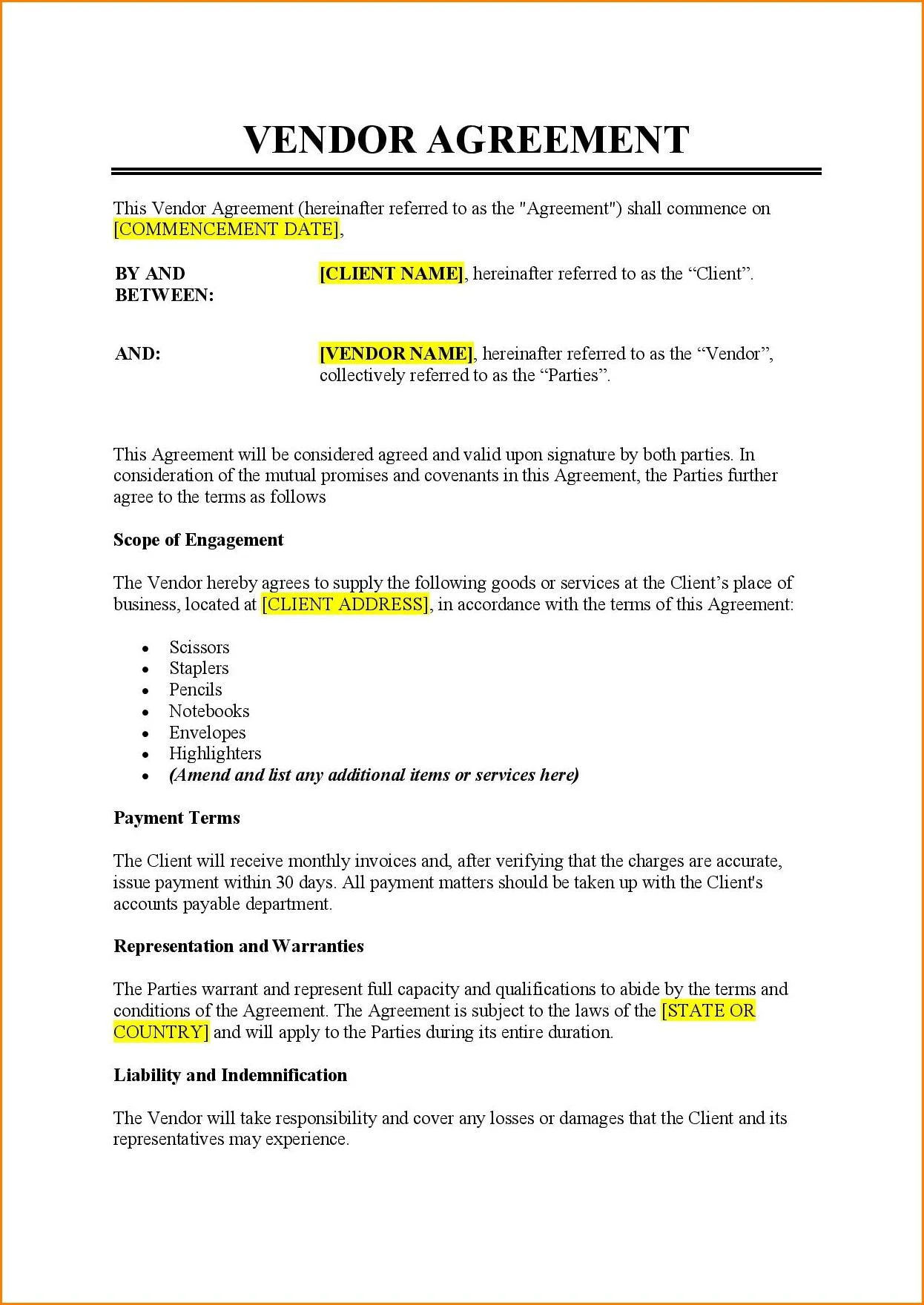
A vendor agreement, also known as a supplier agreement or service agreement, is a formal contract between a buyer and a vendor that outlines the terms and conditions of their business relationship. This agreement serves as a legally binding document that sets forth the rights, responsibilities, and obligations of both parties involved in the transaction.
Vendor agreements are crucial for establishing a clear understanding of the business relationship and ensuring that both parties are aligned regarding the goods or services being provided.
Why are Vendor Agreements Important?
Clarity and Understanding
One of the primary reasons why vendor agreements are important is that they provide clarity and understanding between the parties involved in a business relationship. By clearly defining the rights, obligations, and expectations of each party, vendor agreements help prevent misunderstandings, miscommunications, and disagreements. When both the buyer and the vendor have a clear understanding of their roles and responsibilities, they are more likely to work together effectively and achieve mutually beneficial outcomes.
Risk Mitigation
Vendor agreements are essential for mitigating risks associated with business transactions. By outlining the terms and conditions of the relationship, including payment terms, delivery schedules, warranties, and indemnities, these agreements help identify and address potential risks before they escalate into disputes or legal issues. By specifying the rights and obligations of each party and establishing procedures for dispute resolution, vendor agreements provide a framework for managing risks and protecting the interests of both parties involved.
Legal Compliance
Vendor agreements play a crucial role in ensuring legal compliance and protecting the rights of both the buyer and the vendor. These agreements outline the legal obligations of each party, ensuring that they comply with applicable laws, regulations, and industry standards. By including provisions related to confidentiality, warranties, indemnities, and dispute resolution, vendor agreements help safeguard both parties from legal liabilities and ensure that the business relationship is conducted in accordance with legal requirements.
Operational Efficiency
Efficiency is another key benefit of vendor agreements in business relationships. By clearly defining the scope of work, deliverables, timelines, and payment terms, these agreements help streamline operations and ensure that both parties are aligned in their expectations. When the terms of the agreement are well-defined and understood by all parties, it reduces the likelihood of delays, misunderstandings, and inefficiencies in the business relationship. This operational efficiency can lead to cost savings, improved productivity, and better outcomes for both the buyer and the vendor.
Transparency and Accountability
Vendor agreements promote transparency and accountability in business relationships by establishing clear guidelines for the partnership. These agreements ensure that both parties are aware of their rights and responsibilities, promoting open communication and trust between the buyer and the vendor. When expectations are clearly defined and agreed upon in writing, it fosters a sense of accountability and encourages both parties to uphold their end of the bargain. This transparency builds trust and credibility in the relationship, leading to a more positive and successful partnership.
Key Elements of a Vendor Agreement
Scope of Work
The scope of work is a critical component of a vendor agreement as it defines the specific products or services that the vendor will provide. This section outlines the objectives, deliverables, timelines, and quality standards expected from the vendor. By clearly defining the scope of work, both parties can avoid misunderstandings and ensure that the project is completed to their satisfaction. This section may also include details such as project milestones, performance metrics, and any additional services that may be required.
Payment Terms
Payment terms are another essential element of a vendor agreement that details the financial aspects of the business relationship. This section outlines the pricing structure, payment schedule, invoicing procedures, and any discounts or penalties related to payments. By specifying the payment terms in the agreement, both parties can avoid disputes over payment issues and ensure that transactions are conducted smoothly. The payment terms may also include provisions related to taxes, fees, currency, and payment methods accepted by the vendor.
Confidentiality Clauses
Confidentiality clauses are included in vendor agreements to protect sensitive information and data shared between the parties. These clauses prevent the unauthorized disclosure of confidential information and ensure that proprietary information remains secure. Confidentiality provisions may cover a wide range of topics, including trade secrets, intellectual property, customer data, and business strategies. By including confidentiality clauses in the agreement, both parties can trust that their confidential information will be safeguarded and not disclosed to third parties without their consent.
Warranties and Indemnities
Warranties and indemnities are important components of vendor agreements that address product quality, performance, and liability issues. Warranties assure the buyer that the vendor’s products or services meet certain standards and will perform as expected. Indemnities, on the other hand, protect the buyer from liability in case the vendor’s products or services cause harm or damage. By including warranties and indemnities in the agreement, both parties can mitigate risks and ensure that their interests are protected in case of disputes or legal issues.
Termination Provisions
Termination provisions outline the conditions under which either party can terminate the vendor agreement. These provisions specify the circumstances that would allow a party to end the contract, such as breaches of contract, non-performance, bankruptcy, or changes in business circumstances. Termination provisions may also include notice periods, termination fees, and procedures for winding down the relationship. By including clear termination provisions in the agreement, both parties can address potential exit strategies and minimize the impact of contract terminations.
Dispute Resolution Mechanisms
Dispute resolution mechanisms are essential for resolving conflicts or disagreements that may arise during the course of the business relationship. These mechanisms outline the procedures for handling disputes, such as mediation, arbitration, or litigation. By specifying the process for resolving disputes in the agreement, both parties can avoid costly legal battles and find amicable solutions to their disagreements. Dispute resolution mechanisms promote fairness, efficiency, and transparency in resolving conflicts, ensuring that the business relationship remains intact even in the face of challenges.
How to Draft a Vendor Agreement
Define the Scope of Work
When drafting a vendor agreement, it is essential to define the scope of work clearly and comprehensively. This includes outlining the specific products or services to be provided, the project timeline, deliverables, and quality standards. By detailing the scope of work in the agreement, both parties can avoid misunderstandings and ensure that they are aligned in their expectations. This section should be specific, measurable, achievable, relevant, and time-bound to provide a clear roadmap for the project.
Specify Payment Terms
Payment terms are a crucial aspect of a vendor agreement that should be clearly specified to avoid payment disputes. This section should outline the pricing structure, payment schedule, invoicing procedures, and any applicable taxes or fees. Both parties should agree on the payment terms before agreeing to prevent misunderstandings and ensure that transactions are conducted smoothly. The payment terms should be fair, transparent, and mutually beneficial for both the buyer and the vendor.
Include Confidentiality Clauses
Confidentiality clauses areincluded in vendor agreements to protect sensitive information shared between the parties. These clauses prevent the unauthorized disclosure of confidential information and ensure that proprietary data remains secure. When drafting confidentiality clauses, it is important to clearly define what constitutes confidential information, how it should be handled, and the duration of the confidentiality obligations. Both parties should agree on the scope of confidentiality and the consequences of breaching these obligations to safeguard their proprietary information.
Address Warranties and Indemnities
Warranties and indemnities are crucial components of a vendor agreement that provide assurance and protection to both parties. Warranties are promises made by the vendor regarding the quality, performance, and functionality of their products or services. These warranties set the expectations for the buyer and ensure that they receive what was promised. Indemnities, on the other hand, protect the buyer from liability in case the vendor’s products or services cause harm, losses, or damages. By addressing warranties and indemnities in the agreement, both parties can mitigate risks and establish accountability for product quality and performance.
Establish Termination Provisions
Termination provisions are essential for outlining the conditions under which either party can end the vendor agreement. These provisions specify the circumstances that would allow a party to terminate the contract, such as breaches of contract, non-performance, changes in business circumstances, or bankruptcy. Termination provisions may include notice periods, termination fees, and procedures for winding down the relationship. By including clear termination provisions in the agreement, both parties can address potential exit strategies and minimize the impact of contract terminations on their businesses.
Outline Dispute Resolution Mechanisms
Dispute resolution mechanisms are critical for addressing conflicts or disagreements that may arise during the business relationship. These mechanisms provide a roadmap for resolving disputes in a fair, efficient, and timely manner. Dispute resolution mechanisms may include negotiation, mediation, arbitration, or litigation, depending on the nature and severity of the dispute. By outlining the process for resolving disputes in the agreement, both parties can avoid prolonged legal battles and find amicable solutions to their disagreements. Dispute resolution mechanisms promote transparency, fairness, and accountability in resolving conflicts, ensuring that the business relationship remains intact.
Regular Review and Update
Once the vendor agreement has been drafted and signed, it is important to regularly review and update the agreement as needed. Businesses evolve, circumstances change, and new regulations may come into effect, requiring adjustments to the agreement. By reviewing the vendor agreement periodically, both parties can ensure that it remains relevant and effective in guiding their business relationship. Updates may be necessary to reflect changes in the scope of work, pricing, payment terms, or other key provisions. Regular reviews help prevent misunderstandings, disputes, and legal issues down the line.
Maintain Documentation
Keeping thorough records of all communications, agreements, and transactions related to the vendor relationship is essential for maintaining transparency and accountability. Both parties should maintain detailed documentation of all interactions, including emails, contracts, invoices, and other relevant documents. Documentation helps prevent misunderstandings, disputes, and legal issues by providing a clear record of the agreed-upon terms and conditions. In case of disagreements or disputes, having documentation to refer back to can help resolve issues quickly and effectively. Maintaining accurate records also demonstrates professionalism and diligence in managing the business relationship.
Build Trust and Positive Relationships
In addition to the legal aspects of vendor agreements, building trust and positive relationships with vendors is crucial for a successful partnership. Trust is the foundation of any business relationship and is built on transparency, honesty, and mutual respect. By communicating openly, setting clear expectations, and fulfilling commitments, both parties can establish a positive and trusting partnership. Building a strong relationship with vendors fosters collaboration, innovation, and long-term success. Trust and positive relationships contribute to a harmonious business environment where both parties can thrive and achieve their goals together.
Vendor Agreement Template – DOWNLOAD
