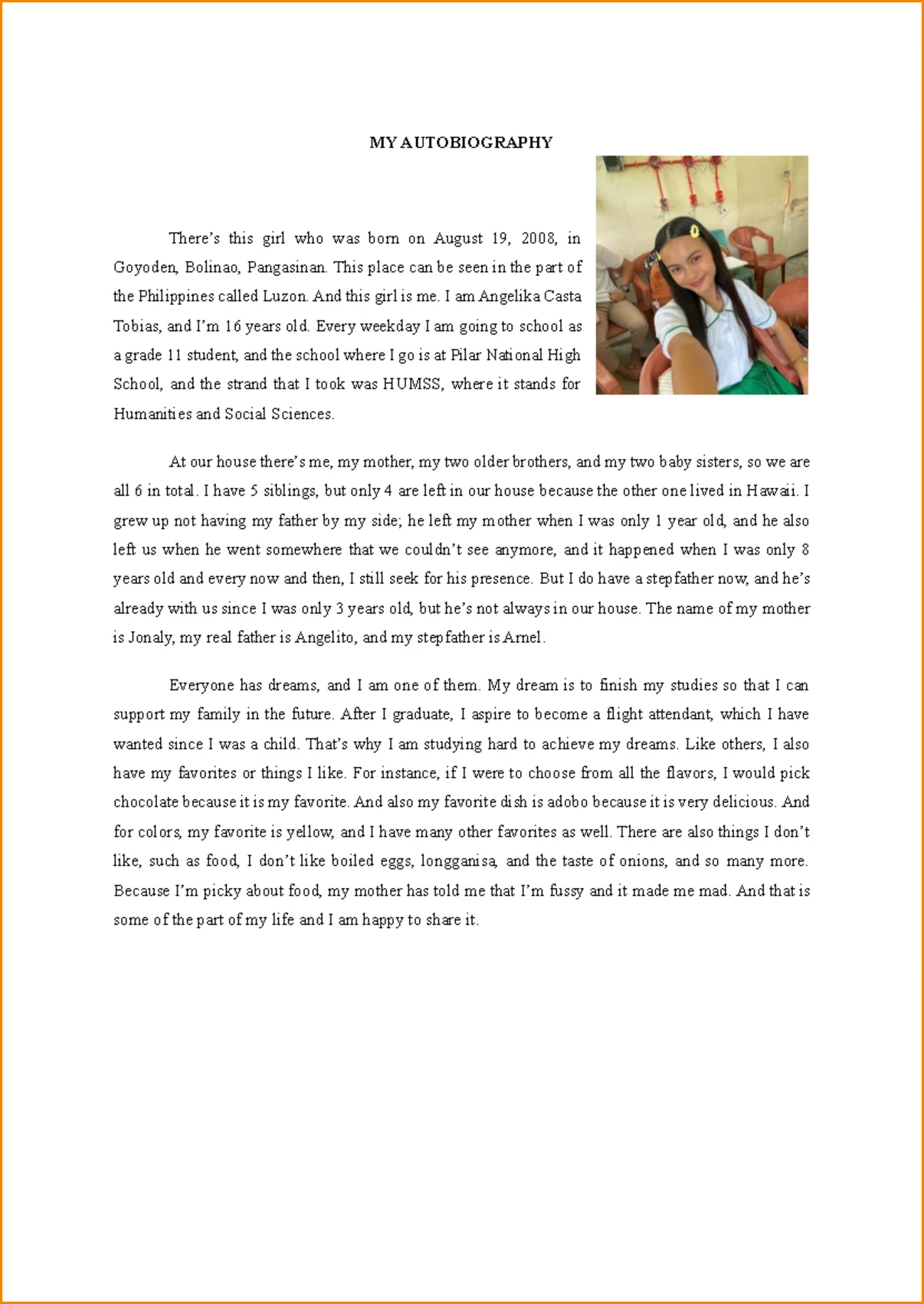
Autobiographies have long been a beloved literary form that allows authors to share their unique experiences, reflections, and perspectives with readers. By providing a first-person account of their lives, authors are able to offer a glimpse into their personal journey, including their upbringing, education, career, challenges, and achievements.
Through the pages of an autobiography, readers can gain insight into the author’s identity, personal growth, and the key events that have shaped their lives. This form of self-reflection not only allows authors to connect with others on a deeper level but also provides a platform for understanding and empathy.
What Is an Autobiography?
An autobiography is a written account of a person’s life, narrated by the author themselves. Typically, autobiographies cover the author’s childhood, education, career, relationships, and significant life events.
These narratives offer a unique perspective on the author’s experiences, emotions, and reflections, providing readers with a deeper understanding of the individual behind the story.

Autobiography vs. Biography
While both autobiographies and biographies focus on the life of an individual, there is a key distinction between the two genres. Autobiographies are written by the actual person whose life is being documented, offering a firsthand account of their experiences.
On the other hand, biographies are written by a third-party author who researches and compiles information about the subject’s life. This difference in perspective lends an intimate and personal touch to autobiographies, making them a powerful tool for self-expression and reflection.
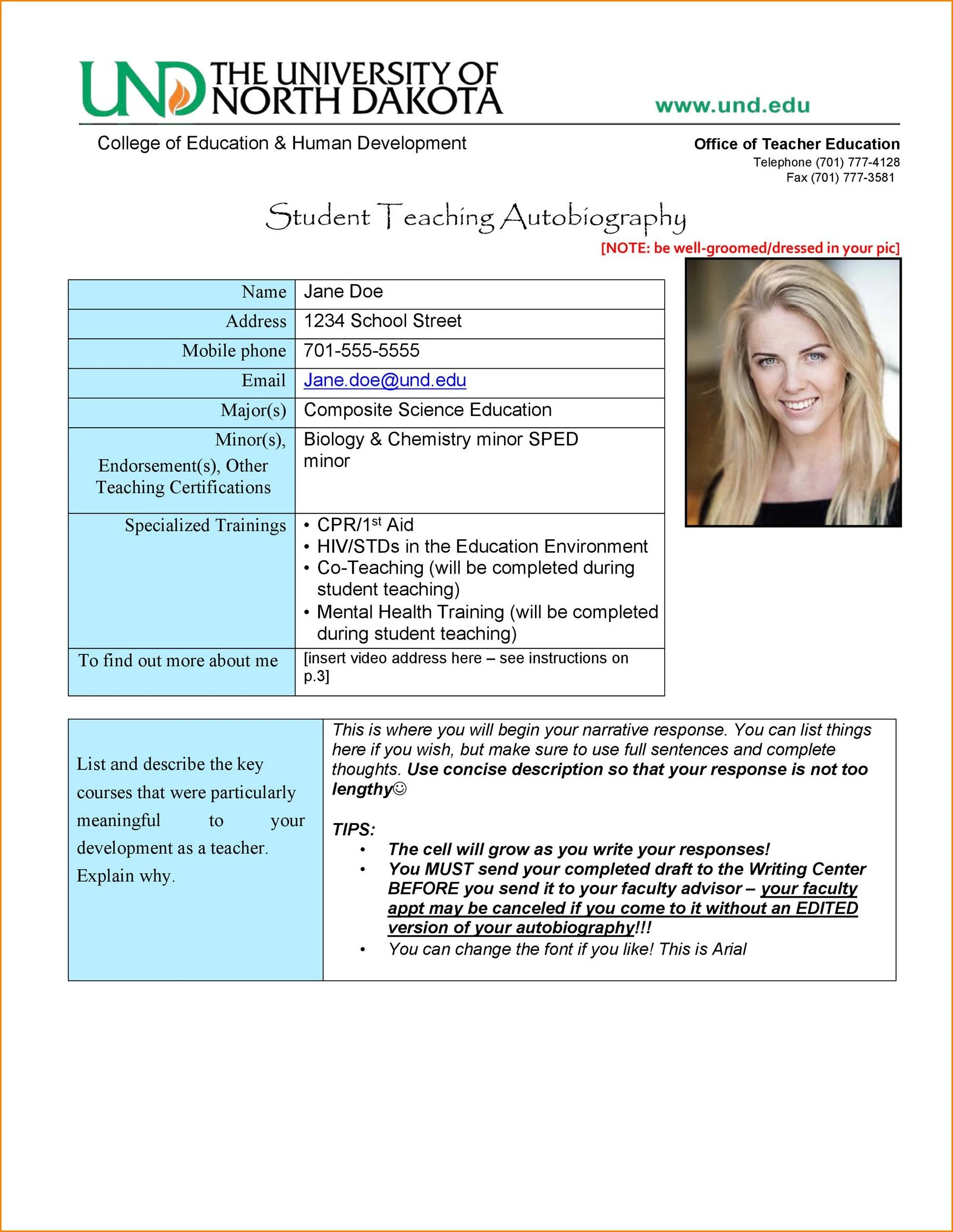
Why You Should Write an Autobiography?
There are several compelling reasons to write an autobiography, whether for personal growth, self-reflection, or sharing your story with others. Here are some benefits of embarking on the journey of writing your own life story:
- Catharsis: Writing can be a therapeutic process, allowing you to confront and work through past traumas or challenges.
- Legacy: By documenting your life story, you create a lasting legacy for future generations to learn from and be inspired by.
- Self-discovery: Writing an autobiography can help you gain a deeper understanding of yourself, your values, and your personal growth over time.
- Connection: Sharing your story can create connections with others who have had similar experiences or who may find inspiration in your journey.
- Inspiration: Your story has the power to inspire and motivate others who may be facing similar challenges or seeking guidance.
- Growth: Reflecting on your past experiences can help you identify patterns, learn from mistakes, and set goals for the future.
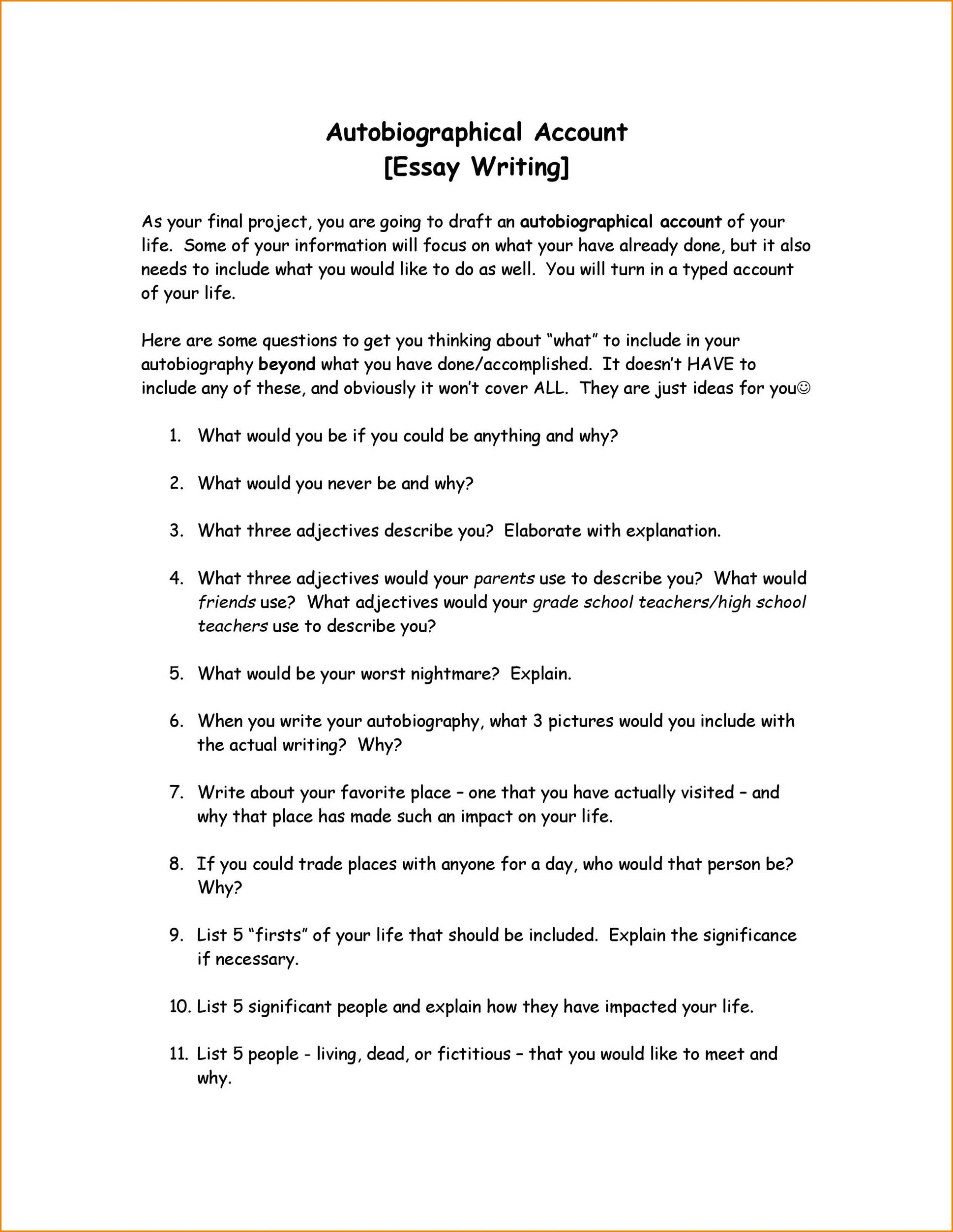
How to Write an Autobiography?
Writing an autobiography can seem like a daunting task, but breaking it down into manageable steps can help you navigate the process with ease. Here are some tips to get you started on your autobiographical journey:
- Outline your story: Begin by creating an outline of the key events, people, and themes you want to include in your autobiography.
- Start with a strong opening: Capture readers’ attention with a compelling introduction that sets the tone for your narrative.
- Be honest and authentic: Share your story truthfully, including both triumphs and challenges, to create a genuine connection with readers.
- Show, don’t tell: Use descriptive language and vivid storytelling to bring your experiences to life on the page.
- Reflect on your growth: Take time to reflect on how your experiences have shaped you as a person and what lessons you have learned along the way.
- Seek feedback: Share your writing with trusted friends or family members for feedback and suggestions on how to improve your narrative.
Autobiography Template – Word
