What is a Business Agreement?
A business agreement serves as a legally binding document that outlines the terms and conditions of a transaction between two or more parties. It is a fundamental tool used in business to establish the rights, responsibilities, expectations, and obligations of all parties involved. By creating a business agreement, businesses can prevent misunderstandings, manage risks, and provide a clear framework for resolving disputes.
Why are Business Agreements Important?
Business agreements play a crucial role in the smooth functioning of any business transaction. They are important for several reasons, including legal protection, risk management, operational efficiency, and trust-building.
Legal Protection
One of the primary reasons why business agreements are important is that they provide legal protection for all parties involved in the transaction. By clearly outlining the terms and conditions of the agreement, businesses can protect their interests and ensure that they have recourse in case of any breaches or disputes.
Having a legally binding agreement in place can help prevent misunderstandings and disagreements from escalating into costly legal battles. It provides a clear record of the transaction that can be used as evidence in court, should the need arise.
Risk Management
Business agreements also play a crucial role in risk management. By clearly defining the responsibilities and obligations of each party, businesses can anticipate potential risks and take steps to mitigate them.
For example, a well-drafted agreement can include provisions for what will happen in the event of a breach, how disputes will be resolved, and how confidential information will be protected. By addressing these issues upfront, businesses can avoid costly disputes and minimize the risks associated with the transaction.
Operational Efficiency
Having a business agreement in place can also help streamline the operational process. By providing a clear roadmap for how the transaction will be conducted, businesses can avoid confusion and delays that can arise from a lack of clarity.
For example, a business agreement can specify deadlines, deliverables, and milestones that need to be met throughout the course of the transaction. This can help ensure that both parties are on the same page and working towards a common goal.
Trust-Building
Finally, business agreements are essential for building trust between the parties involved in the transaction. By clearly defining the expectations and obligations of each party, businesses can foster a sense of trust and reliability that is crucial for long-term business relationships.
When all parties know what is expected of them and can rely on the agreement to guide their actions, it creates a foundation of trust that can lead to successful collaborations and partnerships.
Key Elements of a Business Agreement
Several key elements should be included in a business agreement to ensure that it is comprehensive, clear, and enforceable. These elements help define the rights and responsibilities of each party and provide a framework for resolving disputes.
Identification of the Parties
One of the first steps in creating a business agreement is to clearly identify the parties involved in the transaction. This includes providing the legal names and addresses of the parties, as well as any other relevant information that may be necessary for the agreement to be legally binding.
By clearly identifying the parties, businesses can ensure that there is no confusion about who is responsible for fulfilling the terms of the agreement. This can help prevent disputes and disagreements down the line.
Terms and Conditions
The terms and conditions of the agreement outline the specific details of the transaction, including what goods or services will be exchanged, the price to be paid, the timeline for delivery, and any other relevant information. These terms should be clear, specific, and mutually agreed upon by all parties.
By clearly outlining the terms and conditions of the agreement, businesses can ensure that there is no room for misinterpretation or misunderstanding. This can help prevent disputes and disagreements from arising during the course of the transaction.
Payment Details
Payment details are a crucial component of any business agreement, as they specify how and when payments will be made. This includes the total amount to be paid, the method of payment, the schedule for payments, and any other relevant information related to the financial aspect of the transaction.
By clearly outlining the payment details in the agreement, businesses can avoid confusion or disagreements about how payments will be made. This can help ensure that all parties are in agreement about the financial terms of the transaction.
Duration of the Agreement
The duration of the agreement specifies how long the agreement will be in effect. This can be for a specific period of time, such as a fixed term contract, or it can be open-ended with provisions for termination. The duration of the agreement should be clearly stated to avoid any misunderstandings about when the agreement will expire.
By clearly defining the duration of the agreement, businesses can ensure that all parties are aware of their commitments and responsibilities for the specified period. This can help prevent disputes and disagreements about the timeline for the transaction.
Termination Clause
A termination clause outlines the circumstances under which the agreement can be terminated. This can include factors such as breach of contract, failure to perform, or mutual agreement by the parties. The termination clause should specify the process for ending the agreement and any consequences that may arise from termination.
Having a termination clause in the agreement can provide clarity and certainty for all parties involved. It helps establish a process for ending the agreement if necessary, reducing the risk of disputes or disagreements about how the agreement can be terminated.
Dispute Resolution
Dispute resolution mechanisms outline how disputes will be resolved if they arise during the course of the transaction. This can include options such as mediation, arbitration, or litigation. The dispute resolution mechanisms should be clearly defined in the agreement to provide a roadmap for resolving conflicts.
By including dispute resolution mechanisms in the agreement, businesses can proactively address potential disputes and establish a process for resolving them. This can help save time and resources by avoiding costly legal battles and ensuring that disputes are settled in a fair and efficient manner.
Confidentiality
Confidentiality provisions outline how confidential information will be protected during the course of the transaction. This can include restrictions on sharing sensitive information with third parties, obligations to keep information confidential, and penalties for breaching confidentiality obligations.
By including confidentiality provisions in the agreement, businesses can protect their sensitive information and trade secrets from being disclosed or misused. This can help build trust between the parties involved and ensure that confidential information is handled appropriately.
Signature of All Parties
Finally, it is essential for all parties involved in the agreement to sign the document to make it legally binding. The signatures indicate that each party has read and understood the terms of the agreement and agrees to be bound by them. This helps ensure that the agreement is enforceable in a court of law.
By obtaining the signatures of all parties, businesses can create a legally binding document that is enforceable in case of any disputes or breaches. This provides a level of certainty and security for all parties involved, knowing that they have a legal document to refer to in case of any disagreements.
Examples
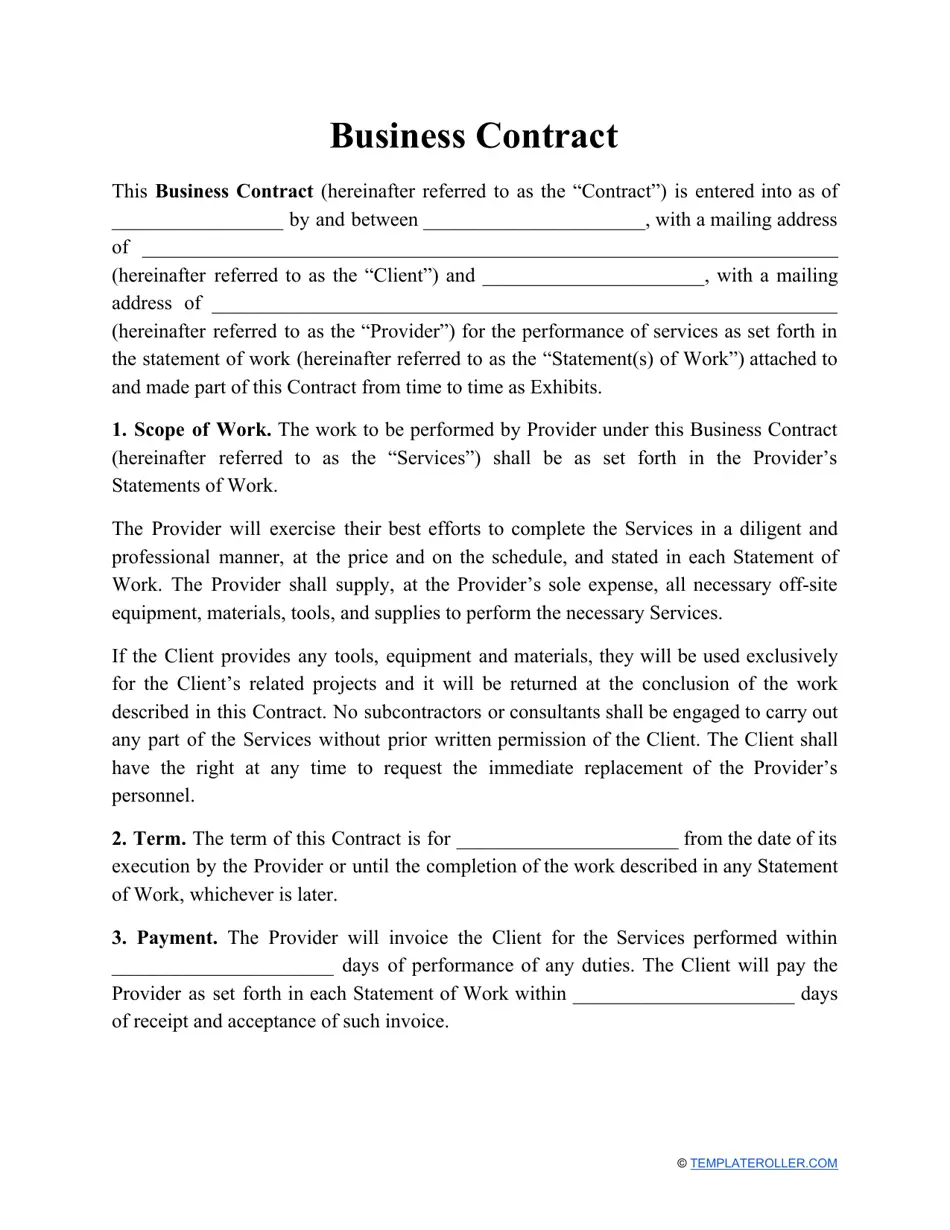
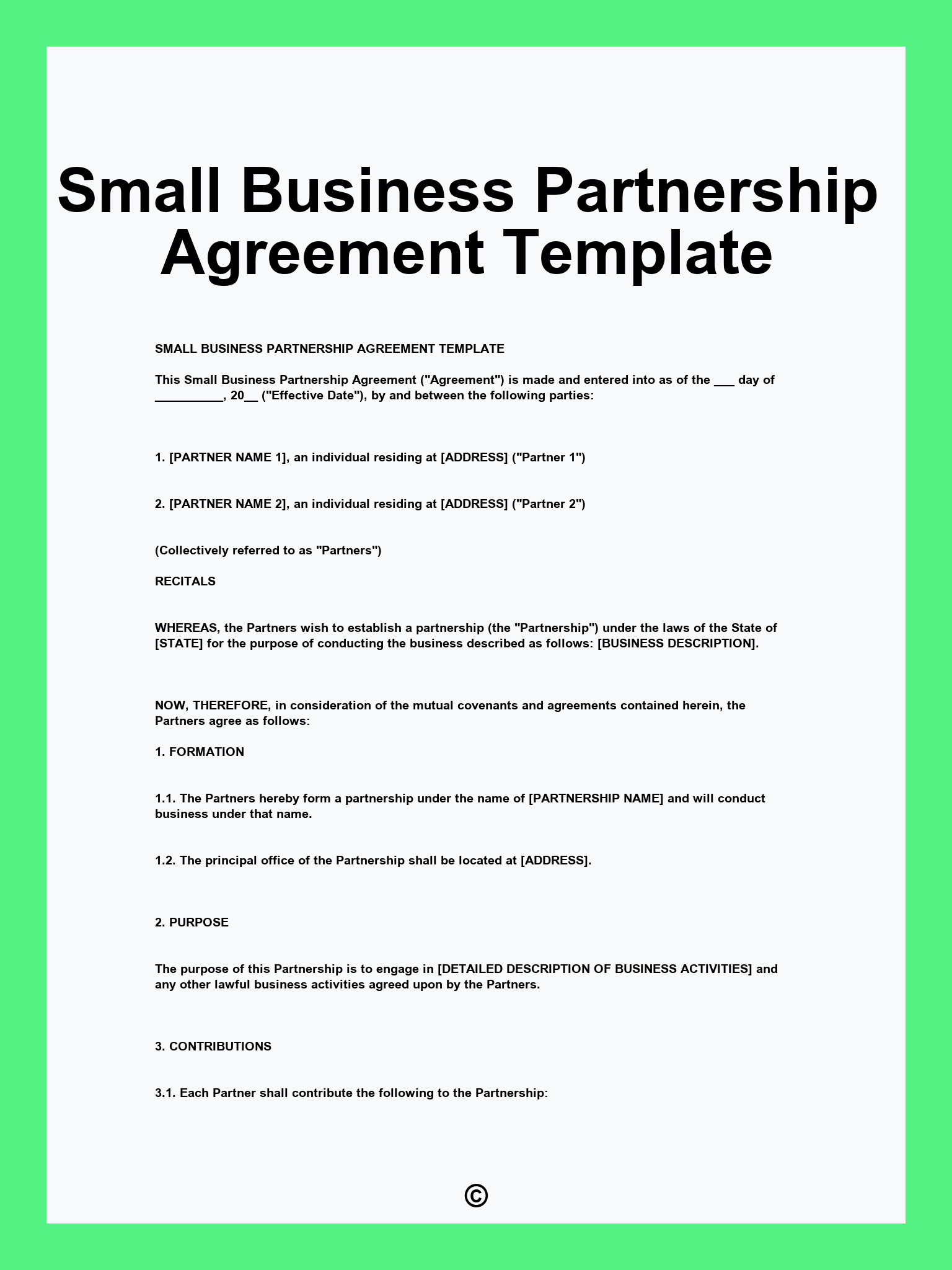
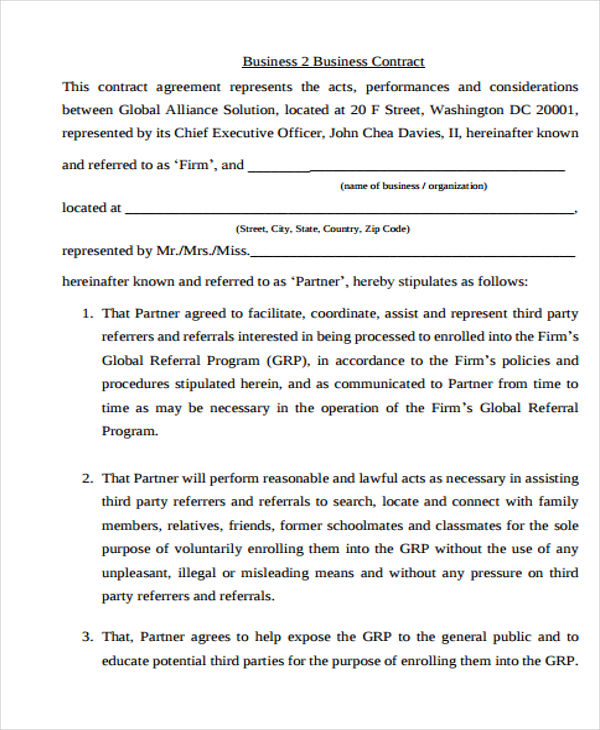
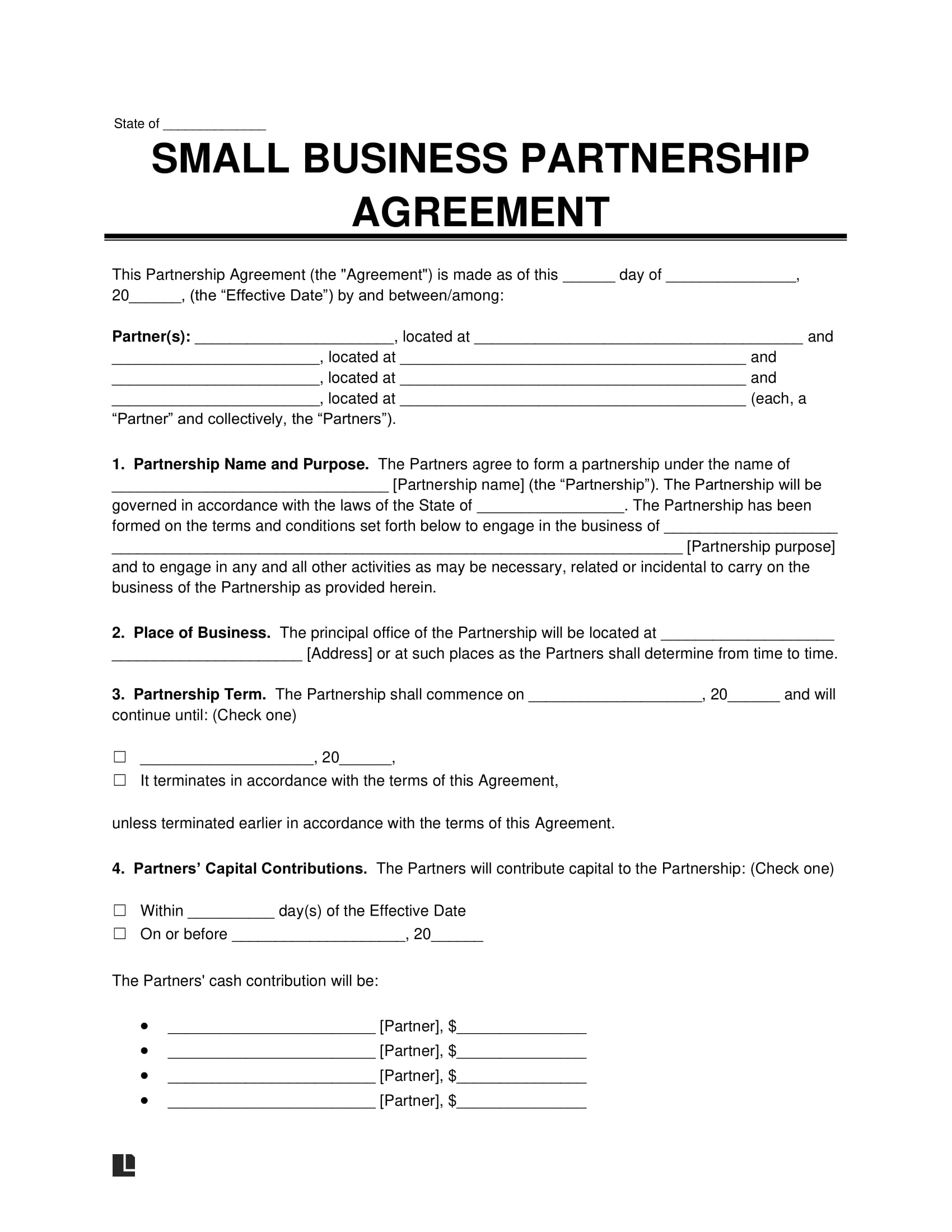
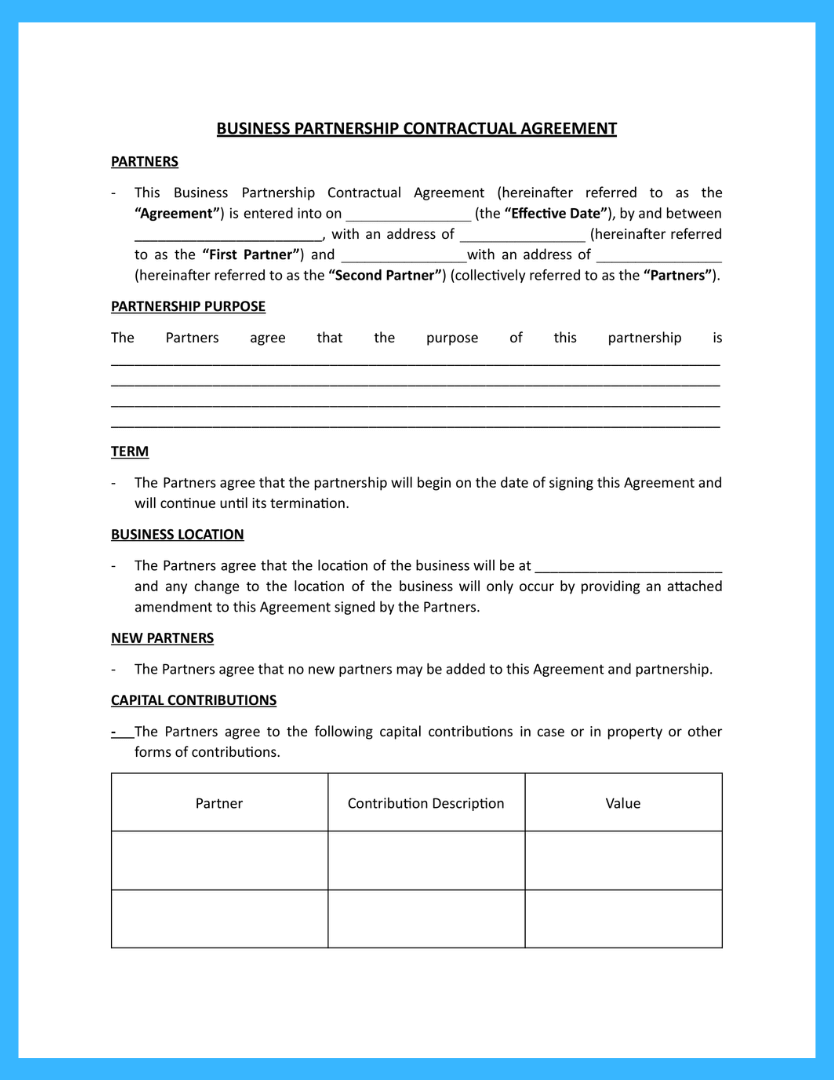
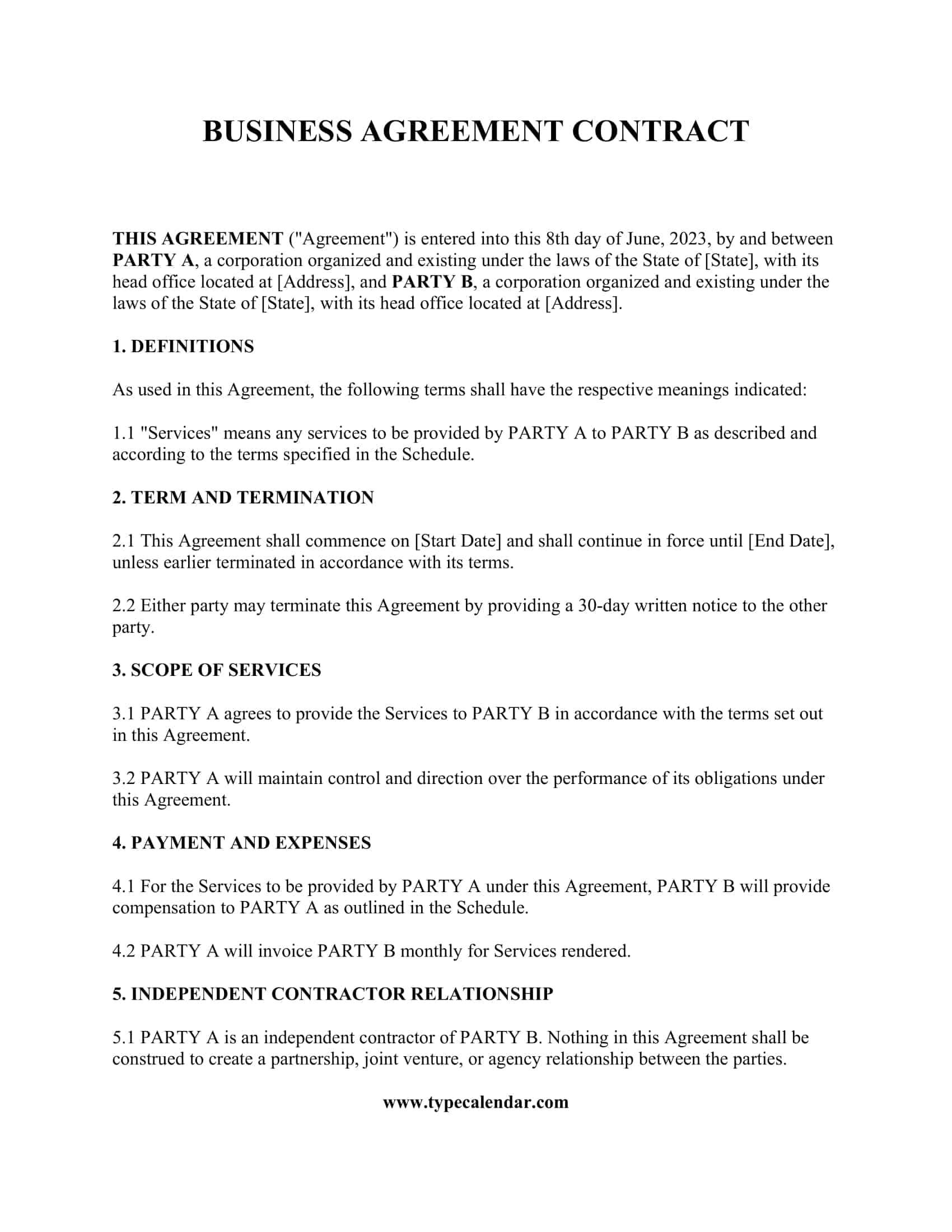
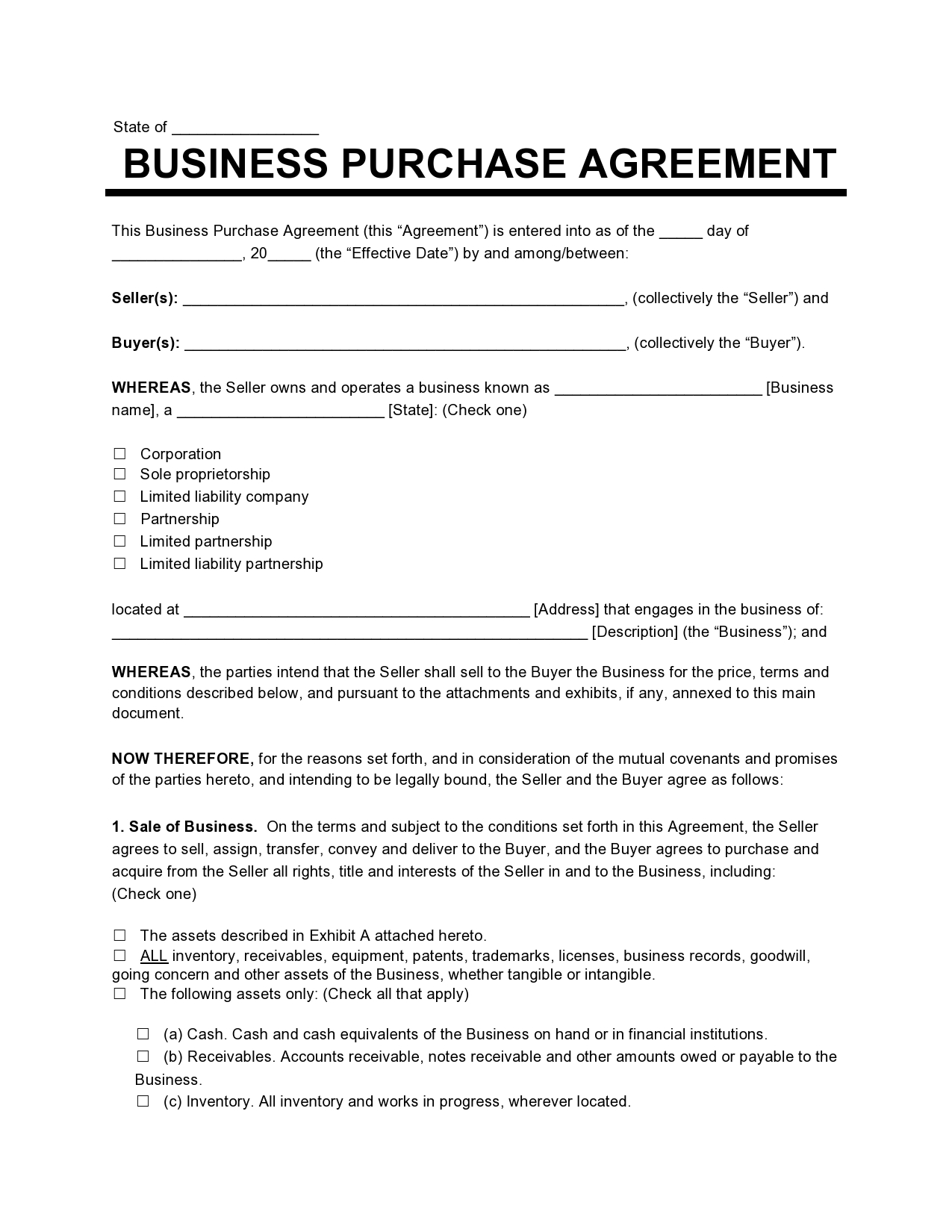
How to Create a Business Agreement
Creating a business agreement may seem like a daunting task, but with the right approach and attention to detail, it can be a straightforward process. Here are some steps to follow to create a comprehensive and effective business agreement:
1. Clearly Define the Terms
Start by clearly defining the terms and conditions of the agreement. Include specific details about the goods or services to be exchanged, the price to be paid, the timeline for delivery, and any other relevant information. Be as specific as possible to ensure that there is no room for misinterpretation or misunderstanding.
Include provisions for any potential scenarios that may arise during the course of the transaction, such as what will happen in the event of a breach, how disputes will be resolved, and how confidential information will be protected. By addressing these issues upfront, you can prevent misunderstandings and conflicts down the line.
2. Seek Legal Advice
Consider consulting with a legal professional to ensure that your agreement is legally sound and enforceable. A legal expert can review the terms of the agreement, provide guidance on any legal requirements that need to be met, and help you avoid common pitfalls that could make the agreement unenforceable.
Having a legal professional review your agreement can provide you with peace of mind, knowing that your document complies with the relevant laws and regulations. This can help protect your interests and ensure that you have a solid legal foundation for your transaction.
3. Include All Relevant Details
Be thorough in including all relevant details of the transaction in the agreement. This includes not only the terms and conditions of the transaction but also any additional information that may be important for the parties involved.
For example, you may need to include details about warranties, guarantees, indemnities, insurance requirements, or any other specific provisions that are relevant to the transaction. By including all relevant details, you can avoid any potential disputes or misunderstandings that may arise from missing information.
4. Review and Revise
Before finalizing the agreement, take the time to review it carefully and make any necessary revisions. This includes checking for accuracy, clarity, and consistency in the terms and conditions of the agreement.
You may also want to have a third party review the agreement to provide feedback and ensure that it is clear and comprehensive. Making revisions as needed can help ensure that the agreement accurately reflects the intentions of all parties involved and reduces the risk of any misunderstandings or disputes.
5. Obtain Signatures
Once the agreement has been finalized, make sure that all parties involved sign the document to make it legally binding. Having the signatures of all parties indicates their agreement to be bound by the terms and conditions of the agreement.
It is important to ensure that all signatures are obtained before proceeding with the transaction to avoid any potential legal challenges. Once the agreement is signed, each party is legally obligated to fulfill their responsibilities as outlined in the document.
6. Keep a Copy
After the agreement has been signed, be sure to keep a copy of the document for your records. Provide copies to all parties involved in the transaction for their reference and records.
Holding onto a copy of the agreement can be helpful in case any disputes or disagreements arise later on. Having a clear record of the terms and conditions of the transaction can help resolve any conflicts and provide evidence in case of any legal proceedings.
7. Update as Needed
Be prepared to update the agreement as needed to reflect any changes in the business relationship or transaction. As circumstances evolve, it may be necessary to modify the terms and conditions of the agreement to accommodate new developments.
Regularly reviewing and updating the agreement can help ensure that it remains relevant and up to date. This can help prevent any misunderstandings or disputes that may arise from changes in the business relationship or external factors that impact the transaction.
Tips for Successful Business Agreements
Creating a successful business agreement requires attention to detail, clear communication, and a thorough understanding of the terms and conditions of the transaction. Here are some tips to help you create a comprehensive and effective business agreement:
Be Specific
When drafting a business agreement, be specific and detailed in outlining the terms and conditions of the transaction. Include specific details about the goods or services to be exchanged, the price to be paid, the timeline for delivery, and any other relevant information.
Being specific helps ensure that there is no room for misinterpretation or misunderstanding. It also provides clarity for all parties involved and helps prevent any potential disputes that may arise from vague or ambiguous language.
Communicate Effectively
Effective communication is key to creating a successful business agreement. Keep the lines of communication open with all parties involved in the transaction to address any concerns or questions that may arise.
By maintaining clear and open communication throughout the process, you can ensure that everyone is on the same page and understands their roles and responsibilities. This can help prevent misunderstandings and build trust between the parties involved.
Seek Legal Advice
Consulting with a legal professional can provide valuable guidance and ensure that your agreement is legally sound and enforceable. A legal expert can review the terms of the agreement, advise you on any legal requirements that need to be met, and help you avoid common pitfalls that could make the agreement unenforceable.
Having a legal professional review your agreement can provide you with peace of mind, knowing that your document complies with the relevant laws and regulations. This can help protect your interests and ensure that you have a solid legal foundation for your transaction.
Consider All Scenarios
When creating a business agreement, it is important to anticipate potential scenarios that may arise during the course of the transaction. Consider including provisions for how disputes will be resolved, what will happen in the event of a breach, and how confidential information will be protected.
By considering all possible scenarios upfront, you can address potential issues before they become problems. This proactive approach can help prevent disputes and ensure that the agreement is comprehensive and effective in guiding the transaction.
Review Regularly
Periodically review your business agreement to ensure that it remains relevant and up to date. As circumstances change, it may be necessary to update the terms and conditions of the agreement to reflect new developments in the business relationship.
Regularly reviewing your agreement can help ensure that it continues to meet the needs of all parties involved and remains effective in guiding the transaction. This can help prevent any misunderstandings or disputes that may arise from changes in the business relationship or external factors that impact the transaction.
Keep Records
Maintain thorough records of all communications and agreements related to the transaction. Keep copies of emails, notes, and other documentation that may be relevant to the transaction to provide a comprehensive record of the agreement.
Holding onto detailed records can be invaluable in case any disputes or disagreements arise later on. Having a clear record of the transaction can help resolve any conflicts and provide evidence in case of any legal proceedings.
Business Agreement Template – Download
