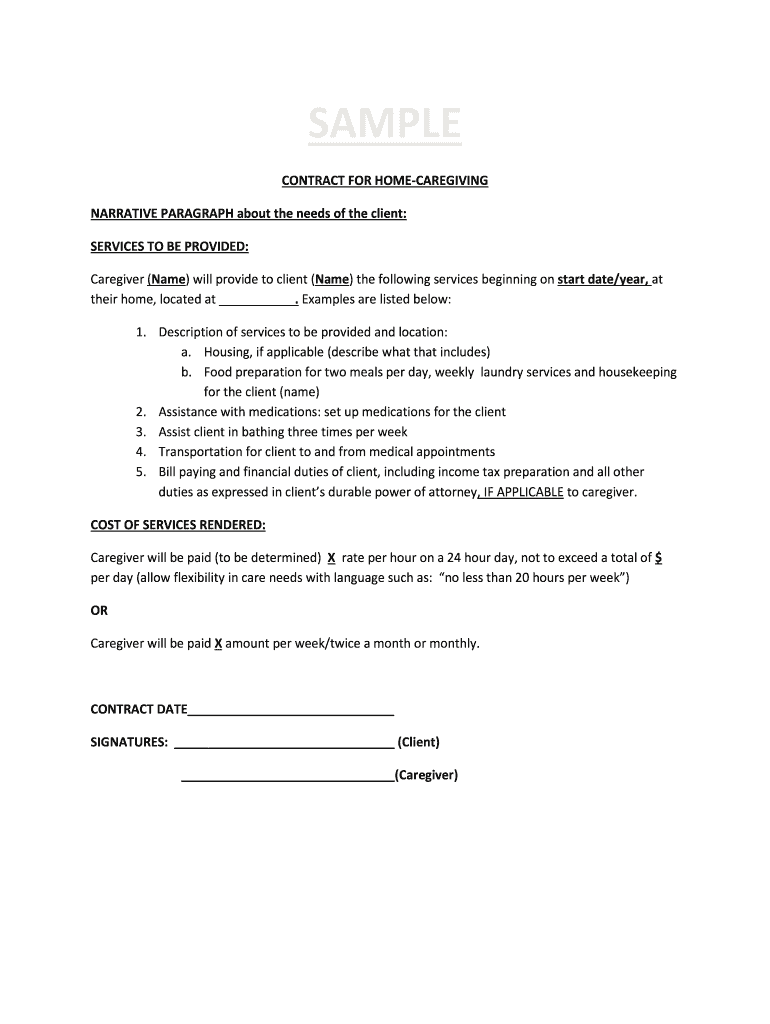
Being a caregiver for a loved one is a noble and selfless act, but it can also be a challenging and demanding role. To ensure that both the caregiver and the care recipient are protected and their rights are upheld, it is essential to establish a formal, legal contract known as a caregiver agreement. This agreement clearly defines the services to be provided, schedules, and compensation, preventing misunderstandings, avoiding family disputes over finances, and establishing legitimate, reimbursable expenses for Medicaid planning or asset protection. By legalizing the arrangement, the caregiver is paid fairly for their time, and both parties’ rights and financial interests are safeguarded, especially concerning government aid eligibility.
What is a Caregiver Agreement?
A caregiver agreement is a formal contract between a care recipient and their caregiver, often a family member, that outlines the terms of the caregiving arrangement. It specifies the services to be provided, the schedule for caregiving, and the compensation to be received by the caregiver. This agreement serves as a legal document that protects both parties and helps to avoid disputes or misunderstandings in the future.
Why are Caregiver Agreements Important?
There are several key reasons why caregiver agreements are crucial in caregiving relationships:
- Clarity: A caregiver agreement provides clarity on the expectations and responsibilities of both parties involved in the caregiving relationship.
- Prevention of disputes: By clearly outlining the terms of the agreement, caregiver agreements help to prevent misunderstandings and disputes between the caregiver and care recipient or other family members.
- Financial protection: Caregiver agreements establish legitimate, reimbursable expenses for Medicaid planning or asset protection, ensuring that the caregiver is compensated fairly for their time and effort.
- Legalization of the arrangement: By creating a formal contract, the caregiving arrangement is legalized, protecting both parties’ rights and financial interests.
- Government aid eligibility: Caregiver agreements help to establish the legitimacy of the caregiving arrangement, which can be beneficial for government aid eligibility purposes.
Key Elements of a Caregiver Agreement
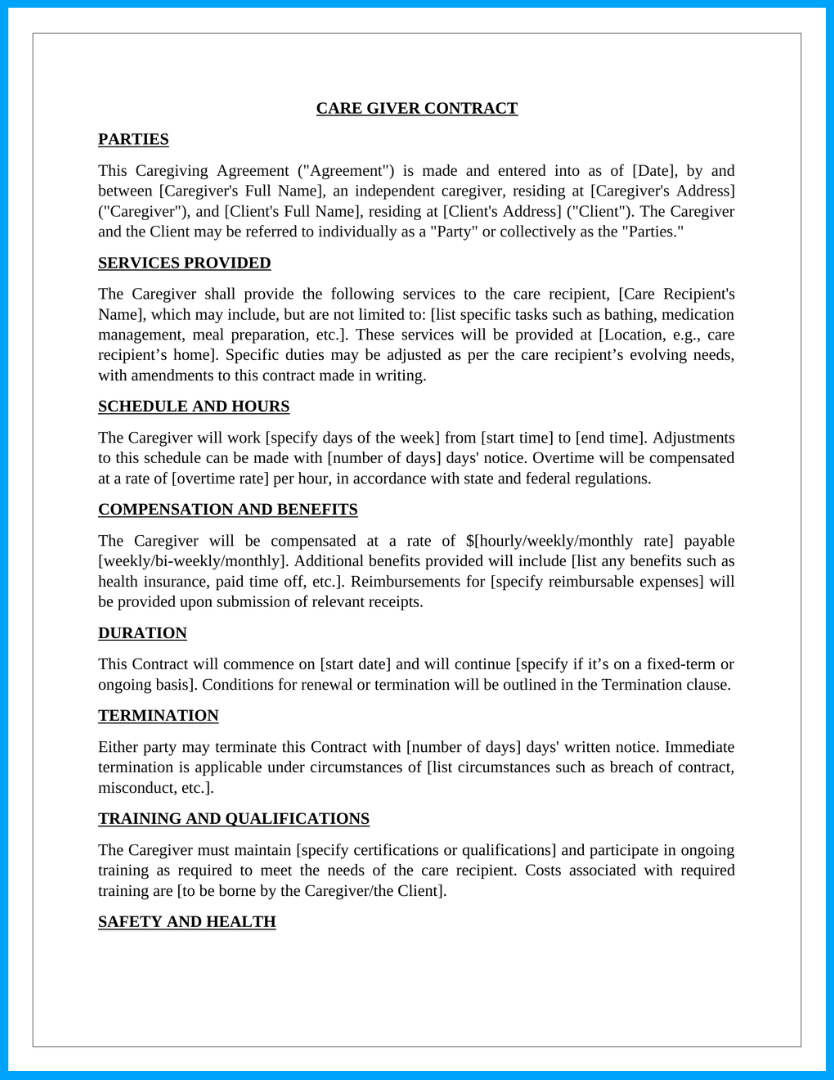
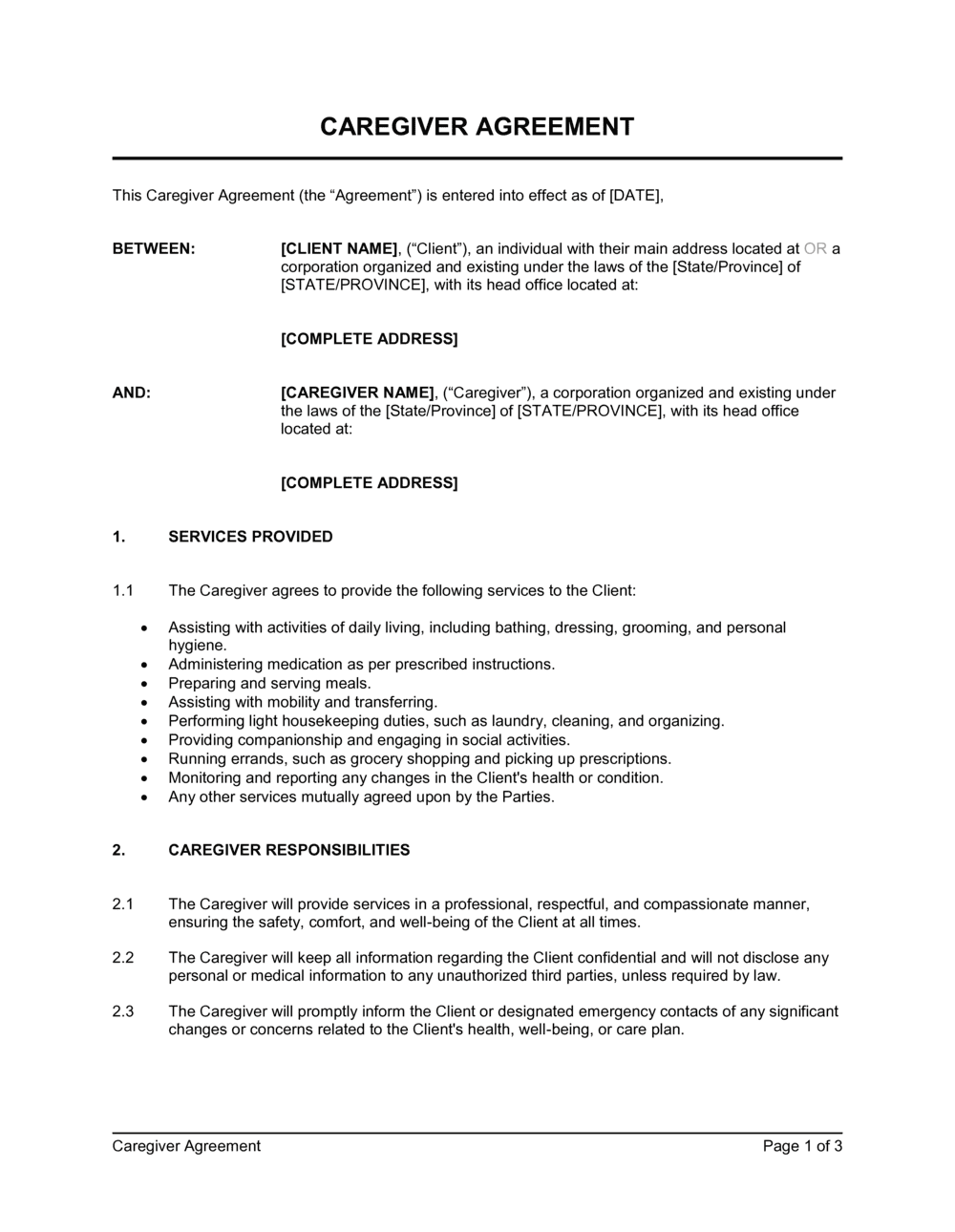
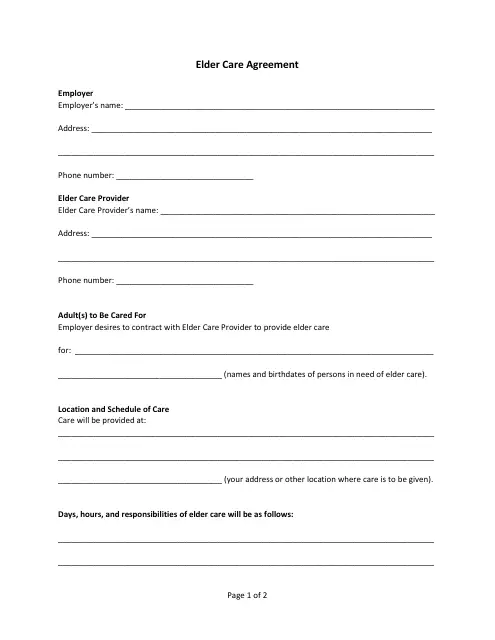
When creating a caregiver agreement, there are several key elements that should be included to ensure that the agreement is comprehensive and legally sound:
- Services to be provided: Clearly outline the specific services that the caregiver will be providing, such as personal care, transportation, meal preparation, medication management, etc.
- Schedule: Define the schedule for caregiving, including the days and times when the caregiver will be providing care.
- Compensation: Specify the amount and method of payment for the caregiver’s services, including any reimbursement for expenses incurred during caregiving.
- Duration of the agreement: State the duration of the caregiver agreement, whether it is for a specific period or ongoing until either party decides to terminate the agreement.
- Termination clause: Include a clause that outlines the process for terminating the agreement, including notice requirements and any applicable fees or penalties.
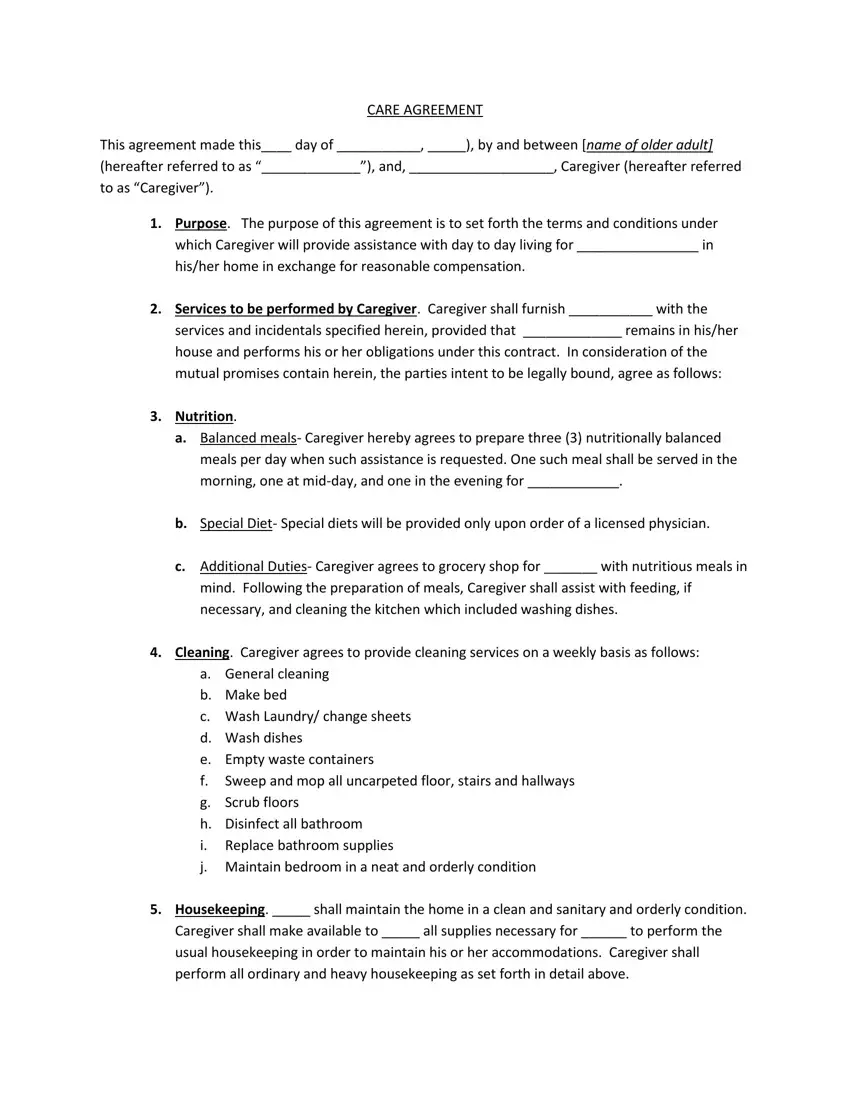
How to Create a Caregiver Agreement
Creating a caregiver agreement may seem daunting, but it can be a relatively straightforward process if you follow these steps:
- Discuss and agree on the terms: Sit down with the care recipient and any other involved parties to discuss and agree on the terms of the caregiving arrangement.
- Document the agreement: Write down the agreed-upon terms in a formal document, including the services to be provided, schedule, compensation, and other key elements.
- Seek legal advice: Consult with a legal professional to ensure that the caregiver agreement complies with state laws and is legally binding.
- Sign and notarize the agreement: Once the agreement is finalized, both parties should sign the document in the presence of a notary public to make it legally enforceable.
- Keep a copy: Make sure that both parties retain a copy of the signed caregiver agreement for their records.
Tips for Implementing a Caregiver Agreement
Here are some tips to help you successfully implement a caregiver agreement:
- Communicate openly: Maintain open communication with the care recipient and other family members throughout the caregiving process to address any issues or concerns that may arise.
- Review and update the agreement: Periodically review and update the caregiver agreement to reflect any changes in the caregiving arrangement or the needs of the care recipient.
- Seek professional advice: If you have any questions or concerns about the caregiver agreement, seek advice from a legal or financial professional to ensure that your rights and interests are protected.
- Consider mediation: If disputes or conflicts arise between the caregiver and care recipient, consider using mediation services to resolve issues in a neutral and constructive manner.
In Conclusion
Creating a caregiver agreement is a critical step in formalizing and protecting the caregiving relationship between a care recipient and their caregiver. By clearly defining the terms of the arrangement, both parties can ensure that their rights and financial interests are safeguarded, preventing misunderstandings and disputes in the future. If you are considering becoming a caregiver for a loved one, or if you are already in a caregiving role, it is essential to establish a caregiver agreement to protect yourself and your loved one.
