In the healthcare industry, the protection of sensitive patient data is of utmost importance. With the increasing use of technology and the outsourcing of services to third-party vendors, there is a need for legal agreements to ensure that patient data is handled securely and in compliance with regulations. One such agreement is the Business Associate Agreement (BAA), which legally obligates third-party vendors, known as Business Associates, to protect sensitive patient data, also known as Protected Health Information (PHI), according to the rules set forth by the Health Insurance Portability and Accountability Act (HIPAA). BAAs ensure that Business Associates handle, secure, and disclose PHI with the same strict standards as healthcare providers, known as Covered Entities, thereby reducing the risk of data breaches and ensuring compliance.
What is a Business Associate Agreement?
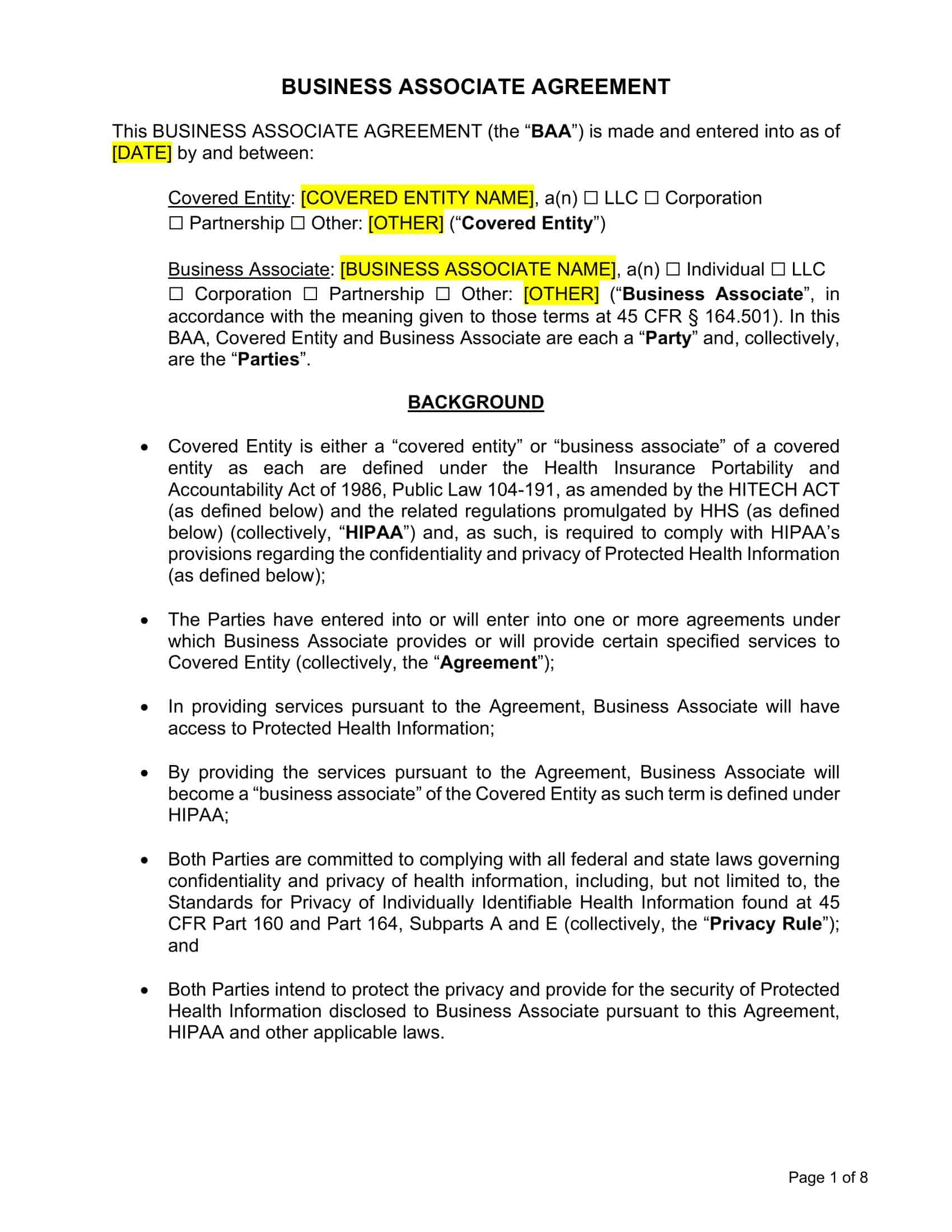
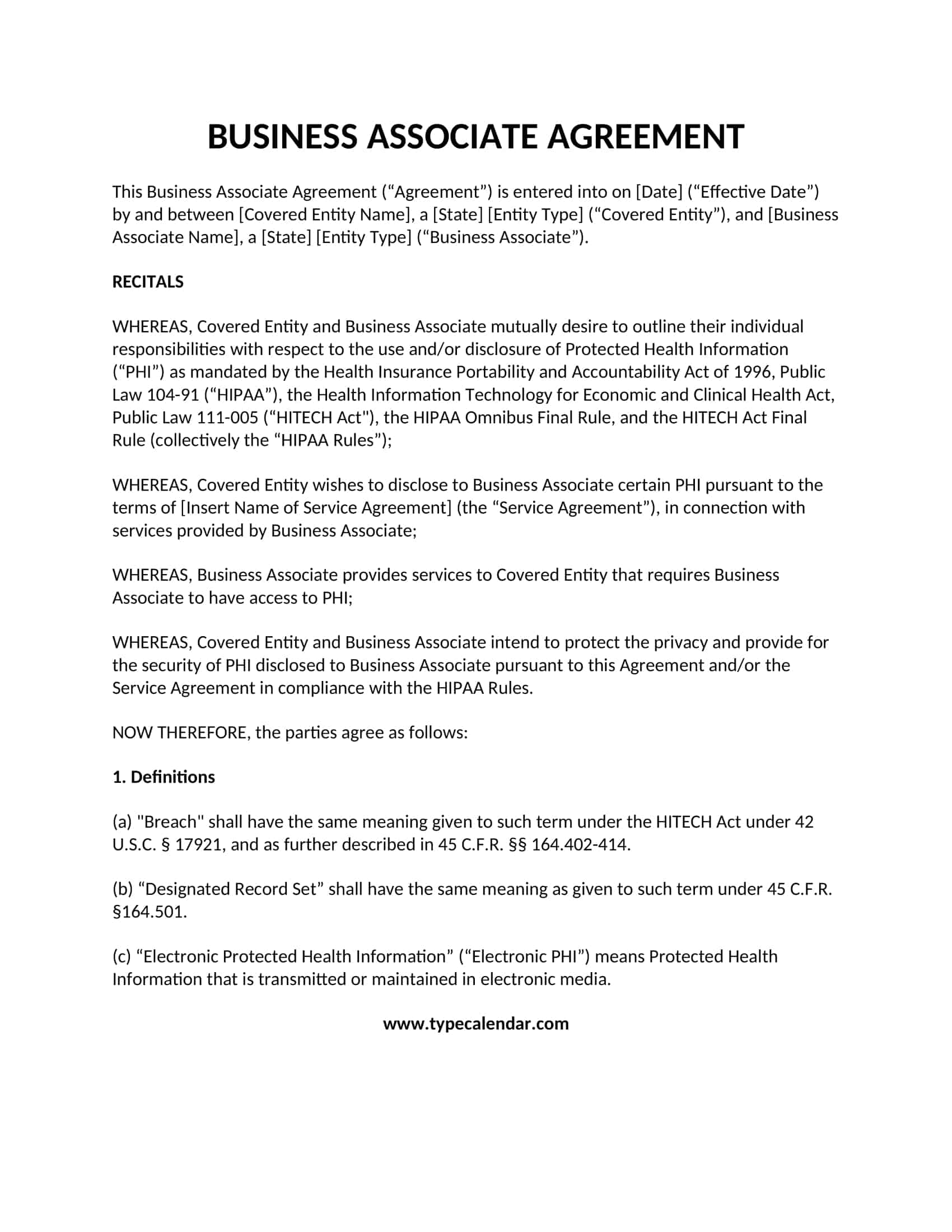
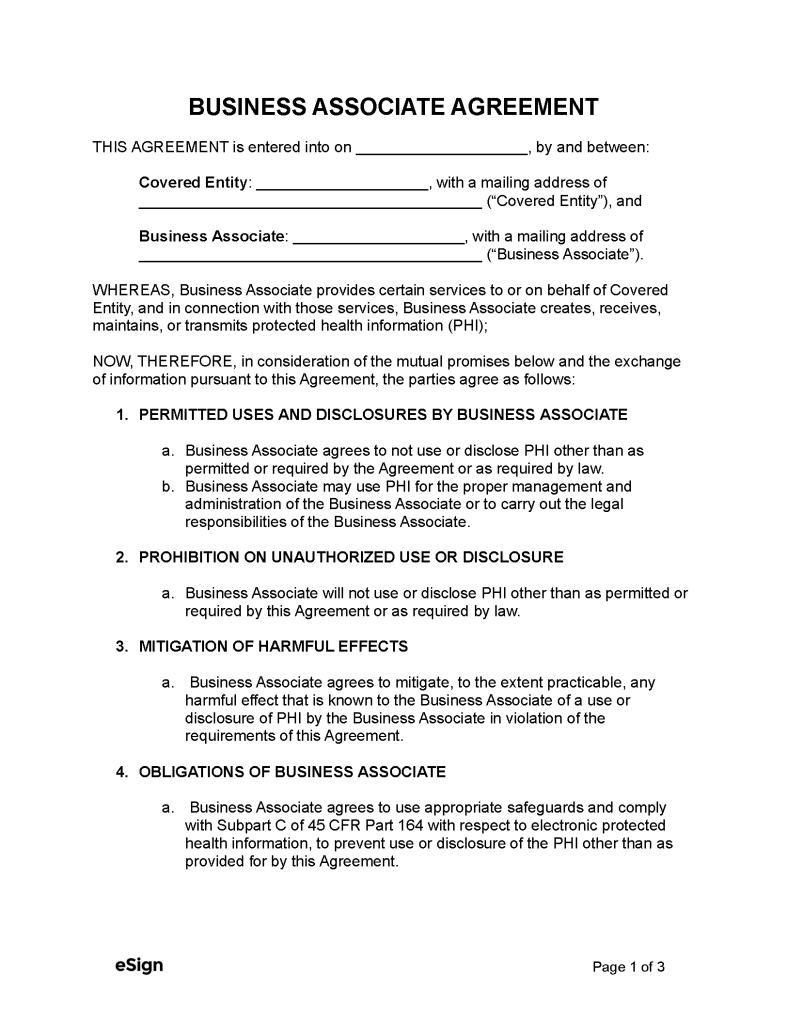
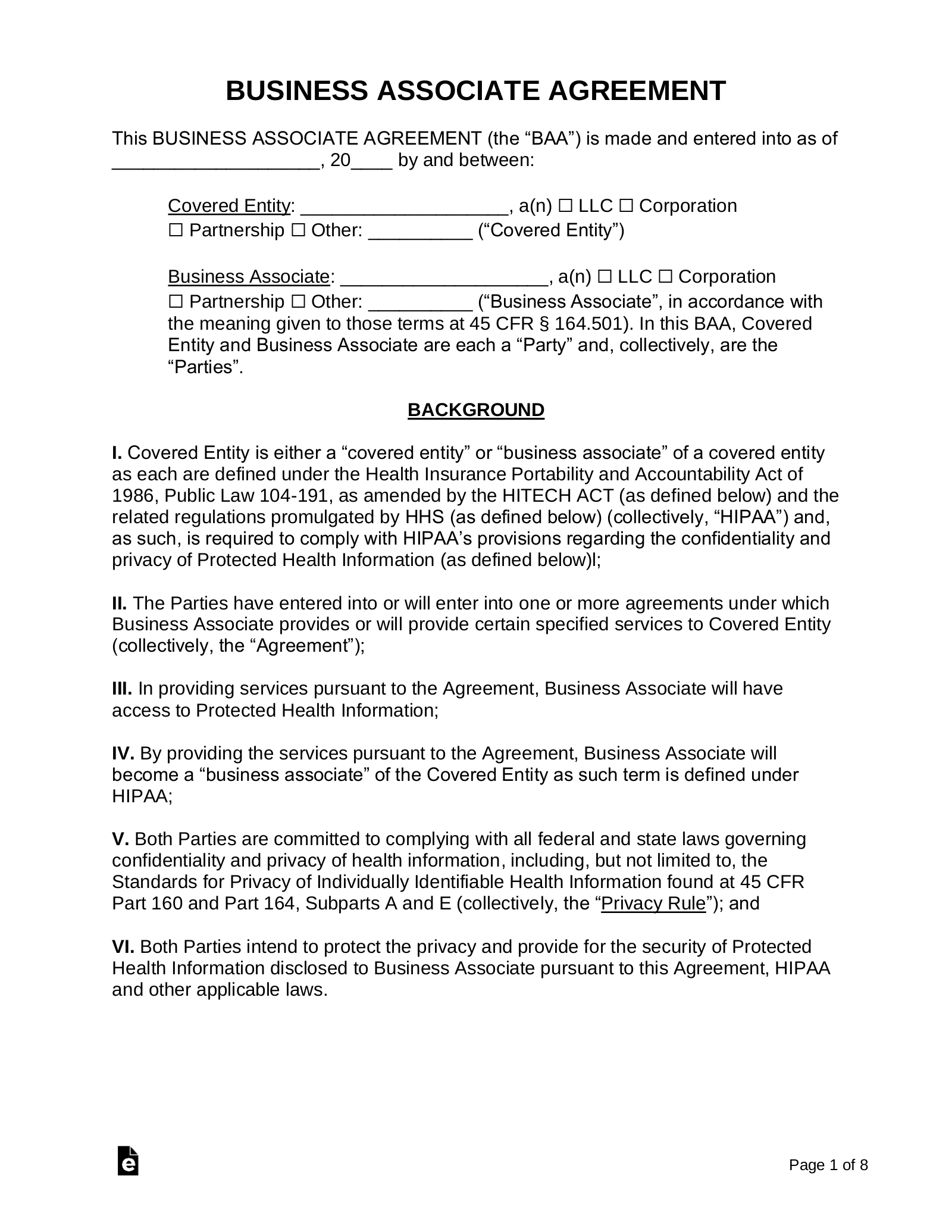
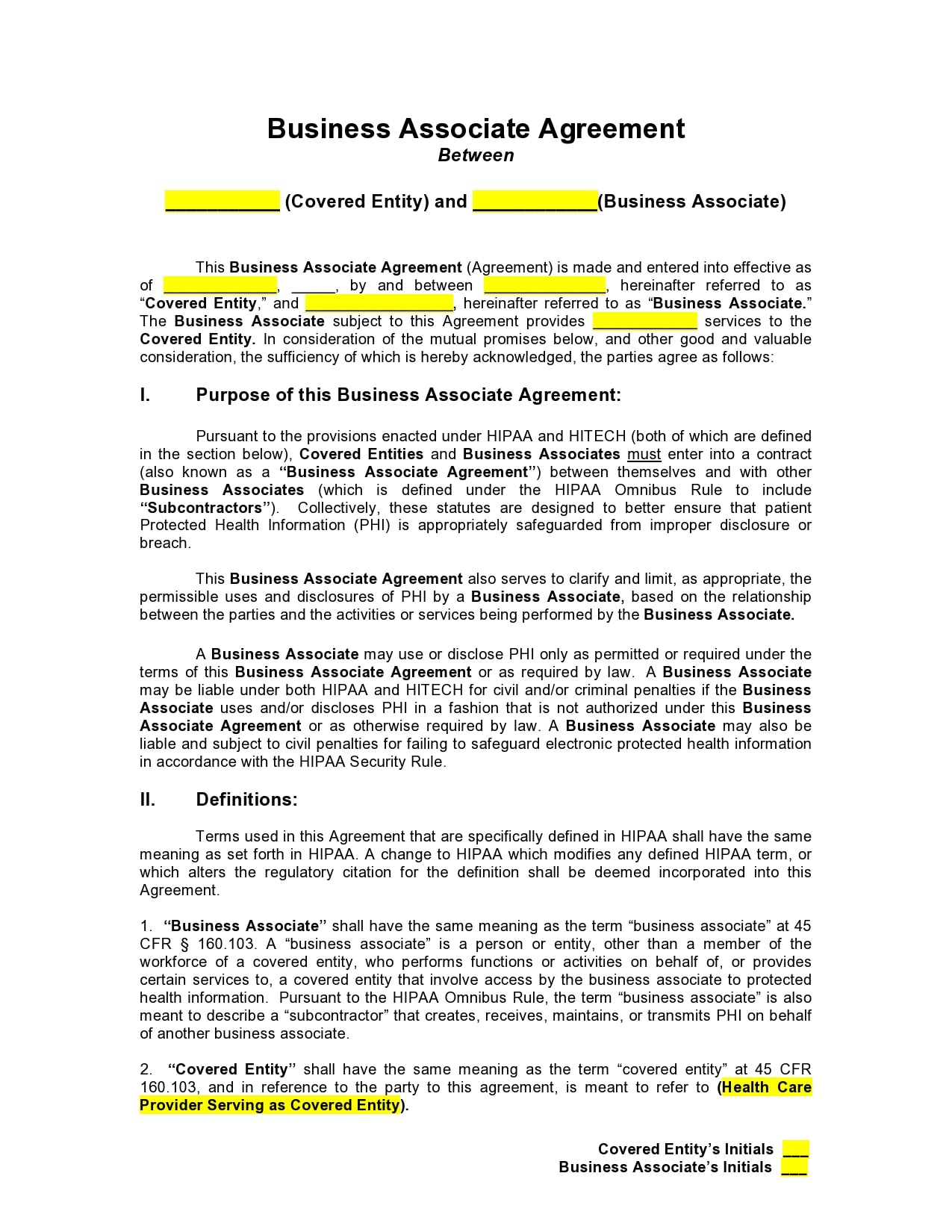
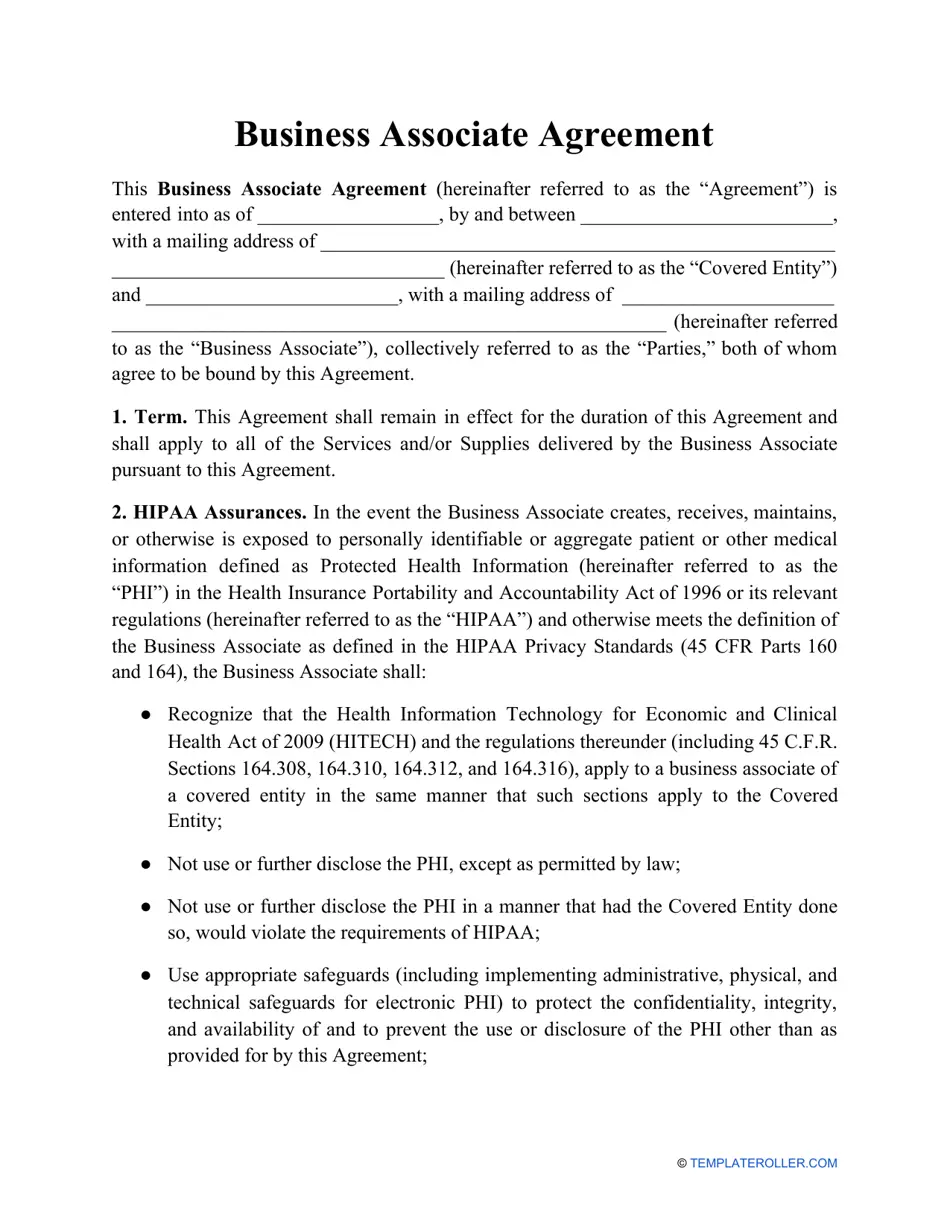
A Business Associate Agreement is a contract between a Covered Entity (such as a healthcare provider) and a Business Associate (such as a third-party vendor) that outlines the responsibilities of the Business Associate in protecting PHI. This agreement is required by HIPAA and serves to establish clear guidelines for how PHI should be handled, secured, and disclosed by the Business Associate.
Why are Business Associate Agreements Important?
Business Associate Agreements are crucial in ensuring the protection of sensitive patient data. By legally obligating third-party vendors to comply with HIPAA regulations, BAAs help to prevent data breaches and protect the privacy and security of patient information. Without these agreements in place, there is a greater risk of unauthorized access to PHI, leading to potential legal and financial consequences for both the Covered Entity and the Business Associate.
Key Elements of a Business Associate Agreement
When drafting a Business Associate Agreement, several key elements should be included to ensure comprehensive protection of PHI:
- Definition of PHI: Clearly define what constitutes Protected Health Information to avoid any confusion.
- Responsibilities of the Business Associate: Outline the specific tasks and obligations of the Business Associate in handling PHI.
- Permissible Uses of PHI: Specify the circumstances under which PHI can be used or disclosed by the Business Associate.
- Breach Notification Procedures: Establish a protocol for notifying the Covered Entity in the event of a data breach involving PHI.
- Compliance Requirements: Ensure that the Business Associate complies with all HIPAA regulations and standards for protecting PHI.
- Liability for Non-Compliance: Define the consequences for non-compliance with the terms of the agreement.
Examples

How to Implement a Business Associate Agreement
Implementing a Business Associate Agreement involves several steps to ensure that both parties comply with HIPAA regulations:
1. Identify Business Associates:
Determine which third-party vendors qualify as Business Associates and require a BAA.
2. Draft the Agreement:
Create a comprehensive Business Associate Agreement that includes all necessary elements to protect PHI.
3. Review and Negotiate Terms:
Review the agreement with legal counsel and negotiate any terms that may need clarification or modification.
4. Train Employees:
Educate employees on the requirements of the BAA and their role in protecting PHI when working with Business Associates.
5. Monitor Compliance:
Regularly monitor the Business Associate’s compliance with the terms of the agreement to ensure that PHI is being handled securely.
6. Update as Needed:
Review and update the Business Associate Agreement as needed to reflect changes in regulations or business practices.
7. Maintain Documentation:
Keep detailed records of the BAA and any communications related to the protection of PHI to demonstrate compliance in the event of an audit.
Tips for Successful Business Associate Agreements
To ensure the effectiveness of Business Associate Agreements in protecting patient data, consider the following tips:
- Choose Business Associates Carefully: Select vendors with a proven track record of compliance with HIPAA regulations.
- Communicate Clearly: Clearly communicate expectations and responsibilities to Business Associates to avoid misunderstandings.
- Regularly Audit Compliance: Conduct regular audits of Business Associate compliance to identify any potential risks or gaps in protection.
- Provide Ongoing Training: Offer ongoing training to employees and Business Associates to keep them informed of any updates to regulations or procedures.
- Stay Informed: Stay up to date on changes in HIPAA regulations and adjust BAAs accordingly to remain compliant.
- Seek Legal Advice: Consult with legal counsel to ensure that Business Associate Agreements are legally sound and provide adequate protection for PHI.
By following these tips and implementing comprehensive Business Associate Agreements, healthcare providers can protect sensitive patient data and reduce the risk of data breaches, ensuring compliance with HIPAA regulations and maintaining the trust of patients.
Business Associate Agreement Template – Download
