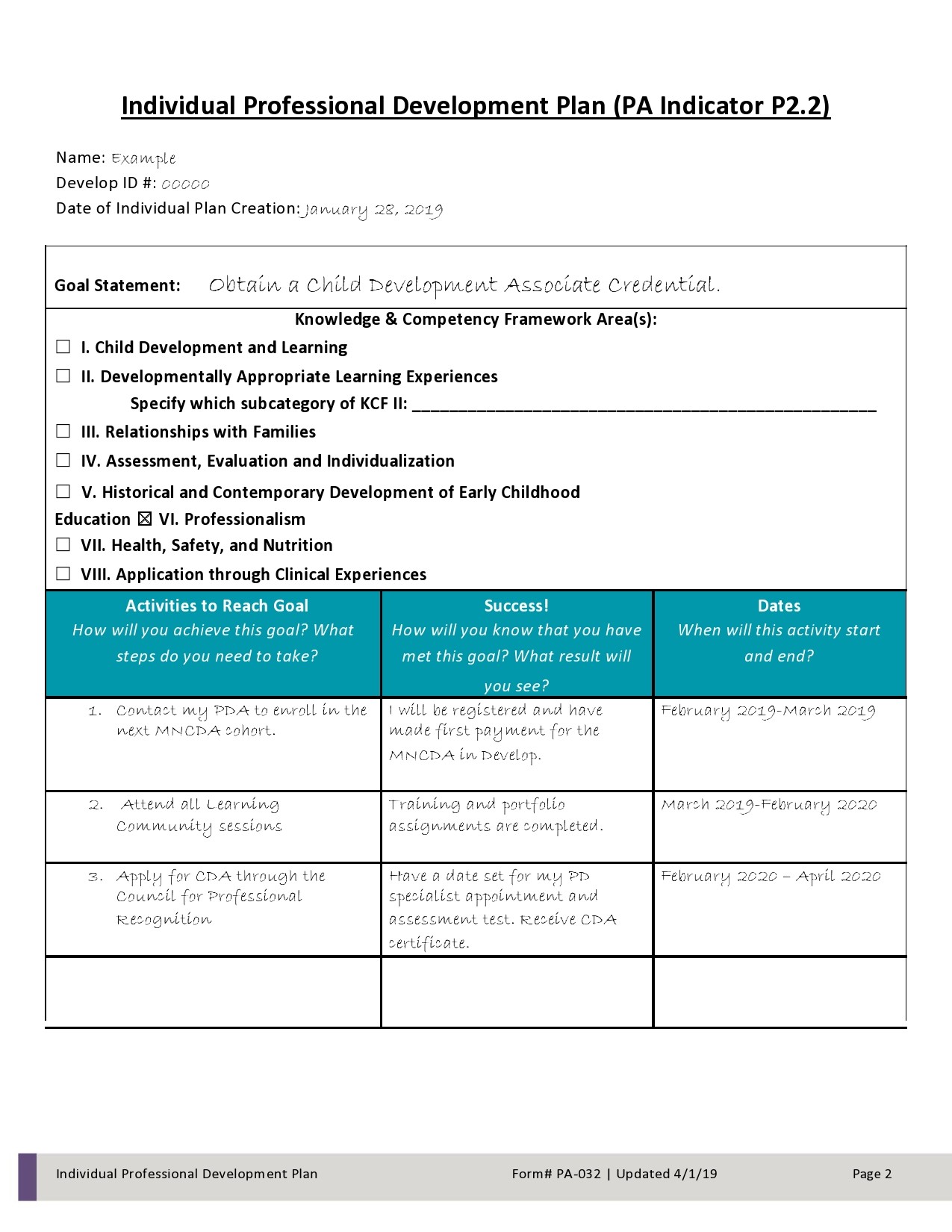
Career development planning is a crucial aspect of personal and professional growth. It involves creating a roadmap for individuals to define their goals and the necessary steps to achieve them. This process not only boosts engagement, skill development, and satisfaction for employees but also helps companies retain talent and build a capable workforce. By aligning personal aspirations with organizational needs, career development planning provides direction, identifies skill gaps, and encourages proactive learning, ensuring both employee success and business continuity.
What is Career Development Planning?
Career development planning is a strategic approach that helps individuals set and achieve their career goals. It involves assessing one’s current skills, interests, and aspirations, and then creating a plan to acquire new skills, experiences, and knowledge to progress in their career. This process is designed to help individuals navigate their career path effectively and make informed decisions about their professional development.
Why is Career Development Planning Important?
Career development planning is essential for both employees and employers for the following reasons:
- Boosts Engagement: When employees have a clear roadmap for their career growth, they are more engaged and motivated to work towards their goals.
- Enhances Skill Development: By identifying skill gaps and setting goals to acquire new skills, individuals can continuously improve and stay relevant in their field.
- Increases Job Satisfaction: When employees see progress in their career development, it leads to higher job satisfaction and overall happiness at work.
- Retains Talent: Companies that invest in career development planning are more likely to retain top talent as employees feel valued and supported in their growth.
- Builds a Capable Workforce: By aligning personal aspirations with organizational needs, companies can build a skilled and motivated workforce that contributes to business success.
What to Include in Career Development Planning?
When creating a career development plan, it is important to include the following components:
- Self-Assessment: Evaluate your current skills, interests, and values to determine your strengths and areas for growth.
- Goal Setting: Set specific, measurable, achievable, relevant, and time-bound (SMART) goals for your career development.
- Skills Development: Identify the skills you need to acquire or improve to achieve your career goals and create a plan to develop them.
- Networking: Build relationships with colleagues, mentors, and industry professionals to expand your network and gain valuable insights.
- Continuous Learning: Stay updated on industry trends, technologies, and best practices through training, courses, and workshops.
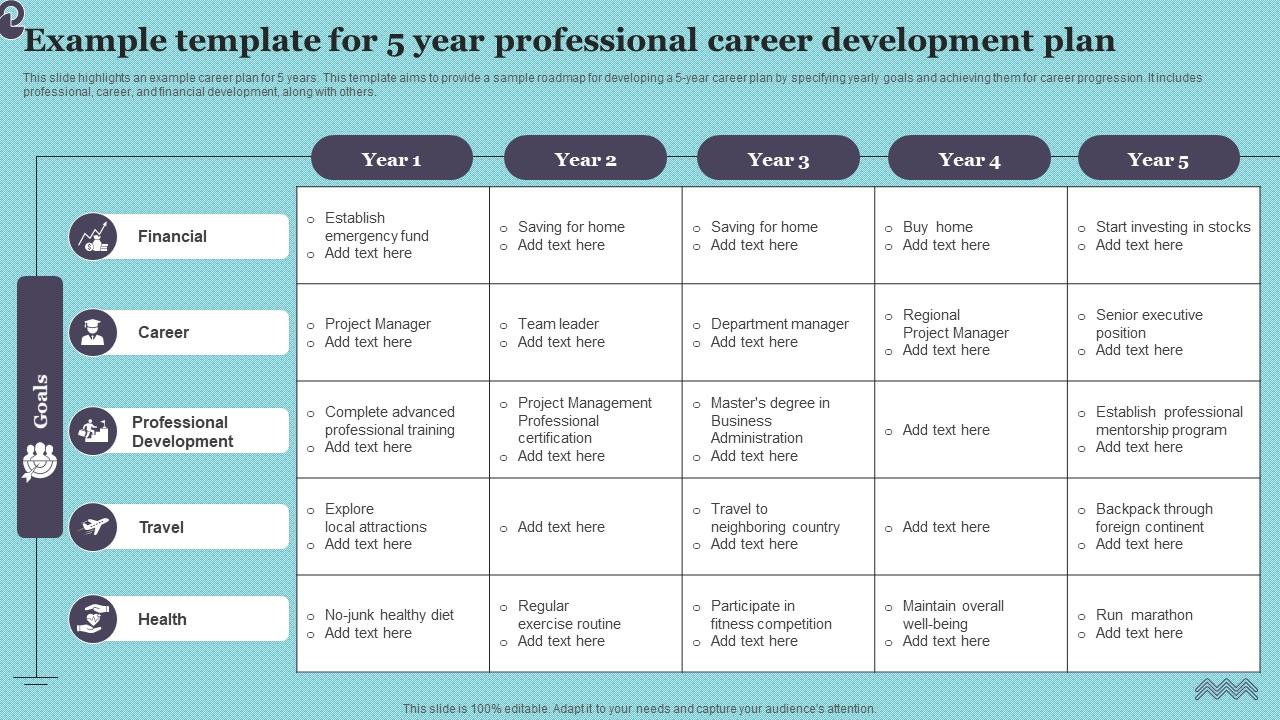
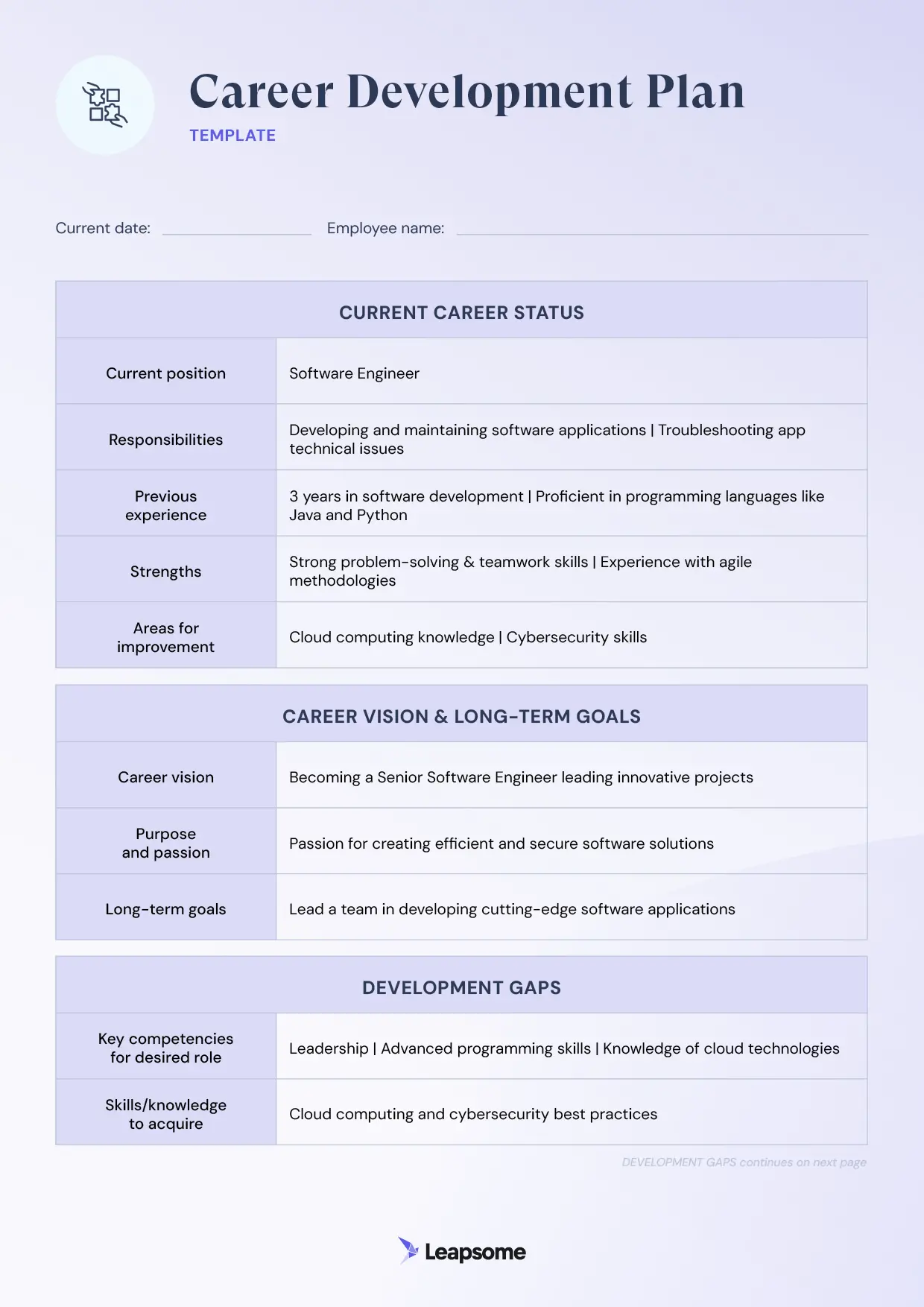
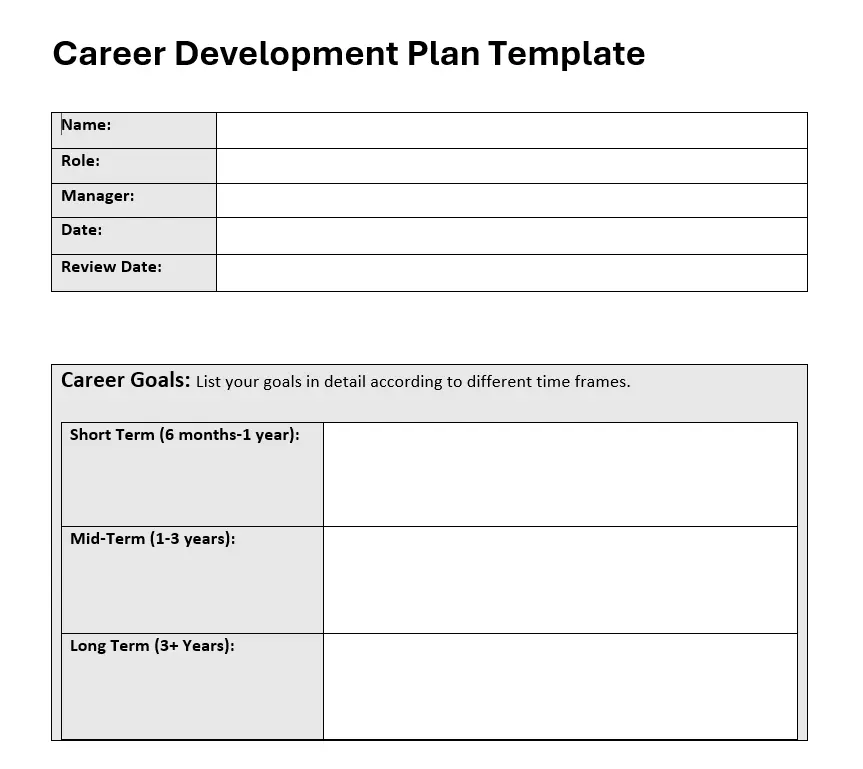
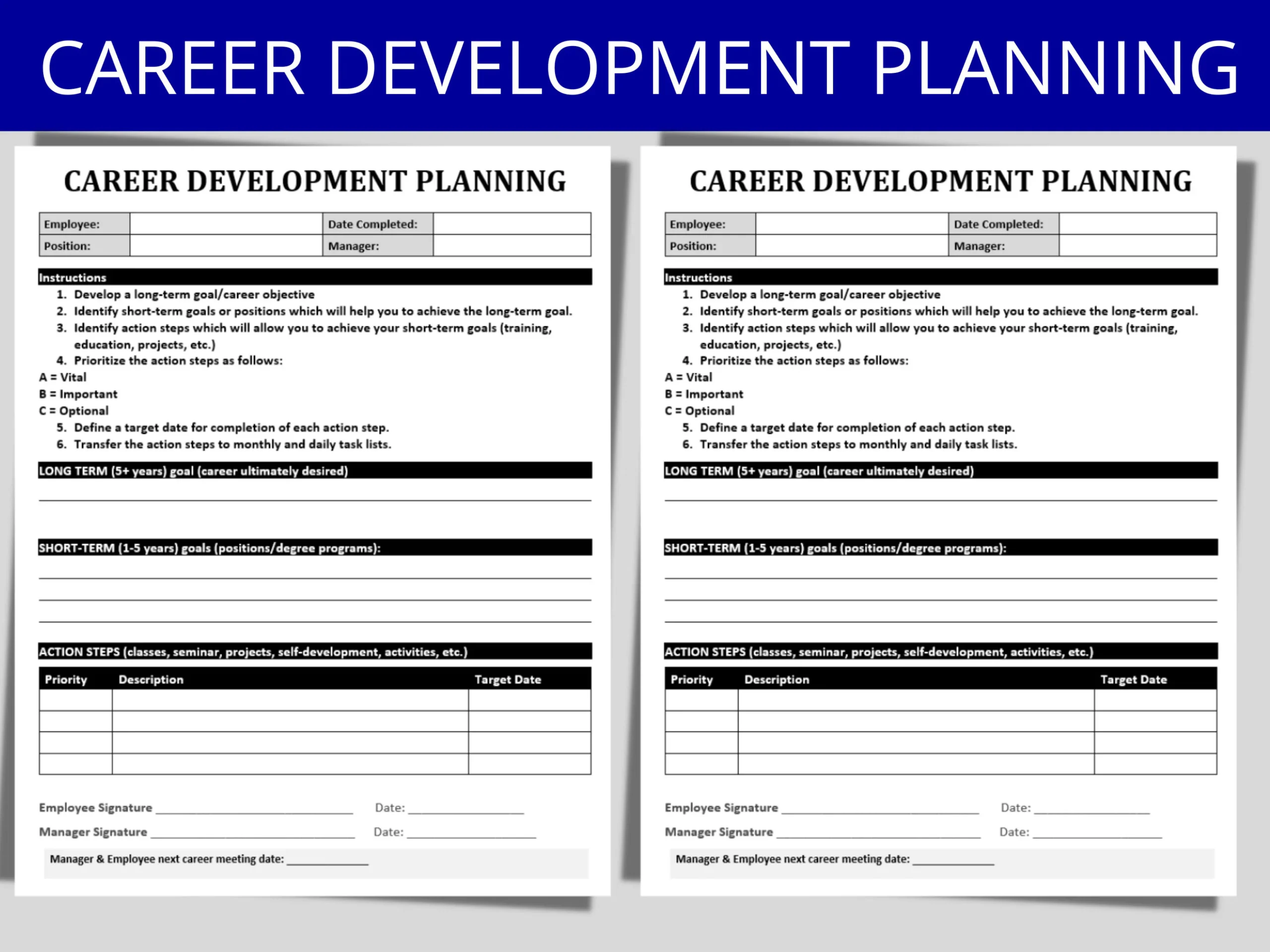
How to Create a Career Development Plan?
Creating a career development plan involves the following steps:
1. Self-Assessment:
Reflect on your strengths, weaknesses, interests, and values to gain clarity on your career goals and aspirations.
2. Goal Setting:
Define your short-term and long-term career goals that are specific, measurable, achievable, relevant, and time-bound.
3. Skills Development:
Identify the skills you need to develop or enhance to achieve your goals and create a plan to acquire them through training, courses, or on-the-job experiences.
4. Networking:
Build relationships with professionals in your field, attend industry events, and seek mentorship to expand your network and gain valuable insights.
5. Continuous Learning:
Stay updated on industry trends, technologies, and best practices by engaging in continuous learning opportunities such as workshops, seminars, and online courses.
6. Review and Adjust:
Regularly review your career development plan, track your progress towards your goals, and make adjustments as needed based on feedback and changing circumstances.
7. Seek Feedback:
Solicit feedback from colleagues, mentors, and supervisors to gain insights on areas for improvement and opportunities for growth.
Tips for Effective Career Development Planning
Here are some tips to enhance the effectiveness of your career development planning:
- Set Clear Goals: Define specific and achievable goals that align with your long-term career aspirations.
- Seek Feedback: Regularly seek feedback from mentors, supervisors, and colleagues to gain insights on your performance and areas for improvement.
- Embrace Challenges: Step out of your comfort zone and take on new challenges to expand your skills and experiences.
- Develop a Growth Mindset: Embrace a growth mindset and view setbacks as opportunities for learning and growth.
- Stay Flexible: Be open to adjusting your career development plan based on changing priorities, opportunities, and feedback.
- Celebrate Milestones: Acknowledge and celebrate your achievements and milestones along your career development journey to stay motivated and positive.
In Conclusion
Career development planning is a powerful tool that benefits both individuals and organizations. By creating a roadmap for professional growth, individuals can define their goals, acquire new skills, and progress in their careers. This not only boosts engagement, skill development, and job satisfaction for employees but also helps companies retain talent and build a capable workforce. By aligning personal aspirations with organizational needs, career development planning ensures both employee success and business continuity.
