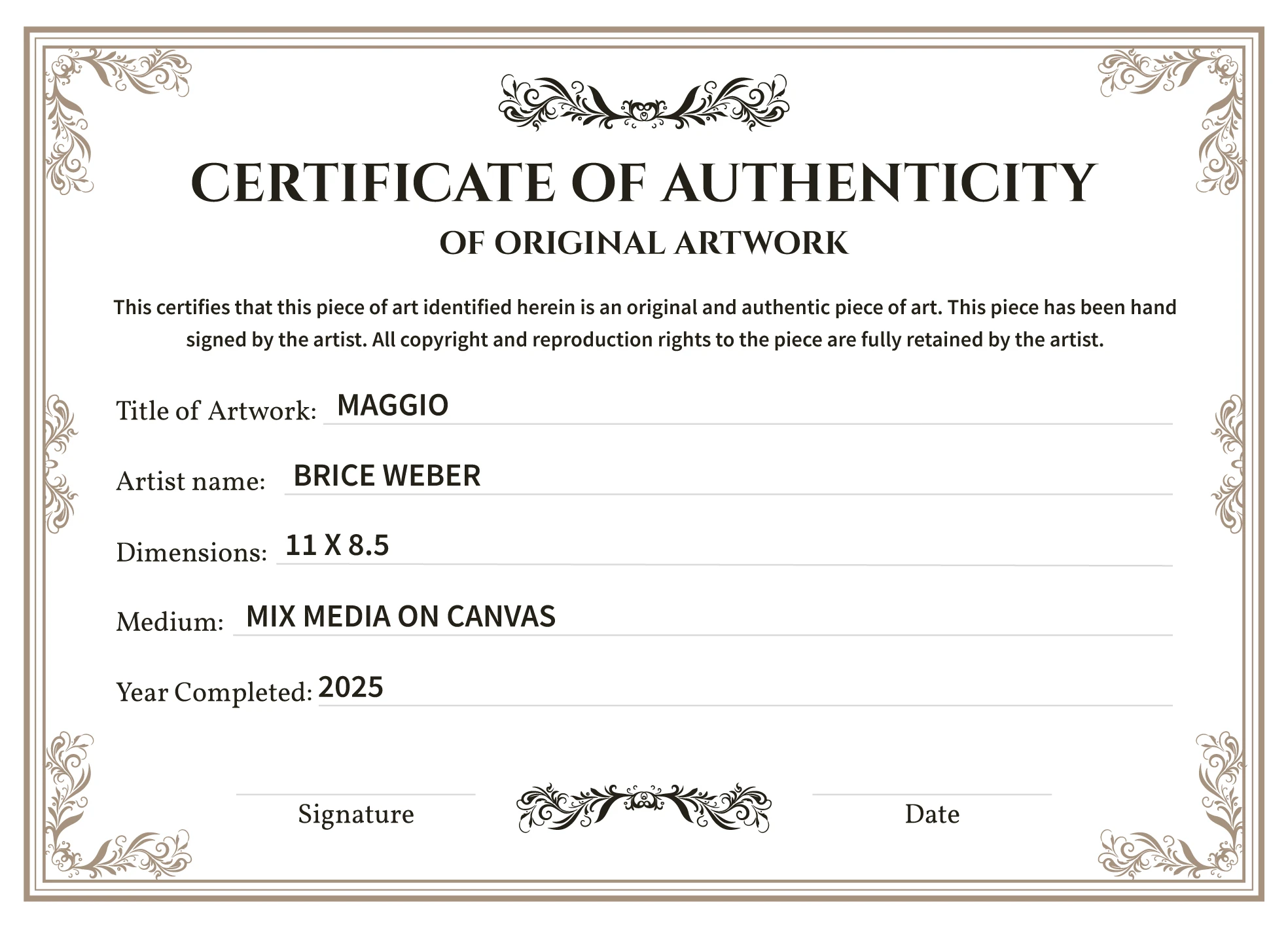
In a world where authenticity can be easily forged, having a certificate of authenticity (COA) can be a valuable asset. An authenticity certificate serves as proof of ownership and can be used to determine the value of an item for insurance or resale purposes.
These certificates not only confirm the authenticity of an item but can also reveal important details about its lineage or previous owners, adding to its historical significance and value.
What is an Authenticity Certificate?
An authenticity certificate is a document that verifies the legitimacy of an item, often signed by an expert or authority in the field. This document serves as a guarantee that the item is genuine and not a counterfeit or replica. Authenticity certificates are commonly used in the art world, where the provenance of a piece can greatly impact its value.
When it comes to valuable items such as art, antiques, collectibles, or even designer goods, having a COA can provide peace of mind to both buyers and sellers. It adds a layer of trust and transparency to transactions, ensuring that the item being sold is indeed what it claims to be.
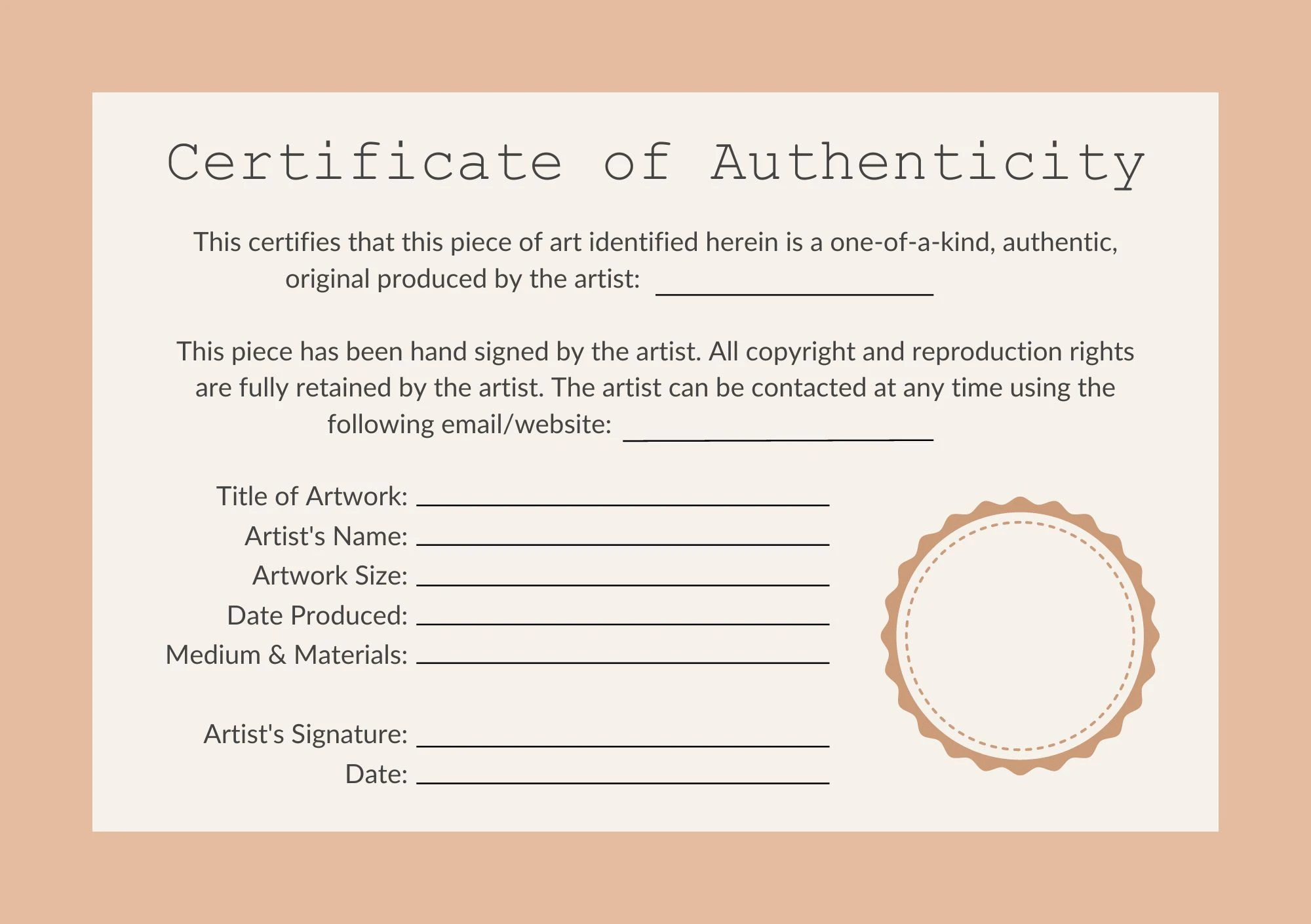
Why is a Certificate of Authenticity Important?
A certificate of authenticity is crucial for several reasons, especially when dealing with high-value items. Here are some key reasons why having a COA is important:
1. Authenticity Verification: A COA confirms the authenticity of an item, assuring buyers that they are investing in a genuine piece.
2. Provenance Documentation: COAs often include details about the item’s history, including previous owners or exhibitions, adding to its provenance and value.
3. Insurance Purposes: Having a COA can help establish the value of an item for insurance coverage, ensuring that it is adequately protected.
4. Resale Value: Items with a COA generally have higher resale value, as buyers are more willing to pay a premium for authenticated items.
5. Trust and Credibility: COAs provide a level of trust and credibility in the marketplace, reducing the risk of purchasing fraudulent or misrepresented items.
6. Investment Potential: Authentic items with a documented history often appreciate in value over time, making them valuable investment pieces.
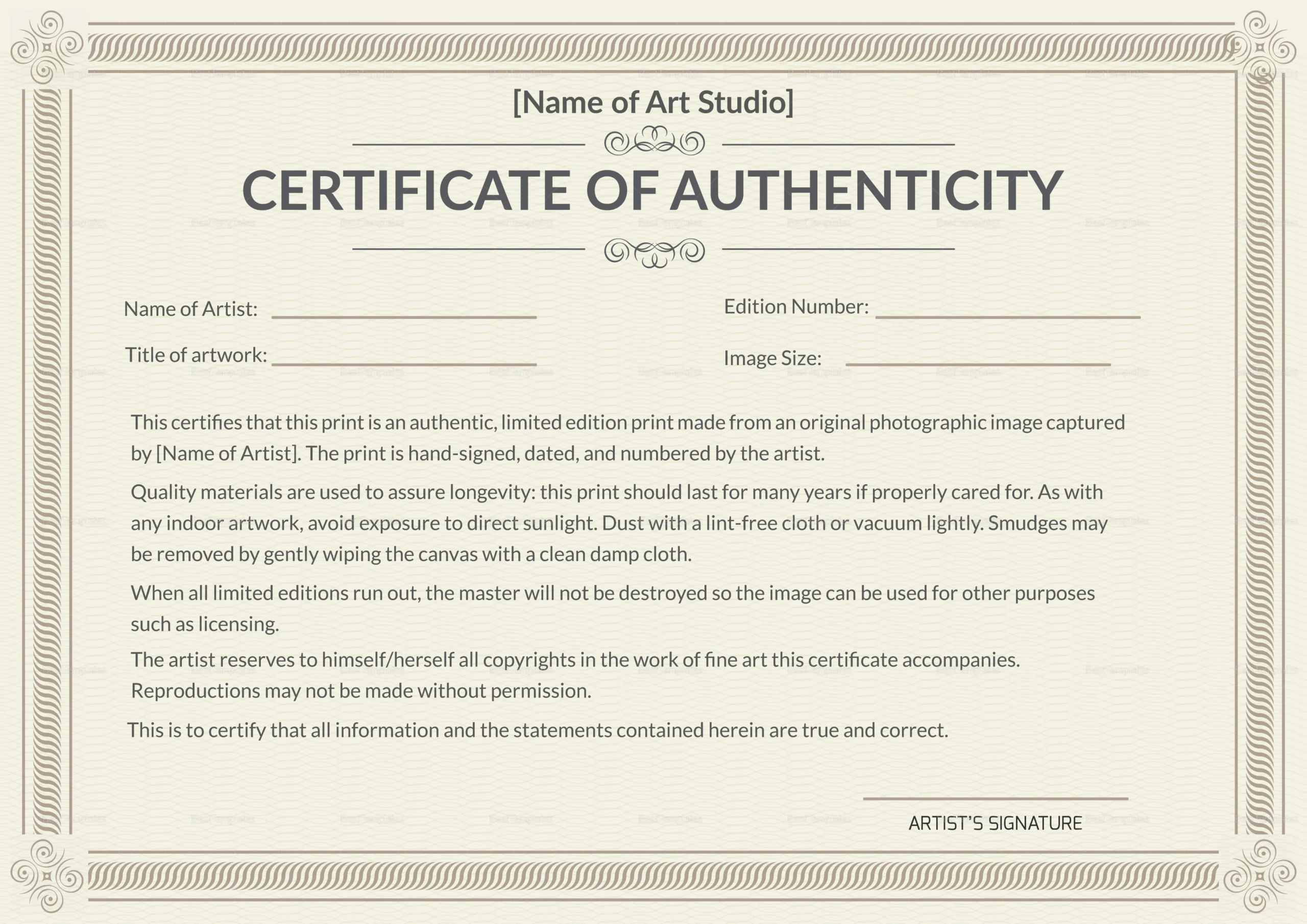
How to Obtain a Certificate of Authenticity
Obtaining a certificate of authenticity can vary depending on the item and the organization issuing it. Here are some common ways to obtain a COA:
1. Purchase Directly: Some items come with a COA at the time of purchase, especially high-end designer goods or limited edition collectibles.
2. Third-Party Authentication: For items without a COA, third-party authentication services can verify the authenticity of the item for a fee.
3. Expert Appraisal: Consulting with an expert in the field can help authenticate an item and provide a written certificate of authenticity.
4. Auction Houses: Items sold at reputable auction houses often come with a COA, as they have been thoroughly vetted by experts.
5. Manufacturer Verification: Some manufacturers offer COAs for their products, especially in the case of autographed memorabilia or limited edition items.
Having a certificate of authenticity can make a world of difference when it comes to buying, selling, or insuring valuable items. Whether you’re a collector, investor, or enthusiast, a COA can provide peace of mind and assurance that your prized possession is the real deal.
Authenticity Certificate Template – Free Download
