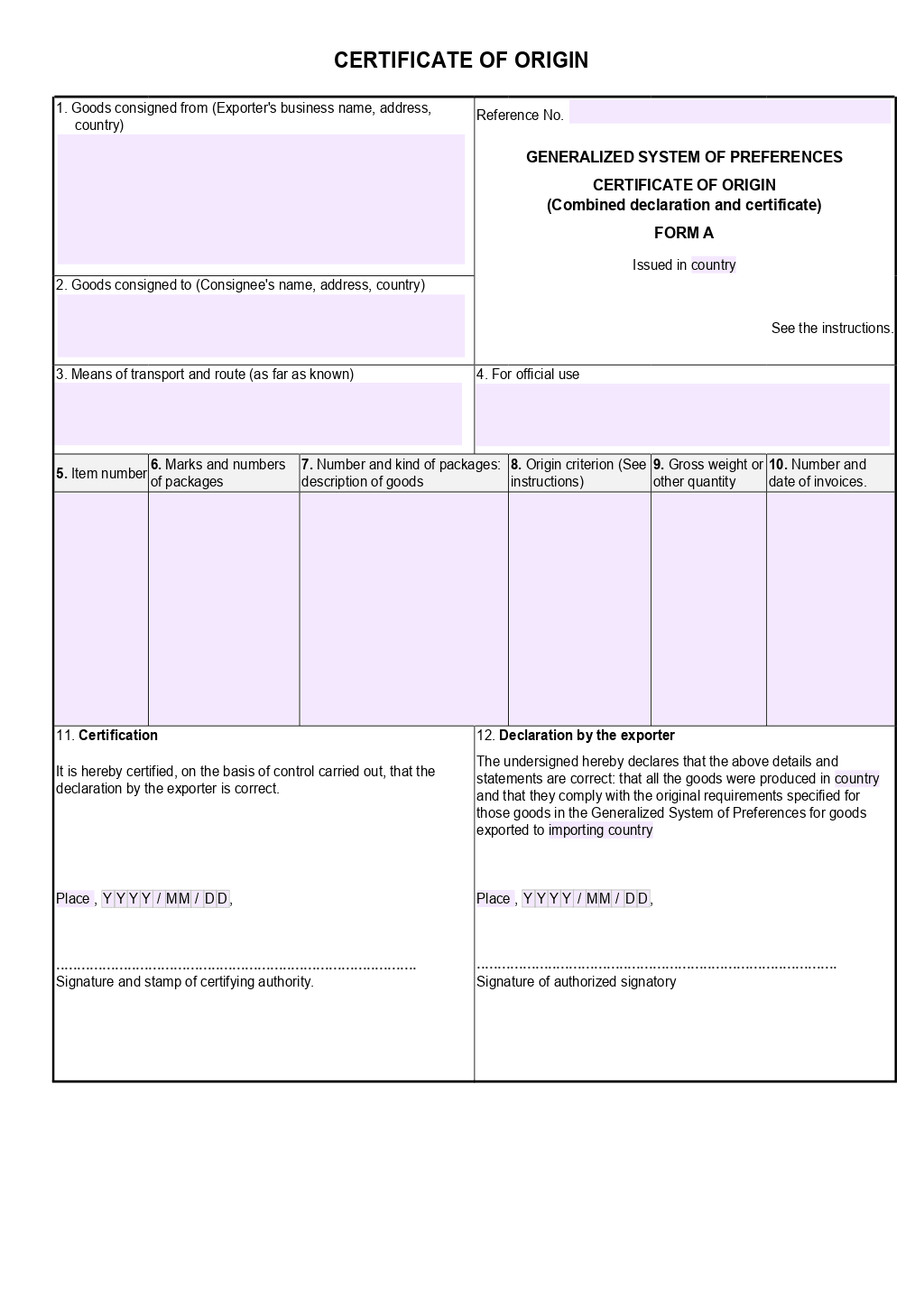
When it comes to international trade, the Certificate of Origin (COO) plays a crucial role in determining the nationality of a product. This document confirms that the product was grown, manufactured, or processed in a specific country, which is essential for various trade-related purposes. In this article, we will delve into the What, Why, Key Elements, How to, and Tips for Successful handling of Certificate of Origin.
What is a Certificate of Origin?
A Certificate of Origin is a document that certifies the origin of a product, indicating the country where it was produced. This information is vital for customs authorities to determine applicable customs duties under trade agreements, allow for preferential tariffs, satisfy customs clearance requirements, and enforce trade policies, sanctions, and embargoes.
Why is Certificate of Origin Important?
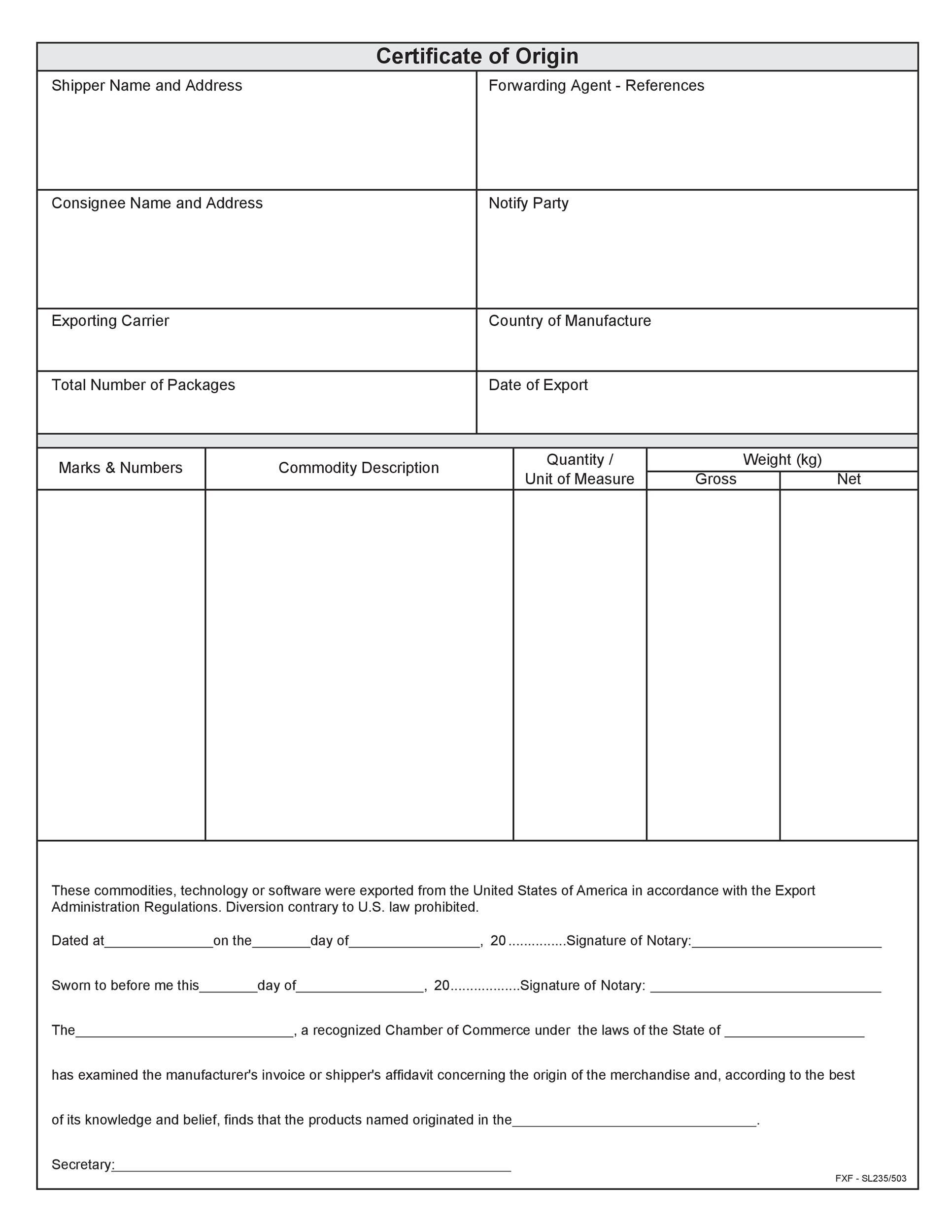
The Certificate of Origin is crucial in international trade for several reasons. Firstly, it helps to ensure that products receive preferential treatment under trade agreements, reducing or eliminating customs duties. Secondly, it enables customs authorities to verify the authenticity of the product’s origin, preventing fraud and misrepresentation. Lastly, it helps to enforce trade regulations and ensure compliance with international trade laws.
Key Elements of a Certificate of Origin
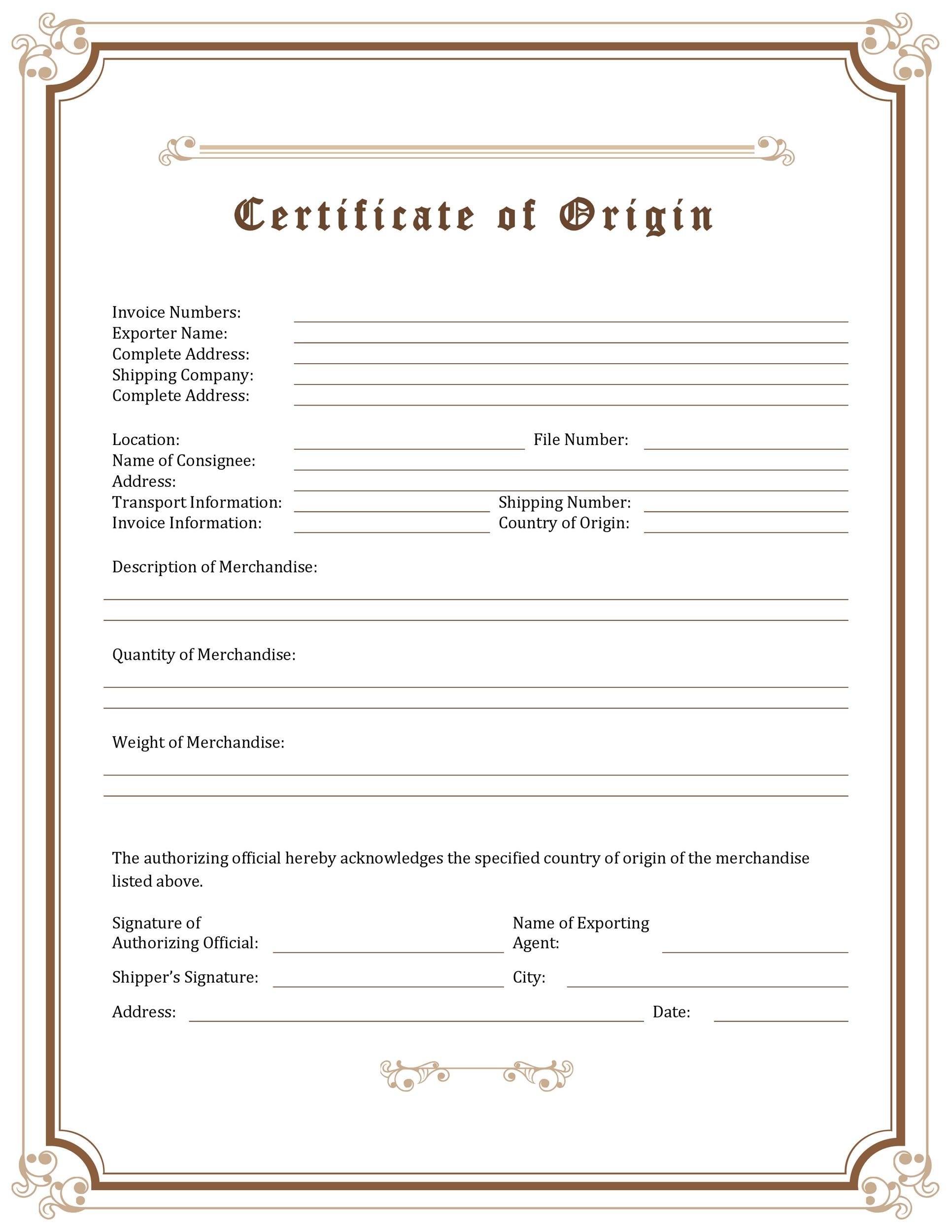
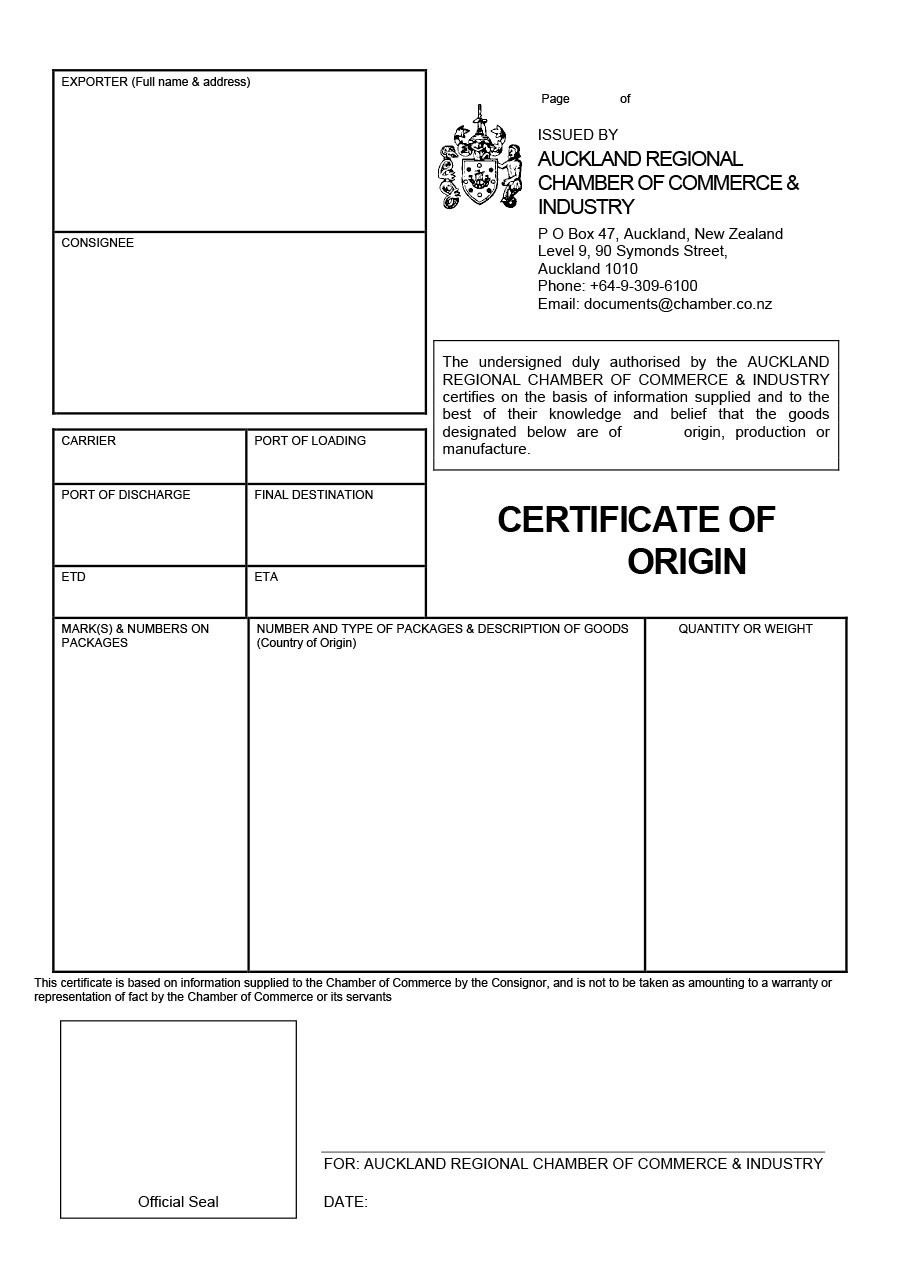
When preparing a Certificate of Origin, several key elements must be included to ensure its validity and accuracy. These elements typically include:
- Product Description: Detailed information about the product being exported.
- Exporter Details: Information about the company or individual exporting the product.
- Importer Details: Information about the company or individual importing the product.
- Country of Origin: The country in which the product was grown, manufactured, or processed.
- Signature and Seal: The document must be signed and sealed by the exporter or authorized party.
How to Obtain a Certificate of Origin
Obtaining a Certificate of Origin typically involves the following steps:
- Contact Chamber of Commerce: Chambers of Commerce are often responsible for issuing Certificates of Origin. Contact your local Chamber of Commerce for guidance on the process.
- Provide Required Documents: Submit the necessary documents, including invoices, packing lists, and other relevant paperwork.
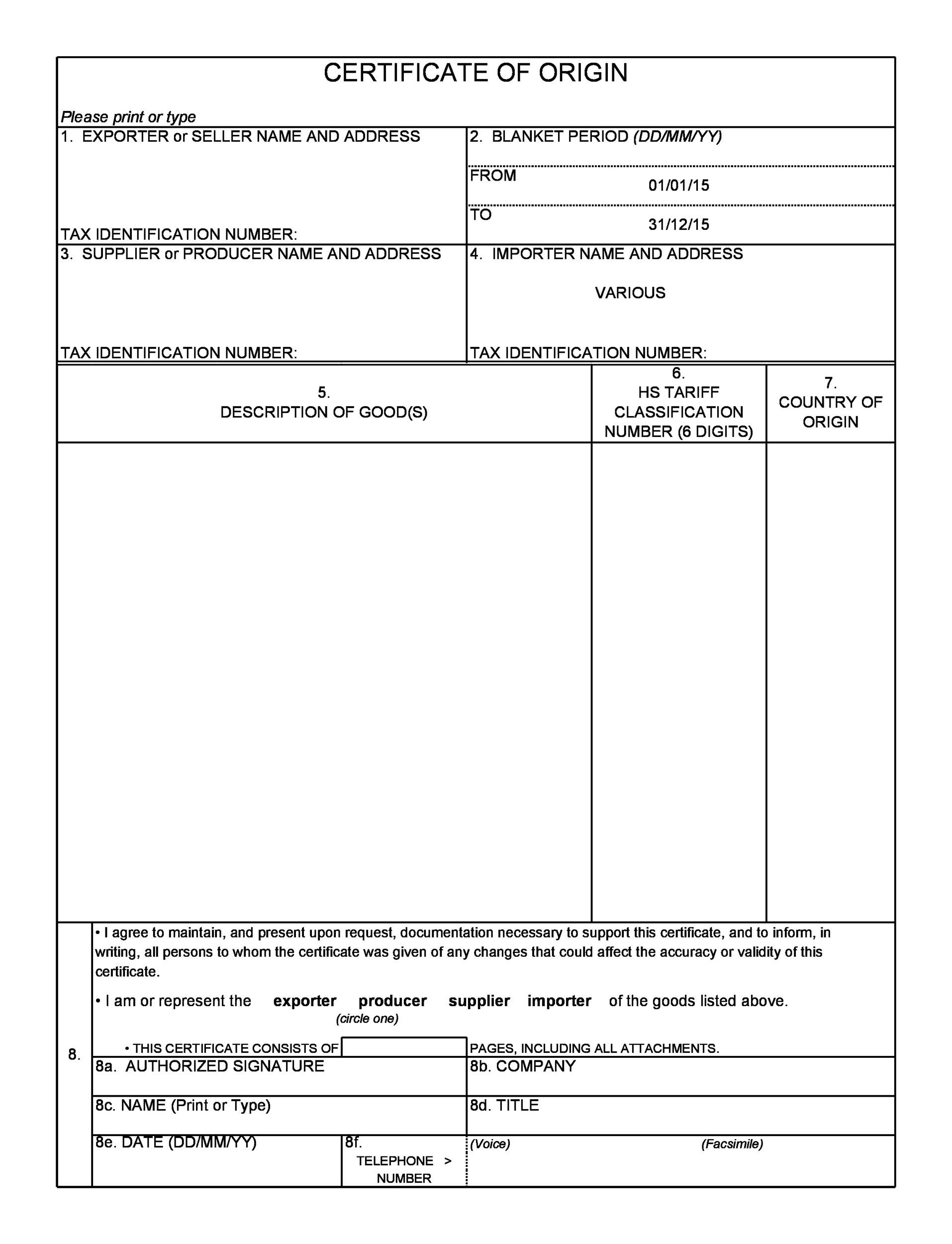
- Complete Application Form: Fill out the application form with accurate information about the product and its origin.
- Pay Fees: There may be fees associated with obtaining a Certificate of Origin. Ensure all fees are paid promptly.
- Receive Certificate: Once the application is approved, you will receive the Certificate of Origin to include with your shipment.
Tips for Successful Handling of Certificate of Origin
To ensure a smooth and successful process when handling a Certificate of Origin, consider the following tips:
- Plan Ahead: Start the process of obtaining a Certificate of Origin well in advance of shipping your products to avoid delays.
- Double-Check Information: Ensure all information on the Certificate of Origin is accurate and matches the accompanying documentation.
- Keep Records: Maintain detailed records of all Certificates of Origin issued for future reference and compliance.
- Stay Informed: Stay updated on trade agreements, regulations, and requirements related to Certificates of Origin to ensure compliance.
- Seek Professional Assistance: If you are unsure about the process or requirements for obtaining a Certificate of Origin, seek assistance from trade experts or consultants.
Conclusion
The Certificate of Origin is a vital document in international trade that helps determine the nationality of a product and ensures compliance with trade regulations. By understanding the What, Why, Key Elements, How to, and Tips for Successful handling of Certificate of Origin, exporters and importers can navigate the complexities of international trade more effectively and efficiently.
