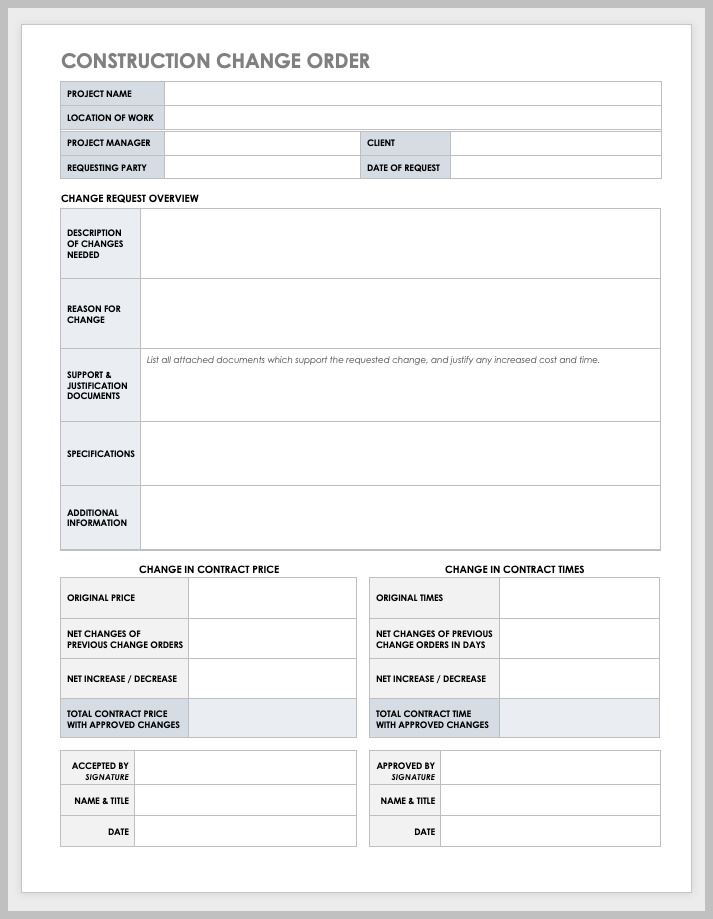
Change orders are a common occurrence in the world of contracts and project management. They are used to formally document and legally amend an existing contract when the scope, cost, or schedule of a project must be modified. In this article, we will delve into the intricacies of change orders, exploring what they are, why they are important, key elements to consider, how to effectively implement them, and tips for successful execution.
What are Change Orders?
Change orders are essentially modifications made to a contract after it has been signed. These modifications can involve changes to the scope of work, adjustments to the project timeline, or revisions to the budget. Change orders are necessary when unforeseen circumstances arise during the course of a project, requiring adjustments to be made in order to ensure its successful completion.
Why are Change Orders Important?
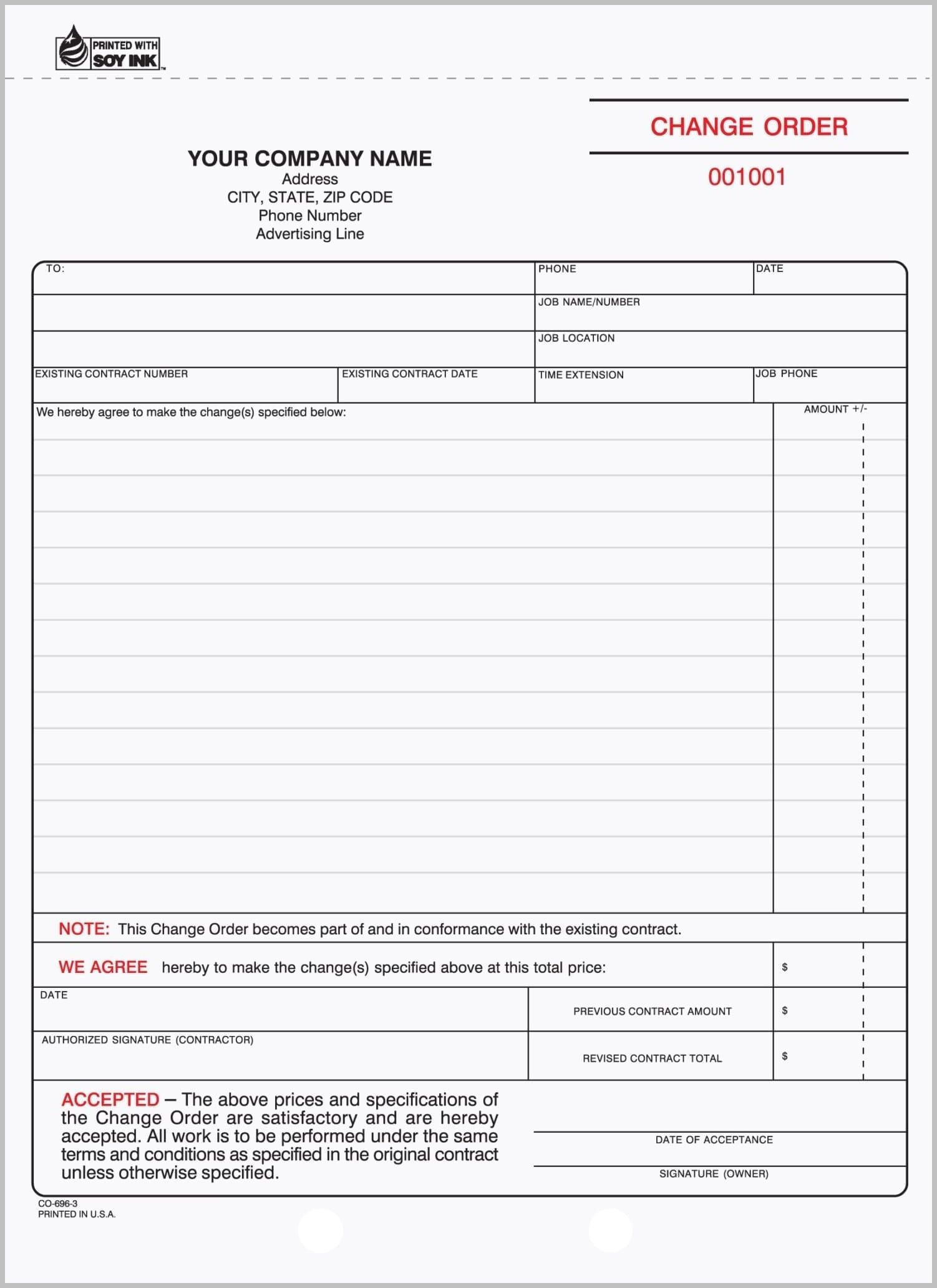
Change orders play a crucial role in project management and contract administration. They help to maintain clear communication between all parties involved in the project, ensuring that everyone is on the same page regarding any modifications that need to be made. Change orders also provide a formal record of changes to the contract, protecting all parties from potential disputes or misunderstandings down the line.
Key Elements of Change Orders
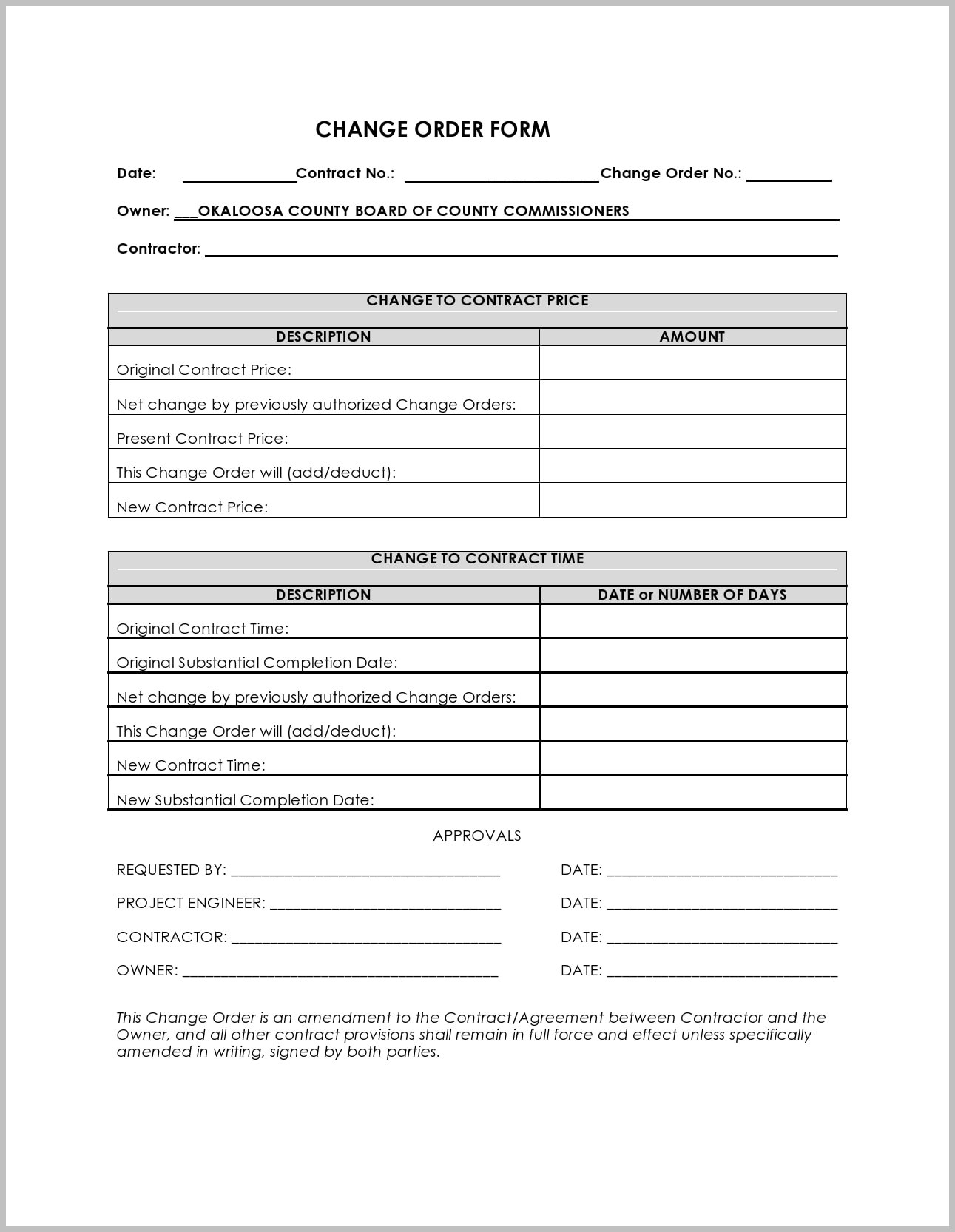
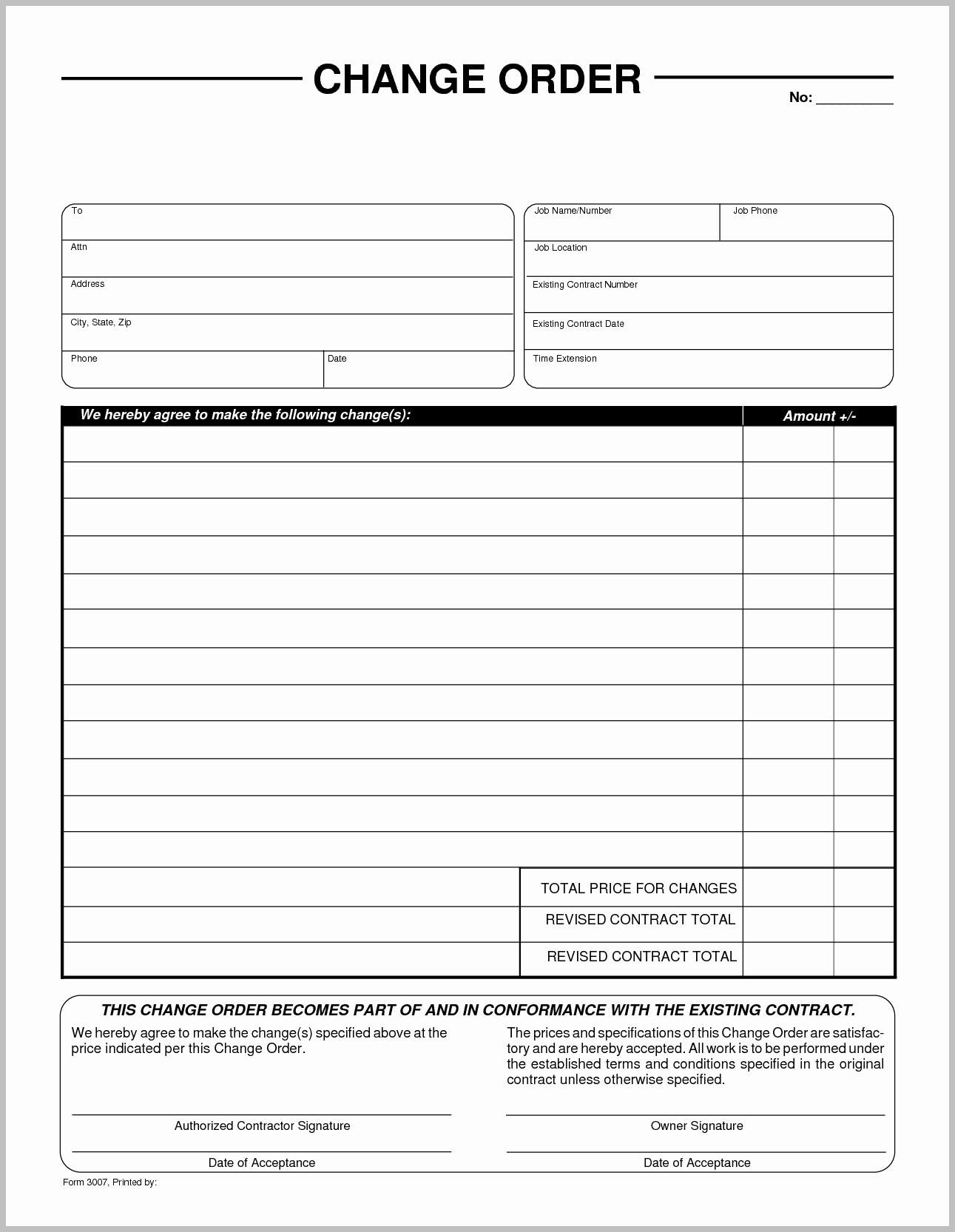
When it comes to drafting a change order, several key elements should be included to ensure its effectiveness:
- Description of the Change. Clearly outline the specific modifications that need to be made to the contract.
- Impact Analysis. Assess the impact of the proposed changes on the project timeline, budget, and scope of work.
- Cost Estimate. Provide a detailed breakdown of the additional costs associated with the change order.
- Signatures. Obtain signatures from all parties involved to formally approve the change order.
How to Implement Change Orders
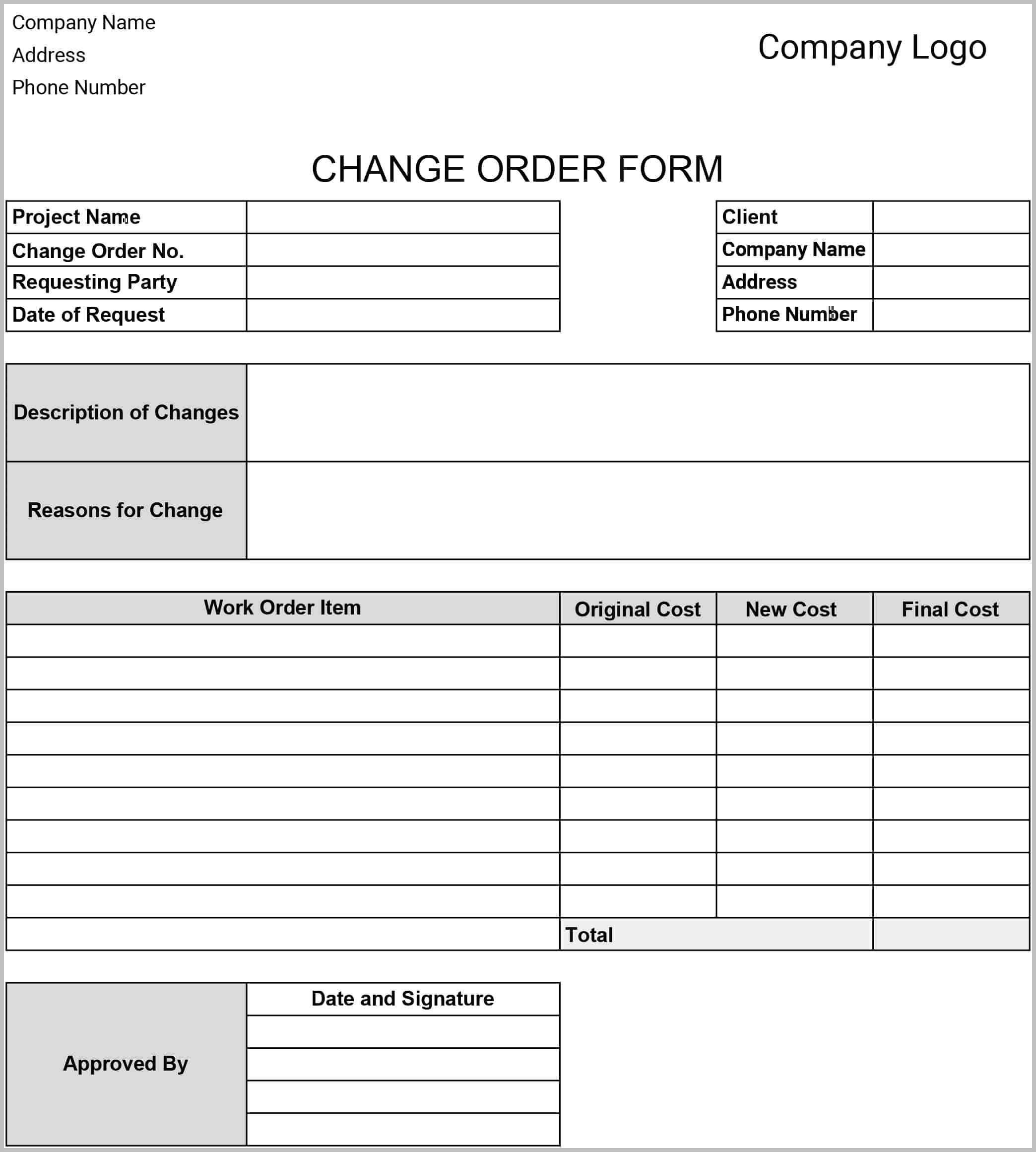
Implementing change orders effectively requires careful planning and communication. Here are some steps to follow when implementing a change order:
- Evaluate the Need for a Change. Assess the impact of the proposed modifications on the project.
- Document the Changes. Clearly outline the changes to be made in the change order document.
- Negotiate Terms. Discuss the proposed changes with all parties involved and negotiate any necessary terms.
- Obtain Signatures. Ensure that all parties sign off on the change order to make it legally binding.
Tips for Successful Change Orders
Successfully executing change orders requires attention to detail and effective communication. Here are some tips to keep in mind:
- Communicate Clearly. Ensure that all parties are aware of the proposed changes and their implications.
- Document Everything. Keep detailed records of all communications and agreements related to the change order.
- Stay Flexible. Be open to negotiation and be willing to compromise to reach a mutually beneficial agreement.
By understanding the importance of change orders, incorporating key elements, following proper implementation procedures, and adhering to tips for success, you can effectively navigate the complexities of modifying contracts and project scopes to ensure successful project completion.
