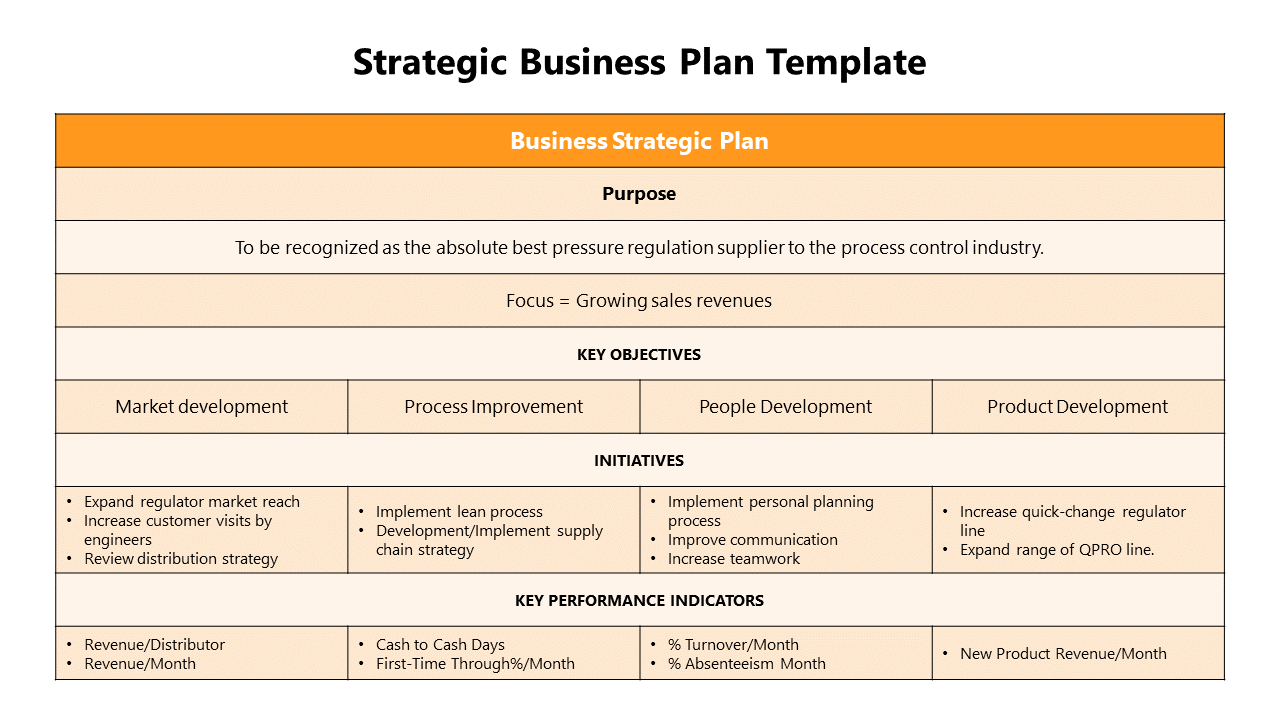
In the fast-paced and competitive business world, having a strategic plan is crucial for long-term success. A business strategic plan serves as a roadmap that provides direction by setting clear goals, identifying opportunities, and mitigating risks. It aligns the entire organization towards a common vision, ensuring resources are allocated effectively to achieve set objectives and stay ahead of market changes. The key outcomes of a well-developed strategic plan include improved decision-making, enhanced resource allocation, greater team alignment, proactive risk management, and a significant competitive advantage.
What Is a Business Strategic Plan?
A business strategic plan is a comprehensive document that outlines the organization’s long-term goals and objectives. It includes a detailed roadmap of how the company plans to achieve these goals, the resources required, and the timeline for completion. A strategic plan serves as a guide for decision-making and resource allocation, ensuring that all activities are aligned with the overarching vision of the organization.
Why Every Successful Business Needs a Strategic Plan?
Having a strategic plan is essential for the success of any business. Without a clear roadmap, companies can easily lose focus and direction, leading to wasted resources and missed opportunities. A strategic plan helps organizations stay on track, make informed decisions, and adapt to changes in the market. It also ensures that all employees are working towards a common goal, increasing efficiency and productivity.
1. Aligning the Organization
A strategic plan helps align the entire organization towards a common vision and goals. It ensures that everyone is working towards the same objectives, reducing conflicts and increasing collaboration. This alignment results in improved communication, better decision-making, and increased efficiency.
2. Setting Clear Goals
One of the key elements of a strategic plan is setting clear and measurable goals. These goals provide a roadmap for the organization, allowing employees to track progress and stay motivated. Clear goals also help prioritize activities and allocate resources effectively.
3. Identifying Opportunities
A strategic plan helps businesses identify new opportunities for growth and expansion. By conducting a thorough analysis of the market and industry trends, organizations can pinpoint areas where they can capitalize on opportunities and gain a competitive advantage.
4. Mitigating Risks
Another important aspect of a strategic plan is risk management. By identifying potential risks and developing contingency plans, businesses can minimize the impact of unforeseen events and disruptions. This proactive approach to risk management can help organizations navigate challenges and uncertainties with ease.
5. Improving Decision-Making
A strategic plan provides a framework for making informed decisions. By outlining clear objectives and strategies, organizations can evaluate options based on their alignment with the overall goals. This systematic approach to decision-making results in better outcomes and helps avoid costly mistakes.
6. Enhancing Resource Allocation
Effective resource allocation is crucial for the success of any business. A strategic plan helps organizations allocate resources – such as budget, manpower, and time – in a way that maximizes productivity and efficiency. This ensures that resources are used effectively to achieve the desired outcomes.
7. Greater Team Alignment
A strategic plan fosters greater alignment among team members. By clearly communicating goals and expectations, employees are more likely to work together towards a common purpose. This alignment results in increased collaboration, improved morale, and higher employee engagement.
8. Proactive Risk Management
Proactive risk management is a key benefit of having a strategic plan. By identifying potential risks and developing mitigation strategies, organizations can prepare for unforeseen events and minimize their impact. This proactive approach to risk management helps businesses stay agile and resilient in the face of challenges.
9. Significant Competitive Advantage
Ultimately, a well-developed strategic plan gives businesses a significant competitive advantage. By aligning the organization towards a common vision, identifying opportunities, and mitigating risks, companies can stay ahead of the competition and outperform their peers. This competitive advantage allows businesses to thrive in a constantly evolving market landscape.
Key Elements of Strategic Planning
Strategic planning involves several key elements that are essential for the development of a successful strategic plan. These elements include:
- SWOT Analysis. Conducting a SWOT (Strengths, Weaknesses, Opportunities, Threats) analysis to assess the internal and external factors that can impact the organization.
- Goal Setting. Establishing clear and measurable goals that align with the organization’s mission and vision.
- Market Research. Conducting thorough market research to identify opportunities and trends that can drive growth.
- Resource Allocation. Allocating resources effectively to support the implementation of the strategic plan.
- Monitoring and Evaluation. Regularly monitoring progress towards goals and evaluating the effectiveness of strategies.
- Communication. Communicating the strategic plan to all stakeholders to ensure alignment and engagement.
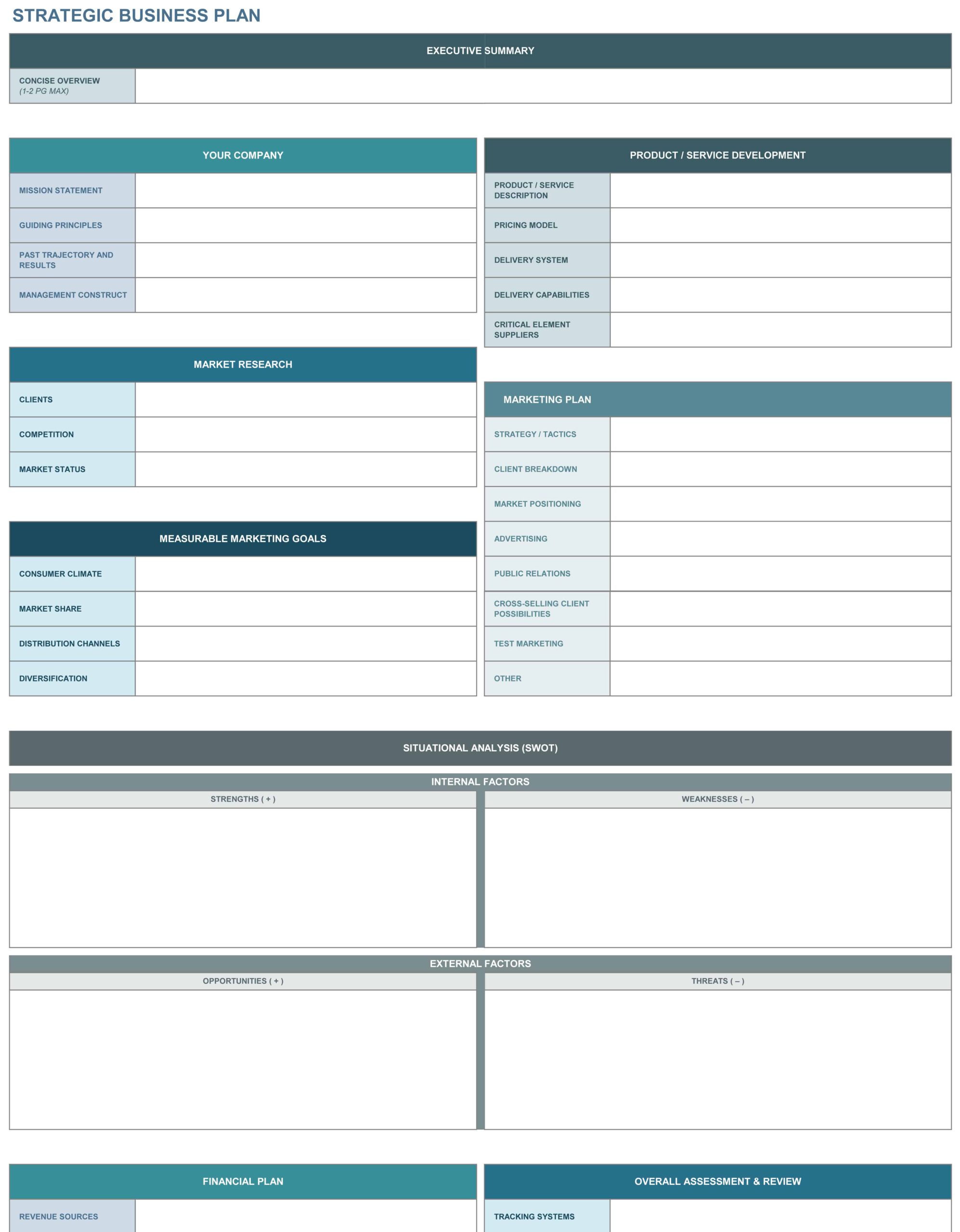
Step Strategic Planning Process
Developing a strategic plan involves a step-by-step process that ensures all aspects of the organization are considered. The strategic planning process typically includes the following steps:
1. Conducting a SWOT Analysis to assess internal strengths and weaknesses, as well as external opportunities and threats.
2. Defining the organization’s mission, vision, and values to guide the development of the strategic plan.
3. Setting clear and measurable goals that are aligned with the organization’s overall objectives.
4. Developing strategies and action plans to achieve the set goals, including resource allocation and timelines.
5. Implementing the strategic plan and monitoring progress towards goals, making adjustments as needed.
6. Evaluating the effectiveness of the strategic plan and making improvements for continuous growth and success.
What Are the Risks of Not Having a Strategic Plan?
Not having a strategic plan can pose several risks to a business, including:
- Lack of Direction. Without a clear roadmap, organizations can lose focus and direction, leading to confusion and inefficiency.
- Missed Opportunities. Without a strategic plan, businesses may overlook potential opportunities for growth and expansion, putting them at a disadvantage in the market.
- Wasted Resources. Poor resource allocation without a strategic plan can result in wasted time, money, and manpower on activities that do not contribute to the organization’s goals.
- Increased Risk. Without proactive risk management strategies in place, businesses are more vulnerable to unforeseen events and disruptions that can impact their operations.
- Lack of Competitive Advantage. Organizations without a strategic plan may struggle to stay ahead of competitors and differentiate themselves in the market, leading to stagnation or decline.
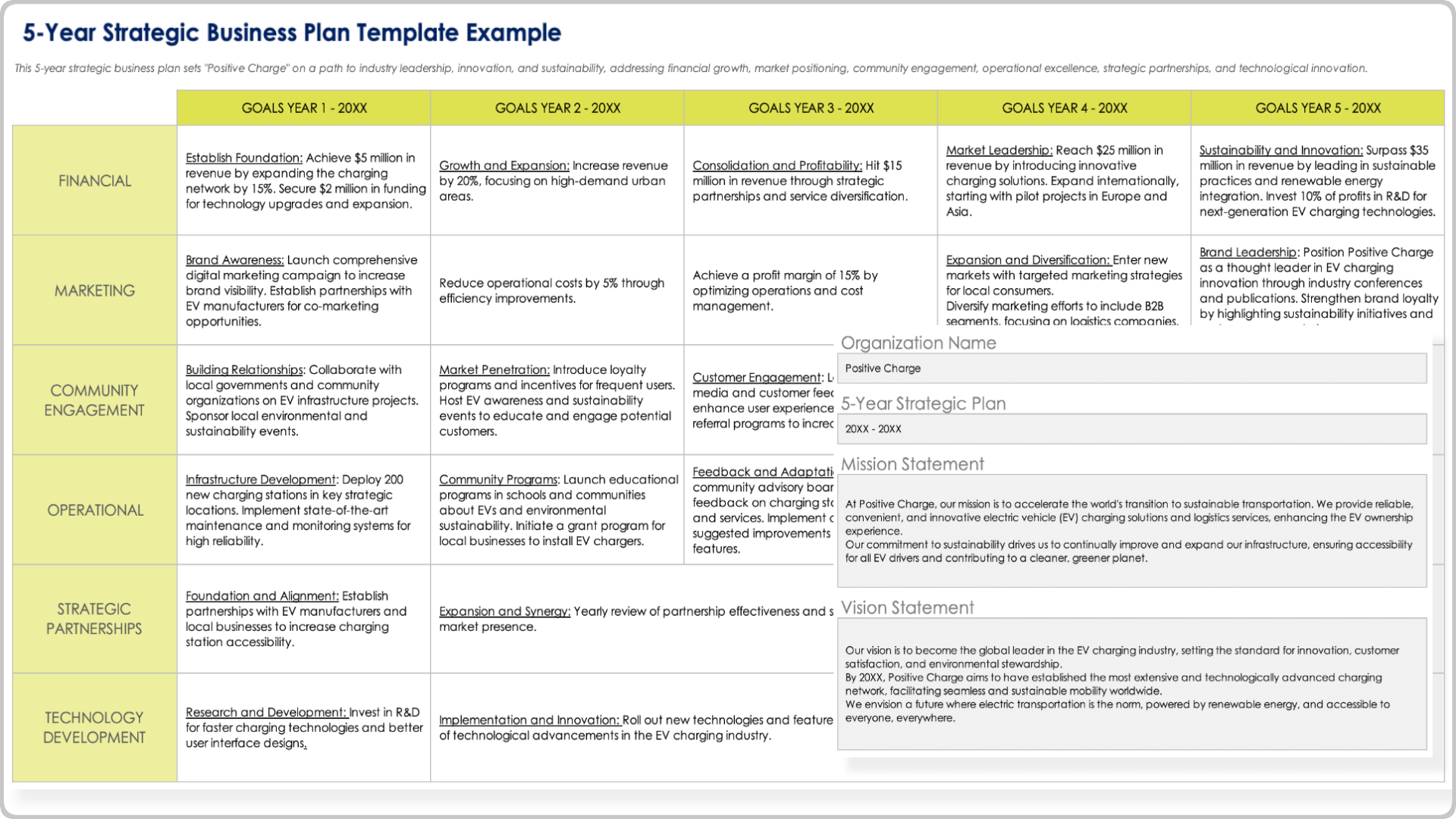
In conclusion, a business strategic plan is a vital tool for long-term success, providing direction, alignment, and a competitive advantage in a constantly evolving business environment. By developing a comprehensive strategic plan that outlines clear goals, identifies opportunities, and mitigates risks, organizations can position themselves for growth, resilience, and sustained success.
