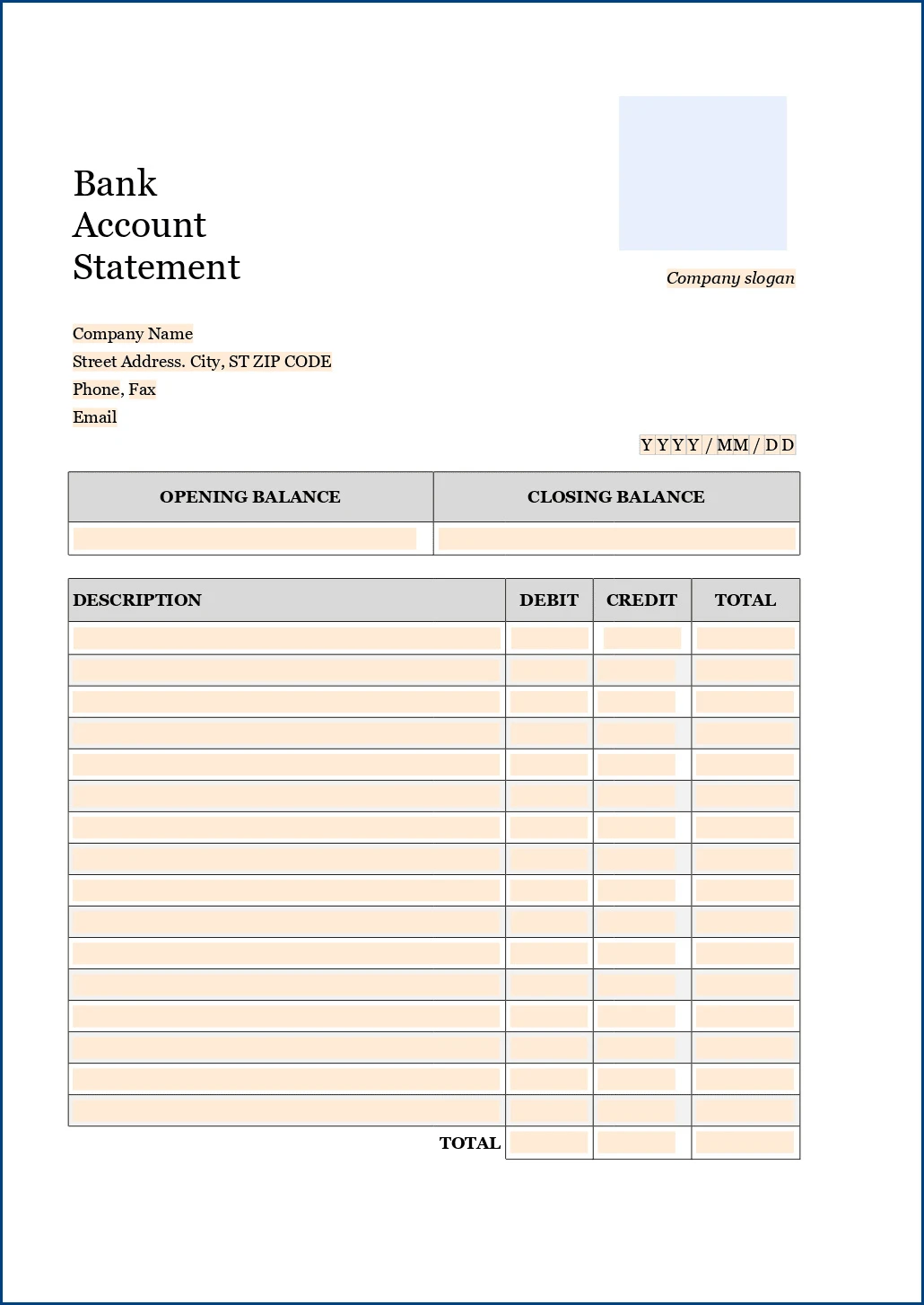
In today’s fast-paced world, keeping track of your finances is crucial for financial success. One tool that can help you stay on top of your money matters is a bank statement. A bank statement provides a formal record of all transactions in a bank account over a specific period, allowing account holders to track their finances, detect errors or fraud, monitor spending habits, reconcile their accounts, and serve as proof of financial activity for tasks like applying for loans or filing taxes.
Let’s delve deeper into the world of bank statements and understand why they are essential for managing your finances effectively.
What is a Bank Statement?
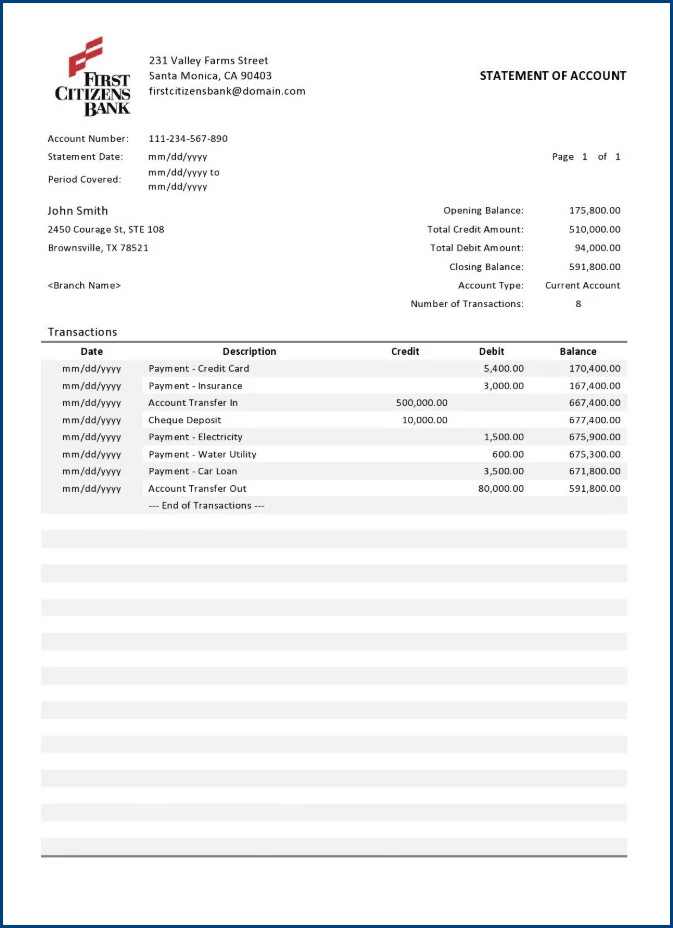
A bank statement is a document issued by a financial institution, such as a bank or credit union, that provides a detailed summary of all transactions that have occurred in a particular bank account during a specific period. These transactions can include deposits, withdrawals, transfers, fees, and other financial activities. Bank statements are typically issued on a monthly basis, but some institutions may offer the option to receive them more frequently.
Bank statements are usually sent to account holders either electronically through online banking portals or by mail in paper form. They contain important information such as the account holder’s name, account number, statement period, beginning and ending balances, transaction details, and any additional notes or messages from the financial institution.
What is the Purpose of a Bank Statement?
The primary purpose of a bank statement is to provide a detailed record of all financial transactions that have taken place in a specific bank account over a defined period. This information is essential for account holders to monitor their financial activity, track their spending habits, and reconcile their accounts to ensure that they align with their records. Additionally, bank statements serve as proof of financial activity, which can be invaluable for various tasks, such as applying for loans, filing taxes, or resolving disputes with merchants.
By reviewing their bank statements regularly, account holders can identify any discrepancies, errors, or unauthorized charges in their accounts, which may indicate fraud or identity theft. This early detection can help prevent further financial losses and protect the account holder’s assets.
How a Bank Statement Works
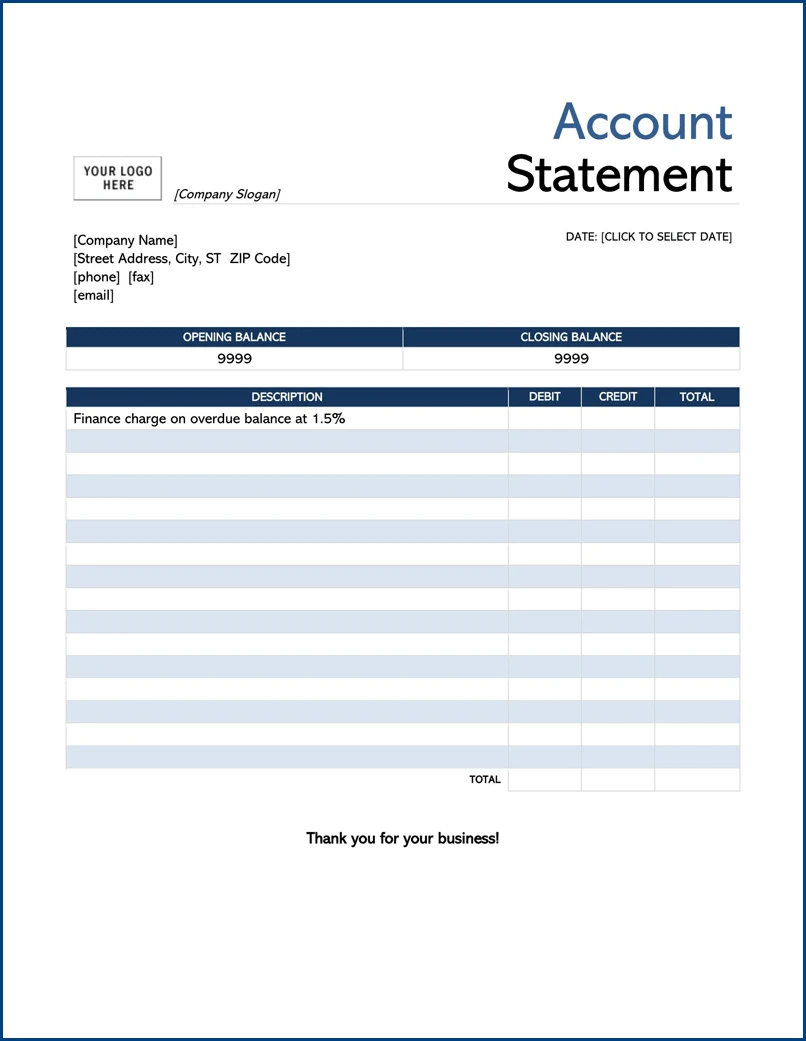
When a financial institution issues a bank statement, it typically covers a specific period, such as a month or a quarter. The statement will list all transactions that occurred during that period, including deposits, withdrawals, transfers, fees, and any other activities related to the account. The beginning balance is the amount of money in the account at the start of the statement period, while the ending balance is the remaining balance at the end of the period after all transactions have been accounted for.
Account holders can review their bank statements to ensure that all transactions are accurate and authorized. If they notice any discrepancies or errors, they should contact their financial institution immediately to resolve the issue. It is essential to keep track of bank statements regularly to stay informed about the financial status and make informed decisions about money management.
Benefits of a Bank Statement
- Financial Tracking: Bank statements help account holders monitor their financial activity and track their spending habits over time.
- Error Detection: By reviewing their bank statements, account holders can identify any errors, discrepancies, or unauthorized charges in their accounts.
- Proof of Financial Activity: Bank statements serve as official records of financial transactions, which can be used as proof for various tasks like applying for loans or filing taxes.
- Fraud Prevention: Early detection of unauthorized transactions on bank statements can help prevent fraud or identity theft.
- Account Reconciliation: Bank statements aid in reconciling account balances and ensuring that they match the account holder’s records.
Different Types of Bank Statements
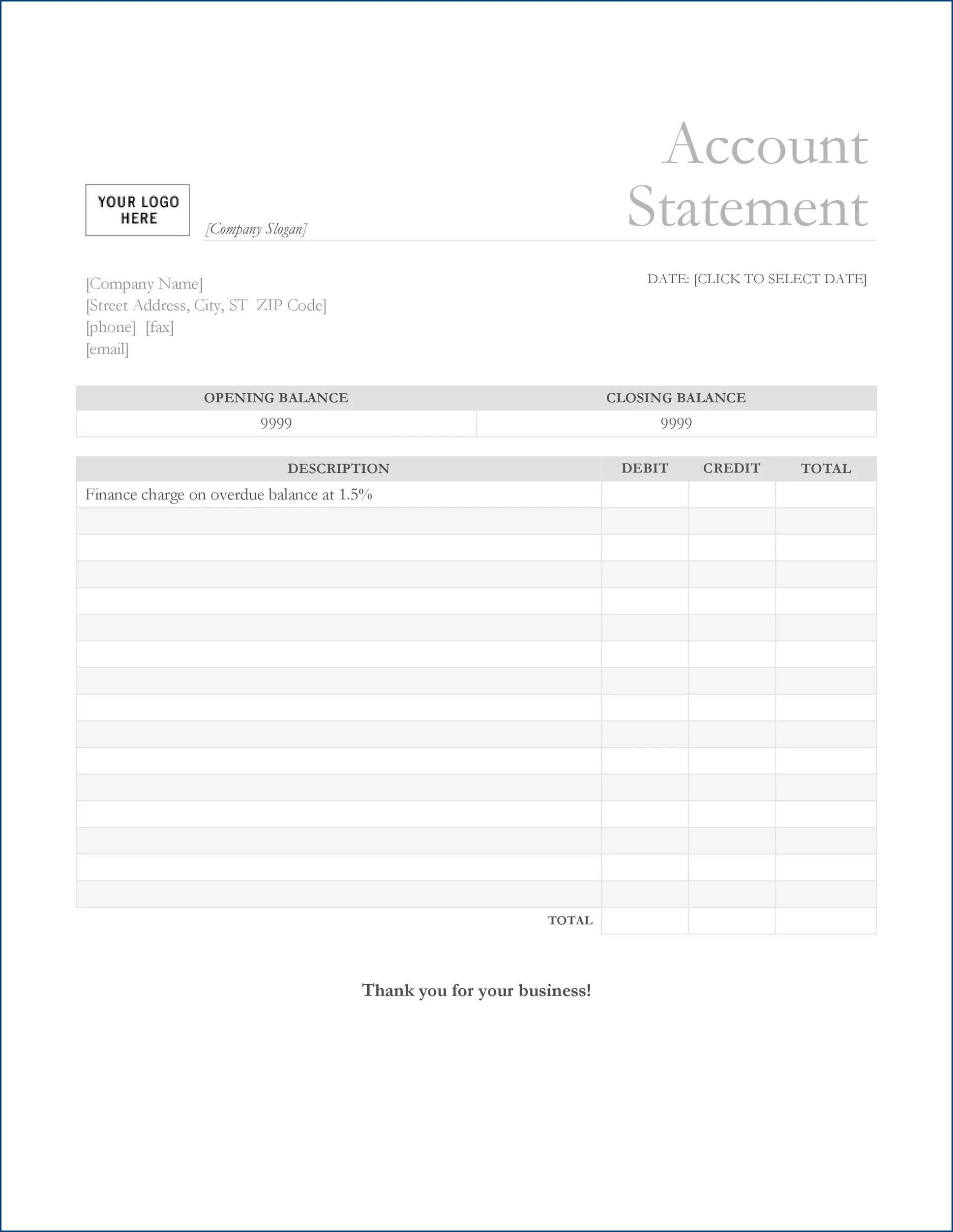
There are several types of bank statements that financial institutions may offer to their account holders, including electronic statements, paper statements, and combined statements for multiple accounts. Electronic statements, also known as e-statements, are typically delivered through online banking portals or email, while paper statements are mailed to account holders in physical form. Combined statements may consolidate information from multiple accounts, such as checking and savings accounts, on a single statement for convenience.
Account holders can choose the type of bank statement delivery that best suits their preferences and needs. Electronic statements are environmentally friendly and convenient for those who prefer digital records, while paper statements offer a tangible and traditional way of reviewing financial transactions.
Components of a Bank Statement
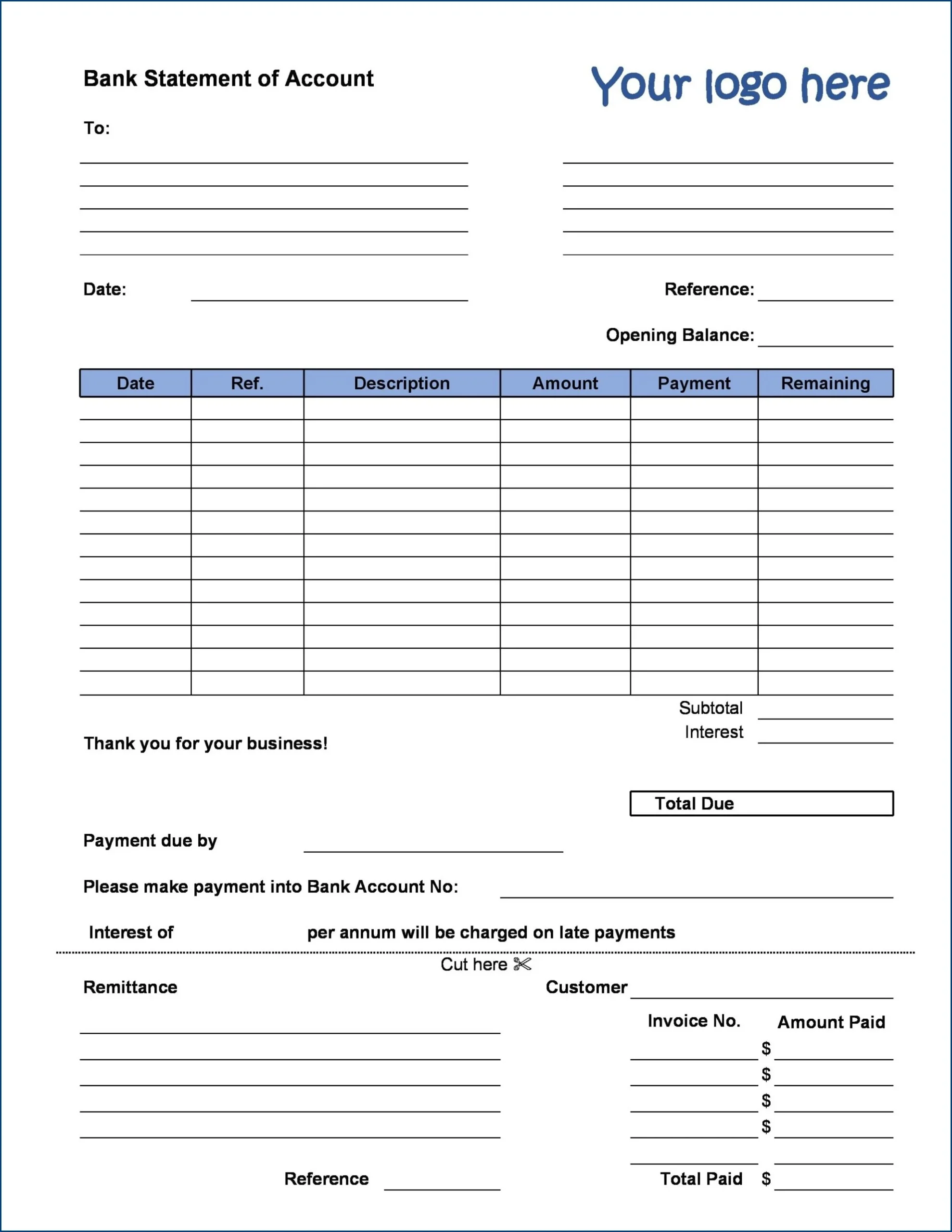
Bank statements typically include several key components that provide essential information to account holders. These components may vary slightly depending on the financial institution, but they generally consist of the following:
- Account Holder Information: Including name, address, and account number.
- Statement Period: The specific timeframe covered by the statement.
- Transaction Details: A list of all financial activities, such as deposits, withdrawals, transfers, and fees.
- Beginning and Ending Balances: The amount of money in the account at the start and end of the statement period.
- Additional Notes: Any messages or notifications from the financial institution regarding the account.
In Conclusion
In conclusion, bank statements play a vital role in managing your finances effectively by providing a formal record of all transactions in a bank account over a specific period. By reviewing your bank statements regularly, you can track your financial activity, detect errors or fraud, monitor your spending habits, reconcile your accounts, and have proof of financial activity for various tasks. Understanding the importance of bank statements and utilizing them to your advantage can help you stay informed about your financial status and make informed decisions about your money management. Remember to keep track of your bank statements and reach out to your financial institution if you notice any discrepancies or issues.
Bank Statement Template – Free Download
