When it comes to managing your health, monitoring your blood pressure is crucial. High blood pressure, also known as hypertension, can lead to serious health issues such as heart disease, stroke, and kidney failure. One effective way to keep track of your blood pressure readings and ensure that you are on the right path to maintaining a healthy heart is by maintaining a blood pressure log.
What is a Blood Pressure Log?
A blood pressure log is a simple tool that allows you to record your blood pressure readings over time. By consistently tracking your blood pressure numbers, you and your healthcare provider can create a complete picture of your cardiovascular health.
This information is essential for diagnosing high blood pressure, monitoring the effectiveness of your treatment plan, and making informed adjustments to your medication or lifestyle changes.
Why Keep a Blood Pressure Log?
Keeping a blood pressure log offers numerous benefits for your overall health and well-being. Here are some reasons why maintaining a blood pressure log is important:
- Early Detection: Regularly monitoring your blood pressure can help detect any changes or abnormalities in your readings early on, allowing for prompt intervention.
- Treatment Monitoring: Tracking your blood pressure readings over time enables you and your doctor to assess the effectiveness of your current treatment plan and make necessary adjustments.
- Medication Management: A blood pressure log helps ensure that your medication is working as intended and allows for proper dosing adjustments if needed.
- Identifying Patterns: By recording your blood pressure readings consistently, you may identify patterns or triggers that affect your blood pressure levels, helping you make lifestyle changes for better control.
What to Include in Your Blood Pressure Log
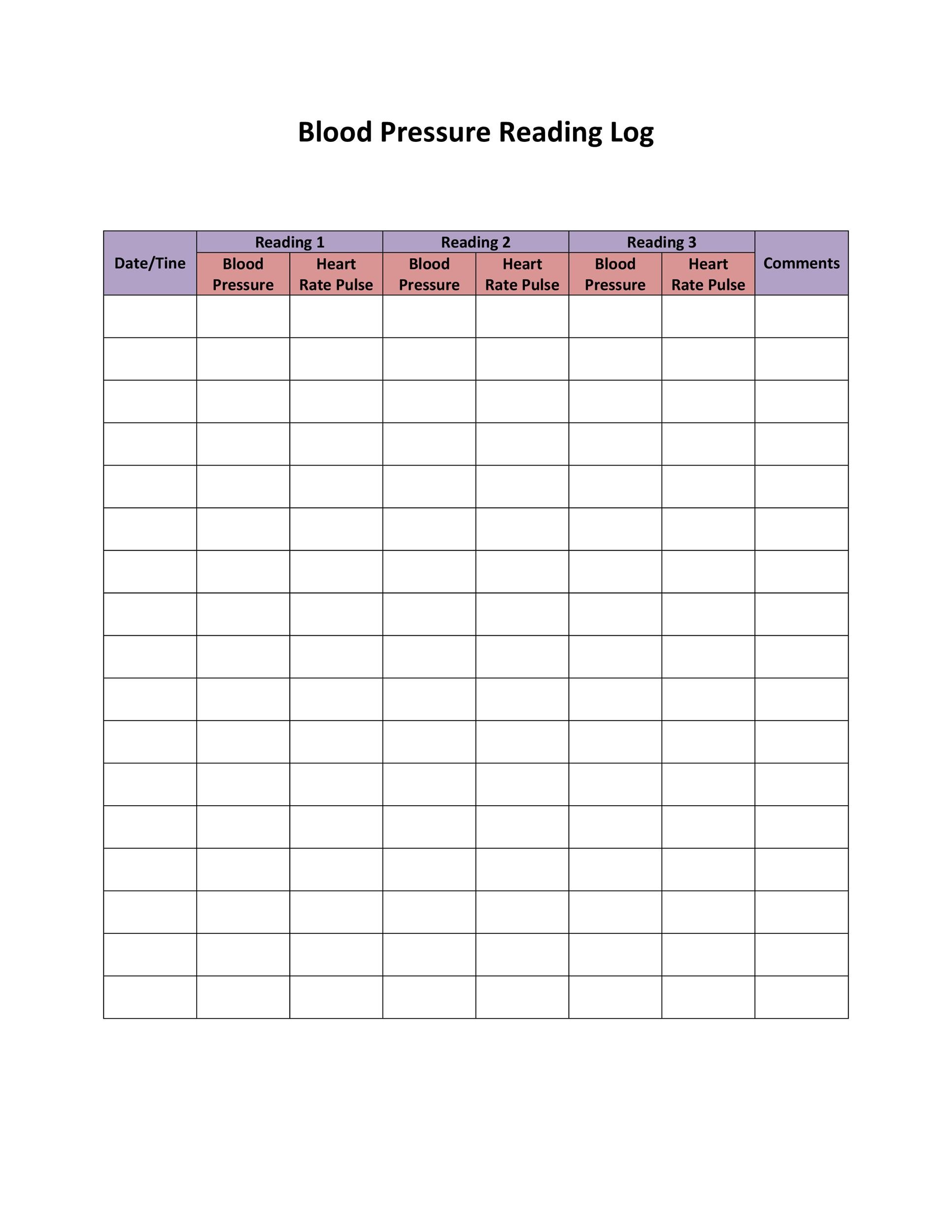
Creating a comprehensive blood pressure log involves more than just jotting down your numbers. Here are some key elements to include in your blood pressure log:
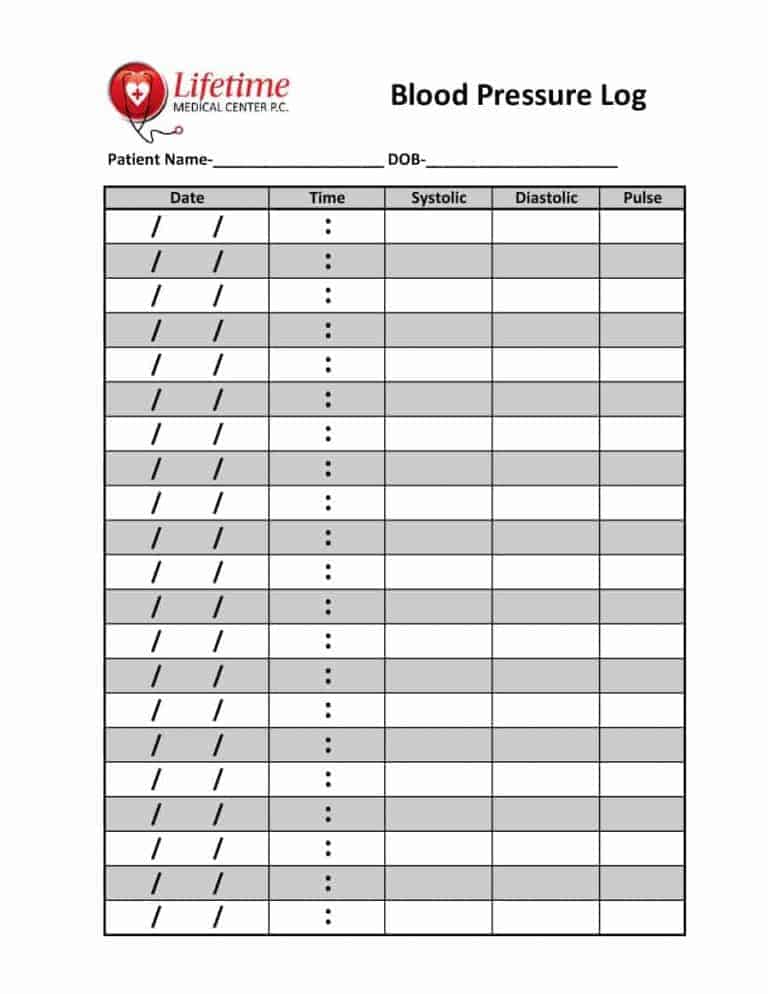
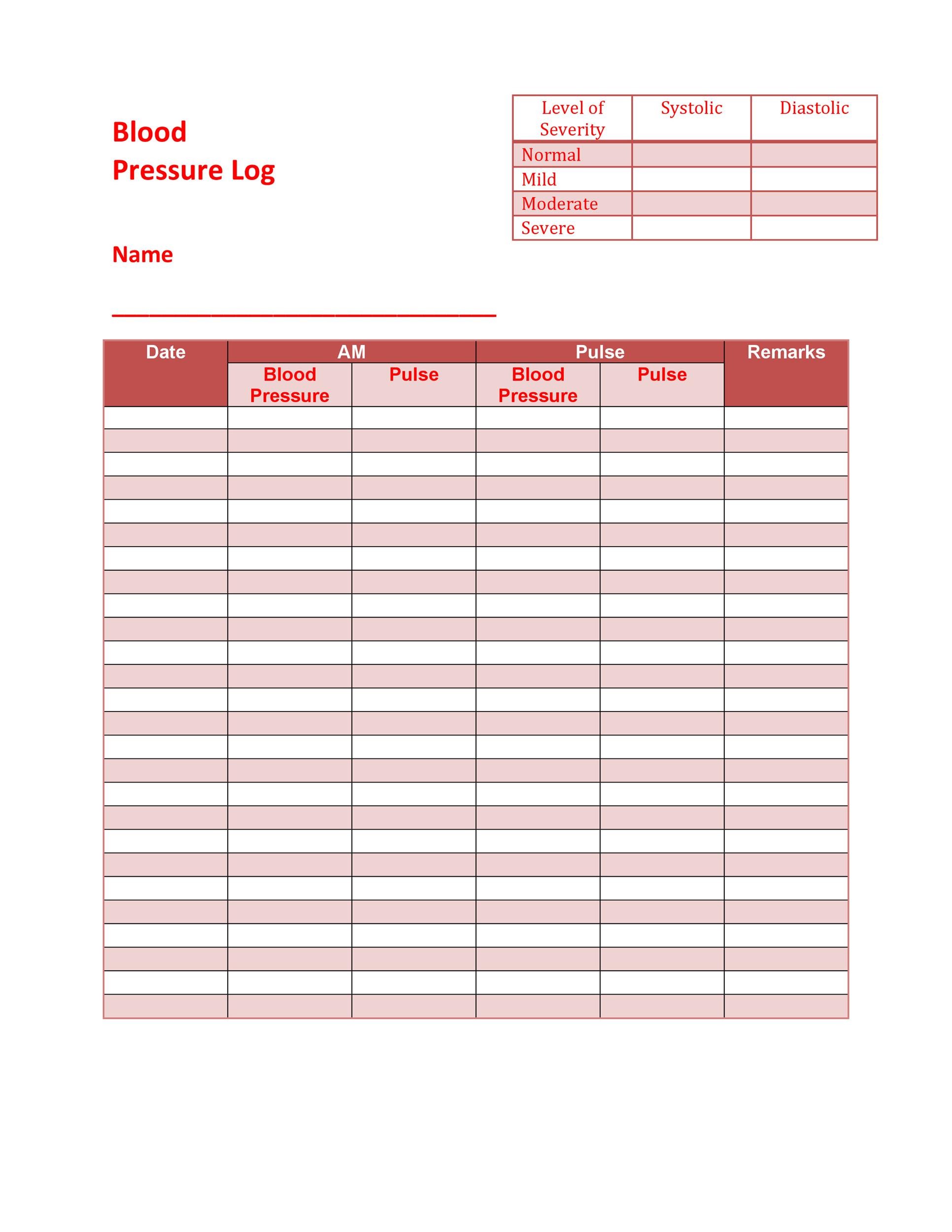
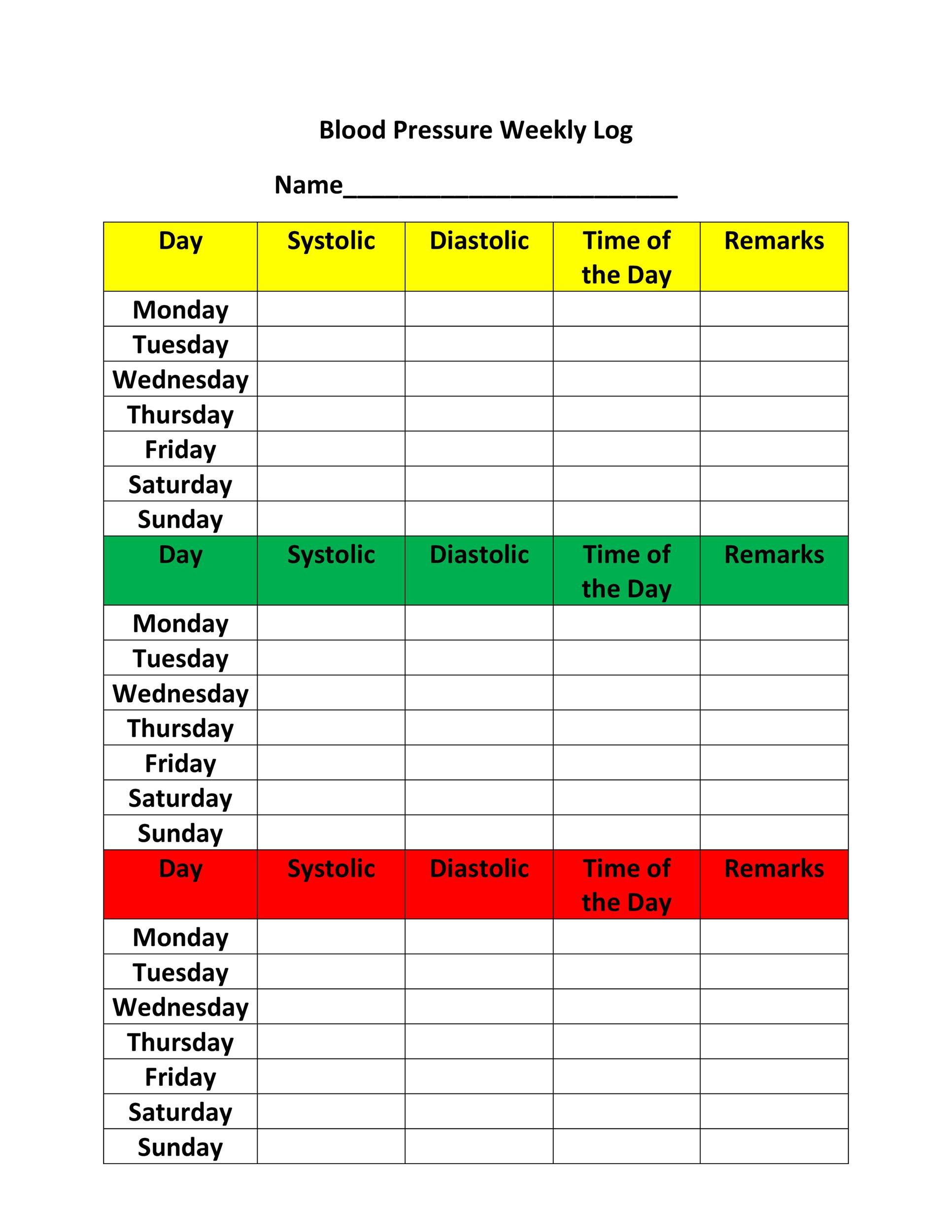
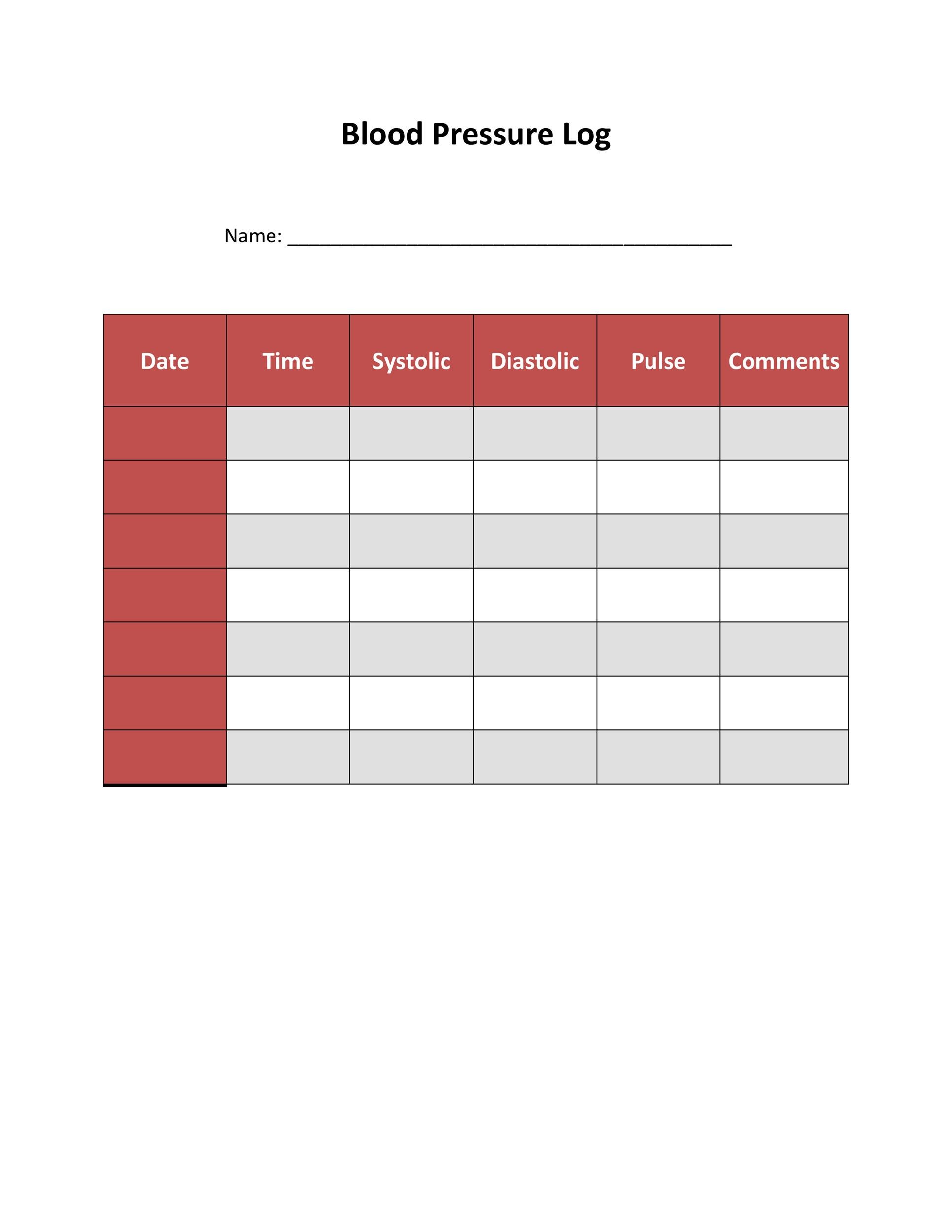
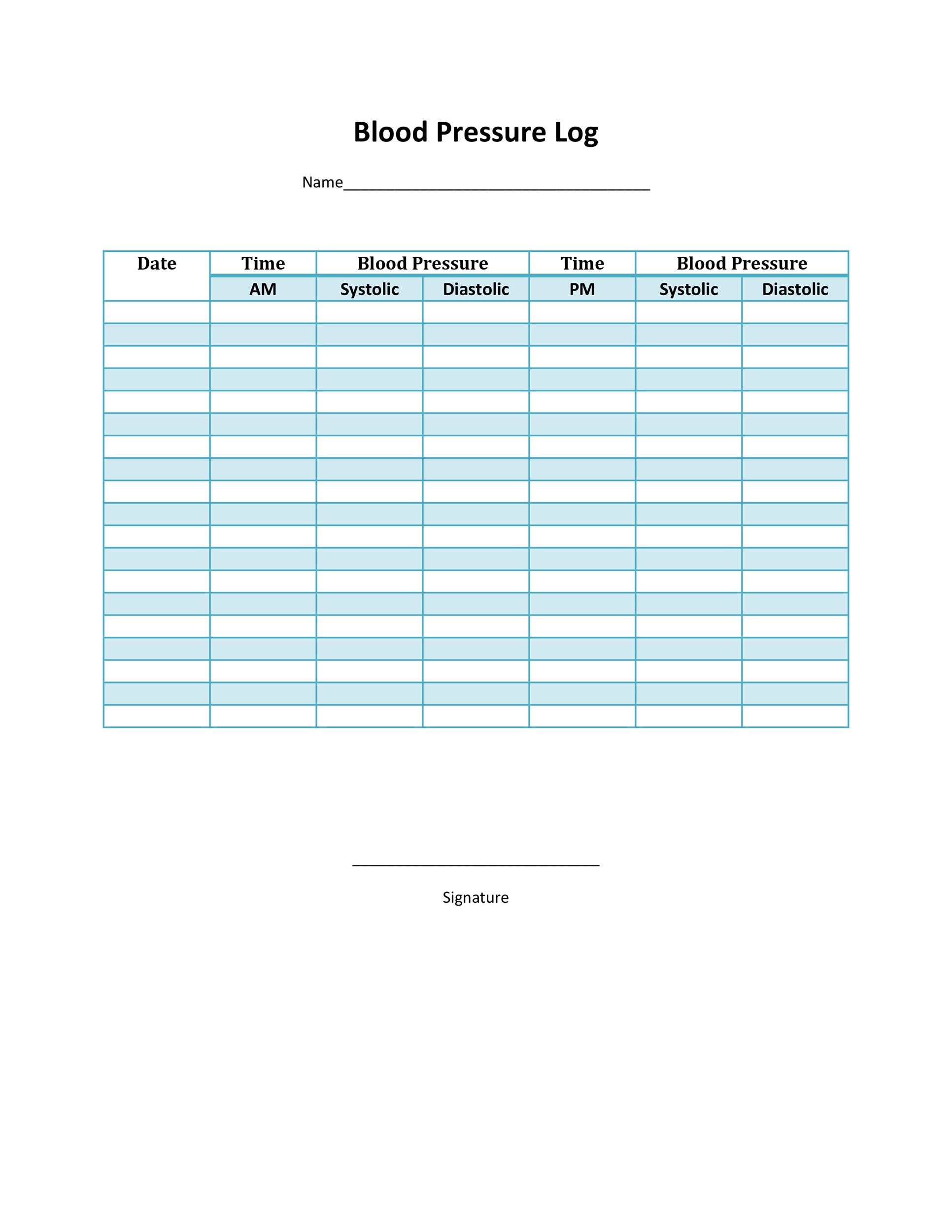
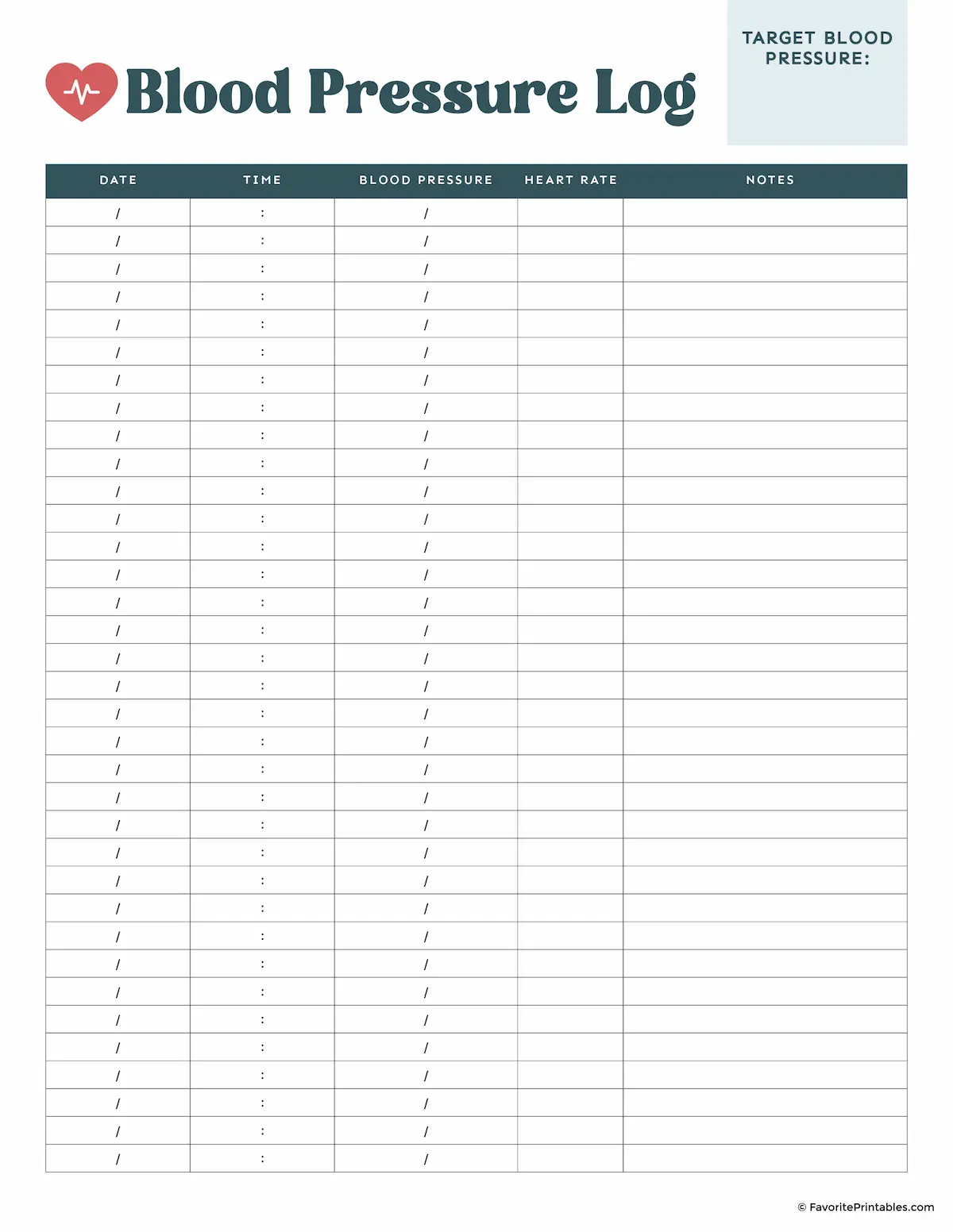
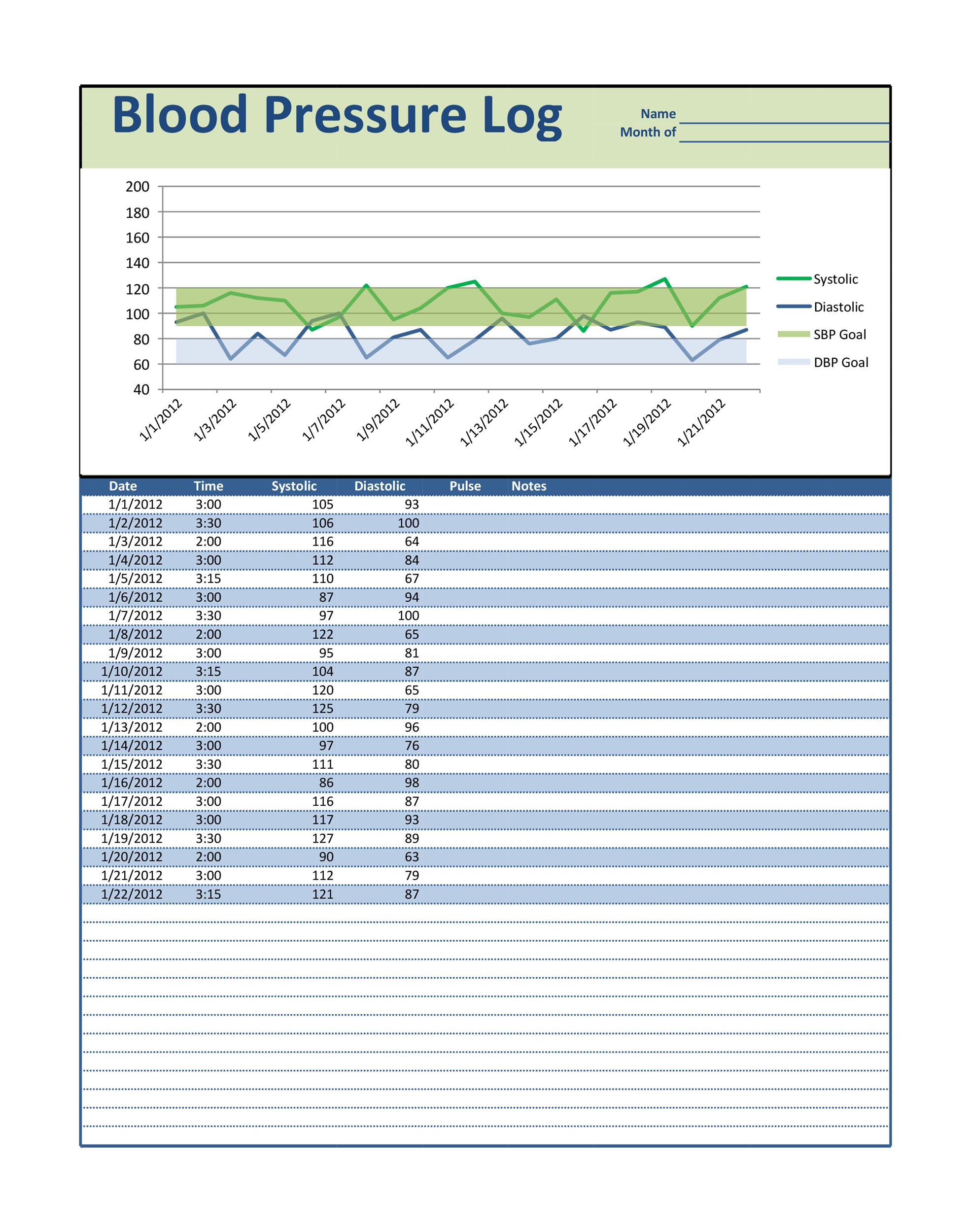
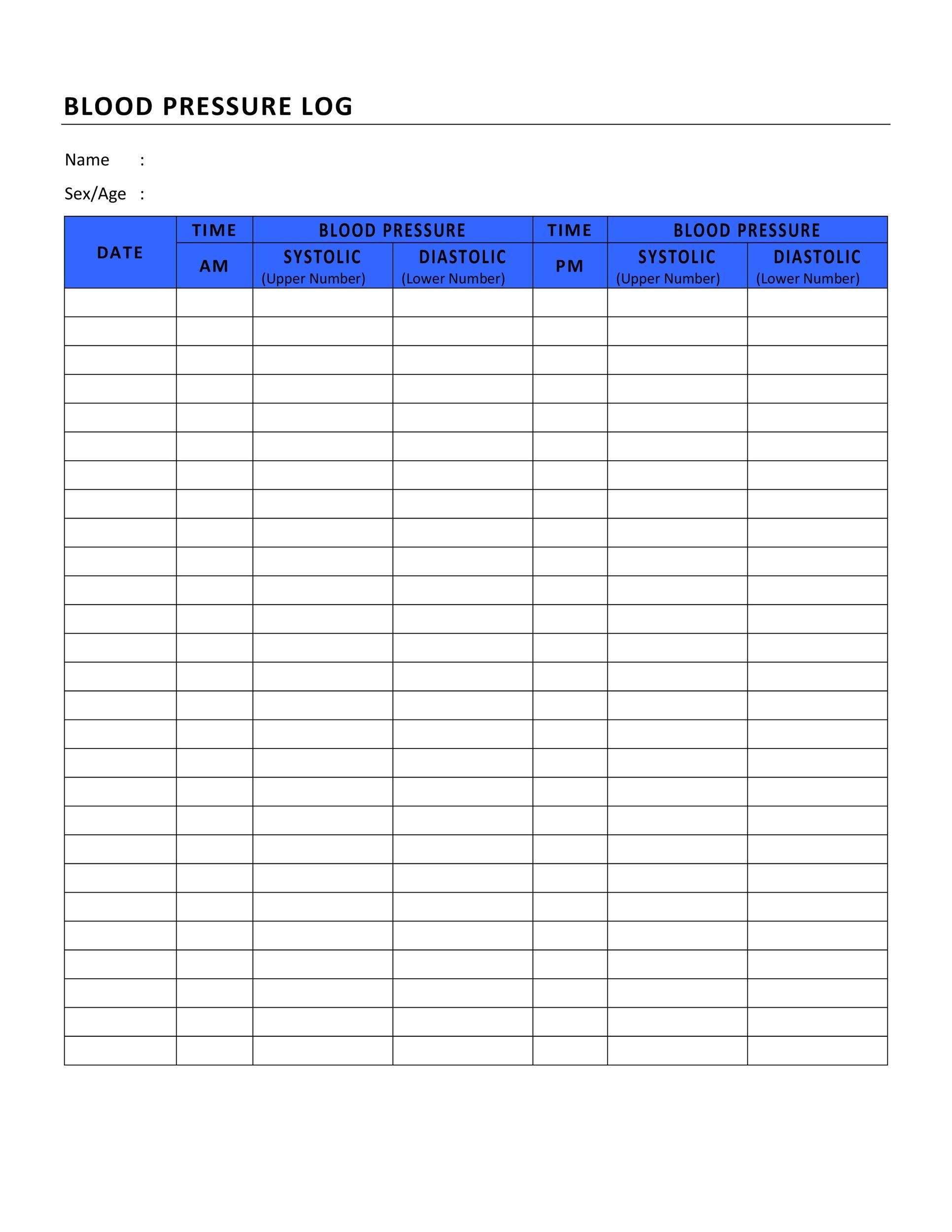
- Date and Time: Record the date and time of each blood pressure reading to track changes throughout the day and over time.
- Blood Pressure Readings: Include both your systolic and diastolic blood pressure numbers for accurate monitoring.
- Heart Rate: Note your heart rate along with your blood pressure readings to get a complete picture of your cardiovascular health.
- Medications: Record any medications you are taking, including the dosage and frequency, to ensure proper management.
- Activities and Lifestyle Factors: Document any activities, stress levels, or lifestyle factors that may influence your blood pressure readings.
Examples
How to Maintain a Blood Pressure Log
Keeping a blood pressure log doesn’t have to be complicated. Here are some simple steps to help you maintain an effective blood pressure log:
1. Use a Dedicated Notebook or App
Choose a dedicated notebook or a smartphone app to record your blood pressure readings consistently. Make sure to keep your log easily accessible for quick updates.
2. Measure Your Blood Pressure Correctly
Follow proper blood pressure measurement techniques to ensure accurate readings. Sit comfortably, with your back supported and feet flat on the floor, and avoid talking during the measurement.
3. Record Readings Regularly
Make it a habit to record your blood pressure readings at the same time each day to establish a routine. Aim for consistency to track changes effectively.
4. Share Your Blood Pressure Log with Your Doctor
Bring your blood pressure log to your doctor’s appointments to discuss your progress and make informed decisions about your treatment plan. Your doctor can provide valuable insights based on the data you’ve collected.
5. Set Realistic Goals
Work with your healthcare provider to set realistic goals for managing your blood pressure. Use your blood pressure log as a tool to track your progress and make necessary adjustments along the way.
6. Stay Informed and Educated
Stay informed about the importance of blood pressure monitoring and educate yourself on how to interpret your readings. Knowledge is power when it comes to managing your cardiovascular health.
7. Stay Consistent
Consistency is key when it comes to maintaining a blood pressure log. Make it a priority to update your log regularly and stay committed to your health journey.
Conclusion
Keeping a blood pressure log is a simple yet powerful tool for managing your cardiovascular health. By tracking your blood pressure readings over time and sharing this information with your healthcare provider, you can take proactive steps towards better heart health. Remember, a healthy heart starts with knowing your numbers and taking control of your well-being.
