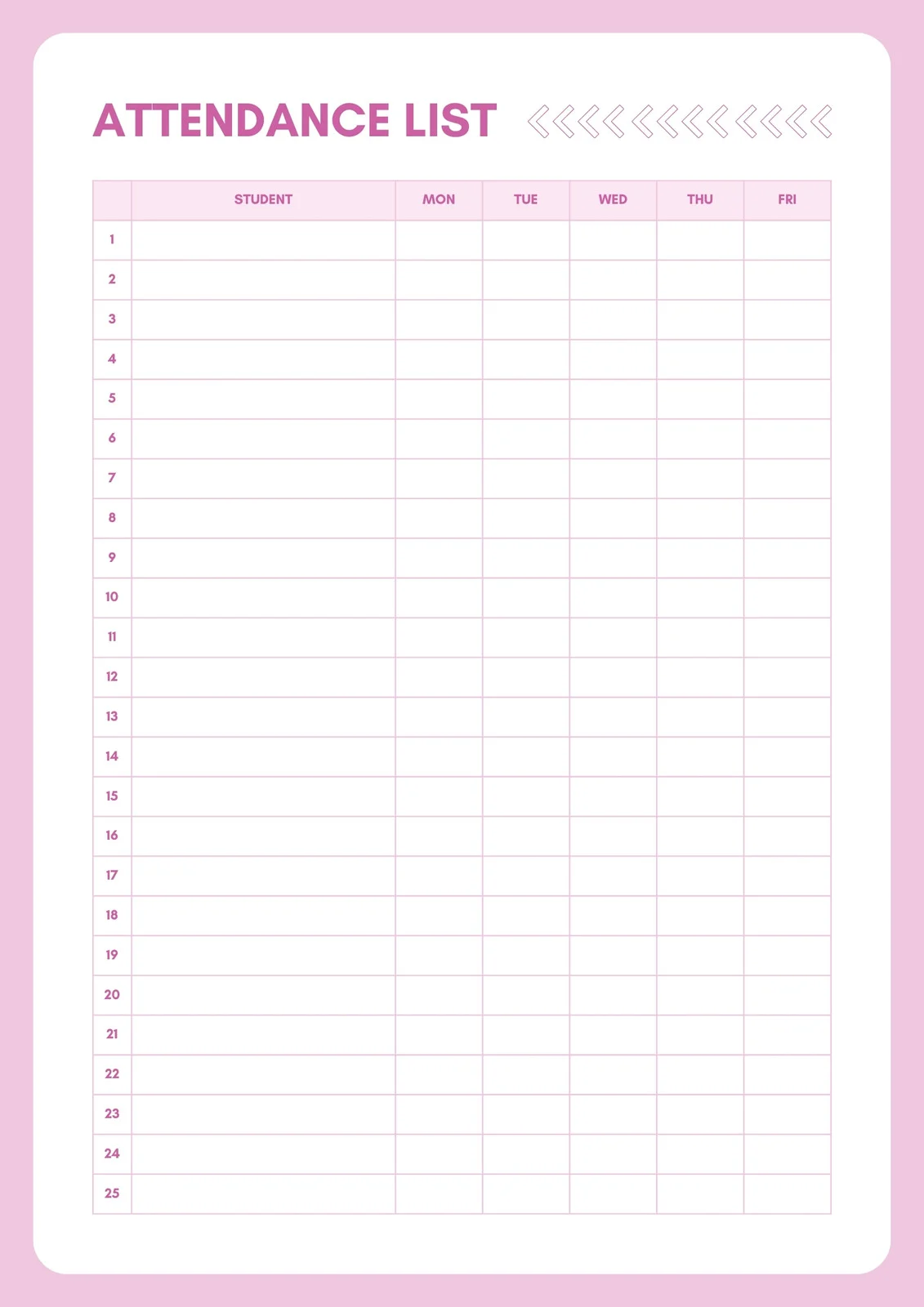
In our fast-paced world, keeping track of attendance is crucial for schools, workplaces, and training events. An attendance sheet is a systematic way to record and monitor the presence or absence of individuals in various settings.
It provides accurate data for accountability, compliance with regulations, payroll processing, performance monitoring, and informed decision-making by management. This organized, official record helps ensure operational efficiency, provides documented proof for audits and legal matters, and monitors patterns of attendance or absence.
What is an Attendance Sheet?
An attendance sheet is a document used to record the presence or absence of individuals in a specific setting. It is typically formatted with columns for names, dates, and attendance status (present or absent). This sheet serves as a reliable tool for tracking attendance over time, allowing for the analysis of trends and patterns.
Attendance sheets can be used in a variety of environments, including schools, businesses, hospitals, and government agencies. They play a crucial role in maintaining order, ensuring compliance with regulations, and facilitating accurate record-keeping.
The Importance of Accurate Attendance Records
Accurate attendance records are essential for a multitude of reasons:
1. Accountability: Attendance sheets provide a transparent record of who was present or absent at any given time, holding individuals accountable for their attendance.
2. Compliance: Many industries, such as education and healthcare, require strict adherence to attendance regulations. Accurate records ensure compliance with these rules.
3. Payroll Processing: Attendance sheets are often used to calculate employee wages based on the hours worked. Accurate records are crucial for payroll processing.
4. Performance Monitoring: By tracking attendance patterns, managers can identify trends that may impact performance and productivity.
5. Informed Decision-Making: Management can use attendance data to make informed decisions about staffing, scheduling, and resource allocation.
Types of Attendance Sheet
There are several types of attendance sheets, each tailored to specific needs and settings:
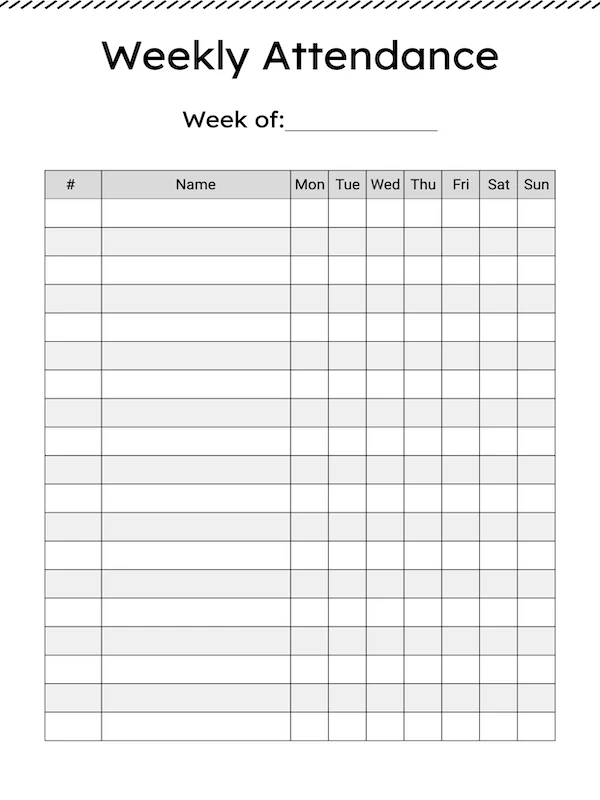
1. Daily Attendance Sheet
A daily attendance sheet is used to record the presence or absence of individuals on a daily basis. It typically includes columns for names, dates, and attendance status for each day of the week.
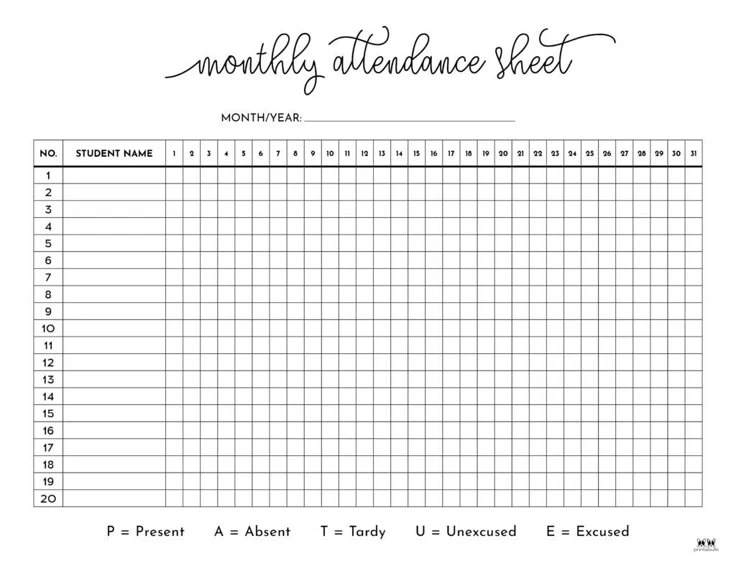
2. Monthly Attendance Sheet
A monthly attendance sheet provides a summary of attendance for an entire month. It allows for a comprehensive view of attendance patterns over time and is often used for payroll processing.
3. Employee Attendance Sheet
An employee attendance sheet is specifically designed for tracking the attendance of employees in a workplace. It may include additional columns for clock-in/out times, overtime hours, and leave requests.
4. Student Attendance Sheet
A student attendance sheet is used in educational settings to monitor student attendance. It is essential for tracking academic progress, identifying at-risk students, and ensuring compliance with attendance policies.
5. Training Event Attendance Sheet
A training event attendance sheet is used to track the attendance of participants in training sessions or workshops. It helps organizers assess the effectiveness of the training and monitor participant engagement.
How to Create an Attendance Sheet
Creating an attendance sheet is a straightforward process that involves the following steps:
1. Determine the purpose of the attendance sheet and the specific information you need to record.
2. Choose a format that suits your needs, whether it’s a daily, monthly, employee, student, or training event attendance sheet.
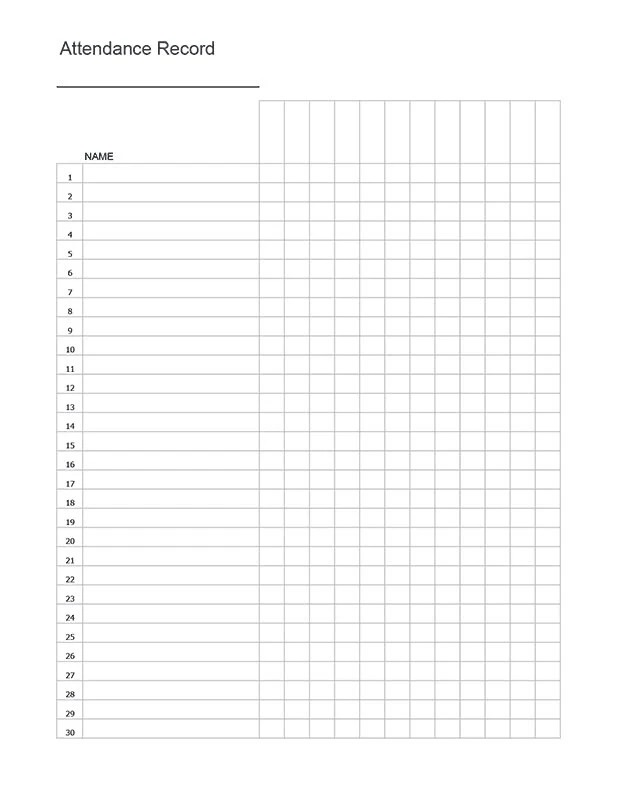
3. Create columns for names, dates, and attendance status (present or absent). You may also include additional columns for relevant information, such as clock-in/out times or reasons for absence.
4. Use a spreadsheet program like Microsoft Excel or Google Sheets to create a digital attendance sheet. Alternatively, you can design a printable template for manual record-keeping.
5. Implement a system for consistently updating the attendance sheet, whether it’s through manual entry, electronic submission, or automated tracking.
Benefits of Using an Attendance Sheet
There are numerous benefits to using an attendance sheet in various settings:
1. Improved Accountability: Attendance sheets hold individuals accountable for their attendance, reducing the likelihood of absenteeism or tardiness.
2. Enhanced Compliance: Accurate attendance records help organizations comply with regulations and avoid penalties for non-compliance.
3. Efficient Payroll Processing: Attendance sheets streamline the payroll process by providing accurate data on hours worked and leave taken.
4. Better Performance Monitoring: By analyzing attendance patterns, managers can identify areas for improvement and address potential issues proactively.
5. Informed Decision-Making: Attendance data enables management to make informed decisions about resource allocation, staffing levels, and scheduling.
Conclusion
In conclusion, attendance sheets are essential tools for systematically recording and tracking the presence or absence of individuals in various settings. They provide accurate data for accountability, compliance, payroll processing, performance monitoring, and informed decision-making. By using attendance sheets, organizations can ensure operational efficiency, maintain compliance with regulations, and monitor patterns of attendance or absence effectively. Whether it’s a daily, monthly, employee, student, or training event attendance sheet, the benefits of using an attendance sheet are undeniable in today’s fast-paced world.
Attendance Sheet Template – Free Download
