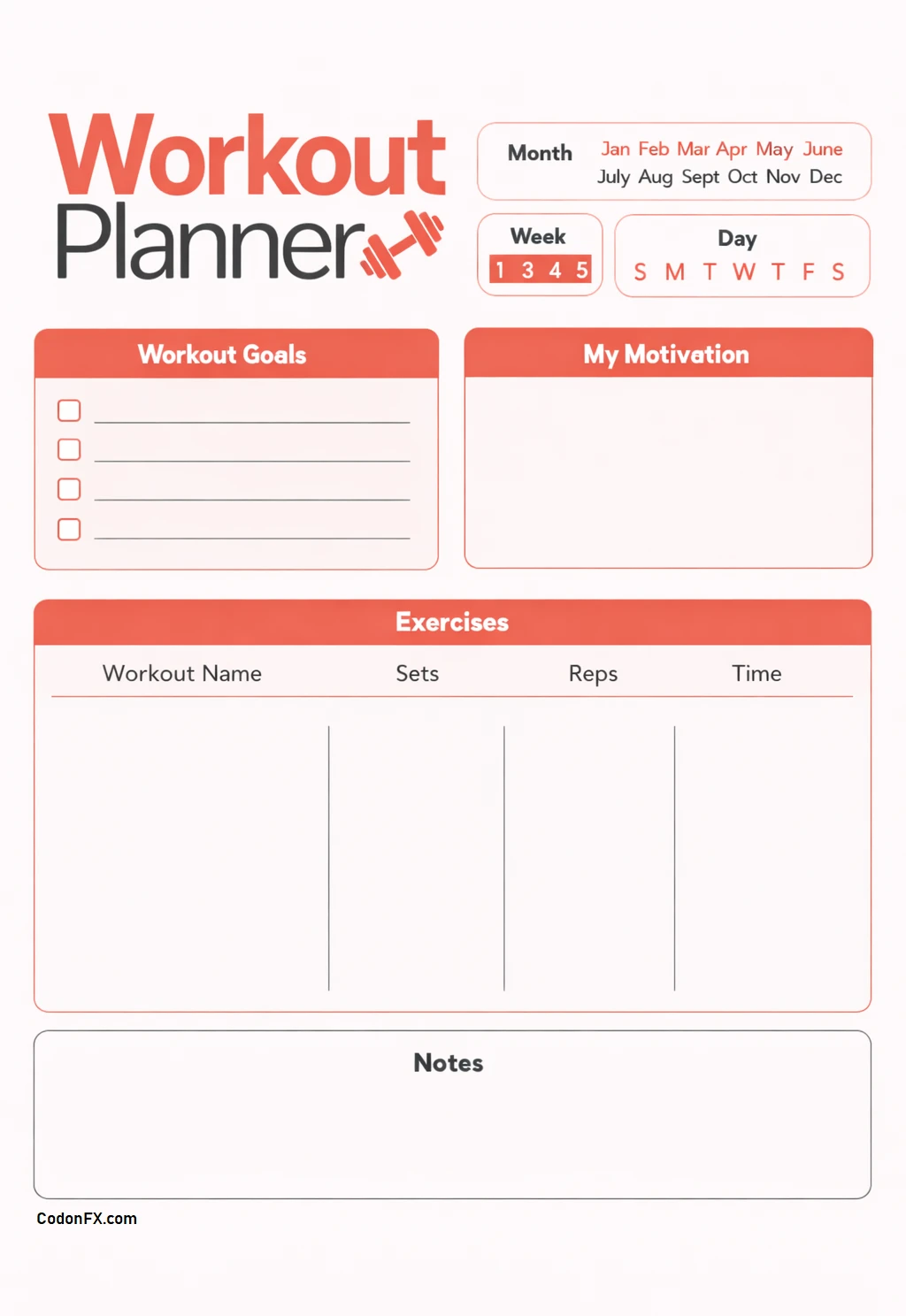
Embarking on a fitness journey can be both exciting and overwhelming. With so many workout options available, it can be challenging to create a structured plan that will help you achieve your goals effectively. That’s where a workout schedule comes in.
By providing a clear roadmap for your fitness journey, a workout schedule ensures consistency, balances all fitness aspects, prevents plateaus, boosts motivation, and ultimately makes exercise an automatic, effective, and sustainable habit.
Let’s dive into the details of how a workout schedule can benefit you and how to create one that works for you.
What is a Workout Schedule?
A workout schedule is a predetermined plan that outlines the types of exercises you will do, the duration of each workout, the frequency of your workouts, and the specific goals you want to achieve. It acts as a roadmap for your fitness journey and helps you stay on track by providing structure and accountability.
Why You Need a Workout Schedule
Having a workout schedule is essential for several reasons:
- Consistency: A schedule helps you stay consistent with your workouts, which is key to seeing results.
- Balanced Fitness: A well-rounded schedule ensures you cover all aspects of fitness, including strength, cardio, and flexibility.
- Prevents Plateaus: By varying your workouts and intensity levels, you can avoid hitting a plateau in your progress.
- Motivation: Clear planning and progress tracking can boost your motivation and keep you focused on your goals.
- Time Efficiency: A schedule prevents wasted time in the gym by ensuring you have a plan for each workout.
- Full Body Coverage: With a schedule, you can make sure you target all muscle groups and body parts effectively.
- Long-Term Results: Building accountability through a schedule can lead to sustainable habits and long-term fitness success.
What to Include in Your Workout Schedule
When creating a workout schedule, consider the following elements:
- Fitness Goals: Define your specific goals, whether it’s weight loss, muscle gain, improved endurance, or flexibility.
- Types of Exercises: Include a mix of strength training, cardio, and flexibility exercises to cover all fitness aspects.
- Frequency: Determine how many days per week you will work out and schedule rest days for recovery.
- Duration: Plan the length of each workout session, including warm-up, main workout, and cool-down.
- Progress Tracking: Keep a journal or use an app to track your workouts, progress, and any adjustments needed to your schedule.
- Variety: Incorporate different types of workouts to keep things interesting and prevent boredom.
How to Create a Workout Schedule
Follow these steps to create a personalized workout schedule that works for you:
1. Set Clear Fitness Goals
Define what you want to achieve with your workouts, whether it’s losing weight, building muscle, improving endurance, or enhancing flexibility.
2. Choose the Right Types of Exercises
Include a mix of strength training, cardio, and flexibility exercises to target all fitness aspects and prevent imbalances.
3. Determine Workout Frequency
Decide how many days per week you can commit to working out and schedule your workouts accordingly.
4. Plan Workout Duration
Allocate time for warm-up, main workout, and cool-down in each session to ensure a balanced workout.
5. Track Your Progress
Keep a workout journal or use a fitness app to track your workouts, progress, and any adjustments needed to your schedule.
6. Include Variety
Switch up your workouts regularly to keep things interesting and challenge your body in new ways.
7. Adjust as Needed
Listen to your body and be flexible with your schedule. Make adjustments as needed based on how you feel and your progress.
Tips for Success
Here are some additional tips to help you make the most of your workout schedule:
- Stay Hydrated: Drink plenty of water before, during, and after your workouts to stay hydrated.
- Get Adequate Rest: Make sure to prioritize rest and recovery to allow your body to repair and grow stronger.
- Consult a Professional: If you’re new to working out or have specific goals, consider consulting a fitness trainer or coach for guidance.
- Listen to Your Body: Pay attention to how your body responds to different workouts and adjust your schedule accordingly.
- Celebrate Small Wins: Acknowledge and celebrate your progress, no matter how small, to stay motivated and encouraged.
Conclusion
Creating a workout schedule is a game-changer when it comes to achieving your fitness goals. By providing structure, accountability, and motivation, a well-planned schedule can turn exercise into a sustainable habit that yields long-term results.
Whether you’re looking to lose weight, build muscle, or improve your overall fitness, a workout schedule can help you stay on track and make the most of your workouts. So, grab a pen and paper or fire up your favorite fitness app, and start planning your roadmap to fitness success today!
Workout Schedule Template – DOWNLOAD
