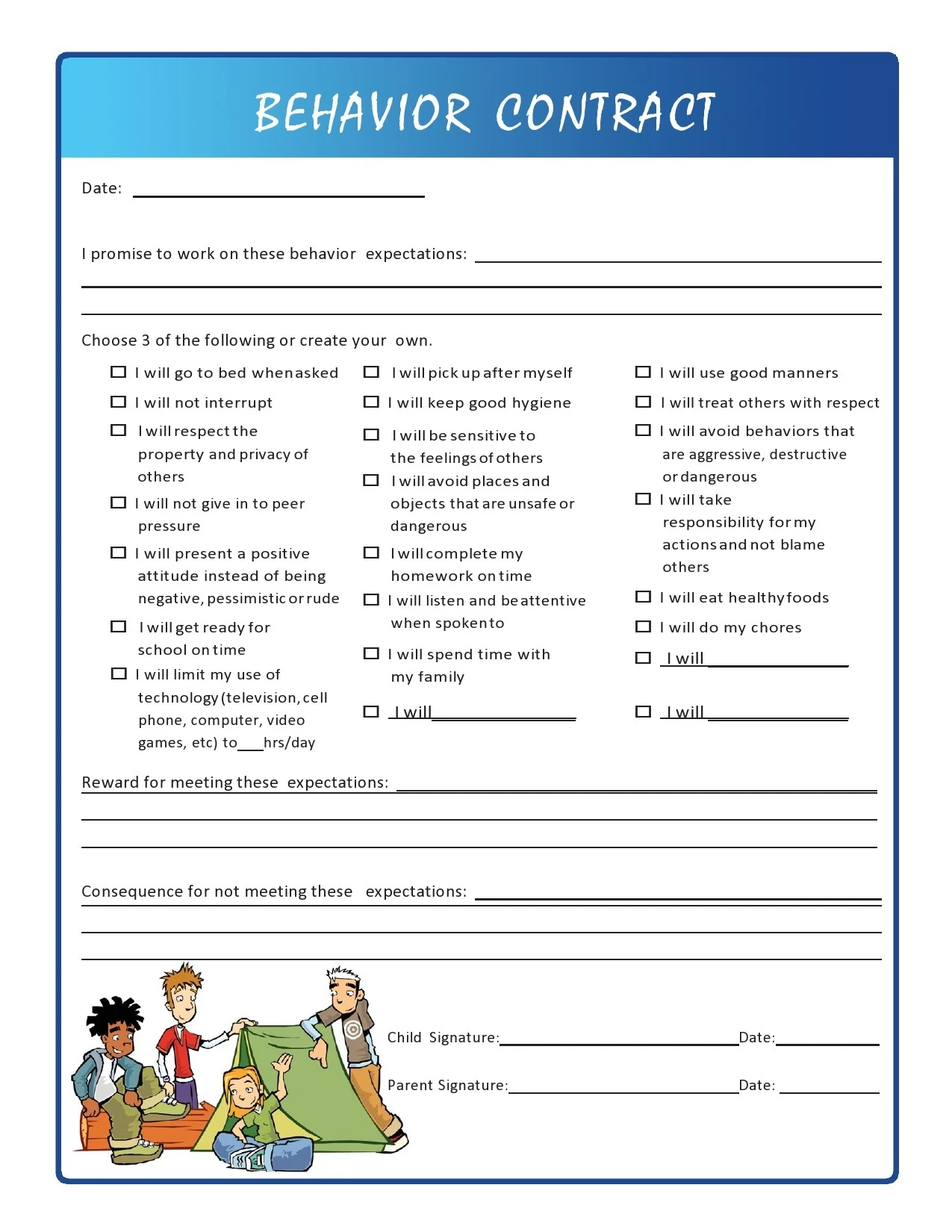
Behavior contracts are powerful tools that can help to clearly define and improve targeted behaviors through a structured agreement between two or more parties. This often involves a student and a teacher or caregiver coming together to outline expected behaviors, rewards for positive actions, and sometimes consequences for negative ones.
By fostering accountability and consistency in behavioral management, behavior contracts can be effective in promoting positive behavior change.
What is a Behavior Contract?
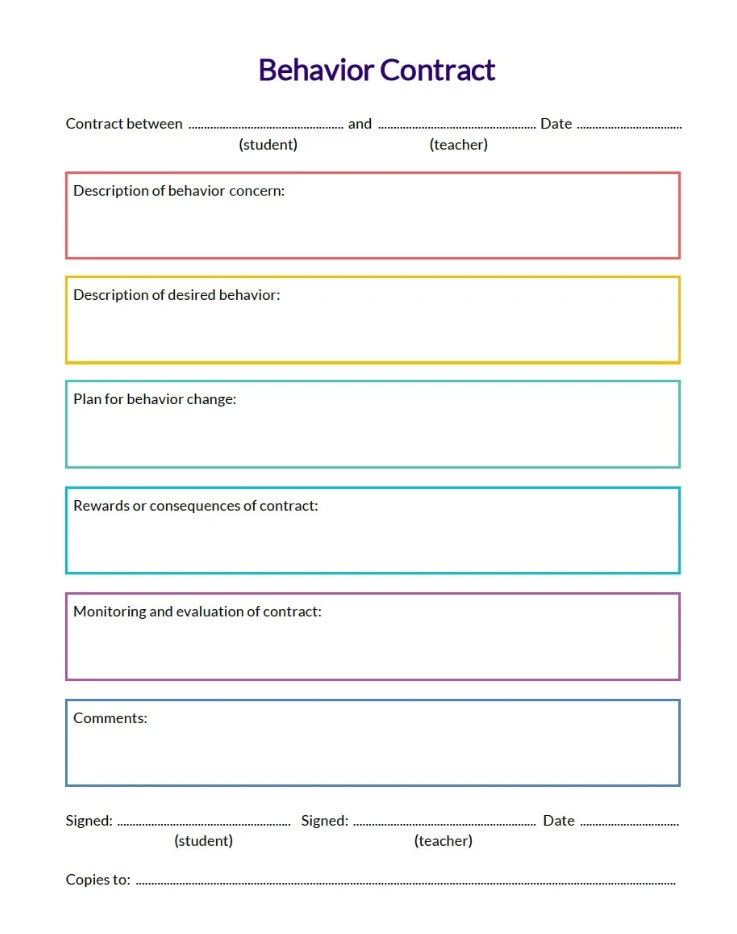
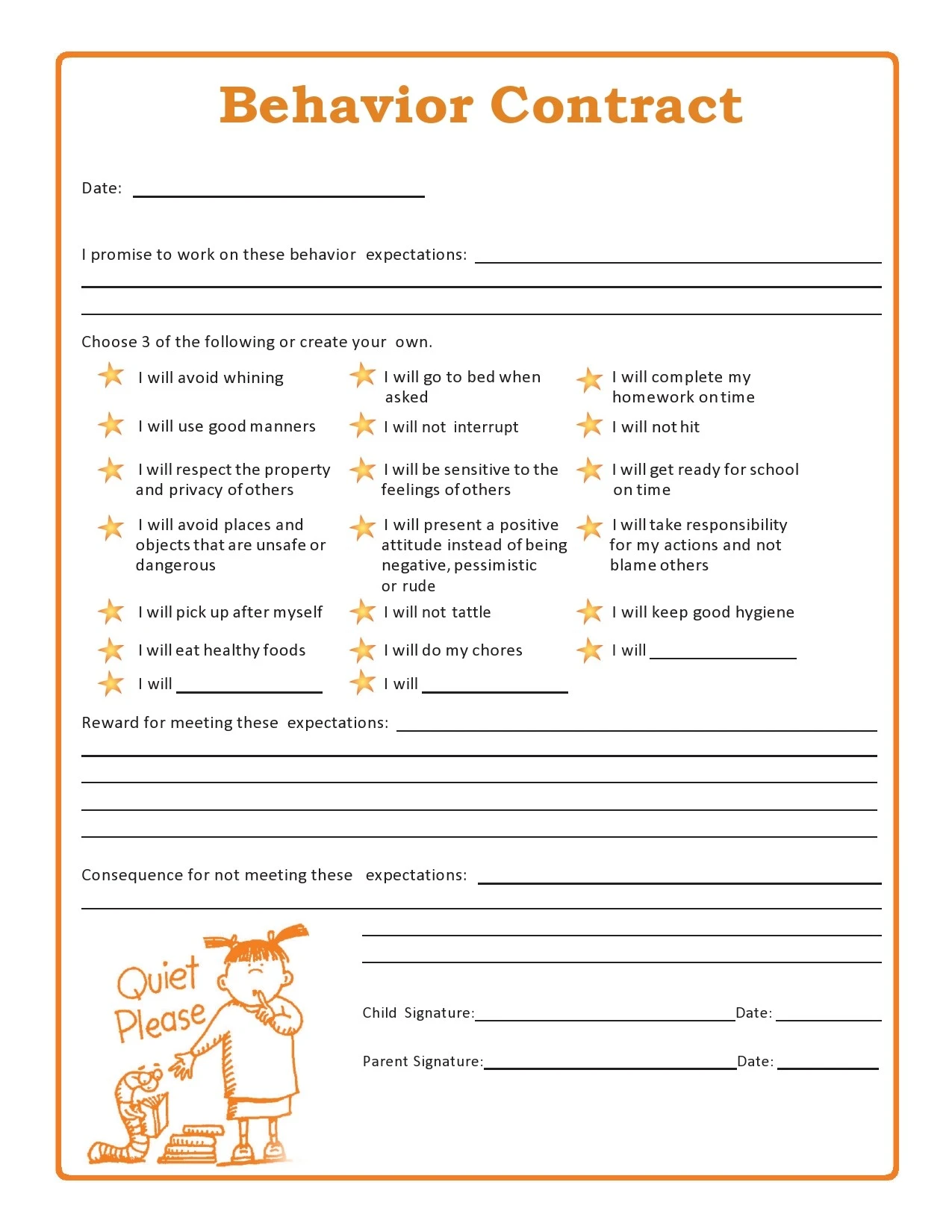
A behavior contract is a written document that outlines specific behaviors that are expected from an individual, along with the consequences for both positive and negative actions. It is typically used in educational settings, such as schools, or in therapeutic settings, to help individuals work towards specific behavioral goals. The contract is often created collaboratively between the individual and a teacher, counselor, or therapist, and serves as a roadmap for behavior improvement.
Behavior contracts are designed to be clear and specific, outlining the behaviors that need to be changed or improved, as well as the rewards for meeting those expectations and the consequences for failing to do so. By setting clear expectations and consequences, behavior contracts provide a structured framework for behavior management and help individuals understand the impact of their actions.
Who are Behavior Contracts Good For?
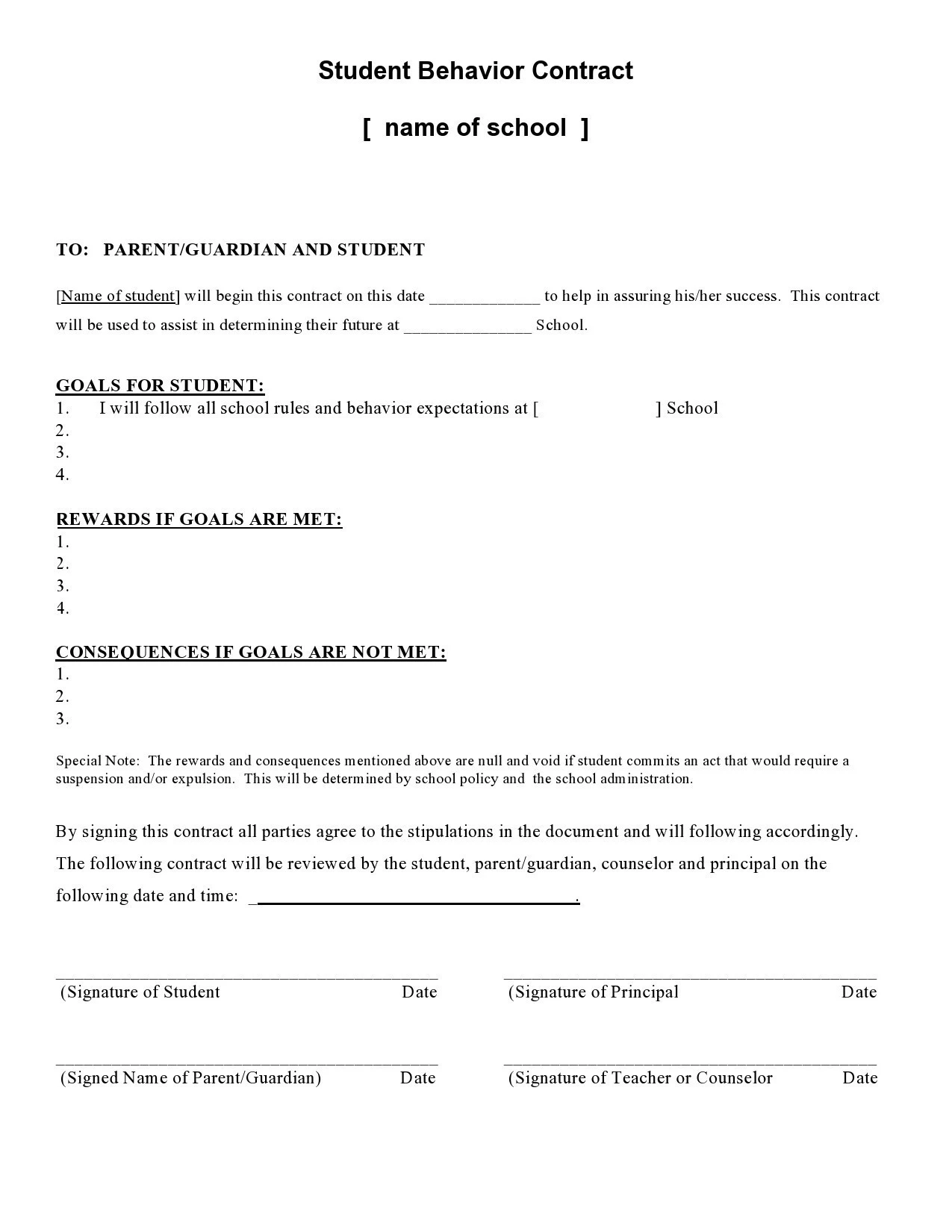
Behavior contracts can be beneficial for a wide range of individuals, including students, children, adolescents, and adults who are struggling with behavioral challenges. They are commonly used in educational settings to address issues such as disruptive behavior, noncompliance, aggression, and other challenging behaviors. Behavior contracts can also be helpful for individuals with special needs, such as those with autism or ADHD, who may benefit from additional support and structure in managing their behavior.
Parents, teachers, counselors, and therapists can all play a role in implementing behavior contracts and supporting individuals in meeting their behavioral goals. By working together to create and implement a behavior contract, all parties can be actively involved in the process of behavior change and contribute to the success of the individual.
Benefits of a Behavior Contract for Students
- Clear Expectations: Behavior contracts provide students with clear expectations for their behavior, helping them understand what is expected of them and how they can earn rewards for positive actions.
- Increased Accountability: By outlining consequences for negative behaviors, behavior contracts encourage students to take responsibility for their actions and make better choices.
- Rewards for Positive Actions: Behavior contracts offer incentives for students to engage in positive behaviors, motivating them to work towards their goals and earn rewards for their efforts.
- Consistent Structure: Behavior contracts provide a consistent framework for behavior management, helping to create a positive and supportive environment for students to thrive in.
Essential Elements of a Behavior Contract
When creating a behavior contract, several essential elements should be included to ensure its effectiveness:
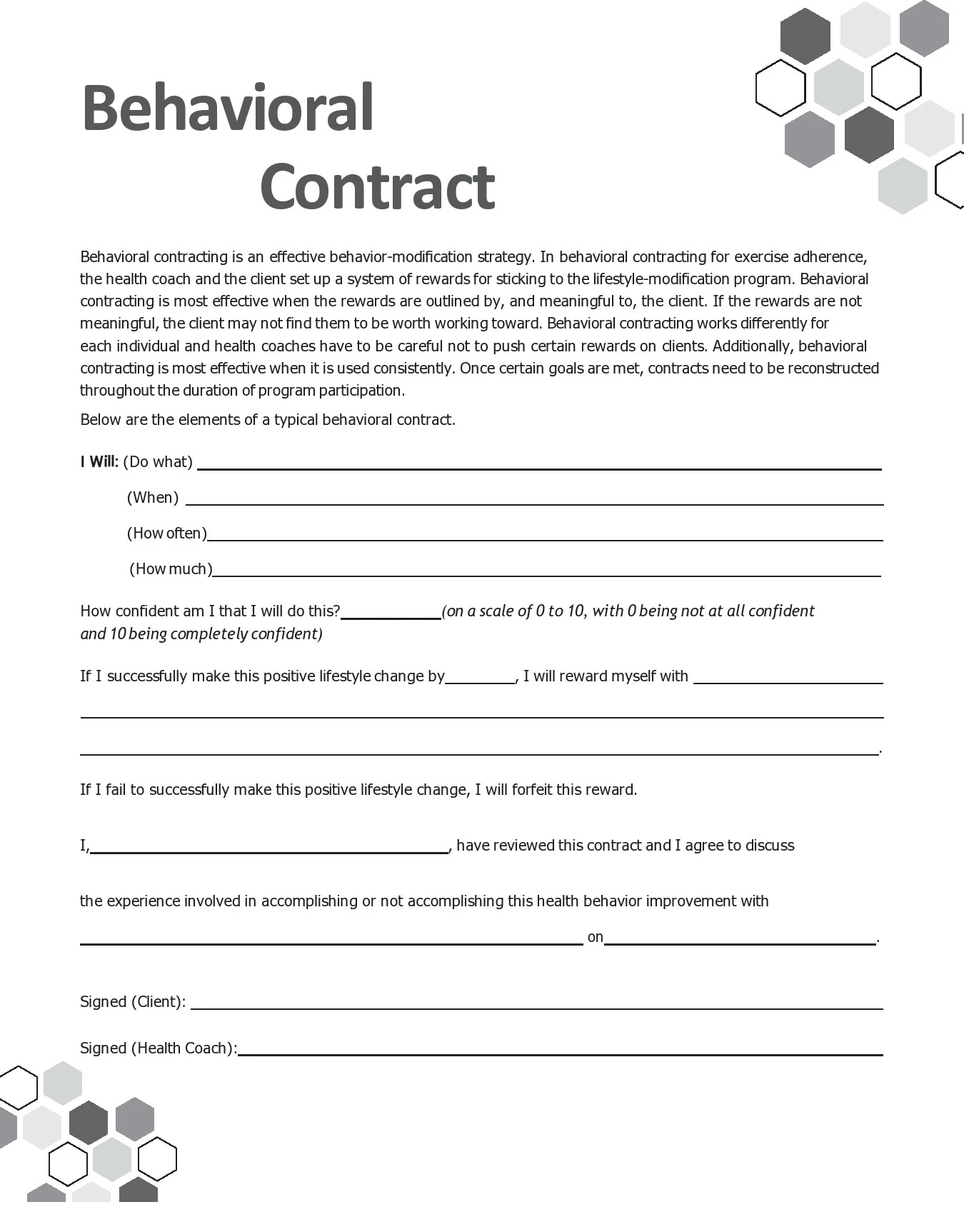
- Specific Behaviors: Clearly define the behaviors that need to be changed or improved, using concrete and measurable terms.
- Rewards and Consequences: Outline the rewards for meeting behavioral goals and the consequences for failing to do so, making sure they are appropriate and motivating.
- Timeline: Set a timeline for the behavior contract, including when it will be reviewed and revised, to track progress and make adjustments as needed.
- Signatures: Have all parties involved sign the behavior contract to show their commitment and agreement to the terms outlined.
Implementing Behavior Contracts (tips)
Implementing a behavior contract successfully requires careful planning and ongoing support. Here are some tips for effectively implementing behavior contracts:
- Collaborate: Involve all parties in creating the behavior contract, including the individual, teacher, counselor, or therapist, to ensure it is tailored to their needs and goals.
- Monitor Progress: Regularly monitor and track progress towards behavioral goals, providing feedback and support as needed to help the individual stay on track.
- Adjust as Needed: Be prepared to make adjustments to the behavior contract as needed, based on the individual’s progress and changing needs.
- Provide Positive Reinforcement: Use positive reinforcement to reward and encourage positive behaviors, motivating the individual to continue working towards their goals.
Behavior Contracts in Applied Behavior Analysis (ABA)
Behavior contracts are commonly used in Applied Behavior Analysis (ABA) therapy to help individuals with autism and other developmental disabilities improve their behavior. ABA therapists work with individuals to create behavior contracts that target specific behaviors and provide structured reinforcement for positive actions. By using evidence-based strategies and principles of behavior change, behavior contracts in ABA therapy can be highly effective in promoting behavior improvement and skill development.
Overall, behavior contracts are valuable tools for promoting positive behavior change and fostering accountability and consistency in behavioral management. By clearly defining expectations, providing rewards for positive actions, and outlining consequences for negative ones, behavior contracts help individuals work towards their behavioral goals and make meaningful progress in their personal and educational lives.
