A birth certificate is one of the most important legal documents a person will ever possess. From the moment an individual enters the world, this official record becomes the foundation of identity, citizenship, and legal recognition. It serves as proof of birth, verifies parentage, establishes nationality in many countries, and plays a critical role throughout a person’s lifetime. Whether applying for a passport, enrolling in school, accessing healthcare, obtaining a driver’s license, or claiming inheritance rights, a birth certificate is frequently required as primary identification.
Although many people receive a birth certificate shortly after birth and rarely think about it afterward, this document holds long-term legal, administrative, and personal significance. Governments worldwide rely on birth registration systems to maintain accurate population records, protect civil rights, and ensure access to public services. Without a properly registered birth certificate, individuals may face obstacles in education, employment, travel, and legal recognition.
In modern society, birth certificates have evolved beyond simple records of birth. They now include advanced security features, digital registration systems, and standardized documentation processes designed to prevent fraud and identity theft. Despite these changes, the core purpose remains unchanged: establishing an official and permanent record of a person’s existence and identity.
This comprehensive guide explores every major aspect of birth certificates, including their purpose, contents, legal value, differences between jurisdictions, replacement procedures, and the rights associated with birth registration. Understanding how birth certificates function can help individuals appreciate why this document remains one of the most essential records in both personal and governmental systems.
What is a Birth Certificate?
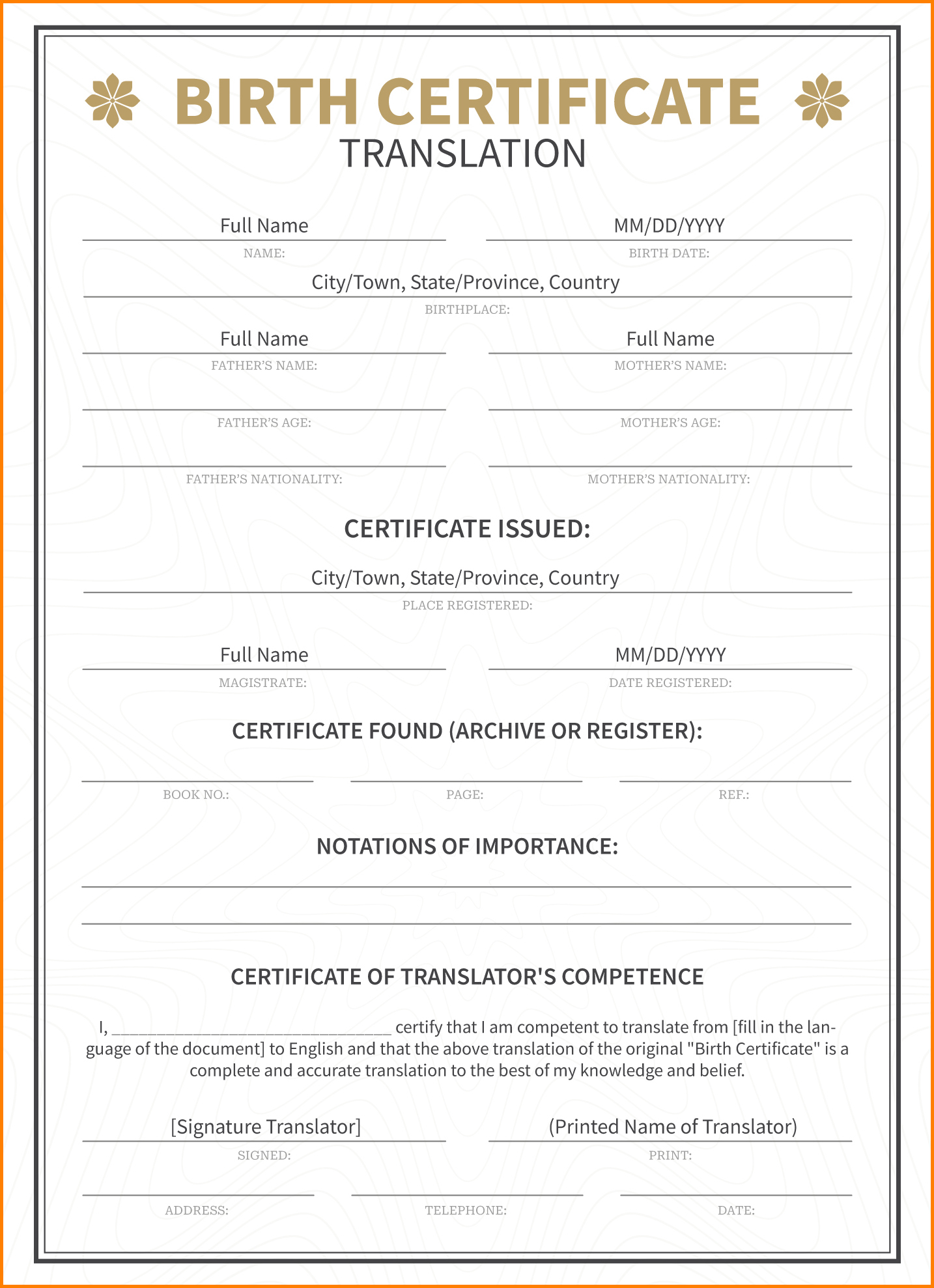
A birth certificate is an official government-issued document that records the birth of a child. It serves as legal evidence of a person’s birth details, including their name, date of birth, place of birth, and parentage. The document is usually created shortly after childbirth and becomes part of the permanent civil registration system maintained by local, regional, or national authorities.
Birth certificates are typically issued by government agencies such as civil registry offices, departments of health, or vital records authorities. The information recorded on the certificate is based on details provided by parents, healthcare providers, or authorized witnesses at the time of birth registration.
In most countries, birth registration is legally required within a specific period after the child’s birth. This process ensures that every individual receives official recognition under the law. Once the registration is completed, the government issues a certified birth certificate that can be used for identification and administrative purposes throughout life.
There are generally two forms of birth certificates: the original registration record and certified copies issued later upon request. Certified copies are commonly used for official procedures because they carry seals, signatures, and security features that confirm authenticity.
What Is the Purpose of a Birth Certificate?
The primary purpose of a birth certificate is to establish a person’s legal identity. From the moment of birth registration, the certificate becomes official proof that an individual exists under the law. This recognition forms the basis for accessing rights, protections, and opportunities provided by governments and institutions.
Birth certificates are crucial because they confirm key personal details that remain important throughout life. They verify age, nationality, family relationships, and place of birth. These details are essential for numerous legal and administrative processes.
One major purpose of a birth certificate is to prove citizenship or nationality. In many countries, individuals acquire citizenship automatically based on birthplace or parentage. A birth certificate serves as evidence supporting citizenship claims and eligibility for passports or national identity cards.
Birth certificates also help governments maintain accurate population records. Civil registration systems enable authorities to monitor demographic trends, plan public services, allocate resources, and develop social programs. Accurate birth data contributes to effective healthcare planning, education systems, and national statistics.
Another critical purpose involves protecting children’s rights. Official birth registration helps prevent child exploitation, trafficking, forced labor, and underage marriage. It establishes legal age and identity, making it easier to enforce child protection laws.
Birth certificates are commonly required for:
- School Enrollment. Educational institutions often require proof of age and identity.
- Healthcare Access. Medical systems use birth records for identification and insurance purposes.
- Passport Applications. Birth certificates support nationality verification.
- Marriage Registration. Authorities verify legal age and identity before marriage approval.
- Employment Documentation. Employers may require proof of identity and eligibility.
- Inheritance Claims. Family relationships documented on birth certificates support legal claims.
Birth certificates also contribute to personal identity and social belonging. They formally connect individuals to their families, communities, and countries. For many people, the document symbolizes legal recognition and inclusion within society.
In international contexts, birth certificates are particularly important during immigration, adoption, and refugee processes. They provide foundational identity documentation necessary for legal procedures and international travel.
Without a birth certificate, individuals may face significant challenges throughout life. They may struggle to access education, vote, open bank accounts, obtain healthcare, or secure legal employment. In extreme cases, lack of birth registration can lead to social exclusion and statelessness.
Because of these wide-ranging implications, birth certificates remain one of the most essential documents in modern civil society.
Components of a Standard Birth Certificate
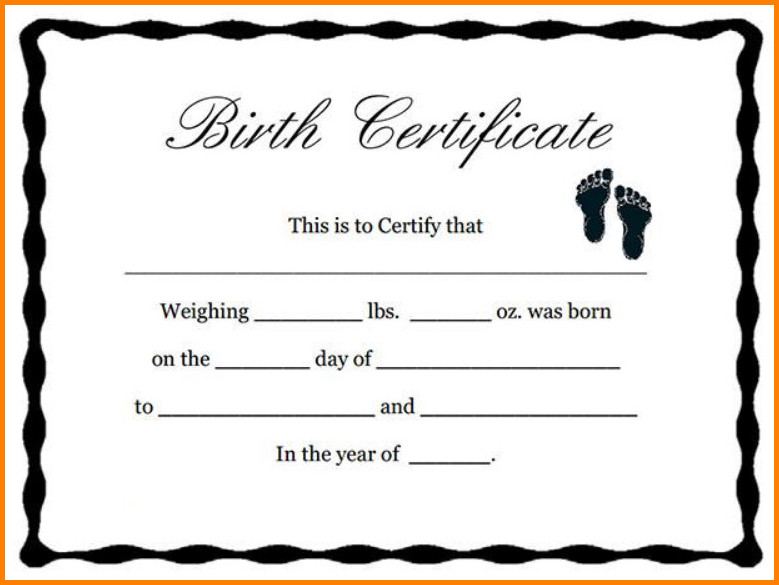
A standard birth certificate contains several important sections designed to identify the individual accurately and verify the legitimacy of the document. Although the exact format varies by country and jurisdiction, most birth certificates share common components that ensure consistency and legal reliability.
The most prominent component is the child’s legal name. This identifies the individual officially within government systems. Some countries permit temporary registration before the final name is selected, while others require a completed name before issuing the certificate.
The date and time of birth are also critical elements. These details establish age and chronological identity, which are important for legal age verification, school enrollment, retirement eligibility, and many other official matters.
The place of birth provides geographical identification. This section may include the hospital name, city, county, province, state, or country where the birth occurred. In some cases, birthplace influences citizenship status and nationality rights.
Parent information is another essential component. Birth certificates generally include the names of the mother and father or legal parents. Additional details such as birthplaces, occupations, and ages of parents may also appear depending on local regulations.
Standard birth certificates often include:
- Certificate Number. A unique identification code is assigned to the document.
- Registration Date. The official date the birth was recorded.
- Attending Physician or Midwife. Information about the healthcare provider present during birth.
- Registrar Information. Signature or authorization from the issuing authority.
- Official Seal. Government seal confirming authenticity.
- Security Features. Watermarks, embossed stamps, or digital verification systems.
Modern birth certificates increasingly include advanced anti-fraud features to prevent forgery and identity theft. Specialized paper, holograms, barcodes, and digital verification systems improve document security and authenticity.
Some countries issue both short-form and long-form birth certificates. Short-form certificates contain basic identifying information, while long-form versions include detailed parental and registration data. Certain legal procedures may specifically require the long-form version.
The standardized structure of birth certificates helps ensure consistency across institutions and legal systems. This reliability allows governments, schools, employers, and international organizations to verify identities efficiently and accurately.

Are All Birth Certificates the Same?
Although birth certificates share many similarities worldwide, they are not all identical. Different countries, states, provinces, and local jurisdictions maintain unique laws, formats, registration systems, and document requirements. As a result, birth certificates can vary significantly in appearance, content, language, and legal procedures.
One major difference involves the information included on the certificate. Some countries provide highly detailed records containing parental occupations, addresses, and religious affiliations, while others limit certificates to basic identification details.
Language differences are another factor. Birth certificates are typically issued in the official language of the country or region where the birth occurred. Individuals using certificates internationally may need certified translations for immigration or legal purposes.
Some jurisdictions issue electronic birth certificates through digital civil registration systems, while others continue relying primarily on paper documentation. Digital systems improve accessibility and reduce processing delays, but paper copies remain widely used.
Security features also differ across regions. Certain countries employ sophisticated anti-counterfeiting technologies, while others use simpler authentication methods. These variations reflect different administrative capacities and legal standards.
Important distinctions among birth certificates may include:
- Document Format. Horizontal, vertical, digital, or booklet-style layouts.
- Parental Information. Varying levels of detail about parents or guardians.
- Language Requirements. Single-language or multilingual certificates.
- Security Measures. Different authentication and anti-fraud technologies.
- Legal Recognition Rules. Varying acceptance standards across countries.
- Registration Procedures. Different timelines and application methods.
Some countries distinguish between certified and informational copies. Certified copies are legally valid for official use, while informational versions are intended only for personal reference.
Adoption, surrogacy, and gender marker amendments can also affect birth certificate formats. Certain jurisdictions issue amended certificates reflecting legal changes, while others preserve original birth details separately.
Despite these differences, the central function remains consistent worldwide: documenting a person’s birth officially and legally.
How to Get a Birth Certificate
Obtaining a birth certificate usually begins with birth registration shortly after childbirth. Hospitals, healthcare providers, or local authorities commonly assist parents in completing the registration process. Once registration is finalized, the government issues an official birth certificate.
The exact procedure varies depending on the country and jurisdiction. However, most systems require parents or legal guardians to submit essential birth information within a legally specified period.
When applying for a birth certificate later in life, individuals typically request certified copies through vital records offices or civil registration agencies. Applications may be submitted online, by mail, or in person.
1. Register the Birth Promptly
Most governments require births to be registered within a certain timeframe after delivery. Early registration prevents administrative complications and ensures immediate legal recognition.
2. Gather Required Documentation
Parents usually need hospital records, identification documents, marriage certificates if applicable, and proof of residence to complete registration procedures.
3. Complete Official Forms
Authorities require standardized forms containing details about the child, parents, and place of birth. Accuracy is extremely important during this stage.
4. Submit Information to Authorities
Completed forms and supporting documents must be submitted to the designated government office responsible for civil registration.
5. Pay Applicable Fees
Some jurisdictions charge administrative fees for issuing certified birth certificates or additional copies.
6. Receive the Certified Certificate
After processing, the government issues an official birth certificate with legal authentication features.
7. Store the Document Securely
Birth certificates should be kept in a safe location because replacements may require additional procedures and verification.
8. Request Additional Copies if Needed
Many individuals order multiple certified copies for school, travel, legal, and identification purposes.
What If Parents Are Not Married?
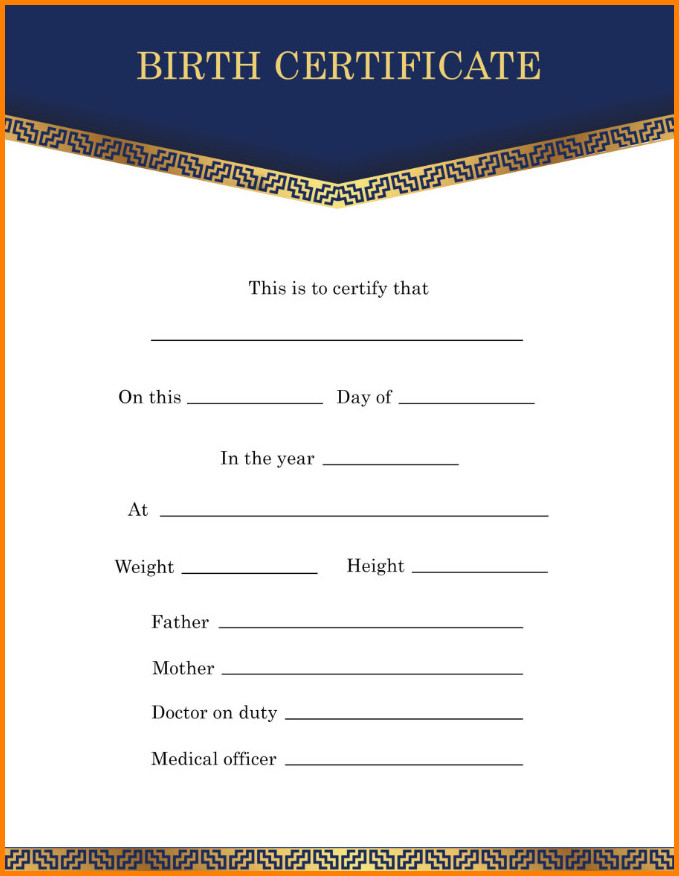
When parents are not married at the time of a child’s birth, birth registration procedures may differ depending on local laws and regulations. However, children born to unmarried parents generally have the same legal rights and protections as those born to married parents.
In many jurisdictions, the mother’s name is automatically included on the birth certificate because childbirth establishes maternity directly. Including the father’s name may require additional legal steps if the parents are not married.
Some governments require both parents to sign acknowledgment forms confirming paternity voluntarily. In disputed situations, courts may order DNA testing to establish legal fatherhood.
Establishing paternity is important because it affects:
- Child Support Rights. Legal fathers may have financial responsibilities.
- Inheritance Rights. Children gain legal inheritance eligibility.
- Medical History Access. Accurate family medical information becomes available.
- Custody and Visitation. Fathers may seek parental rights legally.
- Citizenship Claims. Nationality may depend on parental citizenship.
- Emotional Identity. Legal recognition strengthens family connections.
Modern legal systems increasingly emphasize equal treatment for all children regardless of their parents’ marital status. Laws continue evolving to simplify registration procedures and protect children’s rights.
How to Replace a Birth Certificate
Replacing a birth certificate becomes necessary when the original document is lost, stolen, damaged, or destroyed. Fortunately, most governments maintain permanent birth registration records that allow individuals to request certified replacement copies when needed.
The replacement process usually involves contacting the appropriate civil registry office or vital records department where the birth was originally registered. Applicants must provide identifying information and proof of identity to protect against fraud.
Commonly required information includes the individual’s full name, date of birth, place of birth, and parents’ names. Some jurisdictions may also request photo identification or notarized applications.
Replacement requests can often be completed:
- Online. Many governments now offer secure digital application systems.
- By Mail. Applicants submit forms and identification copies through postal services.
- In Person. Local registry offices provide direct assistance.
- Through Embassies. Citizens abroad may request assistance through diplomatic offices.
- Via Authorized Agencies. Some regions allow approved third-party processing services.
- Through Legal Representatives. Attorneys or guardians may apply in special circumstances.
Processing times vary depending on location, record availability, and application volume. Expedited services may be available for urgent travel or legal situations.
Individuals should always protect replacement certificates carefully because they remain essential legal documents throughout life. Maintaining certified copies in secure storage can help prevent future difficulties.
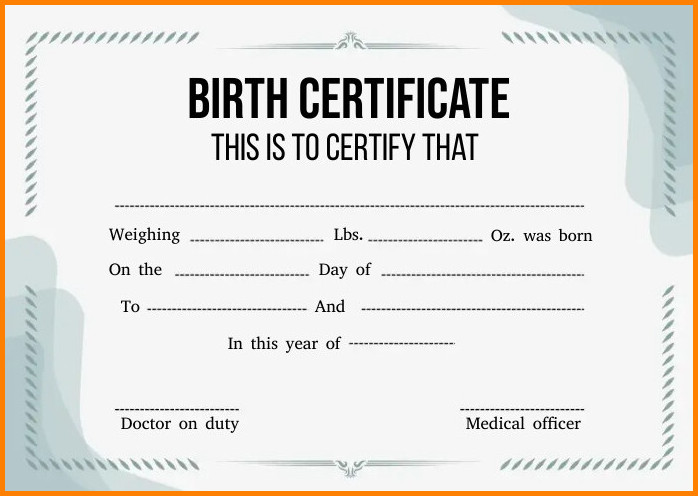
Ultimately, a birth certificate is far more than a simple piece of paper. It is the cornerstone of legal identity, citizenship, and personal recognition within society. From infancy to adulthood, this document opens doors to education, healthcare, travel, employment, and countless other opportunities. Understanding its significance helps individuals appreciate why safeguarding and maintaining accurate birth records is so important in every stage of life.
