What is a Blank Check Template?
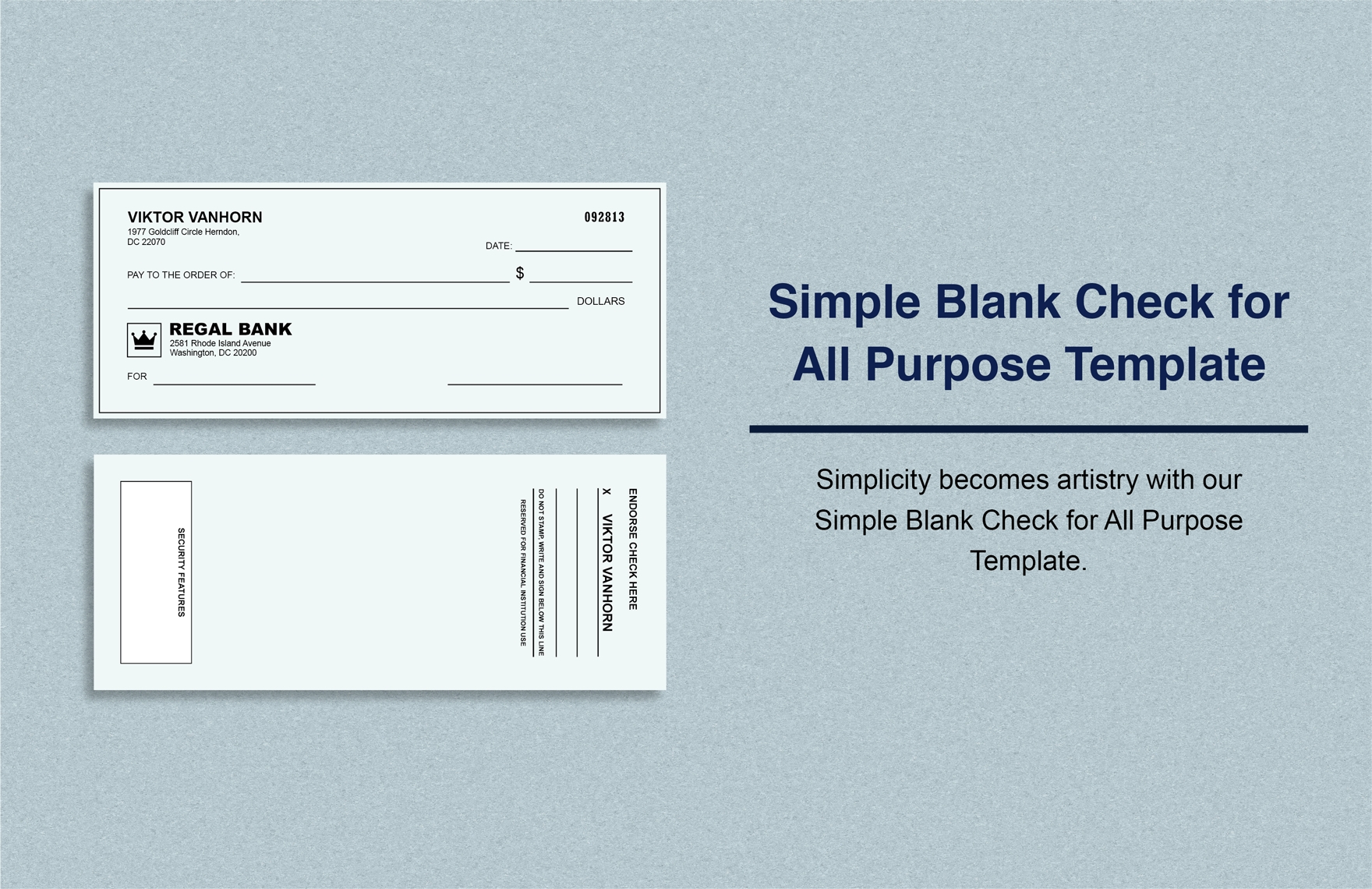
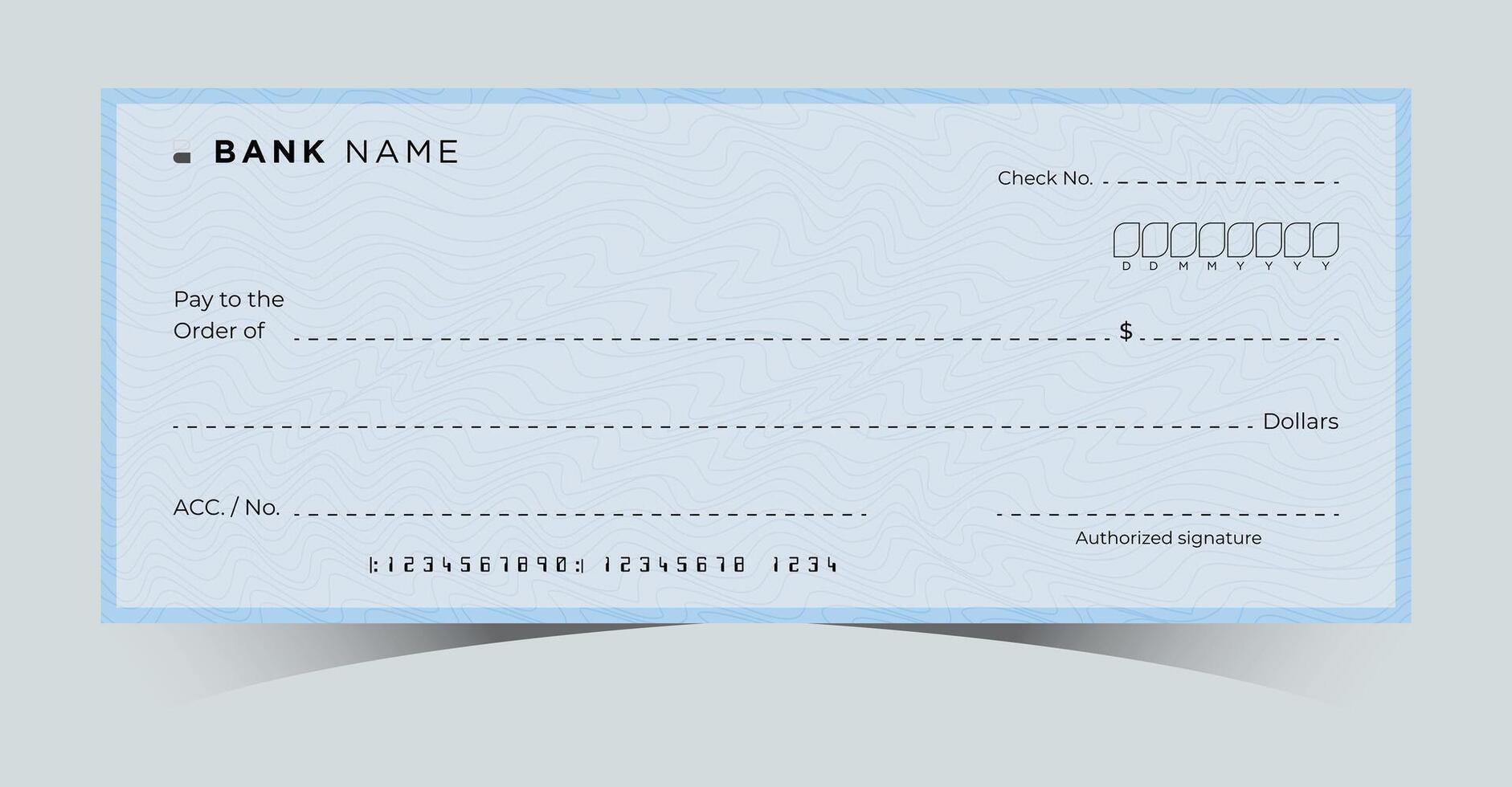
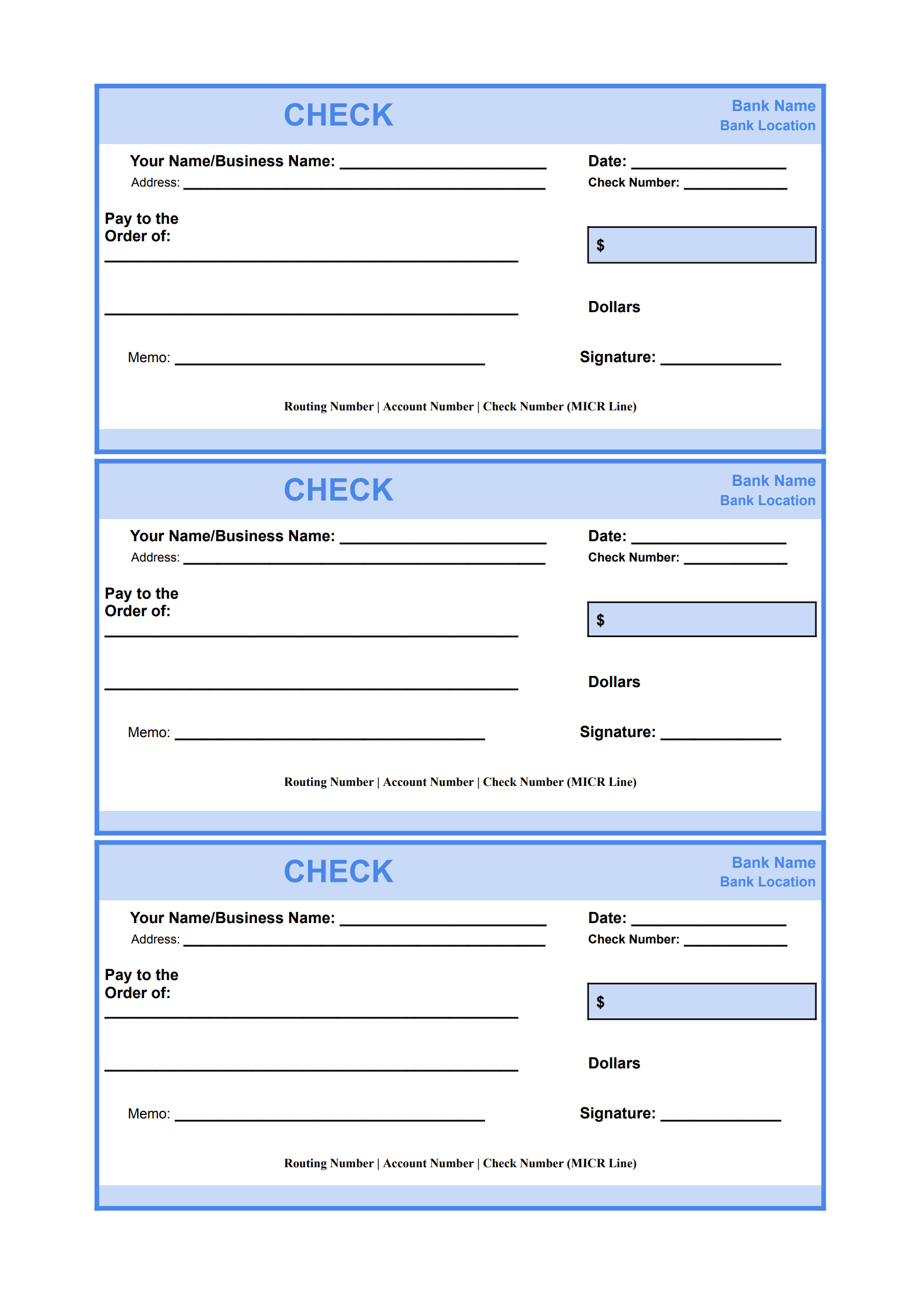
A blank check template is a digital design and layout that replicates the structure of a physical check. It serves as a foundation for individuals and organizations to input specific details, such as the payee’s name, the payment amount, a memo, and a signature. This template can be used for both manual and electronic check-writing processes, offering a convenient and efficient way to generate checks.
Why Do You Need a Check Template?
The need for a check template arises from the desire to streamline the check-writing process, ensure accuracy, and maintain consistency in check formatting. Whether for personal use or business transactions, having a blank check template at hand can simplify the payment process and reduce the risk of errors.
Efficiency in Check Writing
By using a check template, individuals and businesses can save time and effort by avoiding the manual writing of each check. With a pre-designed template, all the necessary fields are already laid out, making it easy to input the required information and print the check promptly.
Accuracy in Payment Details
Check templates help in maintaining accuracy in payment details, such as the payee’s name, amount, and memo. By filling out a template digitally or manually, there is less room for mistakes or oversights in the information provided, ensuring that the check is correctly issued.
Consistency in Check Formatting
Using a check template ensures consistency in the formatting of checks issued by an individual or business. This consistency not only enhances the professional appearance of the checks but also helps in maintaining a standardized approach to financial transactions, which can be beneficial for record-keeping and auditing purposes.
Customization Options
Blank check templates offer customization options that allow users to tailor the design and layout of their checks to suit their branding or personal preferences. From adding logos and color schemes to selecting different check styles, users can create checks that reflect their identity while adhering to banking standards.
Cost-Effectiveness
Using check templates can also be cost-effective in the long run, as it reduces the need for purchasing pre-printed checks and minimizes the risk of running out of checks at critical moments. By investing in blank check templates, individuals and businesses can have a sustainable and economical solution for check issuance.
Types of Checks
Several types of checks can be created using blank check templates, each serving a specific purpose in financial transactions. Understanding the different types of checks can help individuals and businesses choose the most suitable option for their payment needs.
Personal Checks
Personal checks are commonly used for individual payments, such as rent, utilities, or personal purchases. These checks typically include the payer’s personal information, the payee’s name, the payment amount, and a signature to authorize the transaction.
Business Checks
Business checks are tailored for company expenses and payroll transactions. These checks often include the business name, address, bank information, the payee’s name, the amount to be paid, and necessary authorization signatures. Business checks are essential for maintaining financial records and tracking expenditures.
Cashier’s Checks
Cashier’s checks are guaranteed funds issued by a bank on behalf of the payer. These checks are considered secure forms of payment as they are backed by the bank’s funds rather than the payer’s account. Cashier’s checks are commonly used for large transactions or when a guaranteed form of payment is required.
Certified Checks
Certified checks are similar to cashier’s checks in that they are guaranteed forms of payment. However, certified checks are funds verified by the bank before issuance, ensuring that the payer has sufficient funds to cover the amount stated on the check. Certified checks provide an added layer of security for the payee.
Components of a Blank Check Template for Printing
A standard blank check template for printing typically consists of several key components that are essential for a valid check. Understanding these components and their importance is crucial for accurately filling out and issuing checks using templates.
Payee Name
The payee’s name is one of the essential components of a check template, as it specifies who the check is being issued to. Whether an individual or a business, the payee’s name must be accurately provided to ensure that the funds reach the intended recipient.
Amount
The amount field on a check template includes both the numerical and written representation of the payment amount. This dual representation helps prevent alteration or fraud, as discrepancies between the two amounts can alert the recipient to potential tampering.
Memo
The memo line on a check template allows the payer to provide additional information about the purpose of the payment. While not mandatory, including a memo can help both the payer and payee track the reason for the transaction or provide context for future reference.
Signature Line
The signature line on a check template is where the payer signs to authorize the payment. The signature acts as a form of verification that the payer has approved the transaction and agrees to release the specified funds. Without a signature, the check may not be considered valid.
Examples
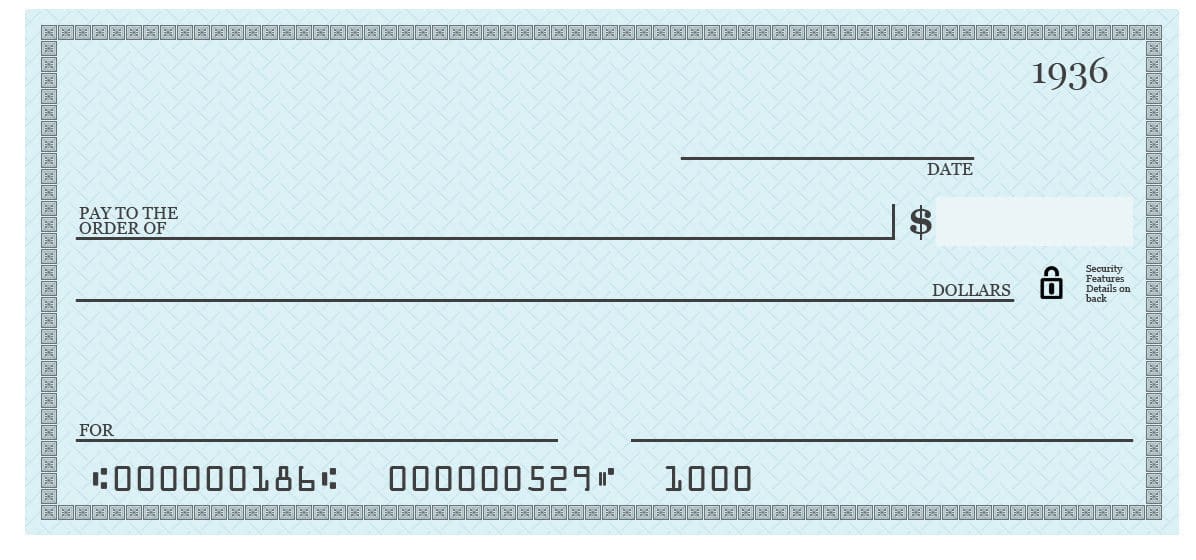
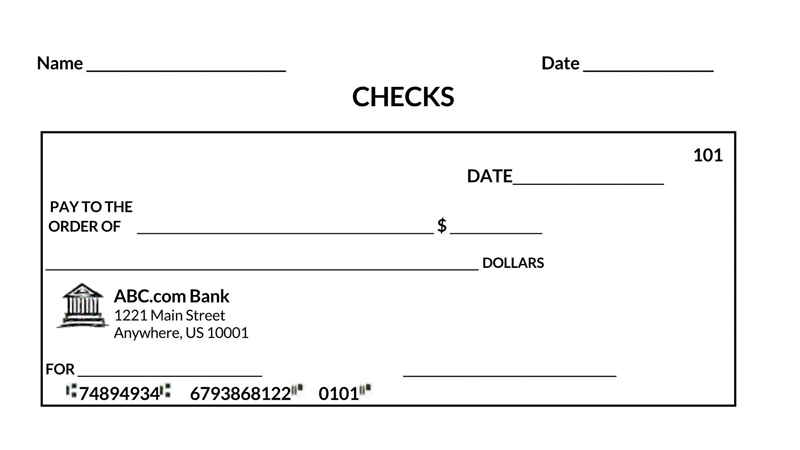
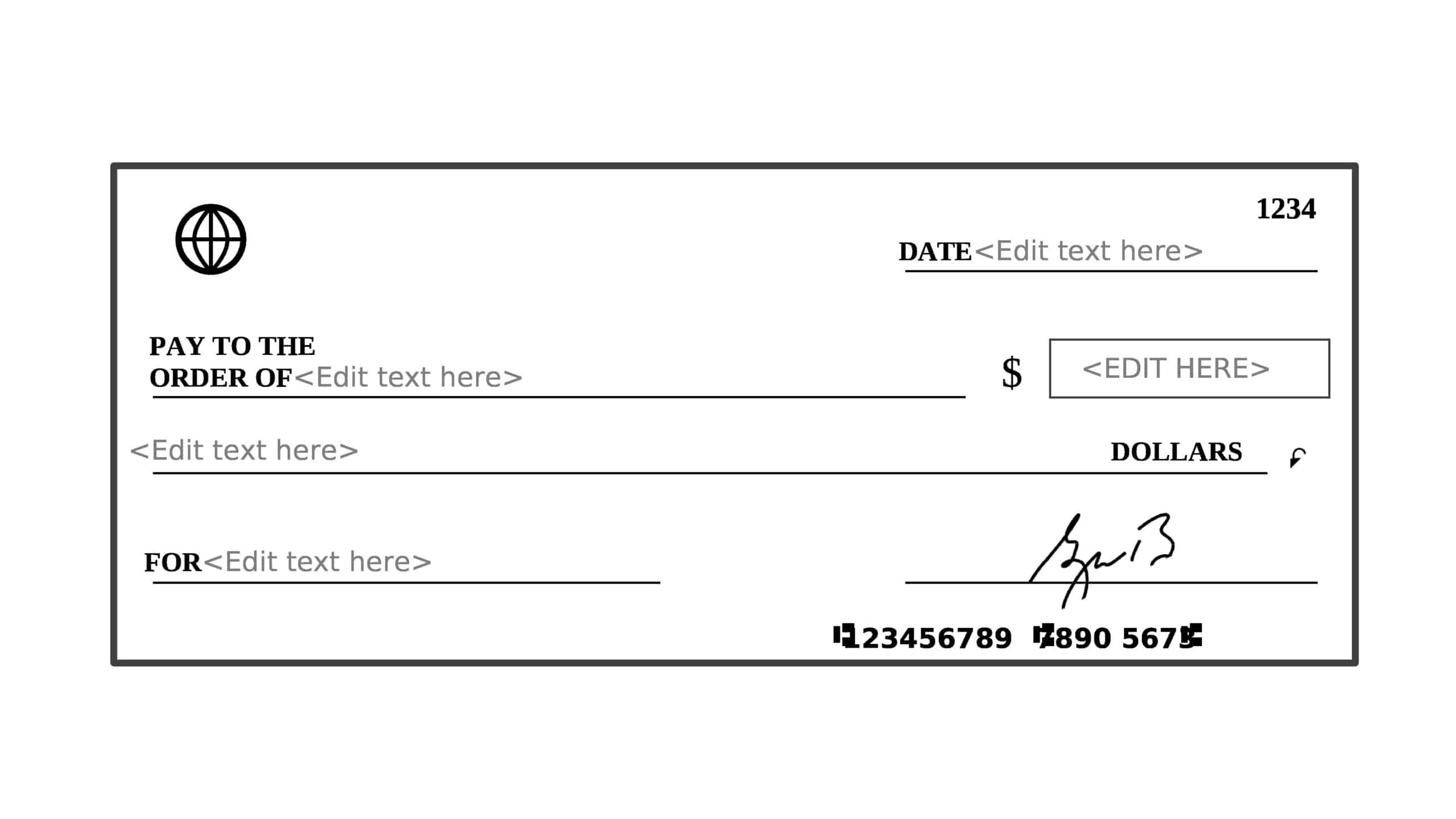
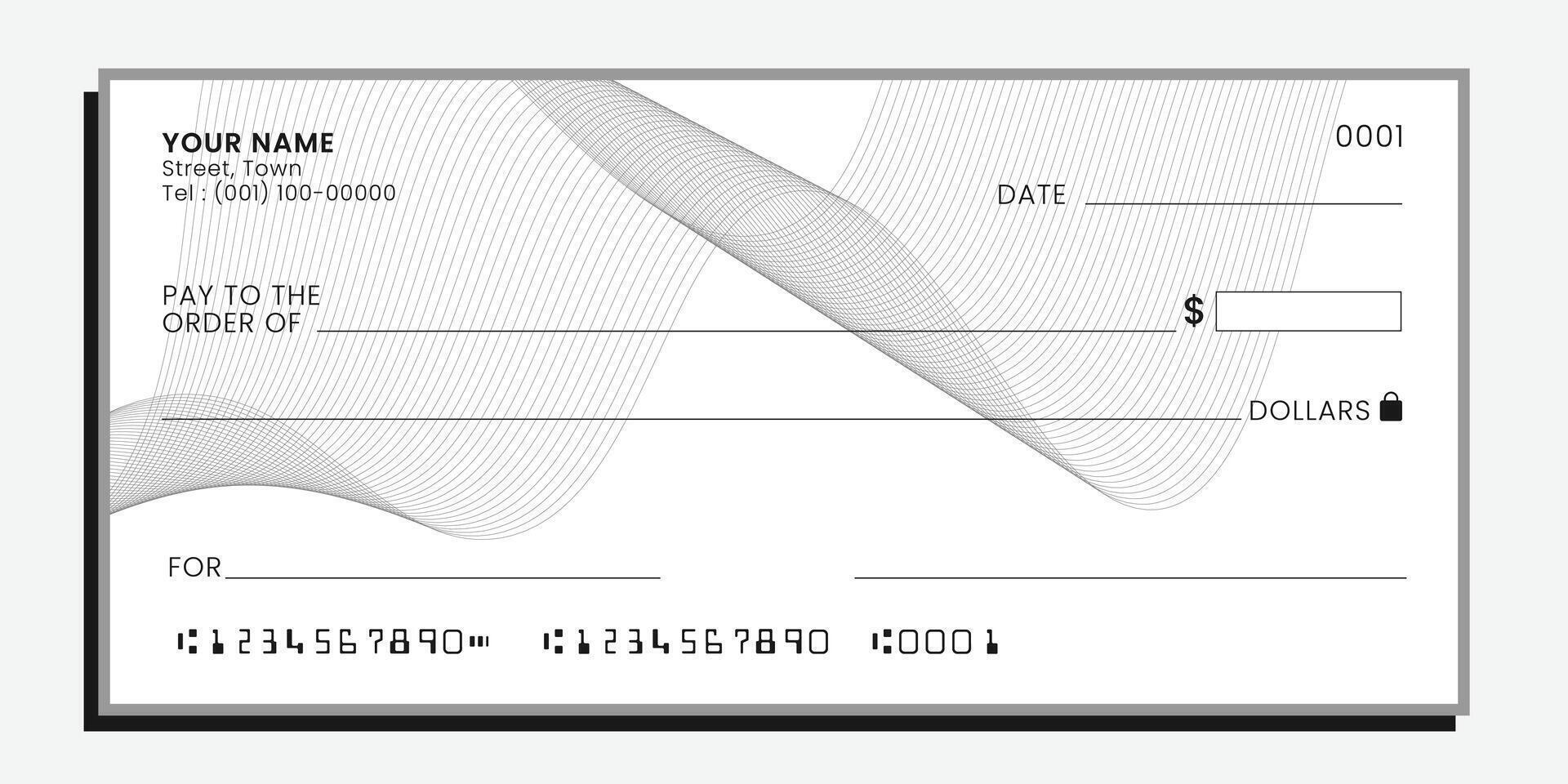
Tips for Using Blank Check Templates
While blank check templates offer convenience and efficiency in check writing, there are some tips and best practices to keep in mind when using these templates to ensure a smooth experience and accurate check issuance.
Ensure Security
One of the most critical aspects of using blank check templates is ensuring security to prevent unauthorized use or fraud. Store your templates in a secure location, such as a locked drawer or digital folder, and avoid sharing them with individuals who do not have authorization to issue checks.
Check Printer Compatibility
Before printing checks using a blank check template, ensure that your printer is compatible with check printing. Some printers may require special toner or settings to print checks accurately, so it’s essential to check the compatibility to avoid printing issues.
Double-Check Details
Prior to printing a check from a template, double-check all the details, including the payee’s name, amount, and memo, to ensure accuracy. Mistakes in these fields can lead to payment errors or delays, so taking the time to review the information is crucial for issuing a valid check.
Use High-Quality Paper
When printing checks from a template, opt for high-quality check paper that is durable and tamper-resistant. Using low-quality paper may result in checks that are easily altered or damaged, compromising the security and integrity of the payment document.
Maintain Record Keeping
Keep a record of all checks issued using templates for future reference and tracking. Record-keeping is essential for financial management, budgeting, and auditing purposes, and maintaining accurate records of issued checks can help in reconciling accounts and monitoring expenditures.
Impact of Considering Online Check Writing for Your Business
Online check writing services offer a modern and efficient solution for businesses looking to streamline their payment processes and improve financial management. By leveraging online platforms for check writing, businesses can benefit from enhanced security, automation, and cost savings in their payment operations.
Enhanced Security Measures
Online check writing platforms typically offer advanced security measures to safeguard payment information and prevent fraud. Features such as encrypted data transmission, multi-factor authentication, and secure storage of check templates help
Automated Payment Processing
Online check writing services automate the payment processing workflow, reducing the manual effort required to issue checks and reconcile accounts. Businesses can set up recurring payments, schedule check runs, and streamline the approval process, saving time and improving efficiency in financial transactions.
Cost Savings and Efficiency
By transitioning to online check writing, businesses can reduce costs associated with check printing, postage, and administrative tasks. Electronic check issuance eliminates the need for physical checks, envelopes, and stamps, resulting in significant cost savings over time. Additionally, the streamlined process improves operational efficiency and reduces the risk of errors.
Integration with Accounting Software
Many online check writing platforms seamlessly integrate with accounting software, enabling businesses to synchronize payment data, track expenses, and generate financial reports more efficiently. By connecting check writing services with accounting systems, businesses can streamline their financial operations and gain real-time insights into their financial health.
Remote Check Printing
One of the key advantages of online check writing is the ability to print checks remotely from any location with internet access. This flexibility is particularly beneficial for businesses with multiple office locations or remote employees, as it allows for timely check issuance without the need for physical proximity to a central office.
Environmental Sustainability
Transitioning to online check writing promotes environmental sustainability by reducing paper usage, waste, and carbon emissions associated with traditional check printing processes. By embracing digital solutions for payment processing, businesses can contribute to a greener and more eco-friendly approach to financial transactions.
Steps for Writing a Check
When utilizing a blank check template for writing a physical check, it’s essential to follow a series of steps to ensure accuracy and compliance with banking regulations. By carefully completing each step in the check-writing process, individuals and businesses can issue valid and secure checks.
Fill in the Date
The first step in writing a check is to fill in the date on the designated line. The date indicates when the check is issued and helps track the timing of the payment transaction. Ensure that the date is current and accurate to avoid any discrepancies in payment processing.
Enter Payee Information
Next, write the name of the payee or recipient on the “Pay to the Order of” line. This step is crucial as it specifies who the check is intended for and ensures that the funds are directed to the correct individual or entity. Double-check the spelling and accuracy of the payee’s name before proceeding.
Input the Amount
After specifying the payee, enter the payment amount in both numerical and written formats on the respective lines. This dual representation helps prevent alterations or misunderstandings regarding the payment amount and ensures clarity for both the payer and payee. Confirm that the amounts match to avoid discrepancies.
Add a Memo
Include any relevant notes or a memo on the designated line to provide additional information about the purpose of the payment. While not mandatory, adding a memo can help both parties track the reason for the transaction, reference specific details, or provide instructions for the use of the funds.
Sign the Check
Signing the check is a crucial step in the check-writing process as it authorizes the payment and validates the transaction. Sign your name on the signature line exactly as it appears on the bank account associated with the check to ensure compliance with banking regulations. Without a signature, the check may not be considered valid.
Record the Transaction
Keep a record of the check issued, including the date, payee, amount, and memo, for your financial records. Maintaining a detailed ledger of issued checks can help track expenses, reconcile accounts, and monitor cash flow. Additionally, record-keeping is essential for auditing purposes and financial transparency.
