In today’s fast-paced and unpredictable business landscape, organizations must be prepared for any unexpected disruptions that could threaten their operations. From natural disasters to cyberattacks and supply chain failures, the need for a robust business continuity plan has never been greater. A well-thought-out strategy can help ensure that critical operations are maintained, assets are protected, and the organization can recover swiftly from any crisis.
In this article, we will explore what a business continuity plan is, why it is essential, what to include in the plan, how to implement it effectively, and tips for successful continuity planning.
What is a Business Continuity Plan?
A business continuity plan is a proactive strategy designed to help organizations respond to and recover from unexpected disruptions. It outlines the steps and strategies needed to minimize downtime, restore essential business functions, preserve reputation and customer trust, and safeguard financial viability during and after a crisis. By having a well-defined plan in place, organizations can better navigate through challenging times and emerge stronger on the other side.
Why is a Business Continuity Plan Essential?
A business continuity plan is essential for several reasons. Firstly, it helps organizations identify potential risks and vulnerabilities that could impact their operations. By conducting a thorough risk assessment, organizations can proactively address these threats and implement measures to mitigate their impact. Secondly, a business continuity plan ensures that critical operations and services can continue even in the face of a crisis, minimizing disruptions and maintaining business continuity. Lastly, a well-developed plan can help organizations protect their reputation, customer trust, and financial stability, positioning them for long-term success.
What to Include in a Business Continuity Plan
When creating a business continuity plan, there are several key components that should be included to ensure its effectiveness. These may vary depending on the organization’s size, industry, and specific needs, but some common elements to consider are:
- Risk Assessment: Identify potential risks and vulnerabilities that could impact the organization.
- Business Impact Analysis: Assess the potential impact of disruptions on critical operations and services.
- Response and Recovery Strategies: Develop strategies to respond to and recover from disruptions effectively.
- Communication Plan: Outline how internal and external communications will be managed during a crisis.
- Training and Testing: Provide training for employees on the plan and regularly test its effectiveness through drills and simulations.
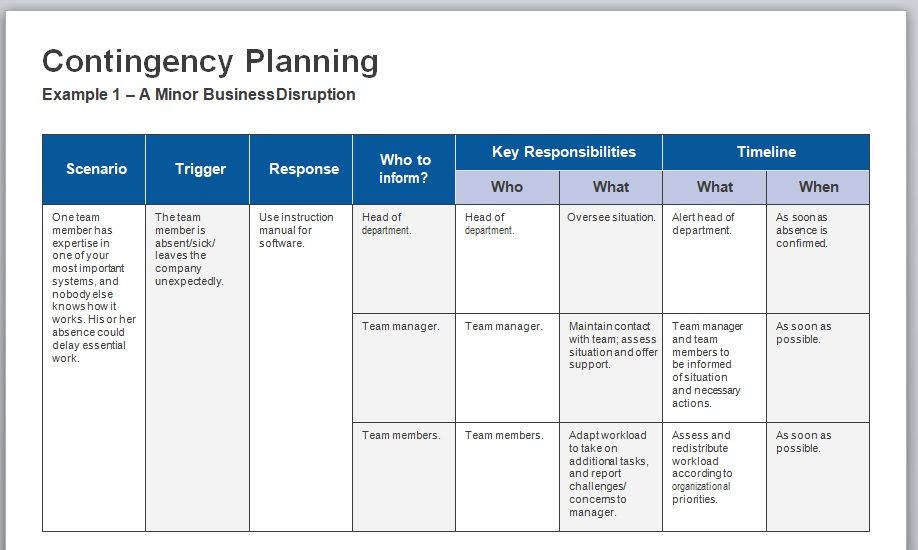
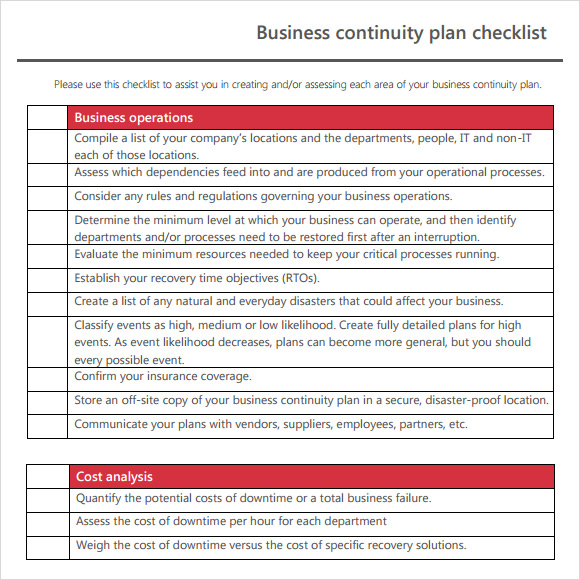
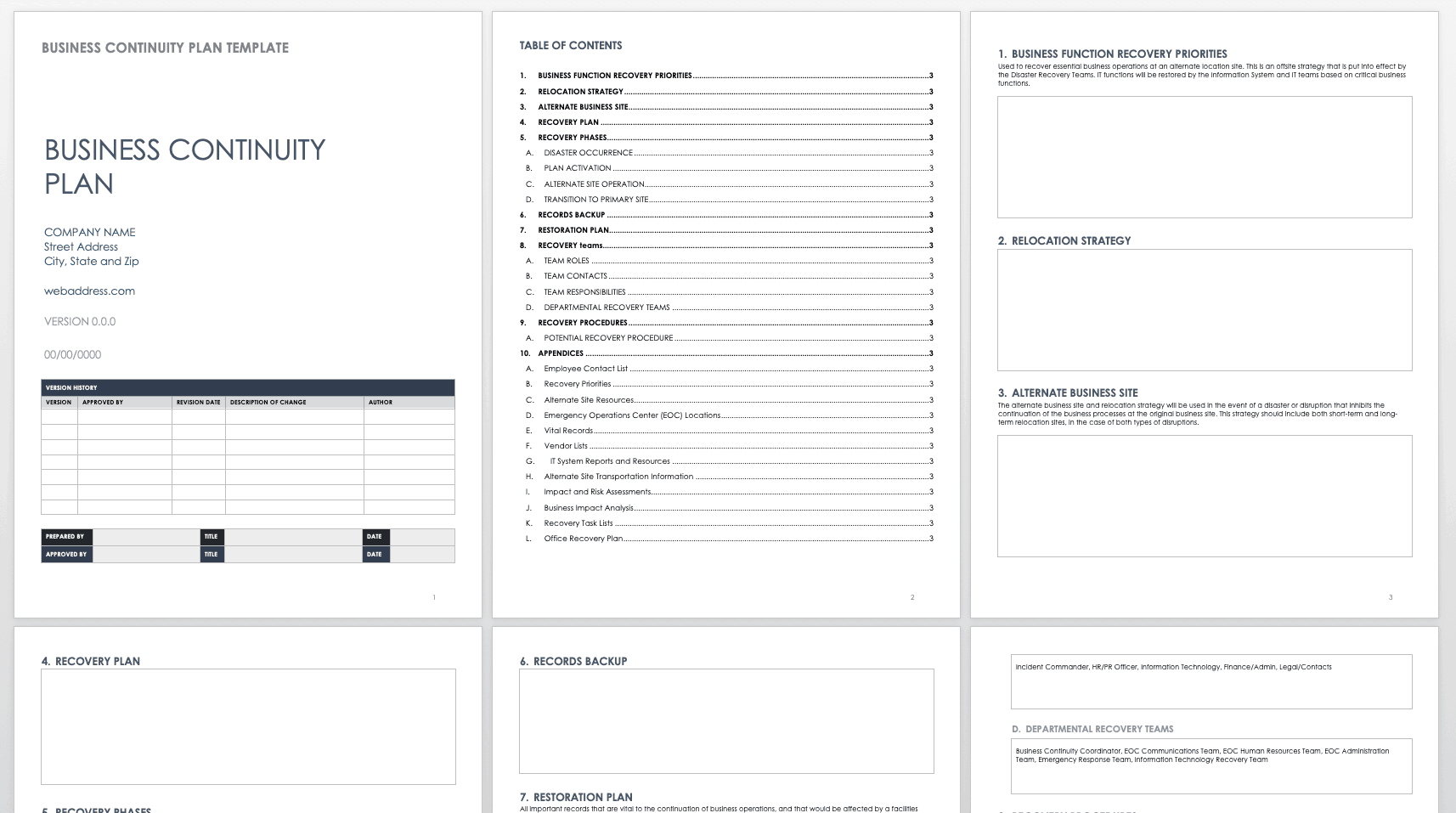
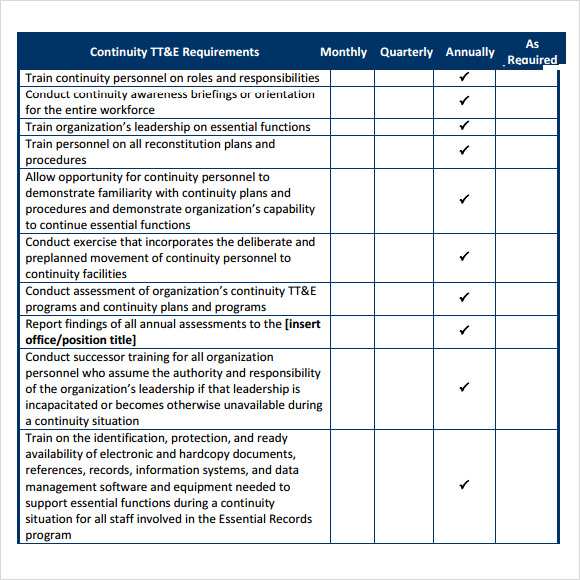
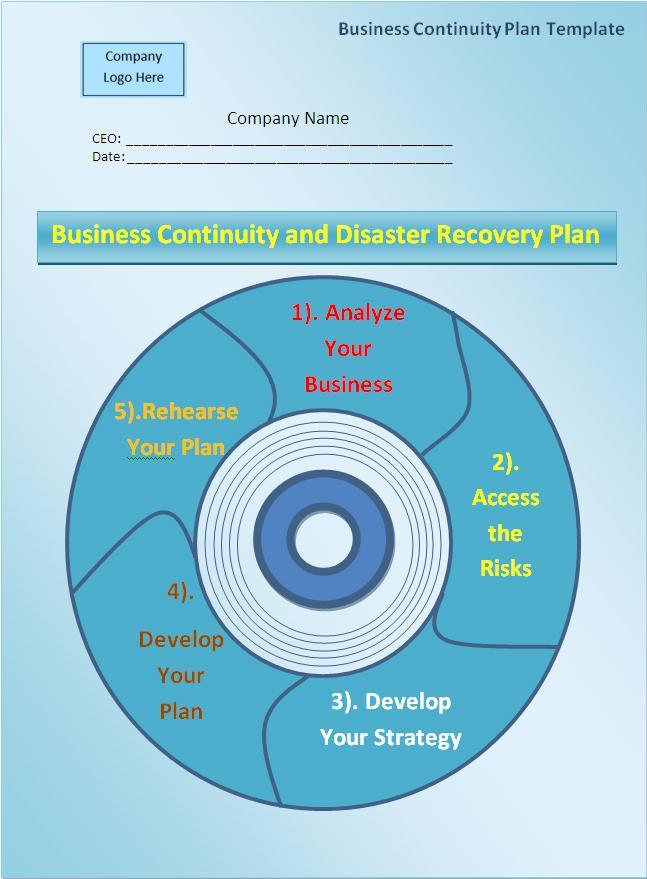
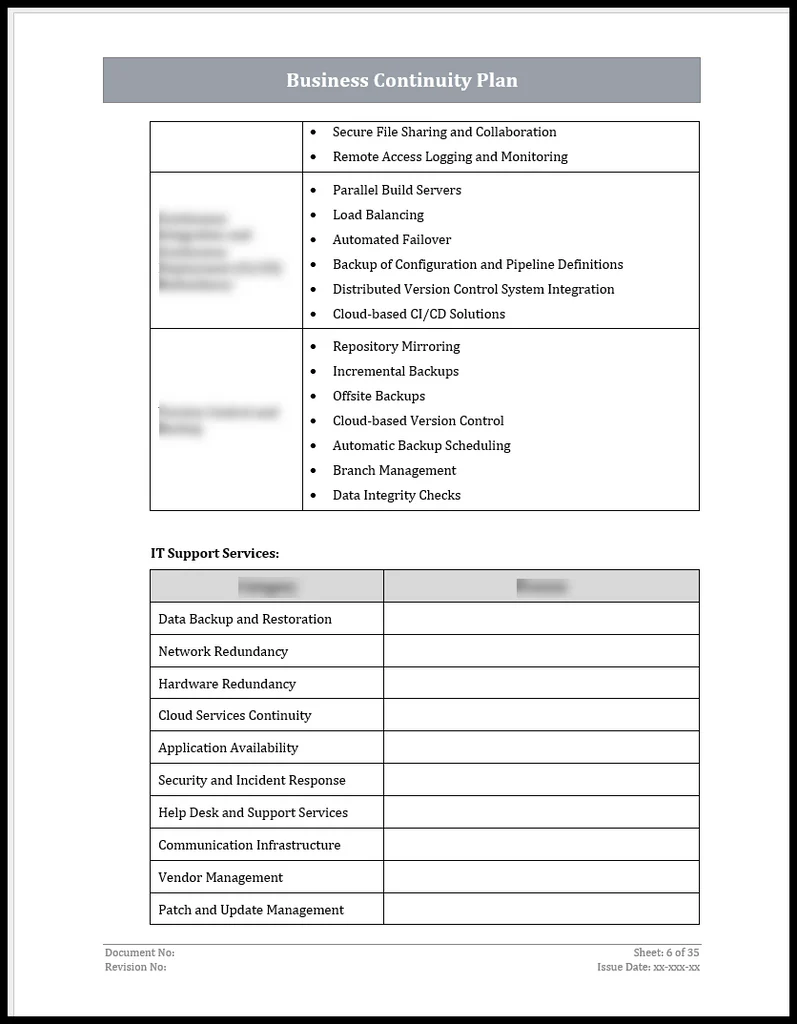
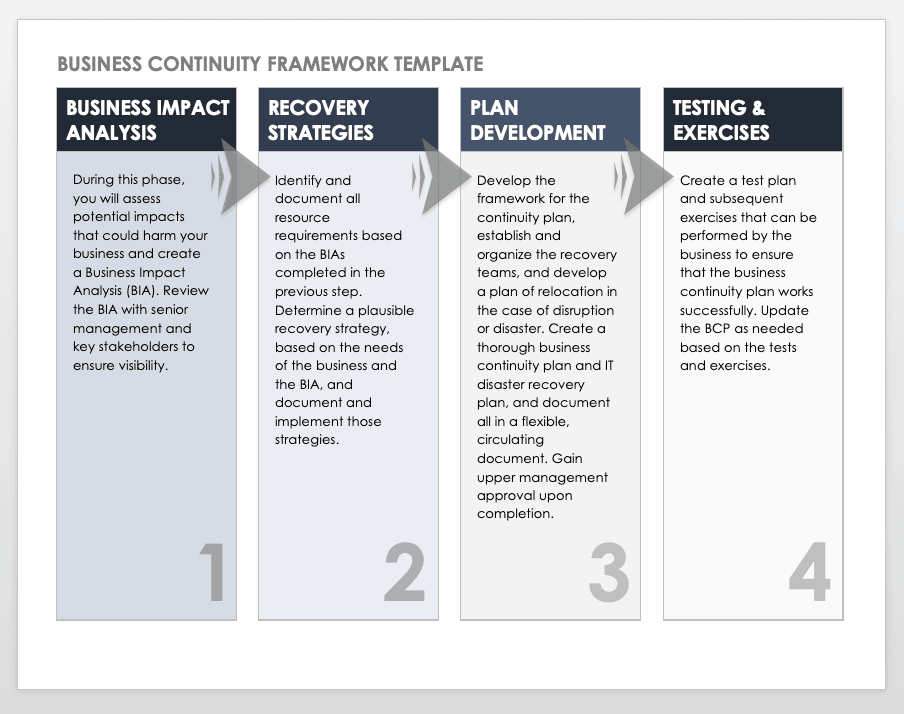
Examples


How to Implement a Business Continuity Plan Effectively
Implementing a business continuity plan effectively requires careful planning, communication, and testing. Here are some steps to help organizations successfully implement their plan:
- Engage Leadership: Ensure that senior leadership is actively involved in the planning and implementation process.
- Allocate Resources: Provide the necessary resources, including budget, technology, and personnel, to support the plan.
- Communicate Proactively: Keep employees, stakeholders, and customers informed about the plan and any updates or changes.
- Regularly Review and Update: Continuously review and update the plan to reflect changes in the organization, industry, or external environment.
- Test and Evaluate: Conduct regular drills, exercises, and simulations to test the plan’s effectiveness and identify areas for improvement.
Tips for Successful Business Continuity Planning
Successfully planning for business continuity requires a proactive and holistic approach. Here are some tips to help organizations develop a robust and effective plan:
- Start Early: Begin the planning process early to allow for thorough risk assessment and strategy development.
- Involve Key Stakeholders: Engage key stakeholders, including employees, suppliers, and customers, in the planning process to ensure a comprehensive approach.
- Document Everything: Keep detailed records of the plan, including procedures, contact information, and recovery strategies, in a centralized location for easy access.
- Stay Flexible: Be prepared to adapt the plan as needed based on changing circumstances, new threats, or emerging risks.
- Seek Professional Guidance: Consider working with experts or consultants to help develop and implement a tailored business continuity plan that meets your organization’s specific needs.
By following these guidelines and best practices, organizations can better prepare themselves for any unexpected disruptions and ensure that they can maintain critical operations, protect assets, and recover swiftly from crises. A robust business continuity plan is not only a key component of risk management but also a critical factor in building resilience and sustainability in today’s rapidly changing business environment.
Business Continuity Plan Template – Download
