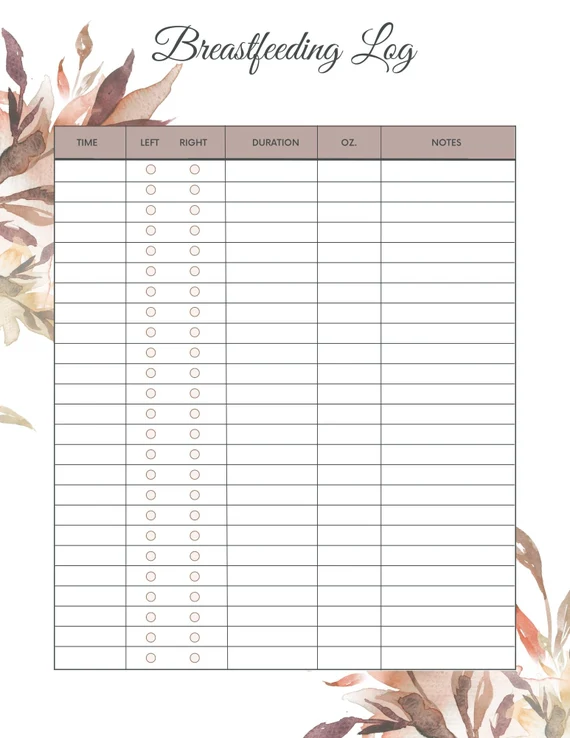
As a new parent, navigating the world of baby feeding can be overwhelming. From breastfeeding to introducing solids, there are so many factors to consider when it comes to ensuring your little one is getting the nutrition they need. That’s where a baby feeding chart comes in handy.
This general guide can help you track feeding patterns, understand typical amounts and frequencies, and know when to introduce new textures. While it’s important to follow your baby’s hunger cues and consult with your pediatrician, having a baby feeding chart as a reference can provide peace of mind and ensure your child is getting the nutrients they need for healthy growth.
What is a Baby Feeding Chart?
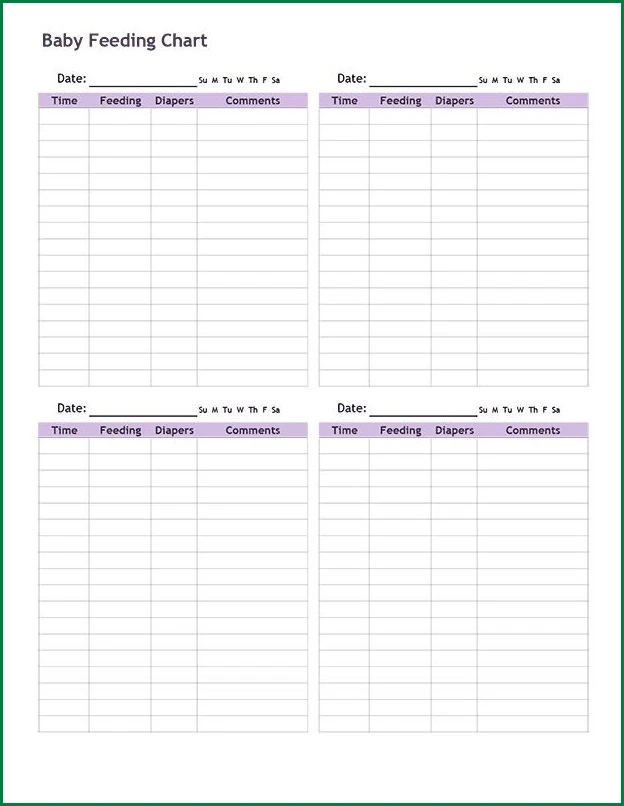
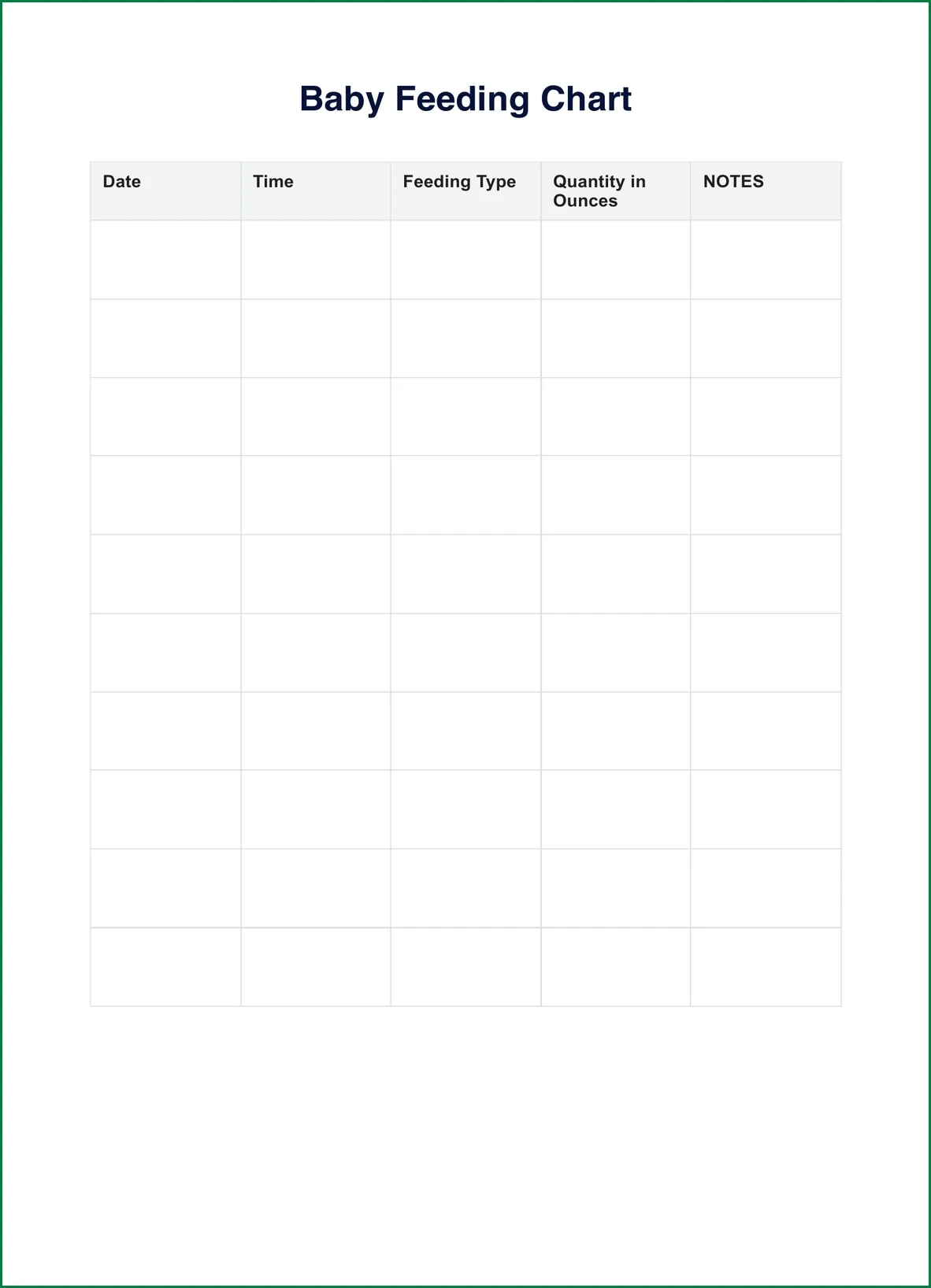
A baby feeding chart is a tool that serves as a general guide for parents, outlining typical amounts, frequencies, and appropriate foods (from milk to solids) at different developmental stages. It helps parents ensure their baby is receiving adequate nutrition for proper growth and development, while also tracking feeding patterns and signaling when it may be time to introduce new textures.
Why Use a Baby Feeding Chart?
Using a baby feeding chart can provide structure and guidance for parents as they navigate the world of feeding their little one. It can help ensure that your baby is receiving the right balance of nutrients at each stage of development, while also helping you track feeding patterns and detect any potential issues early on. While every baby is unique and may have different needs, having a general guide like a baby feeding chart can help you feel more confident in your feeding decisions.
Key Elements of a Baby Feeding Chart
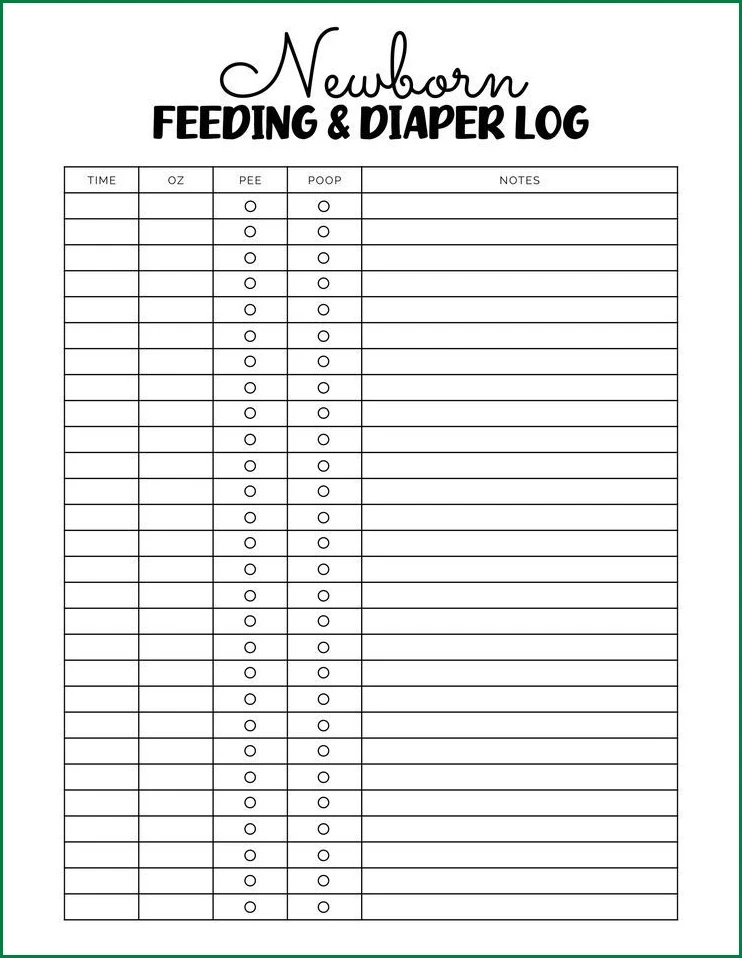
A baby feeding chart typically includes the following key elements:
- Age-appropriate foods: The chart outlines the types of foods that are appropriate for your baby at different developmental stages.
- Amounts and frequencies: It provides guidelines on how much and how often your baby should be eating or drinking at each stage.
- Transitioning to solids: The chart can help you know when and how to introduce solid foods into your baby’s diet.
- Feeding patterns: It helps you track your baby’s feeding patterns and adjust as needed.
- Consultation with pediatrician: While a baby feeding chart is a useful tool, it’s important to always consult with your pediatrician for personalized advice.
How to Create and Use a Baby Feeding Chart
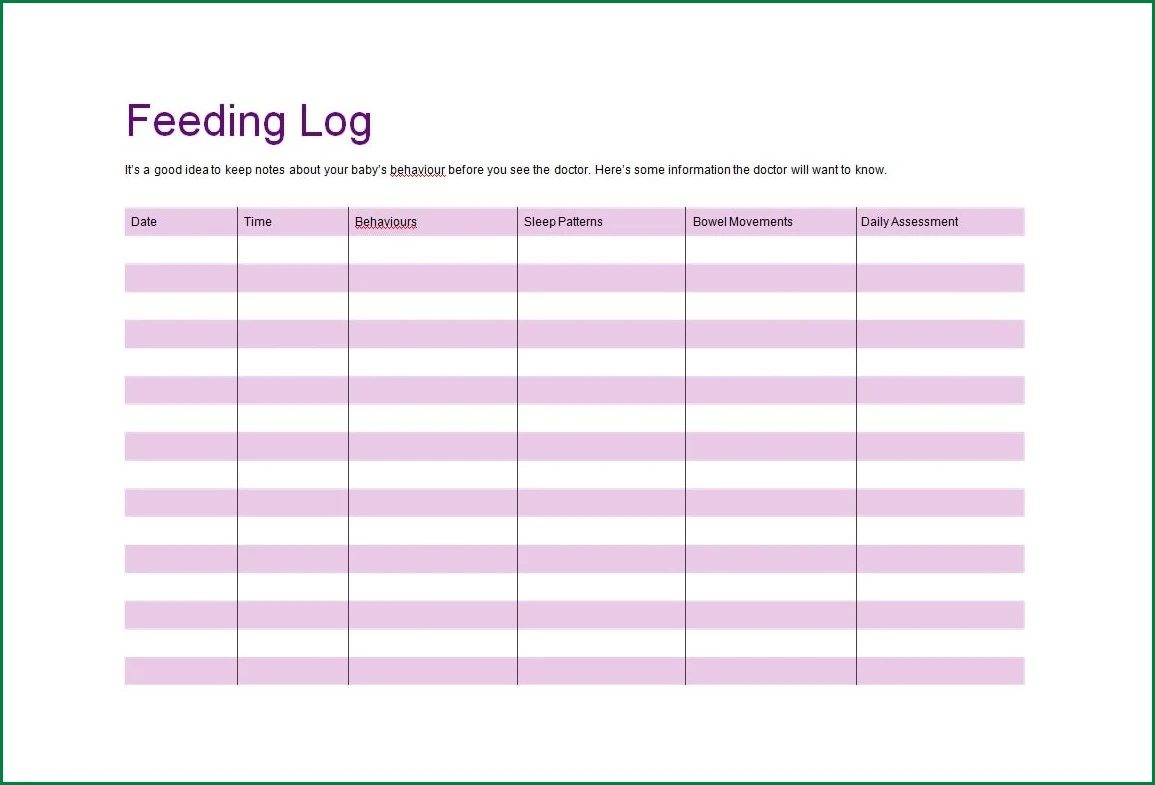
Creating a baby feeding chart can be simple and effective. Start by researching age-appropriate foods for your baby’s developmental stage and create a feeding schedule based on recommended amounts and frequencies. Keep track of your baby’s feeding patterns and adjust the chart as needed. Here are some tips for successful implementation:
1. Start with Breastmilk or Formula
For the first few months of life, breastmilk or formula will be the main source of nutrition for your baby. Track the amount of milk your baby consumes each day to ensure they are getting enough.
2. Introduce Solids Gradually
Around 6 months of age, you can begin introducing solid foods into your baby’s diet. Start with single-ingredient purees and gradually introduce new textures and flavors.
3. Monitor Allergies and Reactions
Keep an eye out for any signs of food allergies or intolerances when introducing new foods. Consult with your pediatrician if you have concerns.
4. Encourage Self-Feeding
As your baby grows, encourage self-feeding and the exploration of different textures and tastes. This can help develop their motor skills and independence.
5. Stay Flexible
Remember that every baby is different, and their feeding needs may vary. Stay flexible and adjust your feeding chart as needed to meet your baby’s individual needs.
6. Seek Professional Advice
While a baby feeding chart can be a helpful tool, always consult with your pediatrician for personalized guidance and advice on your baby’s feeding plan.
7. Enjoy the Journey
Feeding your baby can be a bonding experience. Enjoy the journey of introducing new foods, watching your baby explore different tastes, and nurturing their growth and development through nutrition.
In Conclusion
A baby feeding chart can serve as a valuable tool for parents, providing guidance on age-appropriate foods, amounts, frequencies, and feeding patterns at different developmental stages. While it’s important to follow your baby’s cues and consult with your pediatrician, having a baby feeding chart as a reference can help ensure your little one is getting the nutrition they need for healthy growth. By creating and using a baby feeding chart, you can feel more confident in your feeding decisions and enjoy the journey of nourishing your baby.
Baby Feeding Chart Template – Download
