A birthday calendar is more than a simple tool for tracking dates. It is a thoughtful system that helps people remember and celebrate the birthdays of family members, friends, colleagues, clients, and loved ones throughout the year. In today’s fast-paced world, where schedules are filled with meetings, deadlines, and daily responsibilities, it is easy to forget important personal occasions. Missing a birthday can unintentionally create disappointment or weaken personal connections. A birthday calendar solves this problem by organizing important dates in one convenient place and providing timely reminders before celebrations arrive.
Many people use birthday calendars to strengthen relationships and show appreciation for the people who matter most. Whether it is sending a simple birthday message, planning a surprise party, buying a meaningful gift, or arranging a family gathering, remembering birthdays creates emotional value that lasts far beyond the celebration itself. Businesses also use birthday calendars to build stronger relationships with employees and customers through personalized greetings and rewards.
Modern birthday calendars come in many forms, including digital apps, printable templates, wall planners, online platforms, and integrated calendar systems connected to smartphones or email services. These tools not only store birth dates but also help users organize events, set notifications, and prepare celebrations in advance. As a result, birthday calendars have become essential for both personal and professional life.
This article explores everything you need to know about birthday calendars, including their purpose, benefits, setup methods, organization strategies, and practical tips for long-term success. By understanding how to use a birthday calendar effectively, you can maintain stronger relationships, improve organization, and create memorable experiences for the people you care about.
What Is a Birthday Calendar?
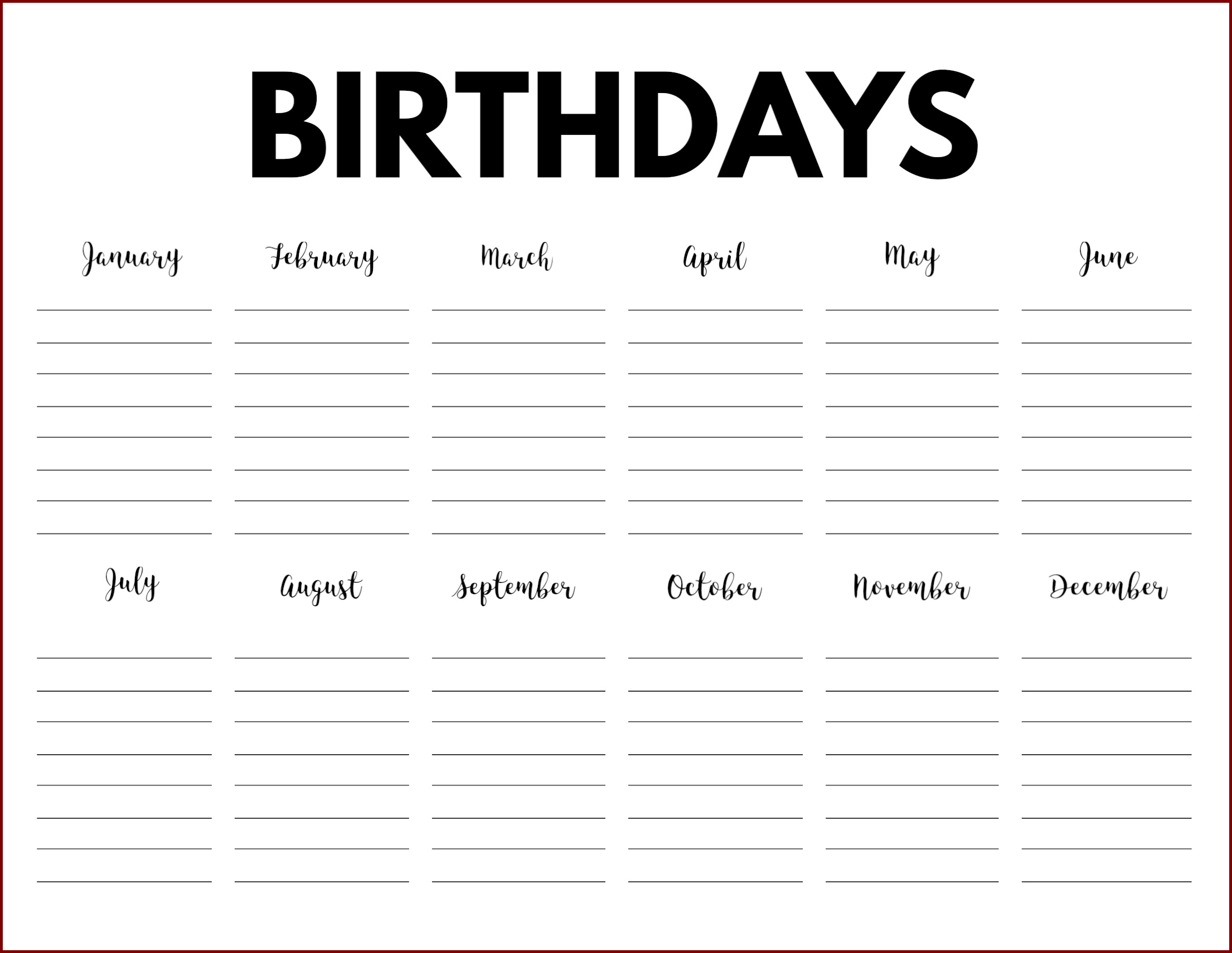
A birthday calendar is a dedicated system used to record, organize, and track birthdays throughout the year. Unlike ordinary calendars that focus mainly on appointments and events, a birthday calendar specifically emphasizes recurring annual celebrations. It serves as a centralized reminder tool that helps individuals remember important dates and prepare meaningful celebrations in advance.
Birthday calendars can be simple or advanced, depending on the user’s preferences. Some people prefer traditional printed calendars placed on a desk or wall, while others rely on smartphone applications that automatically send reminders and sync with digital accounts. Regardless of the format, the purpose remains the same: ensuring that no important birthday is forgotten.
Why a Birthday Calendar Matters?
In a world filled with digital distractions and busy schedules, people often struggle to remember important dates. A birthday calendar provides structure and reliability by helping users stay organized and prepared. More importantly, it helps preserve relationships through consistent acts of recognition and kindness.
Remembering birthdays may seem like a small gesture, but it has a powerful emotional impact. People feel valued when others acknowledge their special day. Even a simple birthday greeting can create happiness, improve communication, and strengthen emotional bonds.
Birthday calendars are also beneficial for mental organization. Instead of relying entirely on memory, users can store all birthday information in one accessible location. This reduces stress and prevents last-minute scrambling for gifts or greetings.
In professional settings, birthday calendars contribute to positive workplace culture and customer engagement. Companies that celebrate employee birthdays often create stronger morale and team unity. Businesses that send birthday discounts or personalized messages to customers can increase loyalty and brand trust.
Another important advantage is long-term planning. Birthday calendars help users prepare gifts, organize parties, make reservations, and coordinate travel arrangements ahead of time. This reduces pressure and allows celebrations to become more meaningful and enjoyable.
Additionally, birthday calendars help preserve traditions across generations. Families can maintain records of birthdays for grandparents, children, cousins, and future generations, ensuring that family connections remain strong over time.
How to Create an Effective Birthday Calendar
Creating a birthday calendar is a straightforward process, but building an organized and reliable system requires thoughtful planning. A successful birthday calendar should be easy to update, accessible across devices if needed, and customized to match personal preferences.
The first step is collecting accurate birth dates from family members, friends, coworkers, and other important contacts. Once the information is gathered, users can decide which calendar format works best for their lifestyle. Some people prefer digital convenience, while others enjoy the visual presence of printed planners.
Organization is equally important. Birthdays should be categorized clearly by month, relationship group, or priority level. Adding reminders in advance allows enough time for purchasing gifts, planning celebrations, or preparing messages.
1. Choose the Right Calendar Format
The format you choose determines how convenient and effective your birthday calendar will be. Digital calendars offer flexibility and automatic notifications, while physical calendars provide visual reminders that are always visible in your environment.
Smartphone apps are especially popular because they allow synchronization across multiple devices and integrate with email or social media platforms. On the other hand, decorative wall calendars can become attractive additions to home or office spaces while serving a practical purpose.
2. Gather Accurate Birthday Information
Before creating the calendar, collect the correct birth dates from the people who matter most. Accuracy is essential because even a small mistake can result in missed celebrations or incorrect reminders.
You can gather information through contact lists, social media profiles, family records, or direct conversations. It is also useful to include full names and optional notes for easier identification.
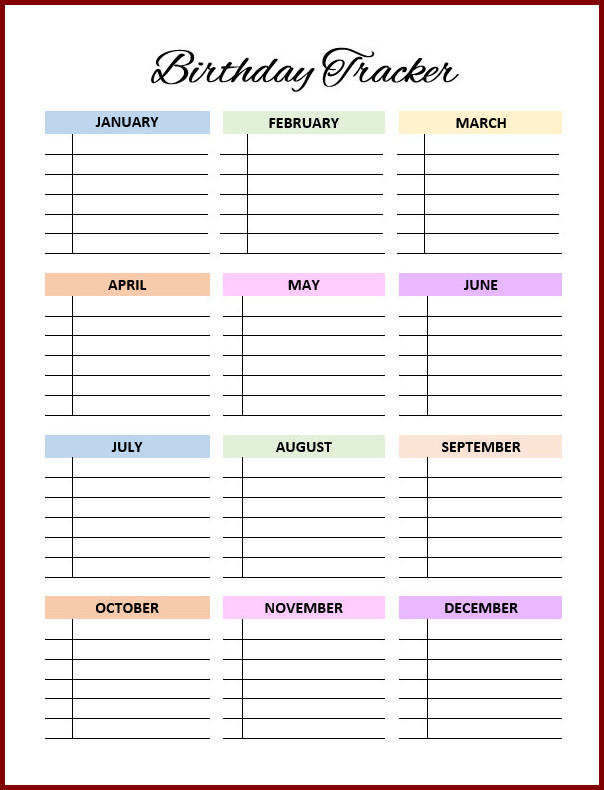
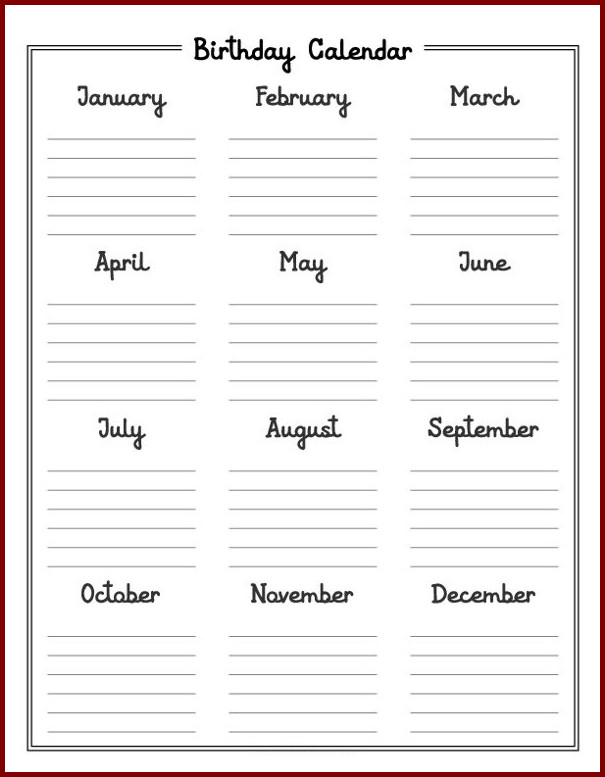
3. Organize Birthdays by Month
Grouping birthdays by month creates a clean and easy-to-follow structure. This method allows users to quickly review upcoming celebrations and prepare in advance.
Monthly organization is particularly helpful for families and businesses that manage large numbers of birthdays throughout the year. Color coding or labeling categories can improve visibility even further.
4. Add Reminder Notifications
Reminders are one of the most valuable features of a birthday calendar. Setting alerts one week or several days before the birthday gives users enough time to buy gifts, arrange gatherings, or send invitations.
Digital calendars often allow multiple reminders, ensuring that important dates are never overlooked. Some people also combine email reminders with phone notifications for extra reliability.
5. Include Celebration Notes
Adding notes makes the birthday calendar more personalized and practical. Users can record favorite hobbies, gift preferences, dietary restrictions, or party ideas.
These small details help create more thoughtful and memorable celebrations. Personalized planning demonstrates genuine care and attention to the individual.
6. Sync Across Devices
For maximum convenience, digital birthday calendars should synchronize across smartphones, tablets, and computers. Cloud-based systems ensure that information remains accessible even when devices change or data is updated.
Synchronization also allows families or teams to share calendars collaboratively, improving communication and coordination.
7. Review and Update Regularly
Birthdays remain constant, but contact details and personal preferences may change over time. Regular updates help maintain accuracy and relevance.
Reviewing the calendar every few months ensures that all information remains current and useful for future celebrations.
8. Make It Visually Appealing
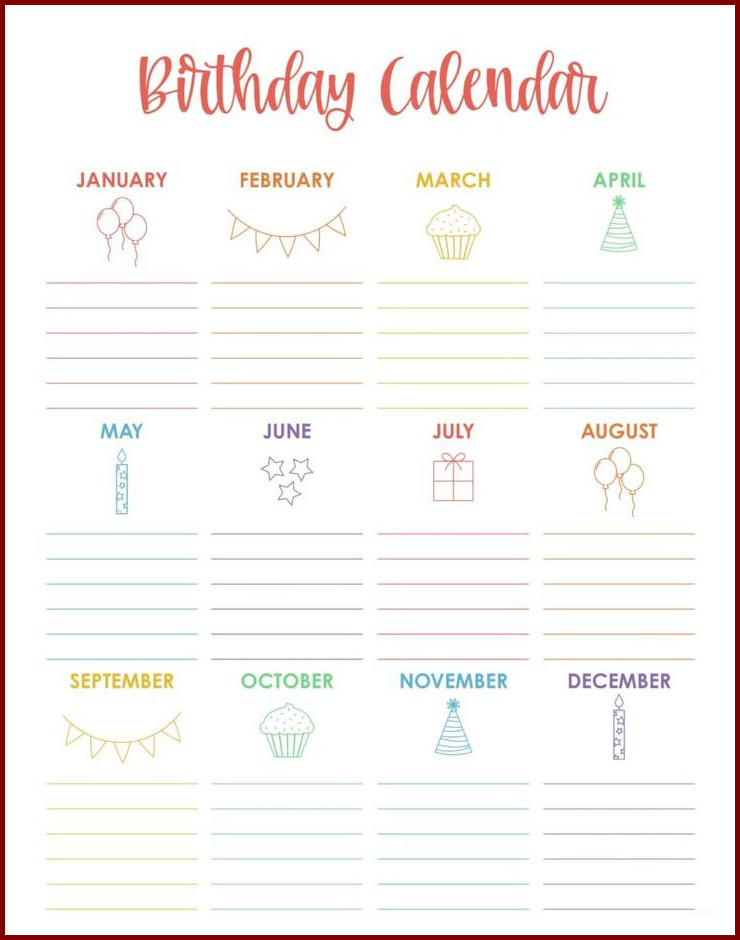
A visually attractive birthday calendar encourages consistent use. Whether digital or printed, adding colors, photos, decorative themes, or icons can make the system more enjoyable and engaging.
Creative design also transforms the birthday calendar into something meaningful rather than simply functional.
How Birthday Calendars Improve Relationships
Birthday calendars do more than organize dates. They actively support stronger relationships by encouraging thoughtful communication and consistent social interaction. In many cases, remembering someone’s birthday helps maintain emotional closeness even when people live far apart or communicate infrequently.
When individuals feel remembered, they often experience a stronger sense of appreciation and belonging. Small gestures such as birthday calls, handwritten notes, personalized gifts, or surprise celebrations can create lasting emotional memories.
Birthday calendars also reduce social stress. Instead of feeling guilty about forgotten birthdays, users can confidently stay prepared throughout the year. This reliability strengthens trust and demonstrates commitment in personal and professional relationships.
For parents, birthday calendars help organize children’s celebrations, school events, and family gatherings. Couples can use birthday calendars to plan romantic experiences or meaningful surprises. Businesses can improve customer loyalty by sending birthday discounts or appreciation messages.
Additionally, birthday calendars help maintain long-distance relationships. Friends and relatives who live in different cities or countries can remain emotionally connected through timely birthday greetings and virtual celebrations.
- Strengthens Family Bonds. Remembering birthdays creates traditions and encourages regular family interaction.
- Improves Friendships. Timely greetings help maintain meaningful social connections over time.
- Enhances Workplace Culture. Celebrating employee birthdays contributes to morale and team unity.
- Supports Customer Loyalty. Businesses can build stronger relationships through personalized birthday messages and rewards.
- Encourages Thoughtful Planning. Advanced reminders allow users to prepare gifts and events more carefully.
- Reduces Forgotten Celebrations. Organized tracking prevents missed birthdays and unnecessary embarrassment.
Ultimately, birthday calendars promote consistency, kindness, and appreciation in everyday life.
Tips for Successful Birthday Calendar Management
Using a birthday calendar effectively requires consistency and organization. While creating the calendar is important, maintaining and using it properly ensures long-term success. The following tips can help users maximize the value of their birthday calendar and create more meaningful celebrations throughout the year.
One essential strategy is setting reminders early enough to allow preparation time. Last-minute planning often leads to stress and rushed decisions. By organizing celebrations in advance, users can create more thoughtful experiences and avoid unnecessary pressure.
Another valuable practice is personalization. Generic greetings are helpful, but personalized messages and gifts create a stronger emotional impact. Including notes within the calendar helps users remember personal preferences and meaningful details.
Consistency also matters. Checking the birthday calendar regularly ensures that upcoming dates remain visible and prevents missed reminders. Making birthday planning part of a weekly routine can significantly improve organization.
Digital backup is another important consideration. Technology problems can occur unexpectedly, so maintaining backup copies or cloud synchronization protects valuable information from loss.
Finally, flexibility is essential. Not every birthday requires elaborate celebrations. Sometimes a sincere message or quick phone call can be equally meaningful. The purpose of the birthday calendar is not perfection but thoughtful connection.
The Future of Birthday Calendars in the Digital Age
As technology continues to evolve, birthday calendars are becoming more intelligent, personalized, and integrated into everyday life. Artificial intelligence, cloud synchronization, automation, and smart notifications are transforming the way people manage important dates and celebrations.
Modern calendar applications can already suggest gift ideas, recommend nearby restaurants, schedule reminders automatically, and integrate with messaging platforms. Future systems may become even more advanced by analyzing relationship patterns, personal preferences, and celebration habits to create highly customized birthday experiences.
Voice assistants and smart home devices are also increasing the accessibility of birthday reminders. Users can receive spoken notifications, automated shopping suggestions, or event-planning assistance through connected technology systems.
Social media integration continues to influence birthday tracking as well. Many platforms automatically remind users about birthdays and encourage online engagement through digital greetings, video messages, and virtual celebrations.
Businesses are also expected to expand the use of birthday calendars for customer engagement strategies. Personalized marketing campaigns, birthday promotions, and automated appreciation messages will likely become even more sophisticated and data-driven.
Despite these technological advancements, the emotional purpose of birthday calendars remains unchanged. The core value lies in helping people remember and celebrate one another. Technology simply makes this process more convenient and reliable.
A birthday calendar is ultimately a symbol of thoughtfulness, connection, and appreciation. Whether used digitally or traditionally, it helps people maintain meaningful relationships in a busy and constantly changing world. By organizing important dates and encouraging timely celebrations, birthday calendars continue to serve as valuable tools for strengthening human connections and creating lasting memories.
