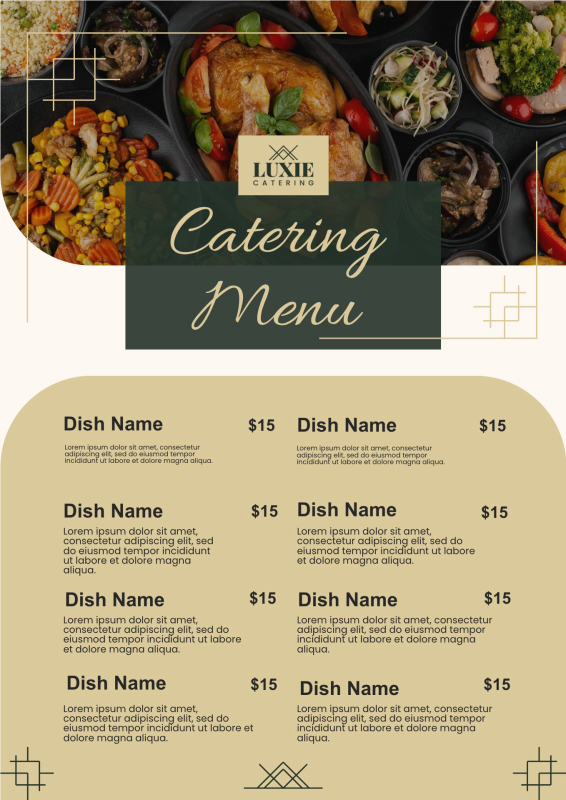
Creating a catering menu is not just about listing food and beverage options for your clients. It serves a multitude of purposes that can significantly impact your business. Your catering menu sets the tone for the experience you want to provide, helps market your brand, and showcases your culinary expertise. It is a powerful tool that can attract new customers, retain existing ones, and increase your revenue.
Key Elements in a Catering Menu
When designing a catering menu, there are several key elements to consider to ensure its effectiveness. These elements include:
1. Variety of Options
Offering a wide range of food and beverage options on your catering menu is essential to cater to different tastes and dietary preferences. Make sure to include options for vegetarians, vegans, gluten-free, and other special dietary needs.
2. Pricing
Clearly display the prices of each item on your catering menu to help customers make informed decisions. Make sure your pricing is competitive and aligns with the quality of your offerings.
3. Descriptive Menu Items
Use descriptive language to make your menu items sound appealing and appetizing. Include details about the ingredients, cooking methods, and special features of each dish to entice customers.
4. Branding and Design
Your catering menu should reflect your brand identity and style. Use consistent branding elements such as colors, fonts, and imagery to create a cohesive and professional look.
5. Seasonal Offerings
Keep your catering menu fresh and relevant by incorporating seasonal ingredients and dishes. This will show customers that you are up-to-date with food trends and can offer unique options for their events.
6. Beverage Selection
Don’t forget to include a selection of beverages on your catering menu, including alcoholic and non-alcoholic options. Consider offering signature cocktails or mocktails to add a special touch to your offerings.
7. Terms and Conditions
Include clear terms and conditions on your catering menu, such as minimum order requirements, delivery fees, cancellation policies, and payment options. This will help avoid any misunderstandings or disputes with clients.
8. Testimonials and Reviews
If possible, include testimonials or reviews from satisfied customers on your catering menu. This social proof can help build trust with prospective clients and showcase the quality of your services.
9. Customization Options
Offer customization options on your catering menu to allow clients to personalize their orders. This can include adding extra toppings, switching ingredients, or creating bespoke menus for special events.
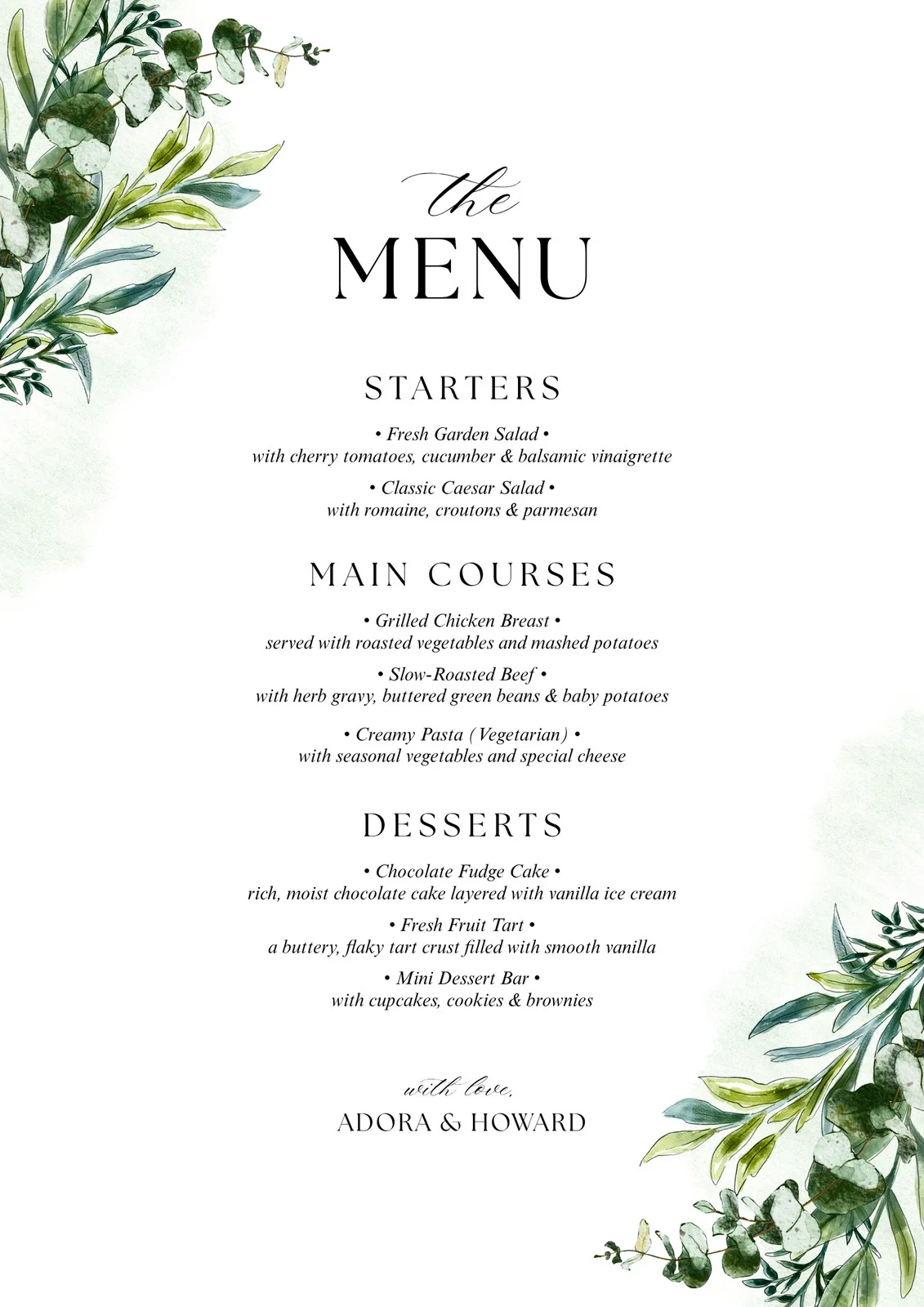
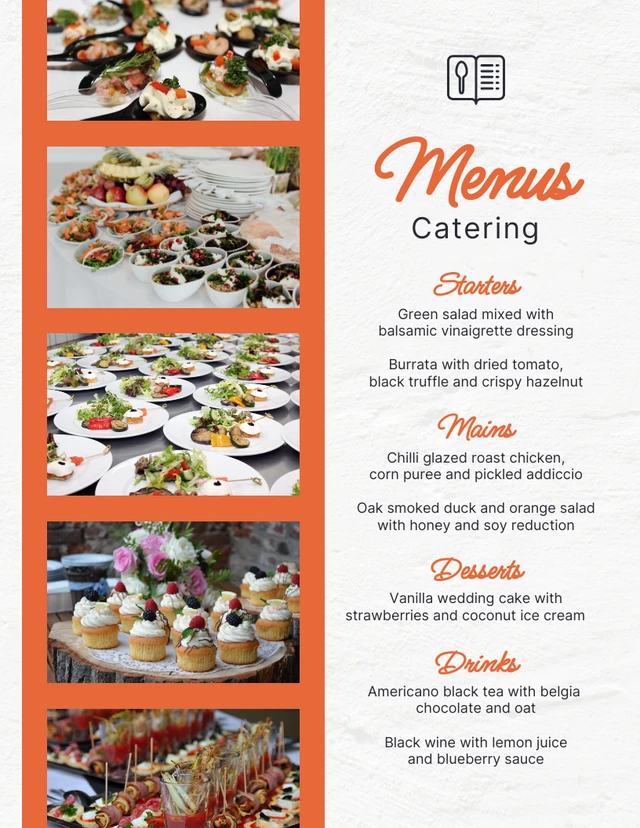
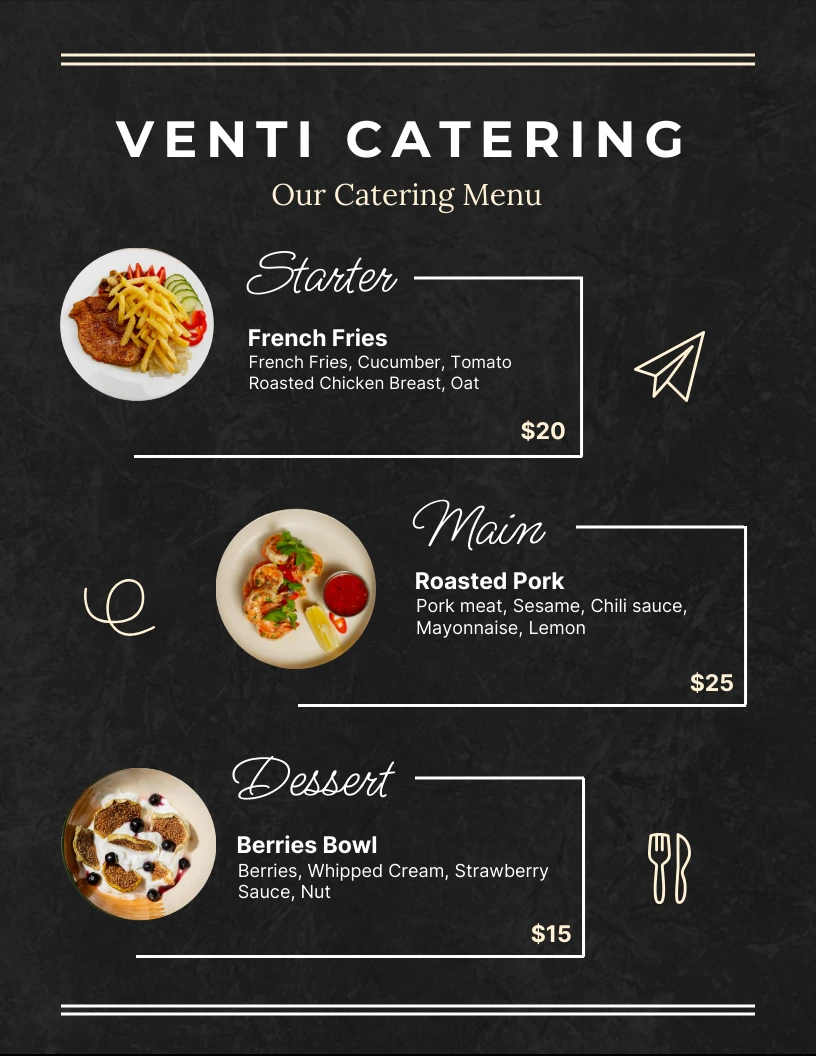
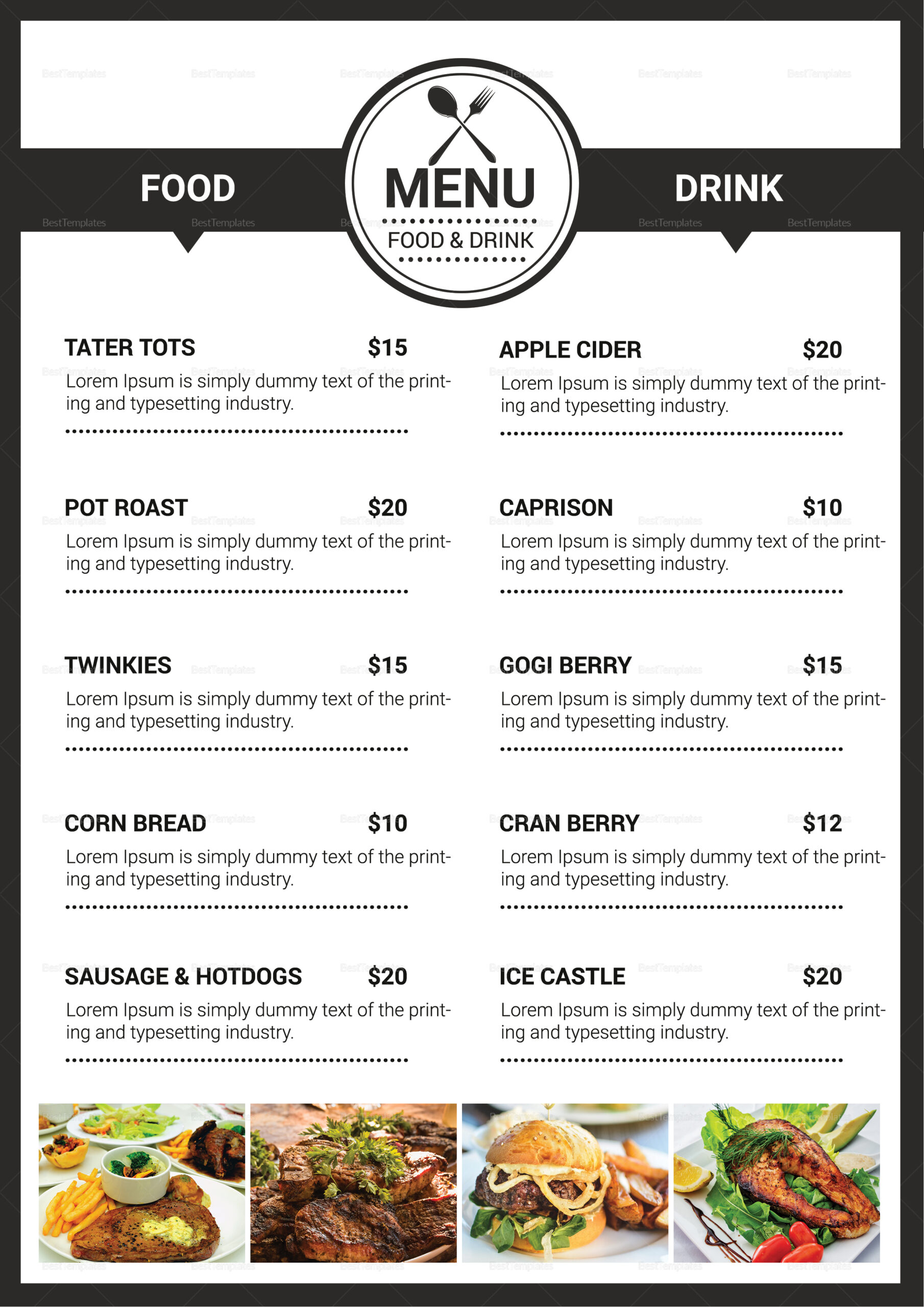
How to Create an Effective Menu
Creating an effective catering menu requires careful planning and attention to detail. Here are some tips to help you design a menu that will impress your clients and drive sales:
- Know Your Audience. Understand the preferences and dietary needs of your target customers to tailor your menu accordingly.
- Highlight Your Specialties. Showcase your signature dishes and unique offerings to stand out from the competition.
- Keep It Simple. Avoid overwhelming customers with too many options and keep your menu concise and easy to navigate.
- Update Regularly. Keep your catering menu up-to-date with new dishes, seasonal specials, and customer favorites to keep it fresh and exciting.
- Seek Feedback. Ask for feedback from customers to understand their preferences and make improvements to your menu based on their suggestions.
- Stay Competitive. Keep an eye on your competitors’ menus to stay competitive and ensure your offerings are unique and appealing.
- Offer Packages. Create bundled packages or special deals on your catering menu to encourage customers to order more and increase your sales.
- Promote Your Menu. Use marketing channels such as social media, email newsletters, and your website to promote your catering menu and attract new customers.
How Do You Write a Catering Plan?
When writing a catering plan, consider the following steps to ensure its effectiveness:
1. Define Your Goals: Clearly outline your objectives and goals for your catering business, such as increasing sales, expanding your customer base, or improving your brand visibility.
2. Identify Your Target Market: Understand the demographics, preferences, and buying behavior of your target customers to tailor your catering plan accordingly.
3. Develop Your Menu: Create a comprehensive catering menu that showcases your culinary expertise, highlights your specialties, and caters to different tastes and dietary needs.
4. Set Your Pricing: Determine your pricing strategy based on your costs, competitors’ prices, and market demand to ensure profitability and competitiveness.
5. Marketing and Promotion: Develop a marketing plan to promote your catering services through various channels, such as social media, online advertising, and word-of-mouth referrals.
6. Operations and Logistics: Plan the logistics of your catering operations, including food preparation, delivery, staffing, and equipment requirements, to ensure smooth execution of events.
7. Customer Service: Focus on providing exceptional customer service to build loyalty and satisfaction among your clients, leading to repeat business and positive reviews.
8. Monitor and Evaluate: Continuously monitor the performance of your catering plan, track key metrics, and gather feedback from customers to make adjustments and improvements as needed.
9. Adapt and Innovate: Stay flexible and open to new ideas, trends, and market changes to adapt your catering plan and offerings to meet the evolving needs of your customers.
Tips for a Successful Catering Business
Running a successful catering business requires a combination of culinary skills, business acumen, and customer service excellence. Here are some tips to help you thrive in the competitive catering industry:
- Focus on Quality. Use fresh, high-quality ingredients and focus on presentation to create memorable dining experiences for your clients.
- Build Relationships. Foster strong relationships with clients, suppliers, and partners to build trust, loyalty, and long-term partnerships in the industry.
- Stay Organized. Maintain detailed records, schedules, and to-do lists to stay organized and ensure smooth operations for your catering events.
- Adapt to Trends. Stay up-to-date with food trends, dietary preferences, and event styles to offer innovative and relevant catering services to your clients.
- Invest in Marketing. Allocate resources for marketing and promotion to raise awareness of your catering business, attract new customers, and retain existing ones.
- Seek Feedback. Listen to feedback from clients, staff, and partners to identify areas for improvement and make necessary adjustments to enhance your services.
- Embrace Technology. Utilize catering software, online platforms, and digital tools to streamline your operations, manage bookings, and communicate with clients efficiently.
- Continuously Learn. Stay curious, attend industry events, workshops, and training sessions to expand your knowledge, skills, and expertise in the catering field.
In conclusion, your catering menu is a crucial aspect of your business that goes beyond just listing food and beverage options. It serves as a marketing tool, a reflection of your brand, and a key factor in attracting and retaining customers. By understanding the importance of a well-designed catering menu and following the tips outlined above, you can create a menu that will impress clients, drive sales, and elevate your catering business to new heights.
