A birthday card is far more than a folded piece of paper with decorative artwork and written greetings. It is a meaningful expression of affection, appreciation, and emotional connection that allows people to celebrate important moments in life with sincerity and warmth. In an age dominated by instant messages, social media notifications, and digital communication, birthday cards continue to hold a special place in personal relationships because they provide something deeply human: a tangible reminder that someone took time, effort, and thought to celebrate another person’s special day.
For generations, birthday cards have been used to strengthen relationships between family members, friends, romantic partners, coworkers, and even long-distance acquaintances. A thoughtfully chosen or carefully handmade card can communicate emotions that are sometimes difficult to express verbally. Whether humorous, sentimental, elegant, or artistic, birthday cards serve as emotional bridges that connect people across time and distance.
Unlike temporary digital greetings that disappear quickly in crowded inboxes or social media feeds, birthday cards often become treasured keepsakes. Many people store cards for years because they represent meaningful memories, heartfelt messages, and milestones in life. A handwritten birthday card can evoke nostalgia, comfort, and joy long after the celebration has ended. It becomes part of a personal story, preserving moments of love and connection in physical form.
Birthday cards also play an important social role. They help maintain relationships, encourage thoughtful communication, and create opportunities for emotional closeness. In professional settings, birthday cards can improve workplace morale and foster stronger business relationships. In families, they help preserve traditions and strengthen bonds between generations.
This article explores the complete significance of birthday cards, including their purpose, emotional value, creative possibilities, relationship benefits, and practical strategies for choosing and creating meaningful cards. By understanding why birthday cards remain relevant in the modern world, individuals can use them more intentionally to celebrate life, nurture relationships, and create lasting memories.

What Is a Birthday Card?
A birthday card is a greeting card specifically designed to celebrate a person’s birthday through written messages, artistic design, and personal sentiment. It serves as a physical or digital expression of good wishes, love, gratitude, humor, or appreciation for someone on their special day. Birthday cards can range from simple and elegant to highly personalized and artistic, depending on the relationship and occasion.
Traditionally, birthday cards are printed on folded paper and often include decorative illustrations, photographs, meaningful quotes, or humorous content. Inside the card, the sender usually writes a personal message addressed to the recipient. This written message is often the most emotionally valuable part of the card because it reflects authentic human thought and care.
Modern birthday cards now exist in many formats. While printed cards remain highly popular, digital birthday cards, animated e-cards, video greetings, and customized online designs have expanded the ways people celebrate birthdays. Despite technological changes, the emotional purpose of birthday cards remains consistent: to make the recipient feel valued, remembered, and appreciated.
Birthday cards are suitable for people of all ages and relationships. Parents send birthday cards to children, friends exchange humorous cards, couples share romantic messages, and businesses send professional birthday greetings to customers or employees. Each card carries emotional meaning that goes beyond the object itself.
- Traditional Printed Cards. These are physical greeting cards commonly purchased from stores or handmade for personal celebrations.
- Handmade Birthday Cards. Crafted manually using art supplies, these cards often carry stronger sentimental value because of the effort involved.
- Digital Birthday Cards. Online greeting cards sent through email, messaging apps, or social platforms for quick and convenient communication.
- Personalized Birthday Cards. Customized cards featuring names, photographs, personal stories, or unique designs tailored to the recipient.
- Musical and Interactive Cards. Cards containing sound effects, songs, lights, or interactive elements for entertainment and surprise.
- Professional Birthday Cards. Cards used by businesses and organizations to strengthen customer relationships and employee engagement.
A birthday card ultimately represents emotional intention. Whether simple or elaborate, its true value lies in the message and meaning shared between the sender and recipient.
Examples:
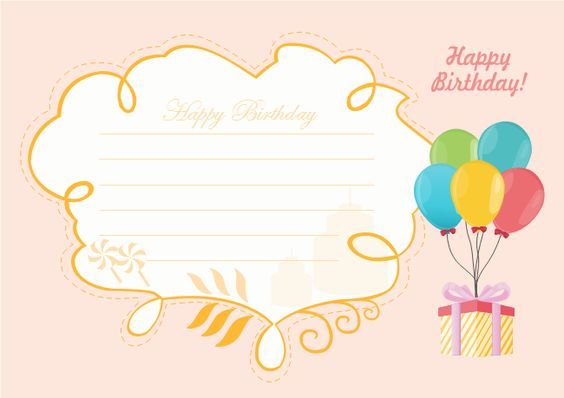
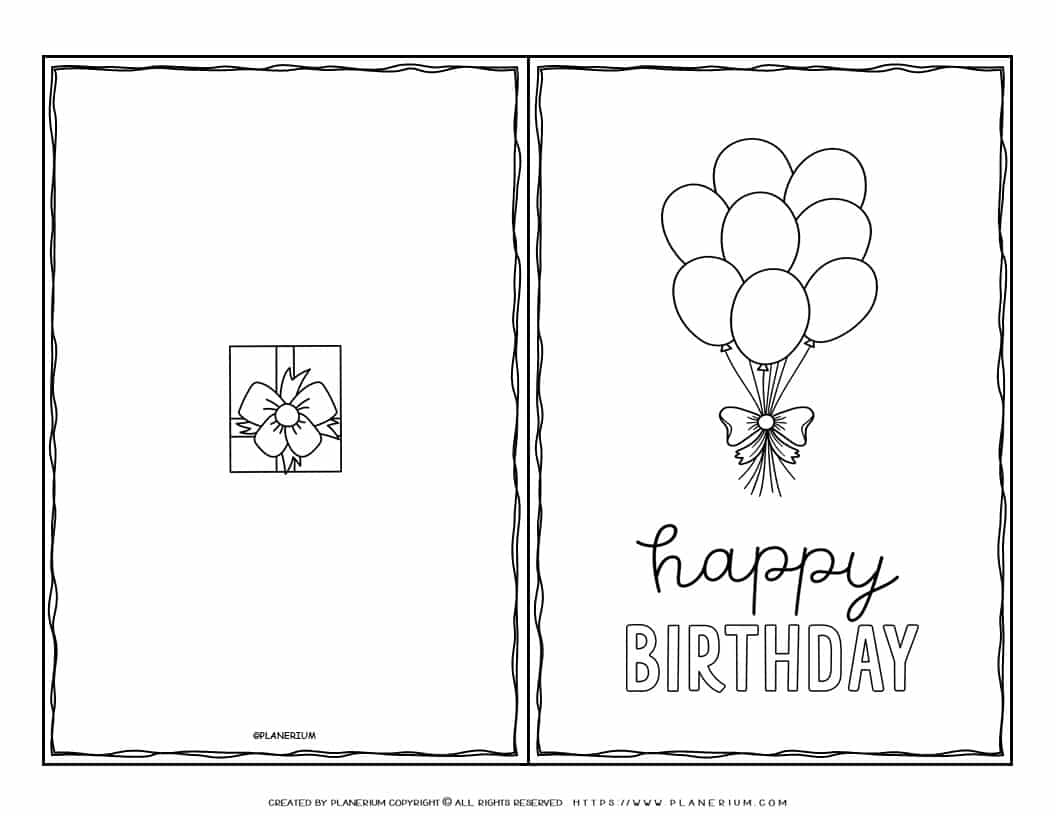
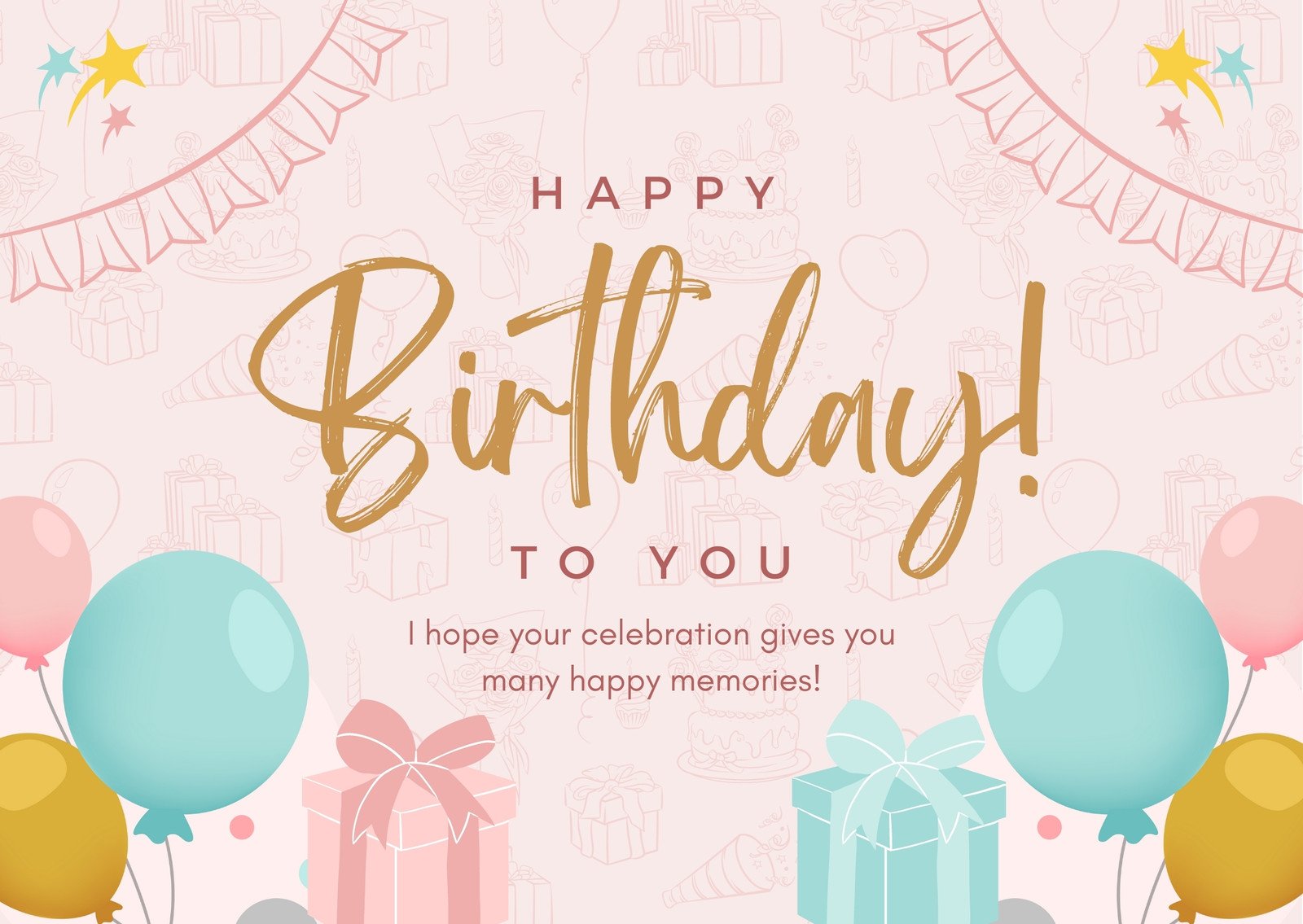



Why Birthday Cards Remain Important in Modern Life
Although digital communication has transformed the way people interact, birthday cards continue to maintain emotional relevance because they provide something personal, lasting, and deeply meaningful. Unlike text messages or social media posts that are often brief and quickly forgotten, birthday cards offer a physical experience that recipients can revisit repeatedly over time.
One of the main reasons birthday cards remain important is their ability to create an emotional connection. Receiving a card demonstrates that someone invested time and effort into choosing, writing, and delivering a thoughtful message. This intentionality makes the gesture feel more sincere and memorable.
Birthday cards also serve as sentimental keepsakes. Many people save cards in memory boxes, albums, or drawers because they preserve important moments and relationships. Looking back at old birthday cards can evoke powerful memories and emotional reflection years later.
Another significant reason birthday cards matter is their role in strengthening relationships across distance. Families and friends separated by geography can maintain emotional closeness through handwritten cards that carry personal warmth. In many cases, a physical card feels more intimate and meaningful than a digital notification.
Birthday cards are also valuable for emotional expression. Some people find it easier to communicate love, appreciation, encouragement, or gratitude through written words rather than spoken conversation. A carefully written birthday message can provide comfort, motivation, and reassurance.
In workplaces and business settings, birthday cards help foster positive relationships and organizational culture. Employees who receive birthday recognition often feel appreciated and valued. Similarly, customers who receive personalized birthday greetings may develop stronger loyalty to brands and businesses.
Finally, birthday cards contribute to traditions and family culture. Sending and receiving birthday cards becomes part of annual celebrations that create continuity, belonging, and shared memories across generations.
How to Choose the Perfect Birthday Card
Selecting the right birthday card requires thoughtfulness and understanding of the recipient’s personality, preferences, and relationship with the sender. A meaningful card reflects the emotional tone appropriate for the occasion while making the recipient feel personally recognized.
The process begins by considering the nature of the relationship. A humorous card may be perfect for a close friend, while a heartfelt and elegant card might suit a parent or romantic partner better. Age, interests, hobbies, and communication style should also influence the design and message.
Visual presentation is another important factor. Colors, artwork, typography, and illustrations contribute to the emotional impression of the card. Some people prefer minimalist elegance, while others enjoy bright and playful designs.
Equally important is the written message inside the card. Even the most beautiful card becomes more meaningful when accompanied by authentic, personalized words. A short but sincere message often creates a stronger emotional impact than a generic greeting.
1. Understand the Recipient’s Personality
Choosing a birthday card becomes easier when the sender considers the recipient’s character and interests. Some individuals appreciate humor and playful jokes, while others prefer emotional sincerity and thoughtful reflection.
Understanding personality helps ensure that the card feels authentic and emotionally appropriate. Personalized choices demonstrate attention and care.
2. Select an Appropriate Design
The visual appearance of the card influences the recipient’s first impression. Elegant designs often suit formal relationships, while colorful and artistic styles may work well for friends or children.
Design elements such as photographs, illustrations, textures, and typography contribute to the emotional tone of the card.
3. Write a Personalized Message
The written message is often the most valuable part of a birthday card. Personalized messages create emotional intimacy and demonstrate genuine effort.
Including shared memories, gratitude, encouragement, or personal wishes makes the card more meaningful and memorable.
4. Consider Handmade Options
Handmade birthday cards often carry stronger sentimental value because they reflect creativity and time investment. Even simple handmade designs can feel deeply personal and heartfelt.
Artistic details, handwritten notes, and customized decorations help create unique keepsakes.
5. Match the Tone to the Relationship
The tone of the birthday card should align with the relationship between sender and recipient. Romantic cards differ significantly from professional or casual friendship cards.
Choosing the correct emotional tone helps the message feel sincere and respectful.
6. Include Meaningful Memories
Referencing shared experiences or memorable moments adds emotional depth to the card. Nostalgic details help strengthen emotional connection and remind recipients of meaningful relationships.
Even brief references to past experiences can make the message feel deeply personal.
7. Add Creative Elements
Creative additions such as photographs, drawings, poetry, stickers, or decorative inserts can make the card more engaging and memorable.
Personal touches transform ordinary cards into unique expressions of affection.
8. Deliver the Card Thoughtfully
Presentation and timing also matter. Delivering the card personally, mailing it early, or surprising the recipient can enhance the emotional experience.
Thoughtful delivery demonstrates additional care and consideration.
How Birthday Cards Strengthen Human Relationships
Birthday cards play a powerful role in nurturing emotional bonds and preserving meaningful relationships. While the gesture may seem simple, the emotional effects can be long-lasting and significant. A birthday card communicates attention, appreciation, and emotional presence in ways that many other forms of communication cannot replicate.
One important benefit of birthday cards is their ability to reinforce emotional connection. Receiving a card reminds individuals that they are remembered and valued by others. This recognition contributes to emotional well-being and relationship satisfaction.
Birthday cards also create opportunities for reflection and gratitude. Writing a message encourages senders to think carefully about the relationship and express meaningful emotions. In turn, recipients often feel appreciated and emotionally supported.
In long-distance relationships, birthday cards help maintain closeness despite physical separation. The physical nature of a card creates a sense of presence and intimacy that digital communication sometimes lacks. A handwritten message can feel comforting and deeply personal.
Families often use birthday cards to preserve traditions and strengthen generational bonds. Children who receive birthday cards from parents or grandparents may keep them for years as cherished memories. Over time, these cards become emotional archives of family history and affection.
Professional environments also benefit from birthday cards. Employers who recognize employee birthdays contribute to a positive workplace culture and improved morale. Businesses that send birthday greetings to customers demonstrate attentiveness and relationship commitment.
Additionally, birthday cards can support emotional healing and reconciliation. A sincere birthday message may reopen communication, repair misunderstandings, or strengthen weakened relationships.
- Creates Emotional Appreciation. Birthday cards help recipients feel valued, recognized, and emotionally supported.
- Preserves Meaningful Memories. Cards often become sentimental keepsakes that people revisit for comfort and nostalgia.
- Strengthens Long-Distance Relationships. Physical cards maintain emotional closeness across geographical separation.
- Encourages Thoughtful Communication. Writing meaningful messages promotes deeper emotional expression.
- Supports Family Traditions. Birthday cards help preserve family culture and shared celebrations across generations.
- Improves Professional Relationships. Workplace birthday cards contribute to employee appreciation and customer loyalty.
Birthday cards ultimately serve as emotional bridges that connect people through kindness, memory, and shared celebration.
Tips for Successful Birthday Card Writing and Design
Creating a meaningful birthday card requires more than an attractive design. The most memorable cards combine sincerity, creativity, emotional understanding, and personal detail. Successful birthday card writing focuses on making the recipient feel genuinely appreciated and celebrated.
One essential tip is authenticity. Genuine emotions create a stronger impact than overly formal or generic messages. Writing naturally and sincerely helps the card feel personal and heartfelt.
Another important strategy is personalization. Including the recipient’s name, memories, achievements, or qualities makes the message more unique and emotionally powerful. Personalized content demonstrates effort and thoughtful attention.
Clarity is also important. A birthday card message does not need to be extremely long to be meaningful. Short, honest, and emotionally focused messages often leave lasting impressions.
Creativity can further enhance the experience. Handmade decorations, poetry, humor, photographs, and artistic details make cards more engaging and memorable. Even small creative touches can transform a simple card into a treasured keepsake.
Timing matters as well. Sending or delivering the card on time shows reliability and care. Delayed greetings may reduce emotional impact, especially in close relationships.
Finally, preserving emotional balance is essential. Humor should remain respectful, sentimental messages should feel natural, and professional cards should maintain appropriate tone.
The Future of Birthday Cards in a Digital World
As technology continues to shape communication habits, birthday cards are evolving rather than disappearing. While digital greetings and social media messages have increased convenience, physical birthday cards remain emotionally valuable because they offer tactile, personal experiences that technology cannot fully replace.
Modern innovations have introduced new forms of birthday cards, including animated e-cards, video messages, interactive online greetings, and customizable digital designs. These options allow people to celebrate birthdays quickly and creatively, especially across long distances.
However, physical birthday cards continue to stand out because of their permanence and emotional authenticity. Unlike temporary digital notifications, printed cards can be displayed, stored, revisited, and cherished over time. They create sensory experiences through touch, handwriting, texture, and design.
Sustainability is also influencing the future of birthday cards. Many companies now produce eco-friendly cards using recycled materials, biodegradable packaging, and sustainable printing methods. Consumers increasingly value environmentally conscious celebration practices.
Artificial intelligence and personalized printing technologies are expected to further transform birthday card creation. Customized designs based on recipient preferences, photographs, and relationship history may become even more advanced and accessible.
Businesses will likely continue integrating birthday cards into customer relationship strategies. Personalized birthday greetings, loyalty rewards, and branded cards help companies strengthen emotional connections with consumers.
Despite technological advancement, the emotional purpose of birthday cards remains timeless. They continue to symbolize affection, remembrance, appreciation, and human connection. In a fast-moving digital society, birthday cards provide something increasingly rare and meaningful: a tangible expression of care that people can hold, revisit, and treasure for years to come.
A birthday card is ultimately more than paper and ink. It is a personal gesture that celebrates relationships, preserves memories, and strengthens emotional bonds across generations and distances. Whether handmade, printed, or digital, birthday cards remain enduring symbols of kindness, love, and meaningful human connection.
